
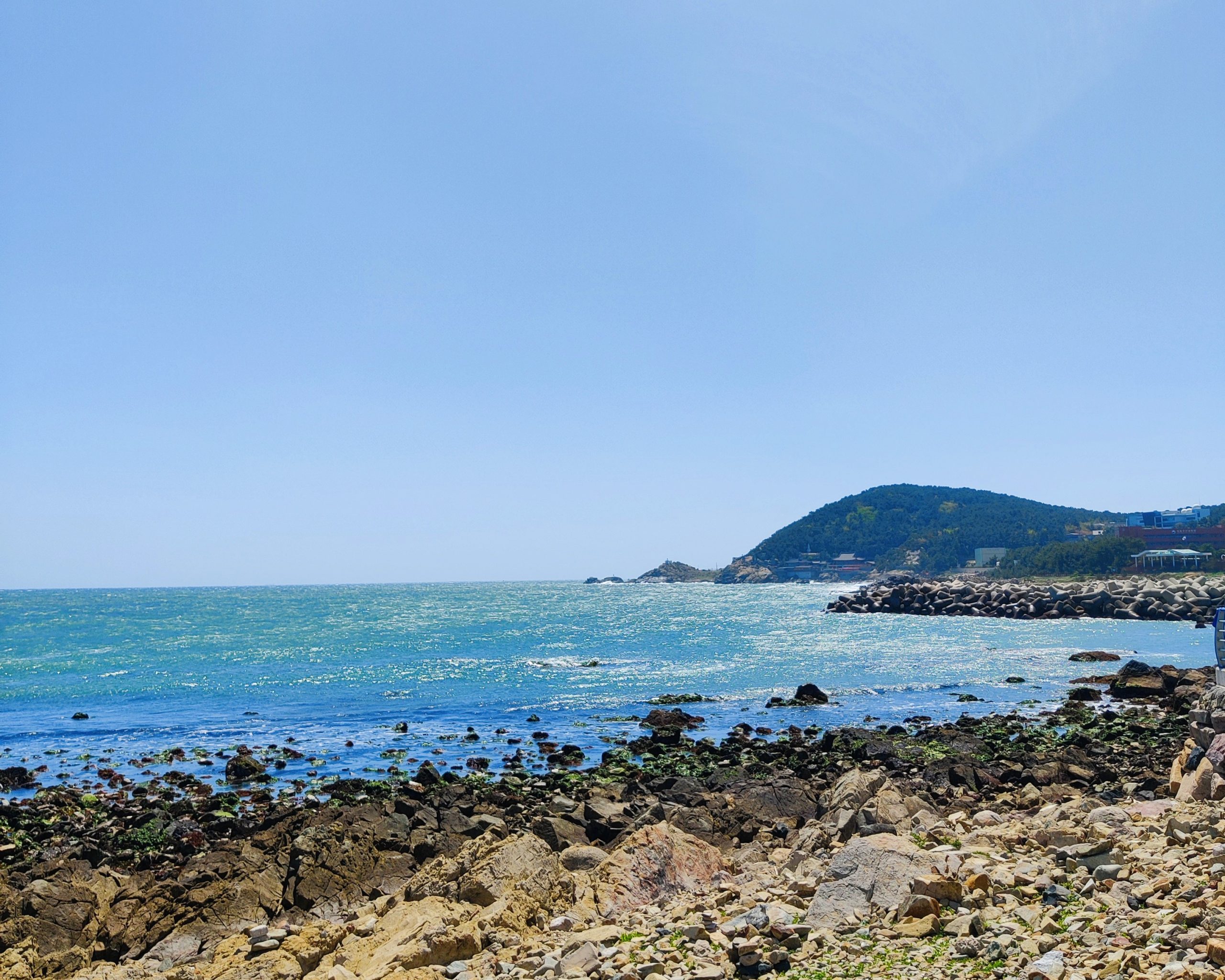
3 Days In Busan: The Ideal Itinerary For Discovering This Beautiful Coastal City
Whether this is your first time in South Korea or you simply haven’t had the chance to visit Busan yet, let me suggest a 3-day itinerary to discover the country’s second-largest city!
And even if I’d recommend spending much more than 3 days there, this is also the right amount of time to explore the city or at least to get a first glimpse of it and leave you wanting to come back!
Ready to breathe in the salty sea air and enjoy breathtaking coastal views? Keep scrolling!
This post contains affiliate links. Whenever you buy something through one of these, I get a small commission, without any extra cost to you. Thank you!
🎯 Short on time? Skip straight to my recommendations!
🗺️ Tours:
🚃 Busan Highlight Tour
🌊 History & Iconic Landmarks
⛵ Yacht Tour
♨️ Spa Land
🛌 Budget-friendly accommodations:
Nampo (best for food and quiet): Elephant Hostel Nampo
Busanjin-gu (best for shopping and entertainment): Dynamic Guesthouse
Haeundae (best for the beach vibes): MAMA Guesthouse Haeundae
Gwangalli (best for the relaxing atmosphere & night views): Gwanganli Hotel 1
Save it for later!
Best time to visit South Korea
As you probably already know, I’m not a big believer of the “best time to visit”, so instead I’ll give you an overview of what you can expect during each season.
Spring: the season of renewal, filled with the fagrances of plants and flowers blooming, particularly famous for its ephemeral cherry blossoms. But be warned: this season is quite popular, especially from late March to early April, so you may want to book your accommodations several weeks, or even months, in advance.
Temperatures are still a bit chilly in early spring, so remember to pack a jacket and some layered clothing.
Summer: often associated with the monsoon, but that’s not necessarily the case throughout the entire summer, and you can also be lucky and avoid heavy rain depending on the year or where you’re staying.
Your best bet to avoid rainy days is to visit in June or between late August and September. Summer is also often less crowded, since not everyone wants to risk spending their vacation in the rain.
And while this period is known for its humidity, scorching temperatures, and rain, it’s also typhoon season, particularly around Jeju Island, Sockho, and the Gyeongsangnam-do, where Busan is located.
Even though typhoons don’t usually last very long, they can also be violent and devastating; it really depends on your luck, since they can last well into September!
Autumn: undoubtedly one of the best seasons for outdoor activities thanks to its pleasant temperatures and vibrant fall foliage.
The country isn’t too crowded, especially if you go outside the big cities to enjoy the mountains and lesser-known hiking trails.
Winter: the season is pretty magical in South Korea, with all the illuminations, the Christmas spirit and fun winter activities. But the season is no joke, as it gets quite cold, even more so in the North, where temperatures easily drop below -10C°, which can spoil your sightseeing.
But, it can be the occasion to visit all the beautiful cafés in Korea, and warm up your numb fingers before heading out to explore again.
You’ll need to stock up on hot packs though and don’t forget your thermal clothing if you don’t want to end up looking like a snowman.
Visa
You probably won’t need a visa thanks to the visa waiver agreements South Korea has with over 100 countries. You can also enter the country for up to 180 days, depending on your nationality.
You may, however, need to apply for a K-ETA (electronic travel authorization) before departure (~$7).
For your information: South Korea has extended its K-ETA temporary exemption to eligible countries (until 12/31/2026), for which you’ll only need to fill out an arrival card (free) 72 hours before arriving in the country.
Language
Korean is the official language of the country. English is not widely spoken, but you can get by with basic English and the use of a translator app such as Papago. Don’t forget to learn a few local words, which is always appreciated by the locals.
Money
The official currency of South Korea is the South Korean Won (₩/KRW).
Phone
Don’t forget to buy a SIM/eSIM card! Wi-Fi is available in many places, almost everywhere, almost as you won’t always find it in remote places, or in the mountains; so it’s best to be prepared and take advantage of the country’s extensive mobile network.
My tip: KT or SK Telecom are two solid options. I always choose KT, as I’ve never had any issues with them and the coverage was excellent, even in the countryside and other remote places I’ve traveled to.
You can also use Airalo or one of these companies’ eSIM, or buy your physical SIM card directly at the airport if your phone isn’t compatible with eSIM or if you simply prefer a physical option!
Transportation
South Korea isn’t a very large country, so it’s fairly easy to get from one place to another thanks to its efficient and relatively cheap transportation system.
You can travel across the country, from example, from Seoul to Busan in 5 hours by bus or just over 2 hours by train.
But to fully take advantage of any city’s transportation network, you should first buy a Tmoney card, which can actually be used for pretty much everything: from paying for your daily commutes, to buying snacks at the convenience stores. You can also download the KOREA TOUR CARD app to have it on your phone, but since the reviews are pretty mixed, I personally think the physical card is still the best option.
Busan 3-Day Itinerary
I’ve actually broken this itinerary down into three distinct options: namely, if you’re a history buff and want to learn more about the city and Korean culture in general, or if you’d rather spend these 3 days in Busan in nature to discover what this coastal city has to offer in terms of lush forests and hiking or walking trails, and finally, if you’d prefer a mix, and are looking for the best of both worlds.
History and Culture
Day 1: Busan’s famous landmarks
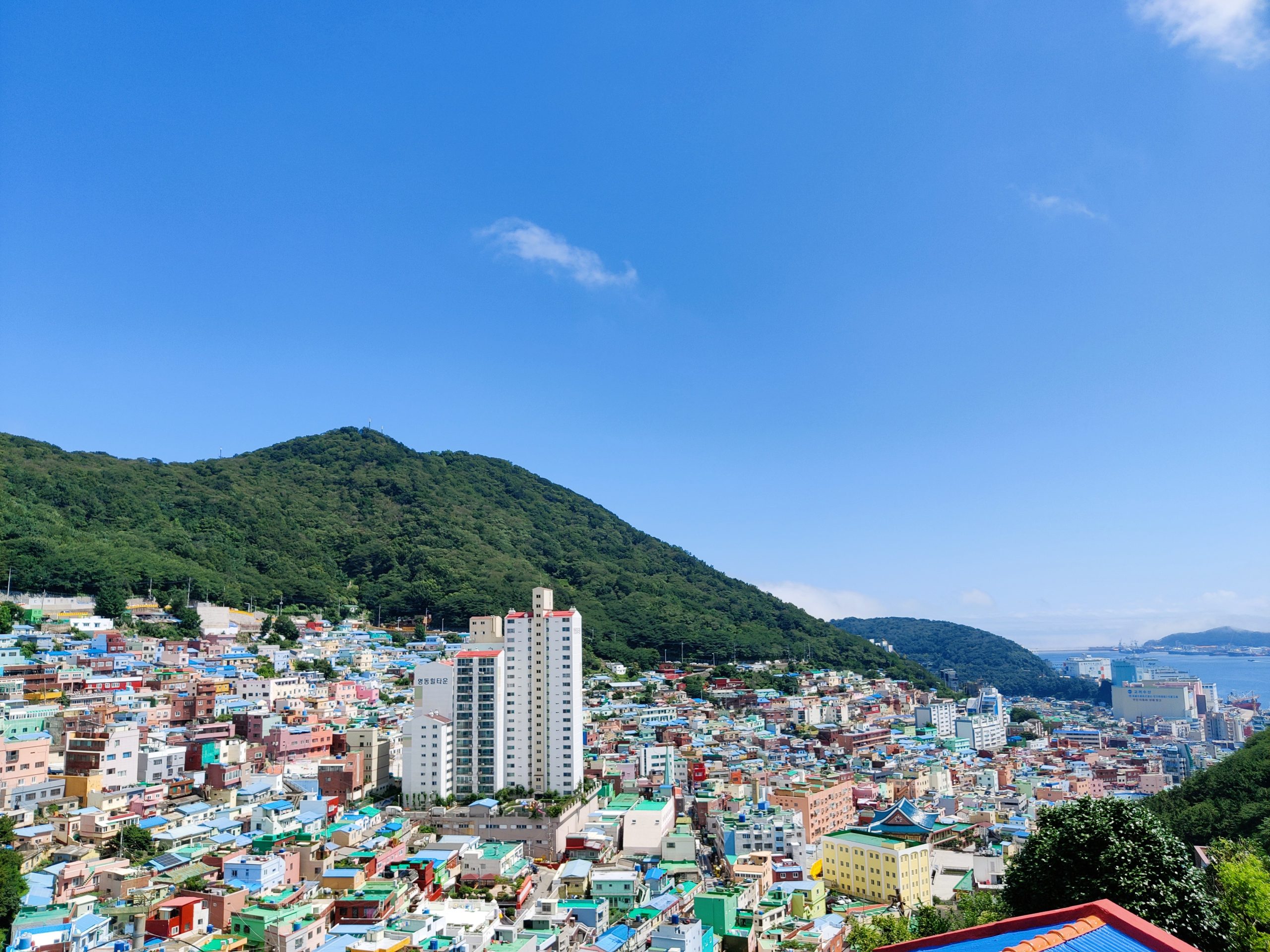
If you’ve already done a little research on Busan, you’ve probably come across pictures of the famous rainbow village and its Little Prince.
So, after a well deserved rest and a hearty breakfast, head to the popular Gamcheon Culture Village to lose yourself among a myriad of rainbow-colored houses, as well as numerous hidden artworks, lovely cafés, and souvenir shops.
Once you’ve had your fill of wandering through the narrow alleys and exploring every nook and cranny of the village, head to Yao to enjoy a delicious cup of tea in a picturesque setting.
⁎ Pro tip: for the best views of the village, head to Haneul Maru Observatory (감천문화마을하늘마루전망대).
History and Nostalgia in Bosu-dong Bookstore Alley
Let’s head back into town to explore a quaint alley brimming with treasures and classics: Bosu-dong Bookstore Alley.
A cultural and historic street in Busan, the street is one of the city’s iconic symbols, having helped many people during the Korean War, serving as a meeting place for family reunions, or as an invaluable support to students.
In an age when people tend to look at their phones more than their books, it was nice, if only for a moment, to step back in time and explore this rustic, cultural street.
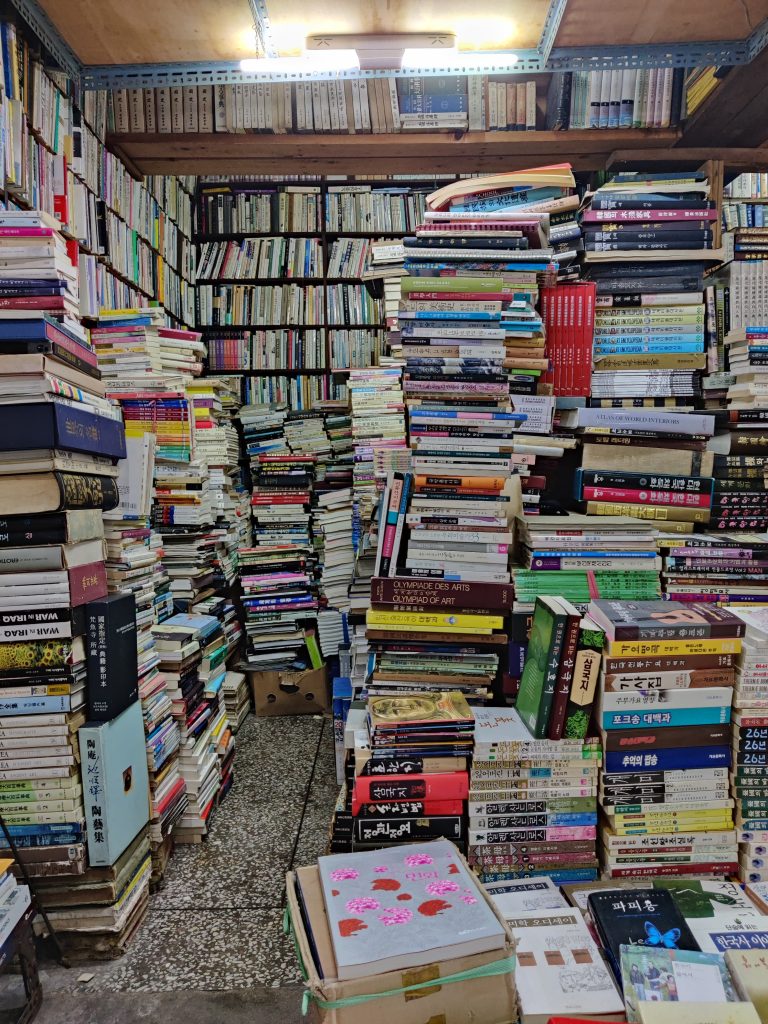
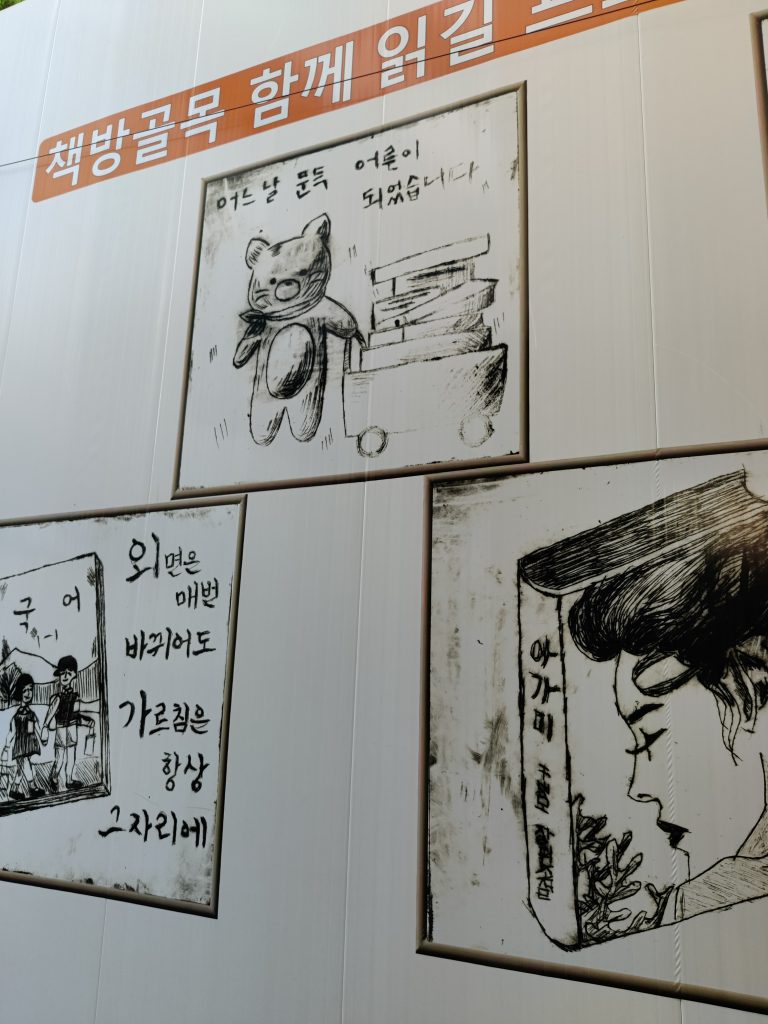
Whether you’re a bookworm or not, the alley’s history and unique character make it a must-see stop before heading to the place that will delight not only your stomach but pretty much all your senses.
↪ See also: you can’t visit Busan without tasting its local delicacies, so here are 20 must-try restaurants in the city!
Food culture at Gukje Market
If you ever find yourself in the bustling and dynamic Nampo district of Busan, you simply can’t walk past Gukje Market without stopping. A paradise for your taste buds, but that’s not all, as the market is also a veritable treasure trove from daily necessities, clothes, to lighting fixtures..
And what better way to immerse yourself in a culture than by sampling its local cuisine and street food? Try the delicious tteokbokki at Leegane Tteokbokki, bindaetteok, bibim dangmyeon next door, as well as other delicacies offered by the many food stalls on site.
Note: some establishments are closed on certain days, usually Mondays, so check your map beforehand (even if they’re aren’t always up to date) or just take your chances.
The Diamond of Busan and the Night Views
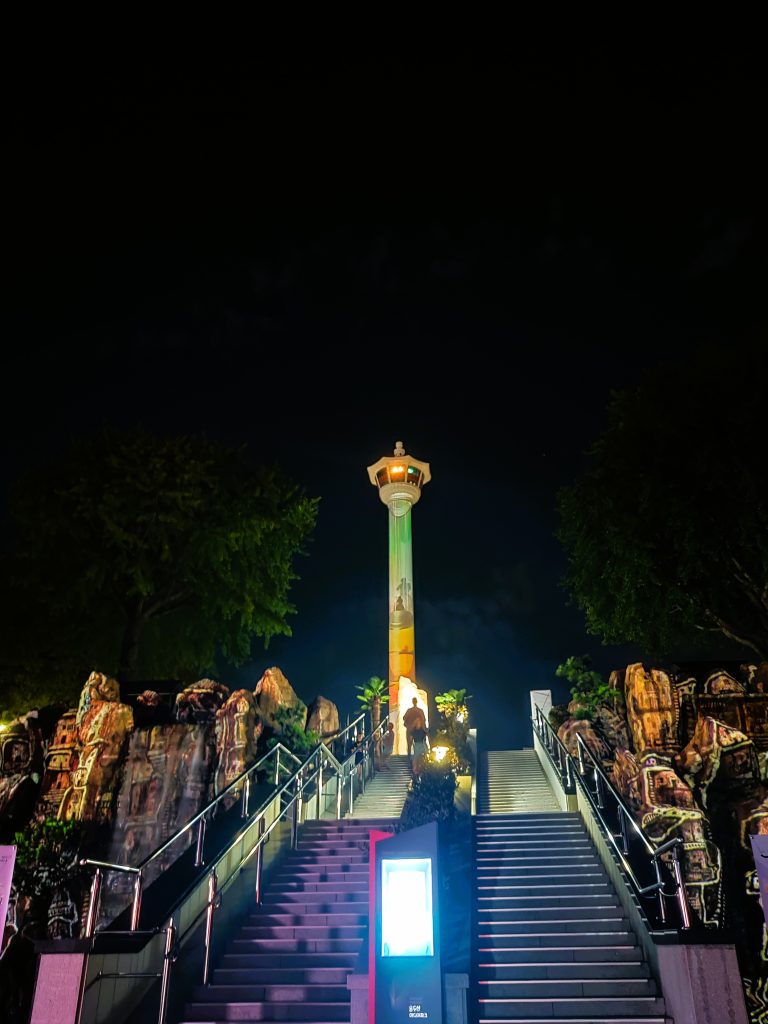
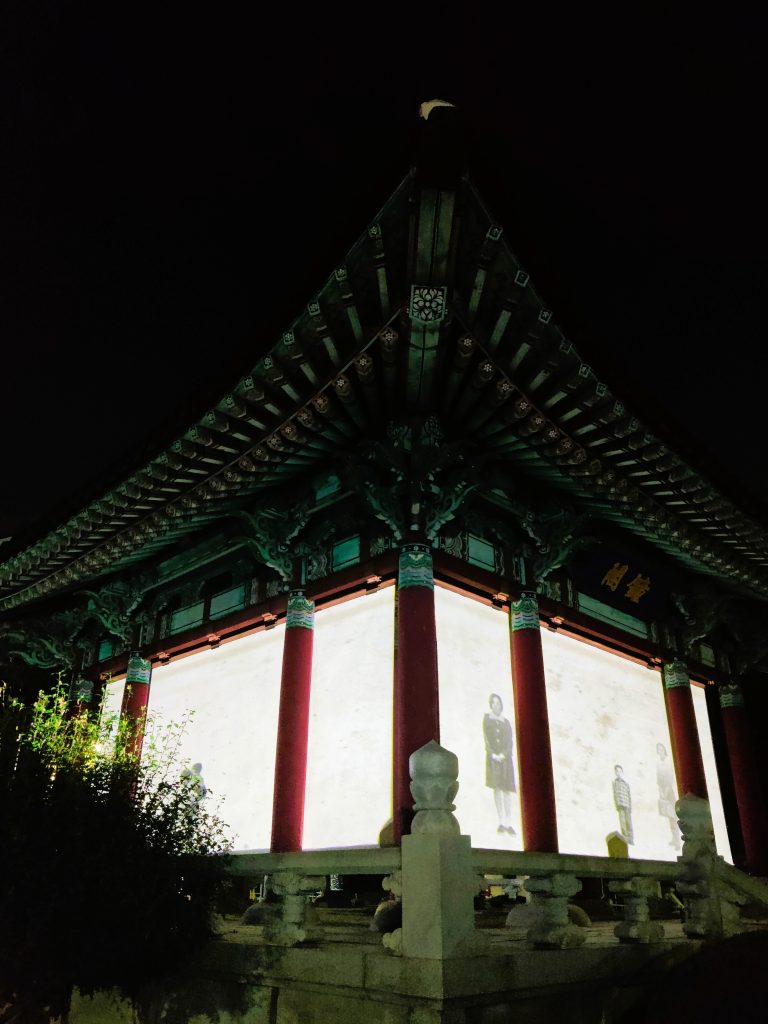
To end the day on a high note, head up to Yongdusan Park via the colorful and somewhat magical escalators, and admire another of Busan’s iconic landmarks: the Diamond Tower.
Beautiful by day and arguably even more so at night when it’s lit up, the Busan Tower is a bit like a lighthouse in the night, beckoning you to discover this city that’s both lively and laid-back.
Day 2: Museum and Iconic Temple
Located in the beautiful Nam-gu district, making it easily accessible to all history enthusiasts, Busan Museum will guide you through the city’s history and its central role in the country’s post-war reconstruction. You’ll also have the chance to see historical documents and artifacts, try on traditional clothings, and much more.
Take the time to browse the various exhibits and learn more about a country that certainly interests you, since you’re visiting, and discover that this country is about more than just K-pop or K-drama (even though I’m the first one to binge-watch these series, of course).
Note: Busan Museum, as is often the case with museums in South Korea, is completely free.
A Serene walk through Peace Park
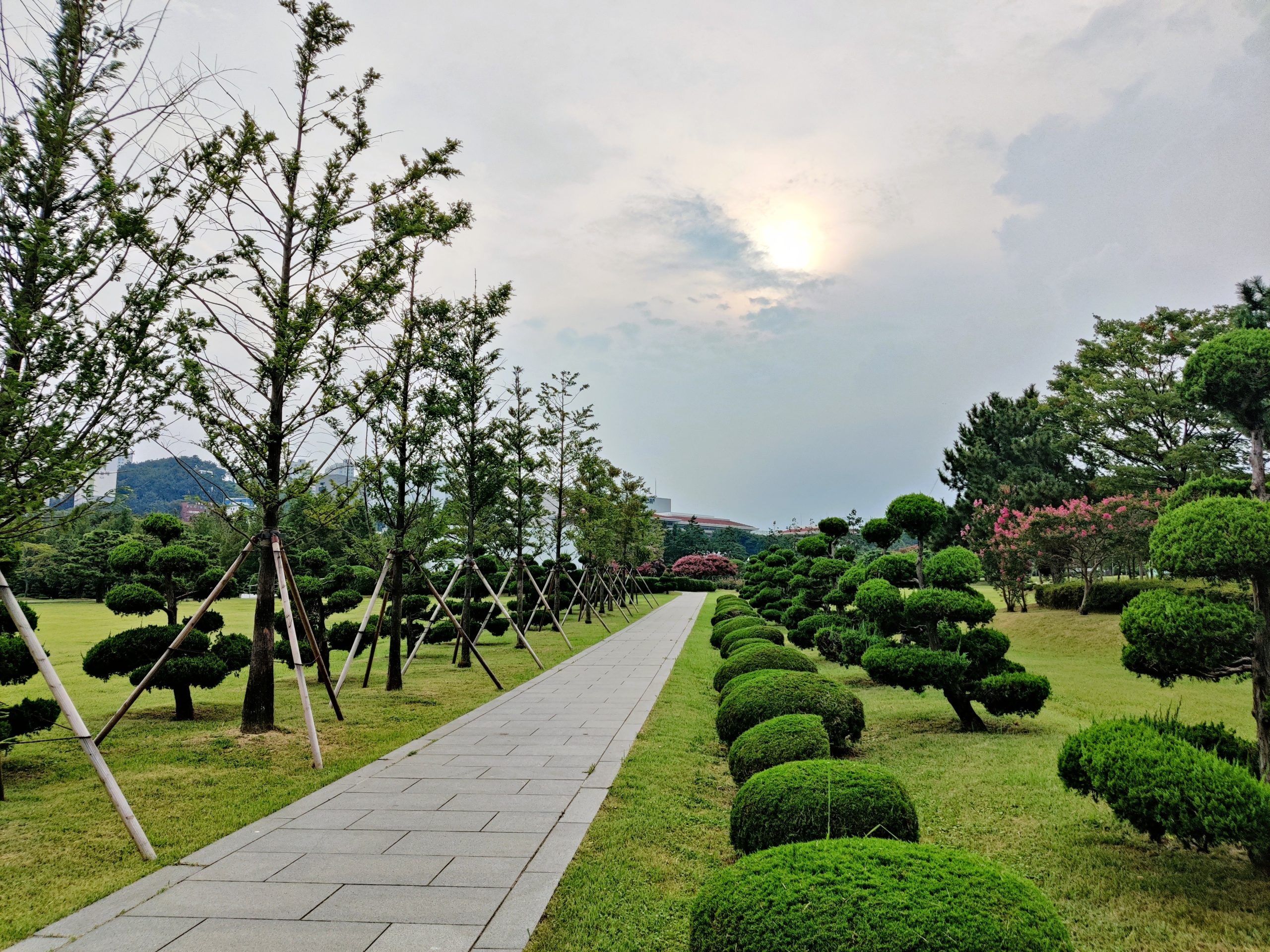
No need to go far here, since the park is literally located next to the museum. Created in 2005 for the APEC Summit, as it was held in Busan, Peace Park is a placed filled with history, culture, but also the ideal space to relax while being surrounded by hundreds of lush tress, flowers, and a peaceful pond.
It’s also the perfect place for clearing your head after taking in so much new and interesting information at the museum.
Samgwangsa Temple
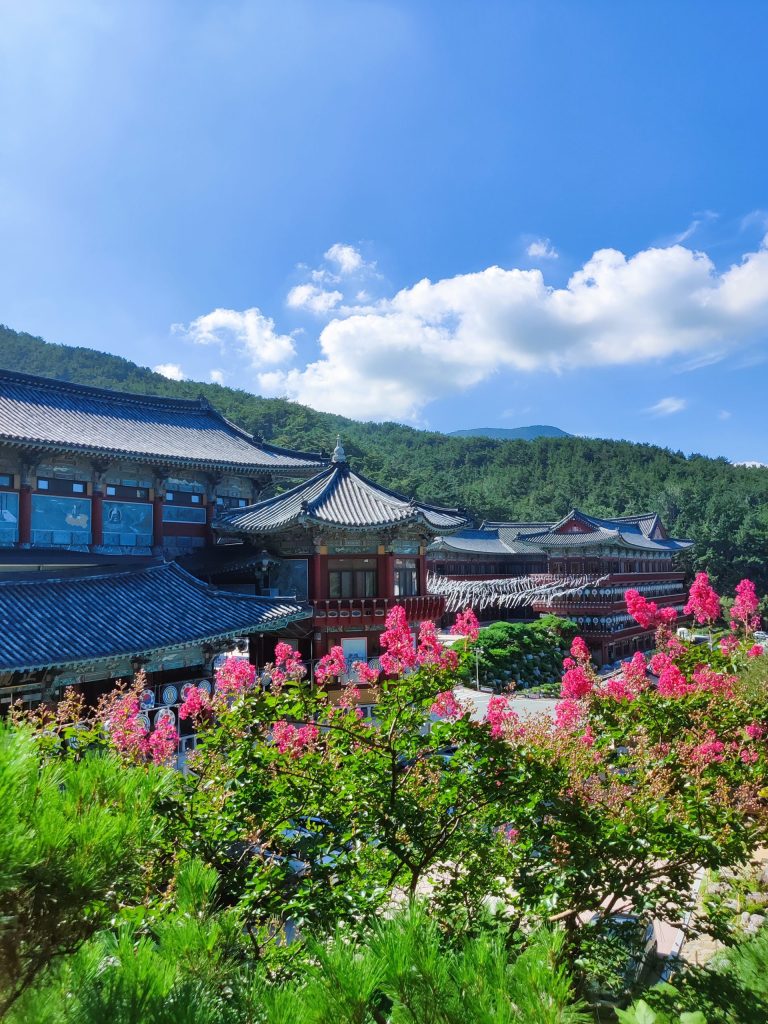
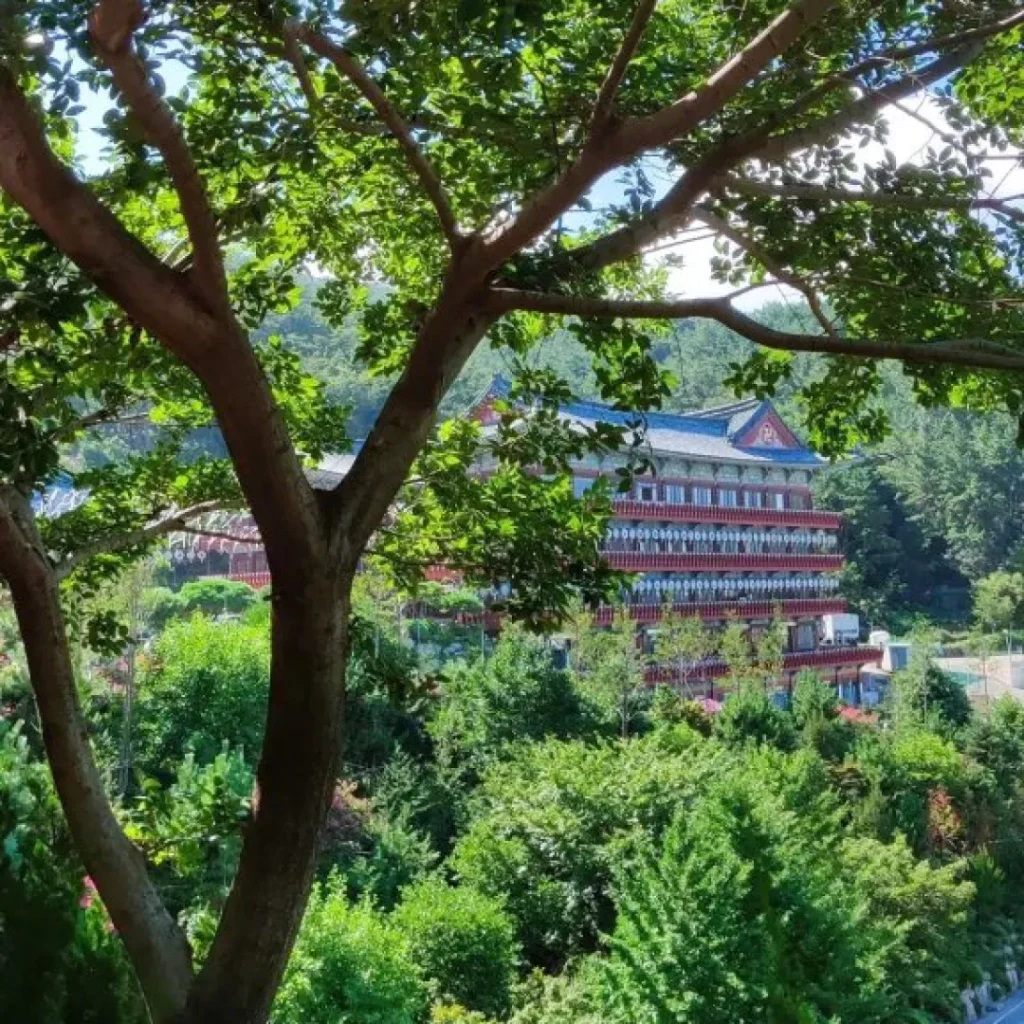
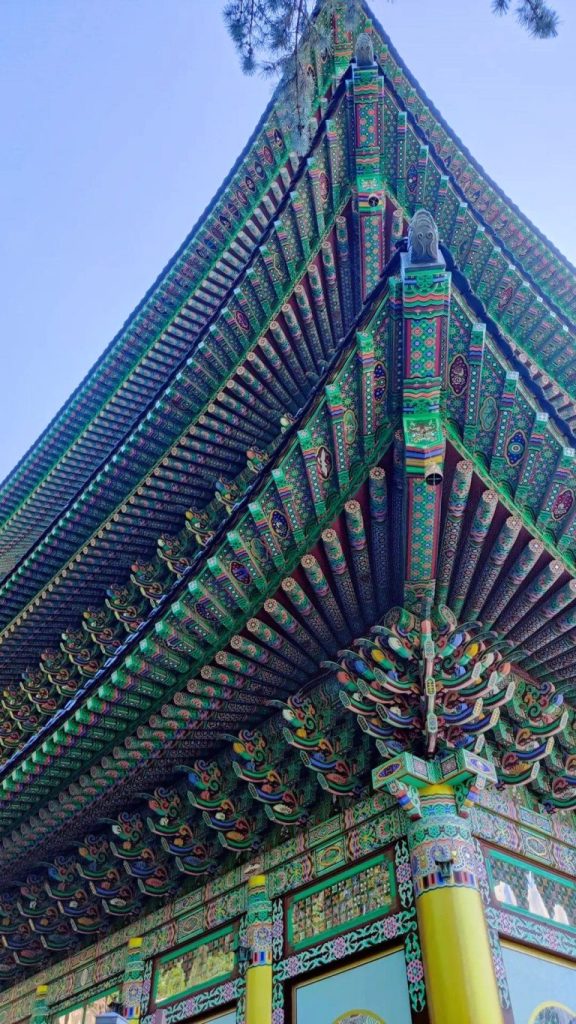
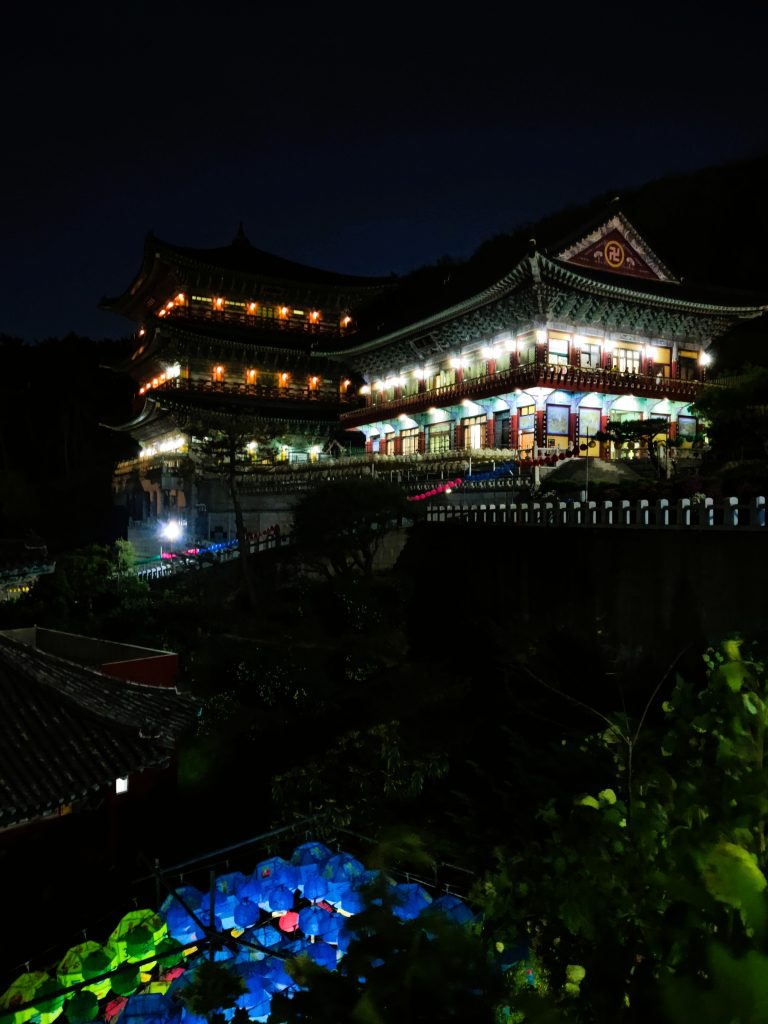
3 days in Busan wouldn’t be perfect, at least in my humble opinion, without a visit to one of the most beautiful temples in the city: Samgwangsa.
This temple, which features all the characteristics of a traditional temple: curved roofs, wooden buildings, dancheong… is also surrounded by a uniquely serene atmosphere and offers panoramic views of the city.
But what makes this temple even more famous is probably the Lotus Lantern Festival, held every May to celebrate Buddha’s birthday, where hundreds of illuminated lanterns adorn this already magnificent temple.
↪ See also: check out my guide to Samgwangsa Temple!
Night in Seomyeon
It doesn’t matter if you’re a partygoer or not, exploring Seomyeon, or one of the most hectic areas in Busan, is the place to be if you’re unsure what to do with your day or if the rain has ruined your plans.
Fear not: Seomyeon is the answer to all your troubles and promises a variety of shopping experiences, cool activities, café hopping, plenty of good dining options, and fun nights out.
Seomyeon is lively day and night, so you’re sure to find something to do or see in this unique part of the city.
Day 3: Art & Relaxation
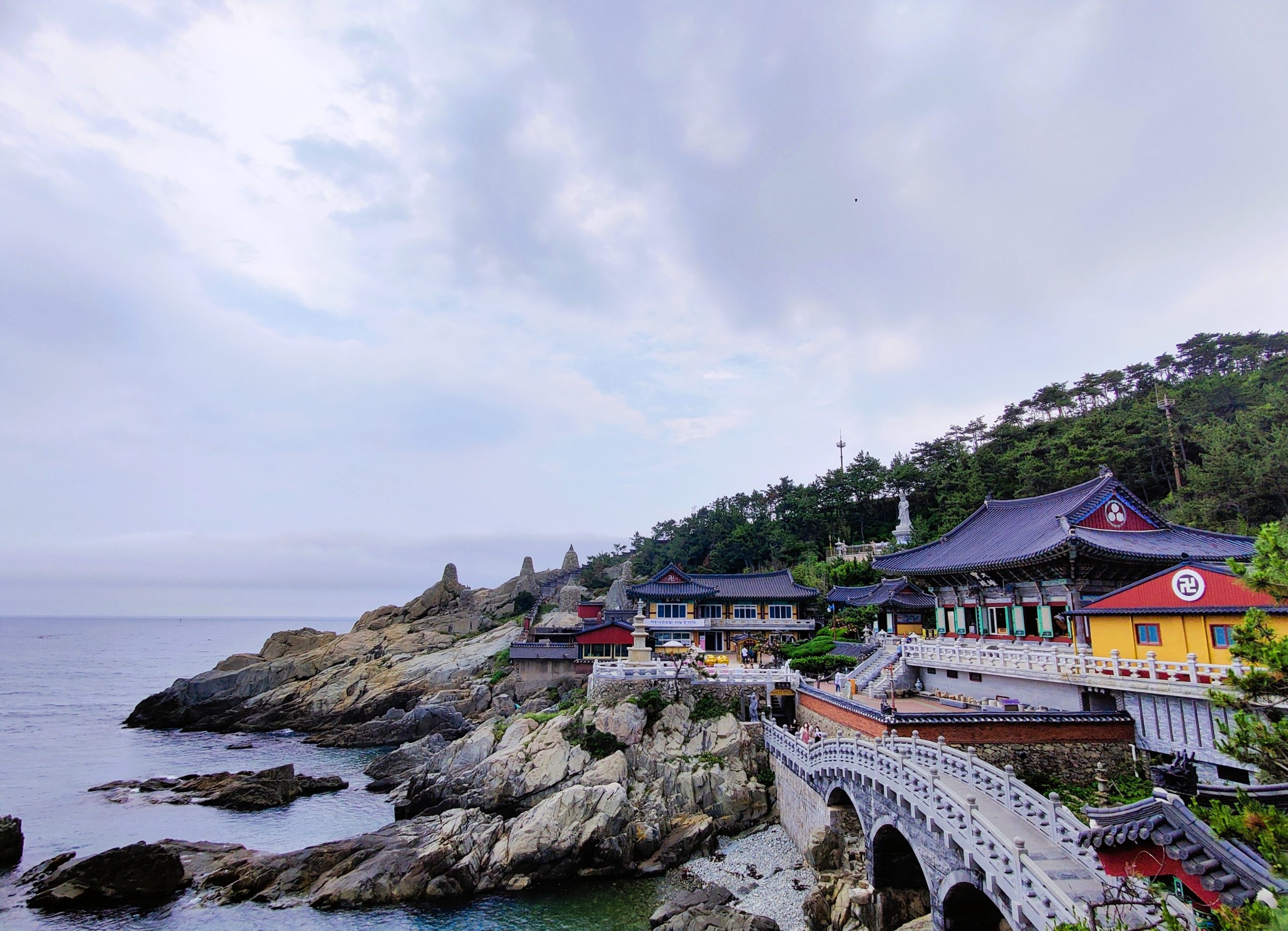
For your last day in Busan, direction Haeundae and a visit to the famous temple by the sea, Haedong Yonggungsa.
Marvel at the breathtaking scenery surrounding the temple, walk among the 12 zodiac animal statues at the entrance while snapping a selfie with the one that matches your sign, and try to make your wish come true at this unique temple.
↪ See also: my 8 favorite temples in Busan!
Blueline Park and The Local Market
When you’re done marveling at the intricate details of the temple or listening to the sound of waves crashing against the rocks below, it’s time to head to the Blueline Park for a quiet and enchanting stroll through nature, with cute sky capsules gliding overhead.
Hop aboard one of them or the Beach Train for an even more scenic and memorable moment, but remember to book your ride in advance for peace of mind.
The Blueline Park is also the ideal place to get away from the hustle and bustle of the city, feel a little adrenaline rush while walking on a transparent glass floor overlooking the sea, or grab a cup of coffee and a pastry with a view like no other.
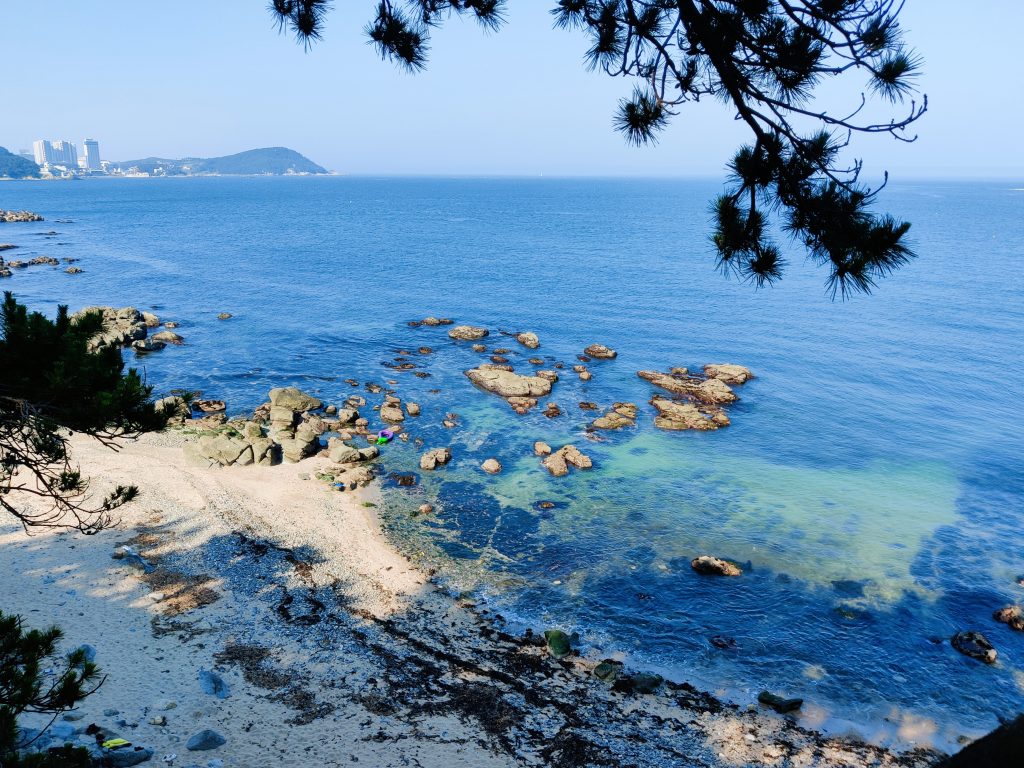
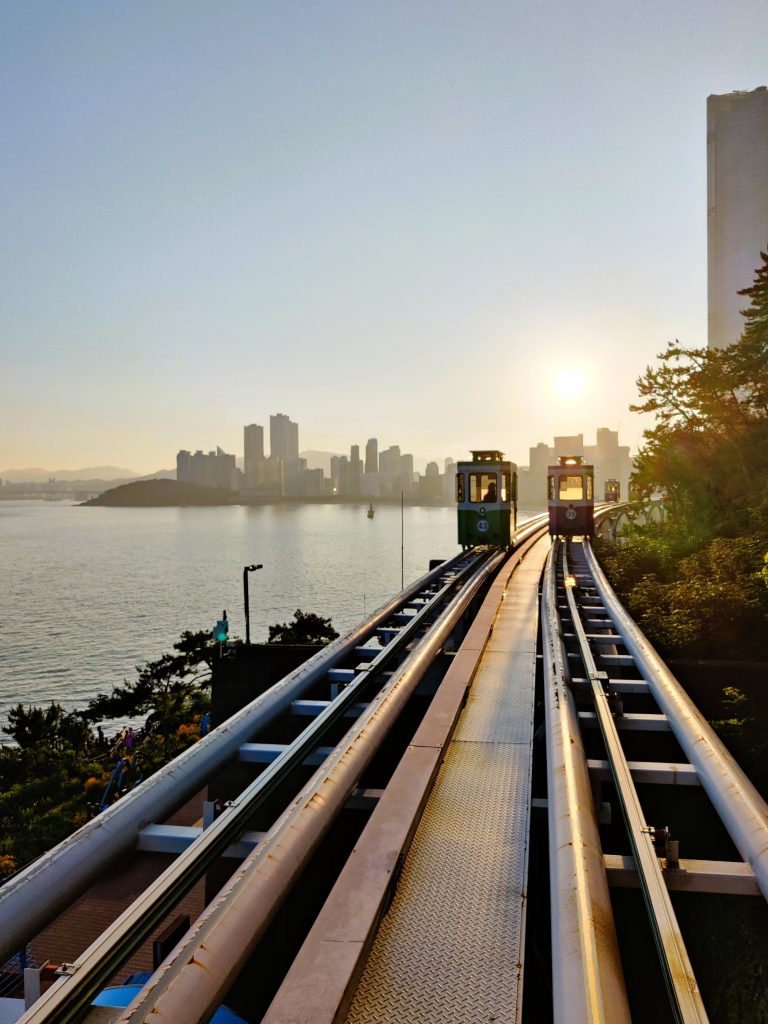
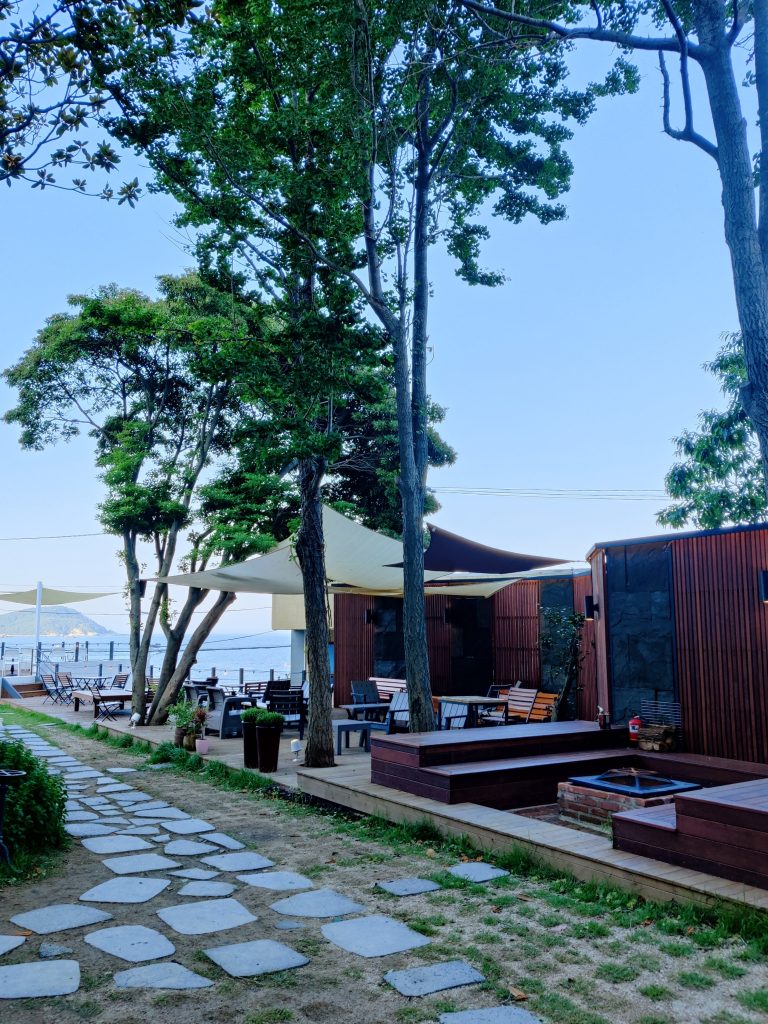
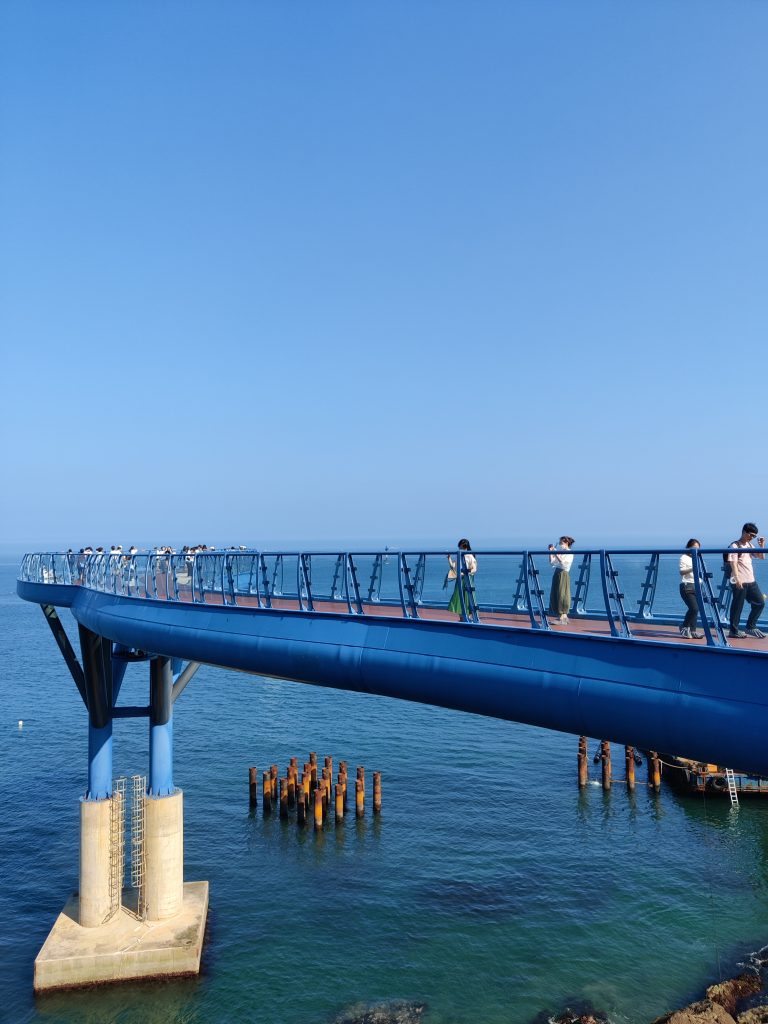
And after walking so much, chances are you’ll have worked up an appetite. My best advice: go to Haeundae Market to enjoy your favorite street food before calming your mind and sparking your creativity at the next location.
Busan Museum of Art
Need of a break after all that exploring and want to see some quirky, beautiful, and unique artworks? Head to Busan Museum of Art for an afternoon filled with art, creativity, and experiences.
Sunset on the Island
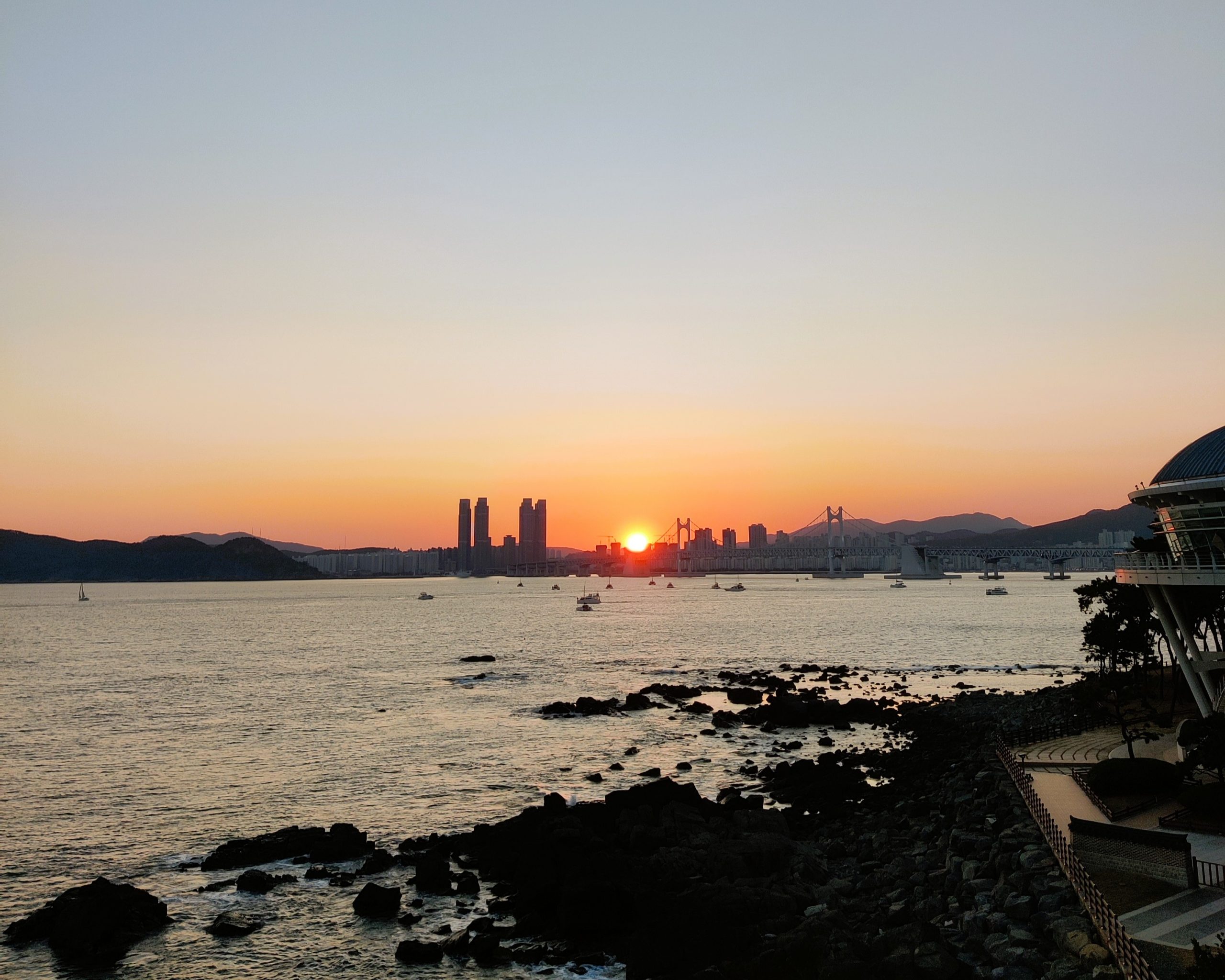
Want to admire the last rays of the day? Well, since you’re already in the area, there’s no better place than Dongbaekseom Island if you’d like to watch a colorful and magical sunset in Busan.
Tour the island, (which won’t take hours, I promise, since it’s fairly small), and settle down next to Nurimaru APEC House to watch the sun slowly disappear into the ocean.
↪ See also: check out my best places to watch the sunset in Busan!
Nature and Beautiful Sites
Day 1: A Tranquil Park and a Breathtaking Temple
Since this itinerary is designed with a little more exercise in mind, let’s start off gently with a tranquil walk through the Children’s Grand Park.
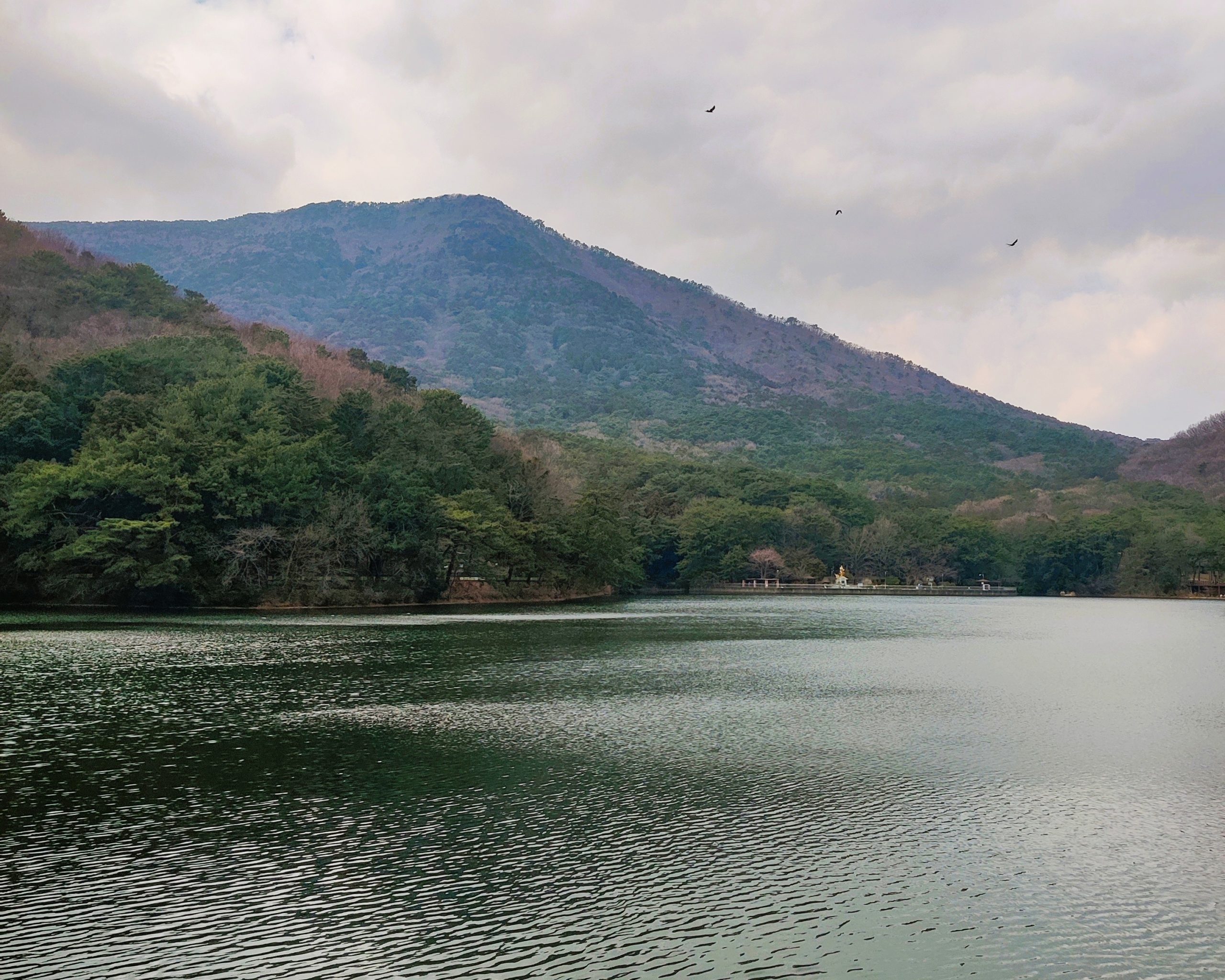
Breathe in the fresh air, contemplate the reflection of the trees and the cute little ducks gliding lazily across the surface of the lake, and let go of any stress you may be feeling in this perfect, peaceful space, one that will make you forget you’re actually in the country’s second-largest city.
Beomeosa Temple and Geumjeongsan
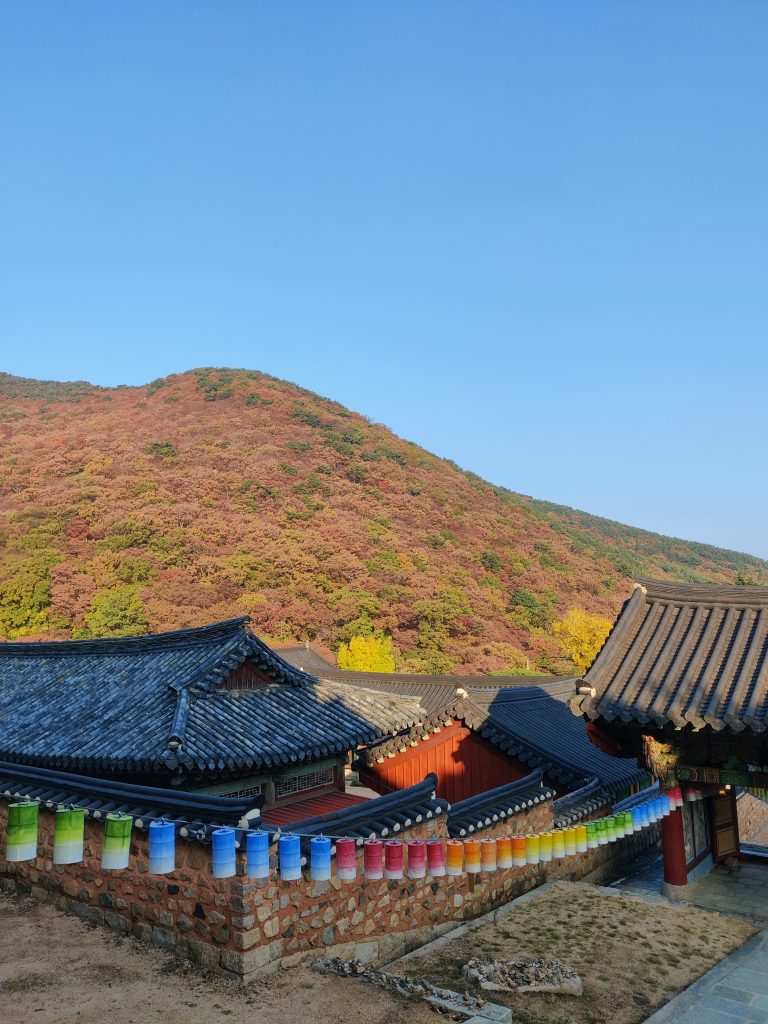
Ready to see a unique 7th-century temple, nestled at the base of a moutain and simply breathtaking?
Welcome to Beomeosa Temple, a place where serene beauty, history, and lush forests await you! While the temple itself is worth the visit thanks to its stunning architecture and national treasures, each season also holds a few surprises.
From the crispy, and vibrant fall foliage in autumn, to the snow covered roofs in winter, the endless greenery in summer, and the various fragrant flowers in spring, Beomeosa is sure to enchant every visitor.
And since the mountain where the temple is nestled is equally beautiful, if you’re into hiking, I highly recommend getting to the top of Geumjeongsan mountain to enjoy jaw-dropping views as well as a historic fortress along the way.
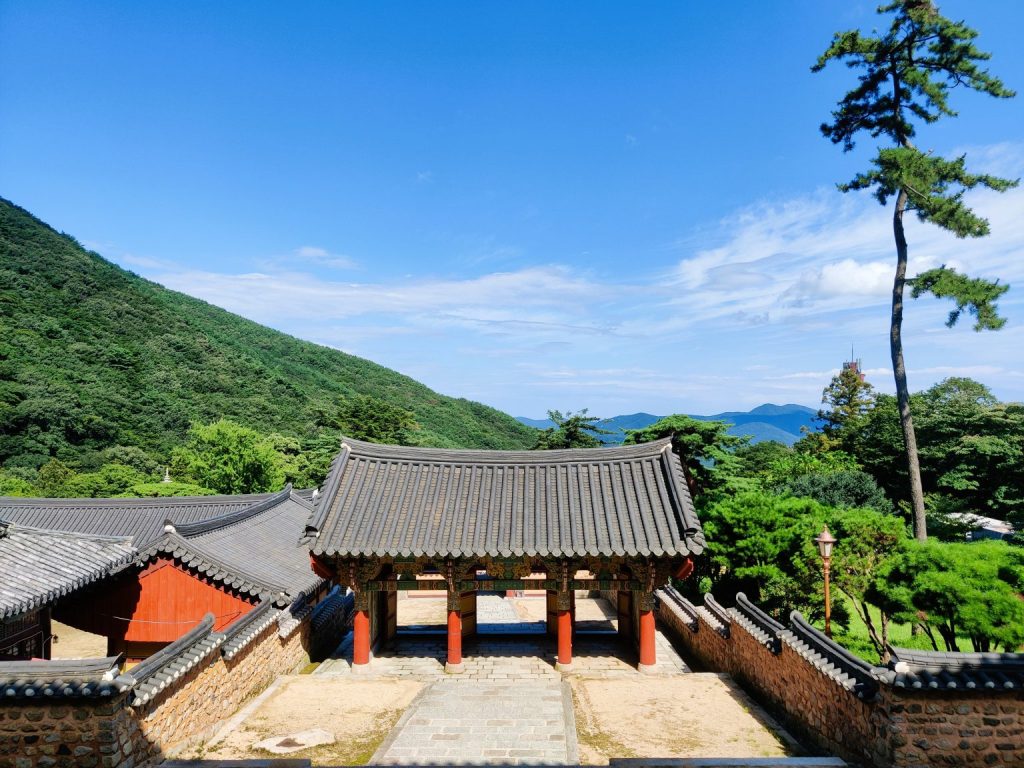
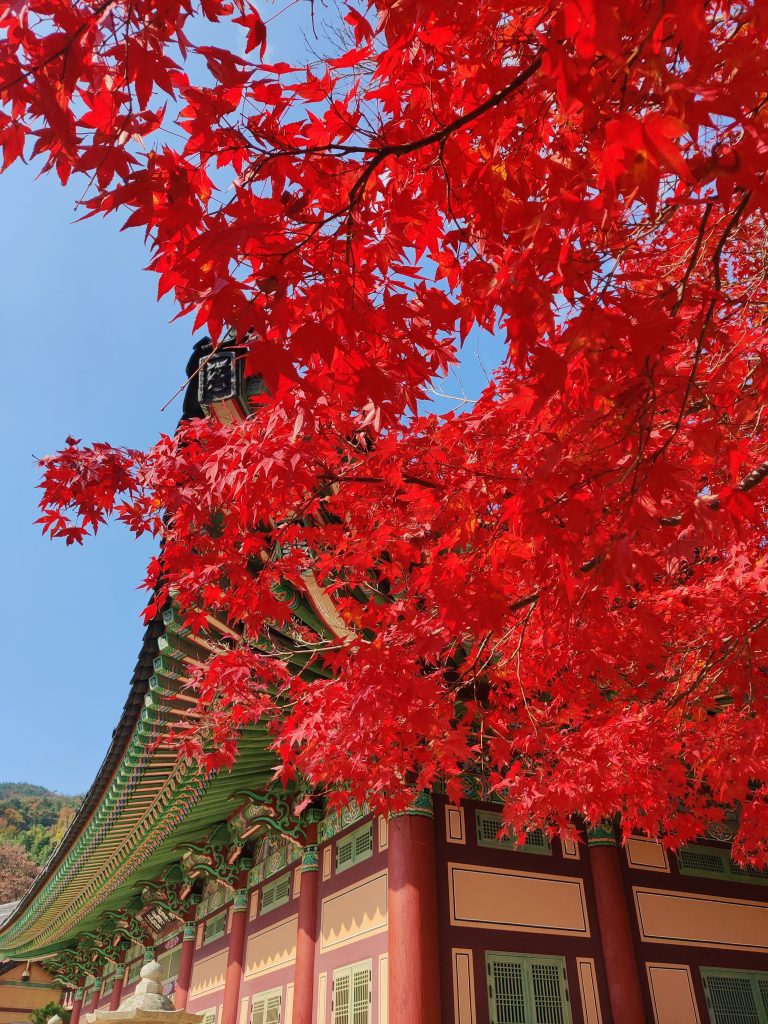
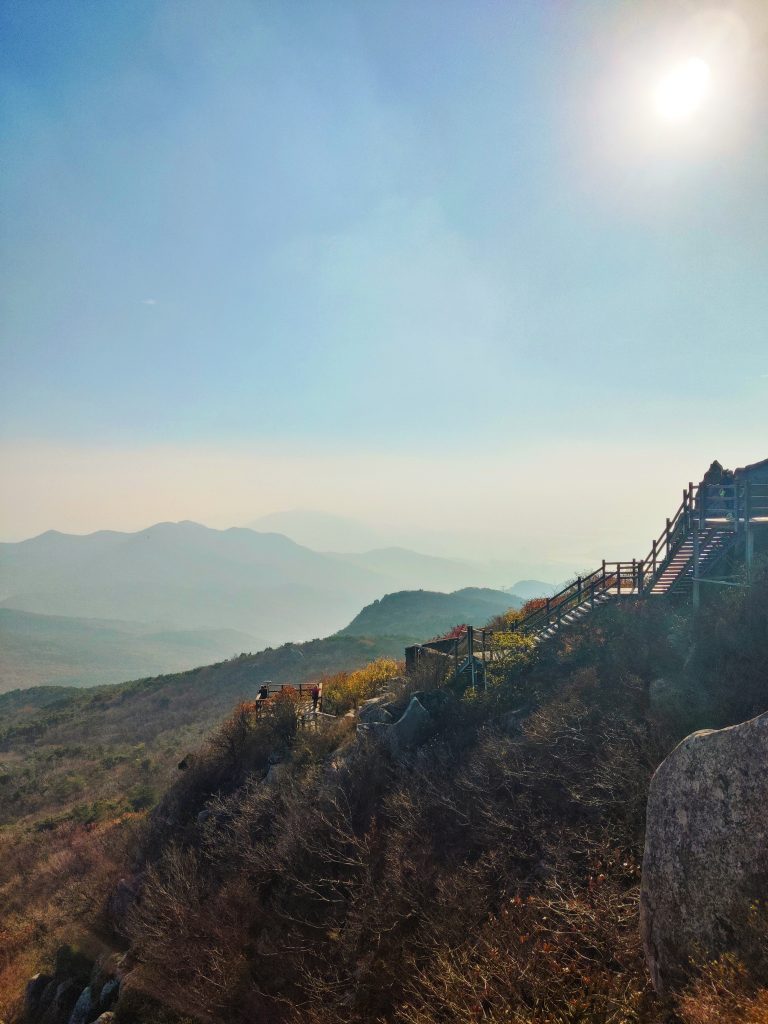
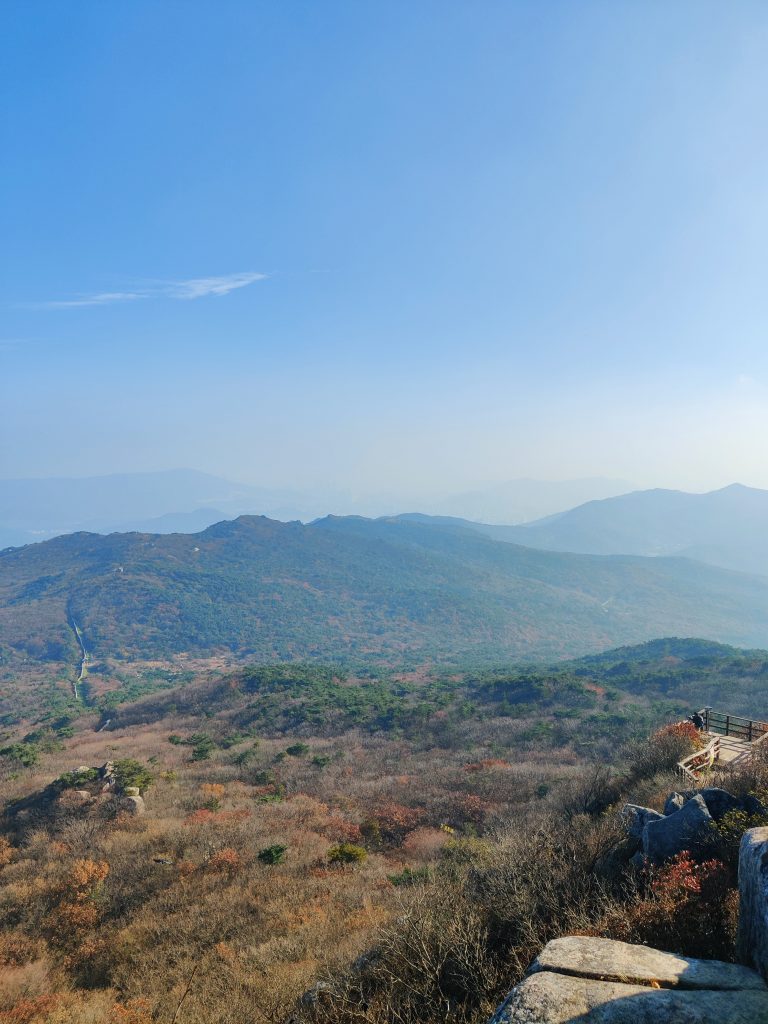
⁎ Pro tip: you can watch the sunset from Godangbong Peak, but try to start your descent before dark, as the path can be quite slippery and isn’t lit.
↪ See also: read my guides to Beomeosa Temple and Geumjeongsan Mountain.
Day 2: Gamcheon Culture Village and Dadaepo
As in the first example of our first 3 days in Busan, let’s include the beautiful and well-known Gamcheon Culture Village again, where you can easily spend your entire morning wandering the labyrinthine alleys in search of hidden artworks and scenic views on the village.
It’s also a nice place to buy souvenirs and admire the village from above at a café like Yao.
Afternoon at Dadaepo Beach
Not often talked about (which is a real shame), make your way to Dadaepo Beach and escape the city for the afternoon while enjoying the invigorating sea air.
Spend your time on a cozy blanket watching the waves rolling in and out, or head to the Morundae Trail, where you can enjoy superb coastal views, rocky cliffs, shaded forest paths, and secluded beaches.
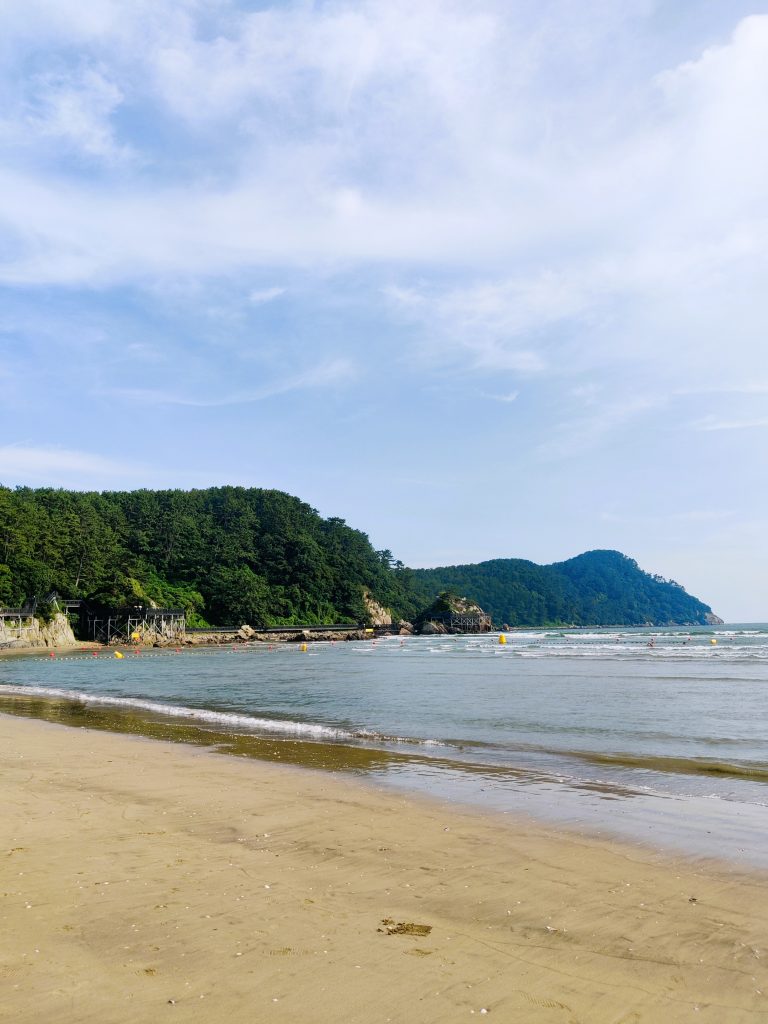
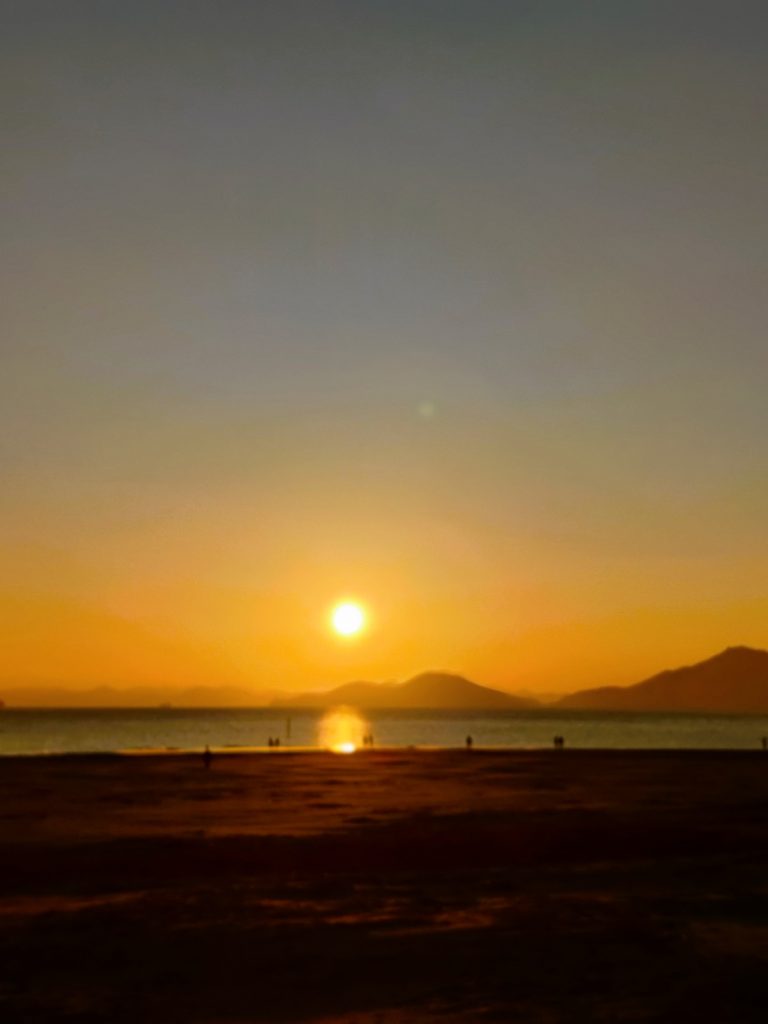
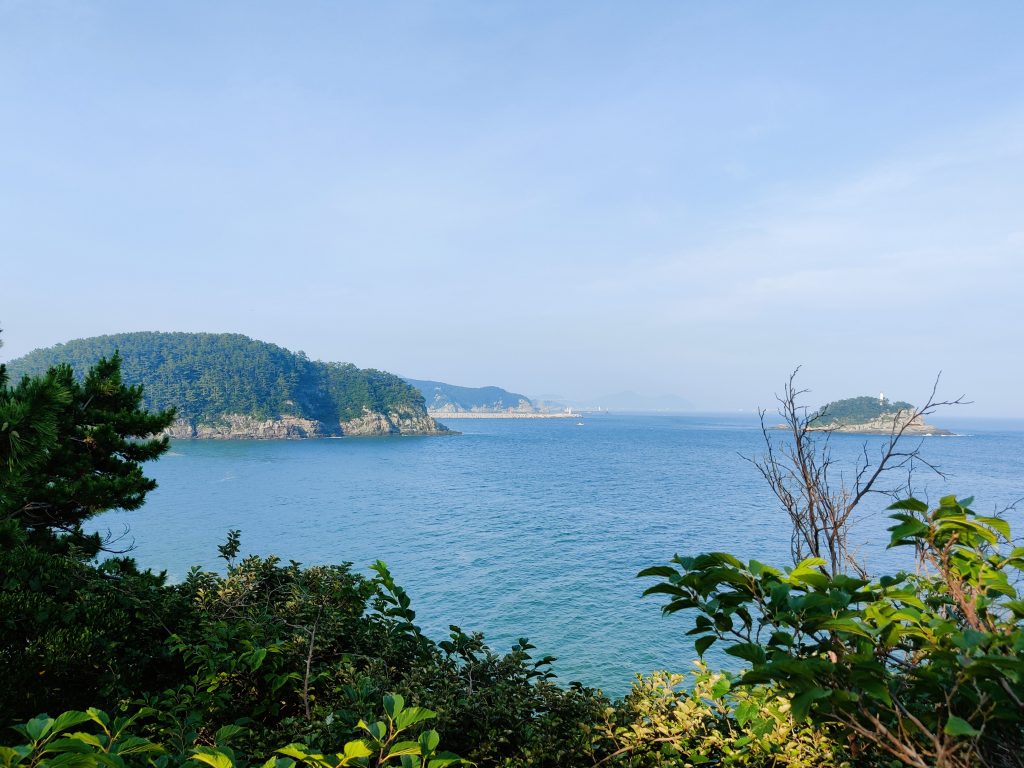
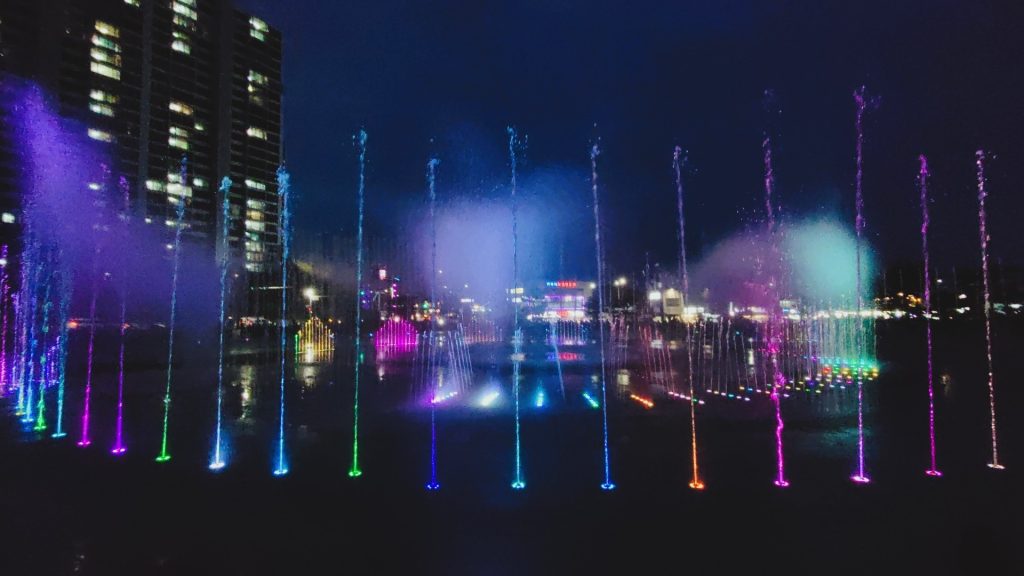
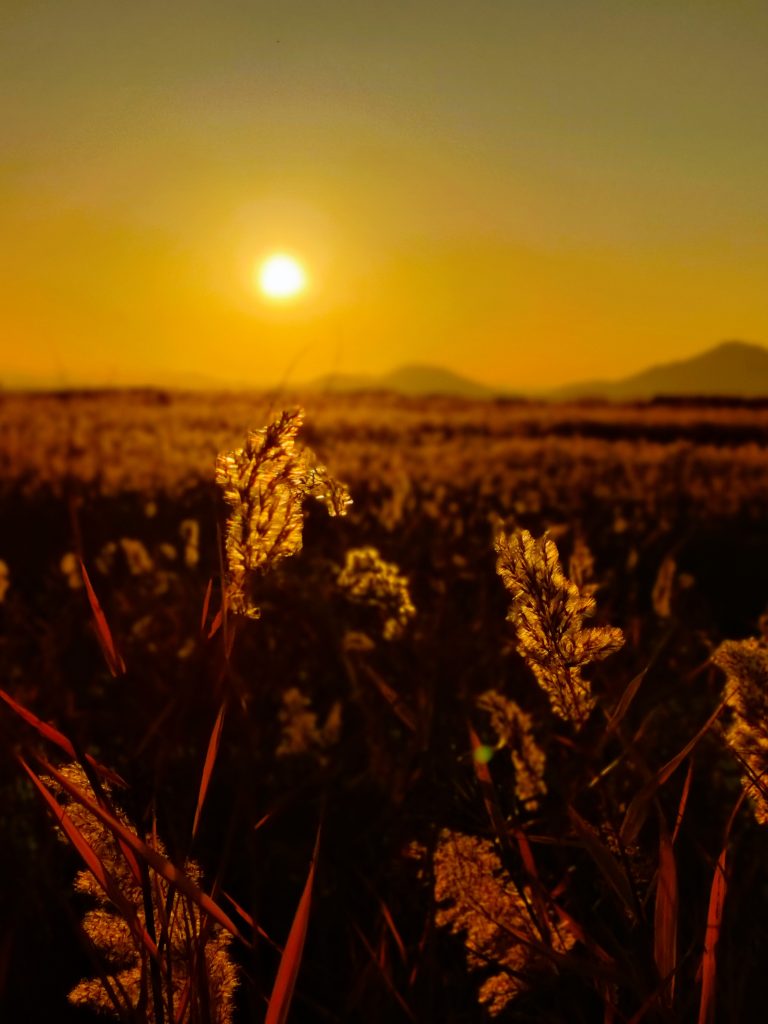
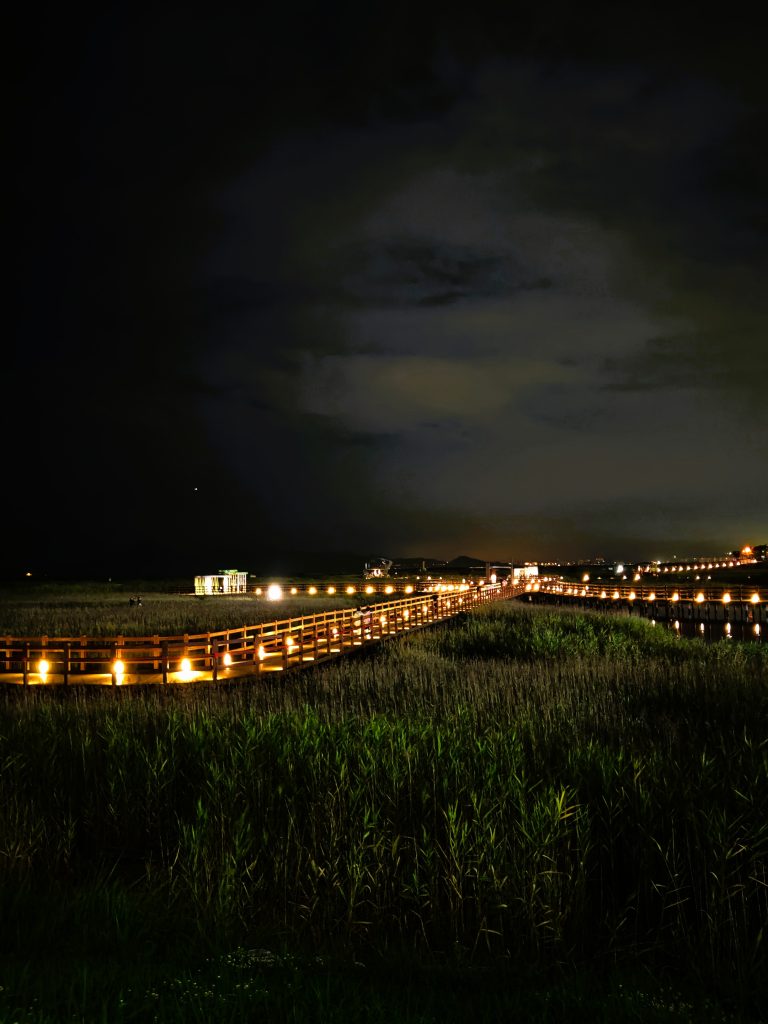
Head back to the beach to admire a glowing, fiery orange sunset before making your way to the Dadaepo Sunset Fountain of Dreams for a colorful, musical water show.
Note: the water show runs from April to September (starting at 7:30 p.m. or 8p.m. and lasts 20 minutes).
Day 3: Coastal Trail and Busan’s Symbol
What better way to start the day than by taking a refreshing walk along one of the city’s most beautiful coastal trails, Igidae Coastal Walk?
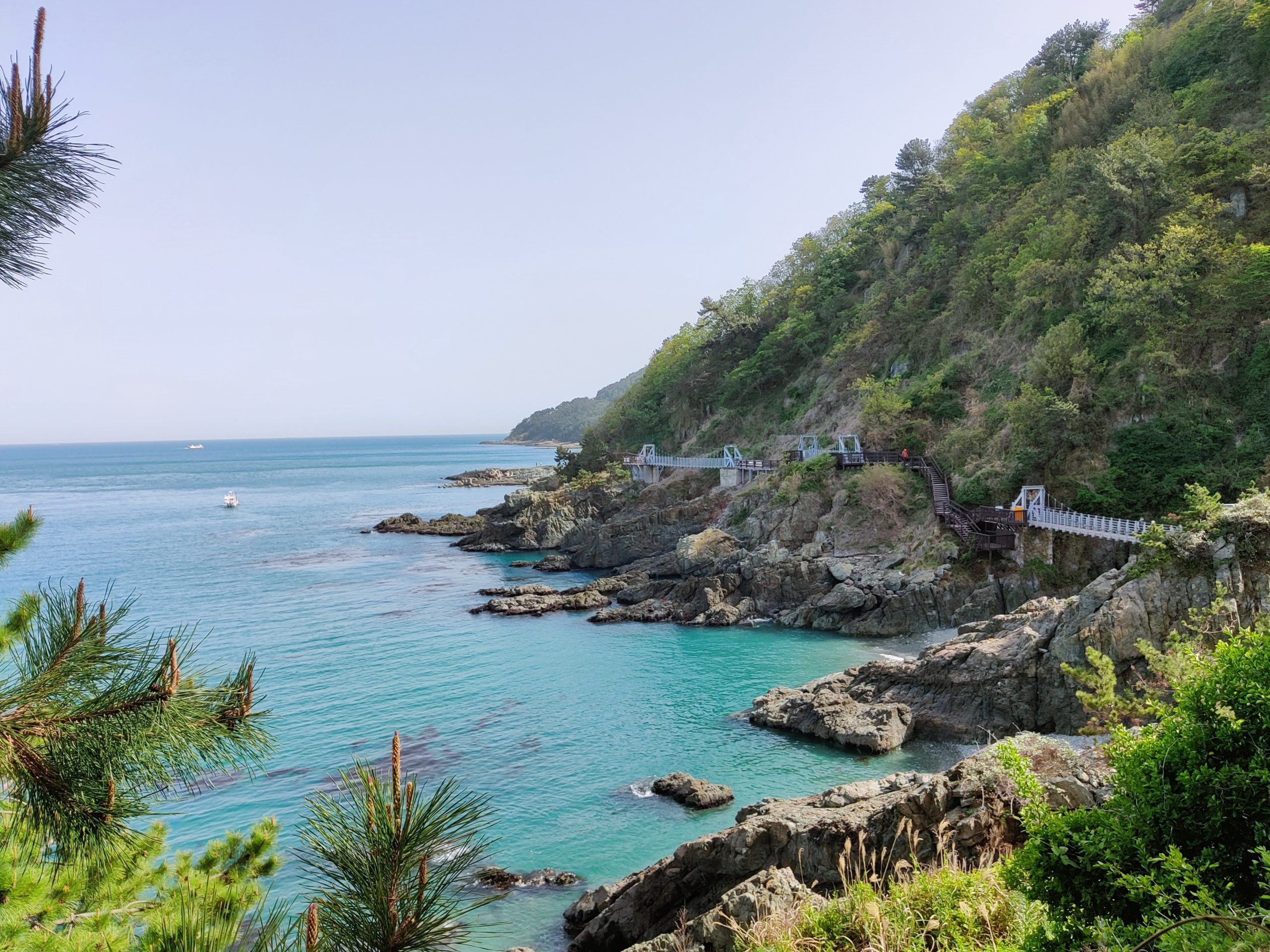
Named in honor of two gisaengs who sacrificed their lives by throwing themselves into the sea, taking a drunken Japanese commander with them during the invasion period, you’d never guess such a story when you see this coastal trail overflowing with natural beauty and well-preserved nature.
↪ See also: the best hikes and walking trails in Busan.
Relax at Gwangalli Beach
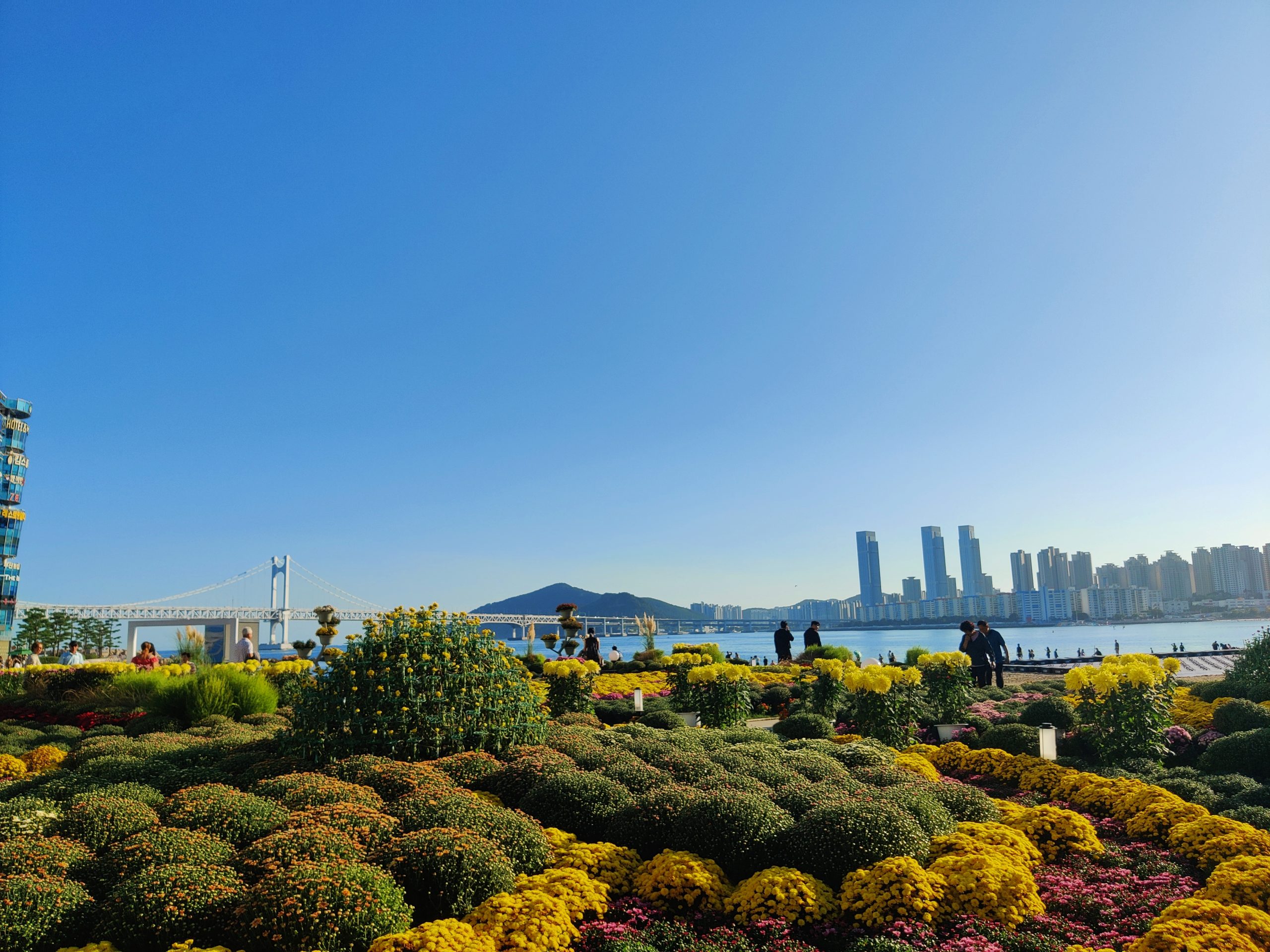
An afternoon by the sea is what I called pure relaxation. That’s why, for the second day of our Busan itinerary, direction Gwangalli Beach where you’ll get to see one of the most iconic symbols of the city: the Gwangandaegyo bridge.
Gwangalli has a nice beach, that’s for sure, with rows of parasols where you can rest in the shade too, but the neighborhood is actually also one of my favorite places to shop for souvenirs, especially Busan-themed ones.
So whether you’re looking for a memento from Busan, or you’re a fan of cute accessories, Gwangalli is the perfect place to shop.
Observatory with panoramic views of the city
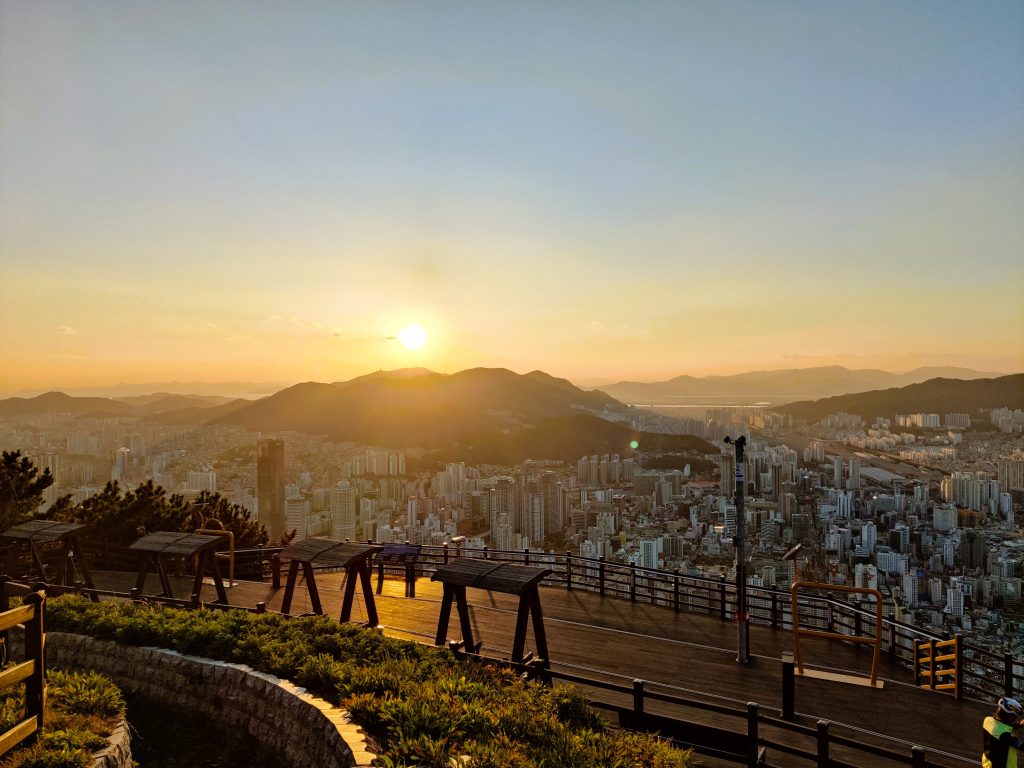
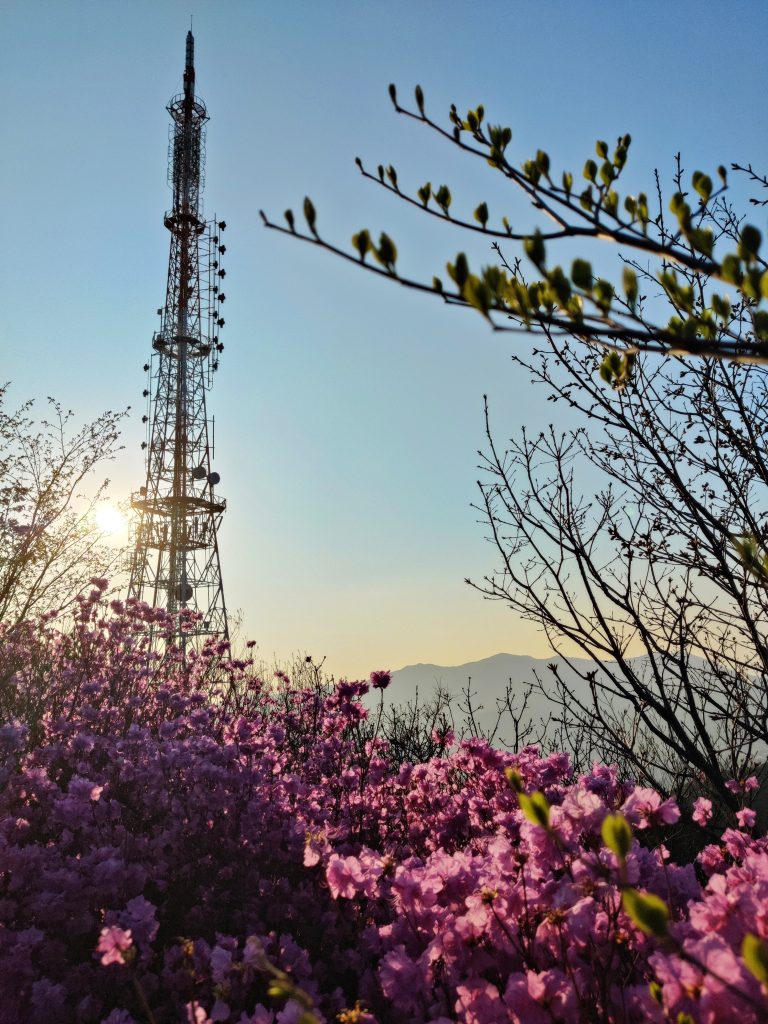
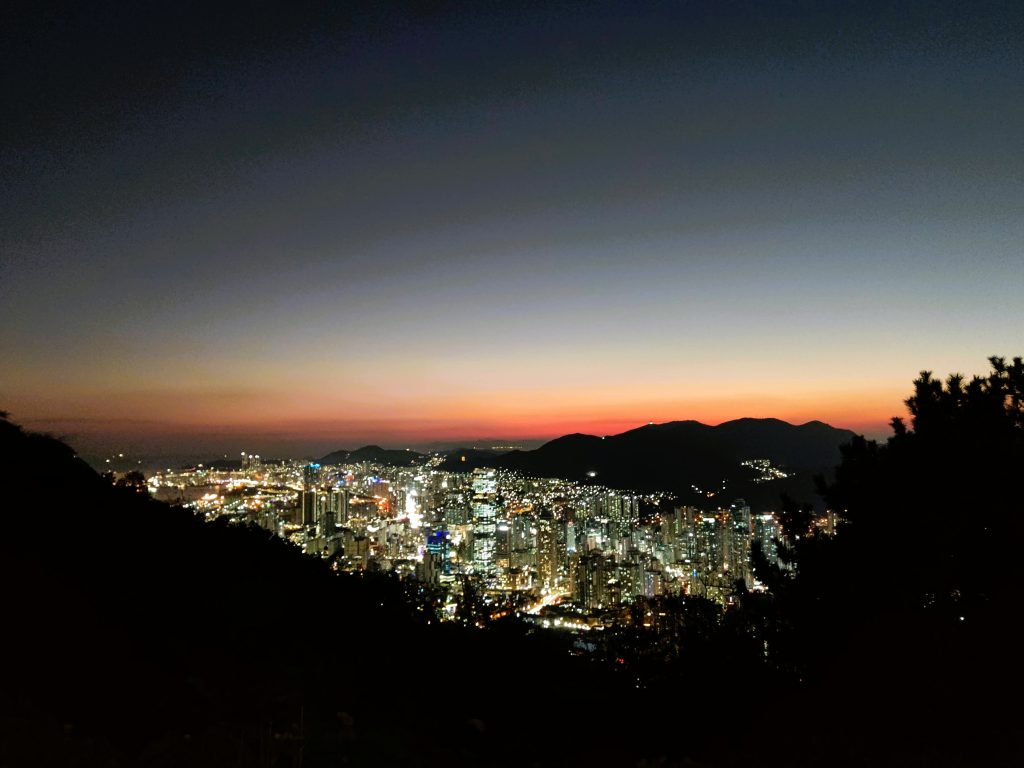
After a day spent by the ocean, why not end it in the mountains with breathtaking views of Busan and another exceptional sunset as a bonus?
To do so, hike Hwangnyeongsan right before golden hour and admire a sunset as well as night views of stunning beauty from this popular observatory.
A mix of History, Culture and Nature
Day 1: Another colorful village
For a change of pace, let’s forget about Gamcheon and head to another lovely village, located in the Yeongdo-gu district: Huinnyeoul Culture Village.
Once a refuge for Koreans during the Korean War, Huinnyeoul Culture Village is now an enchanting place steeped in art and culture where cute cafés and peaceful sea views await you.
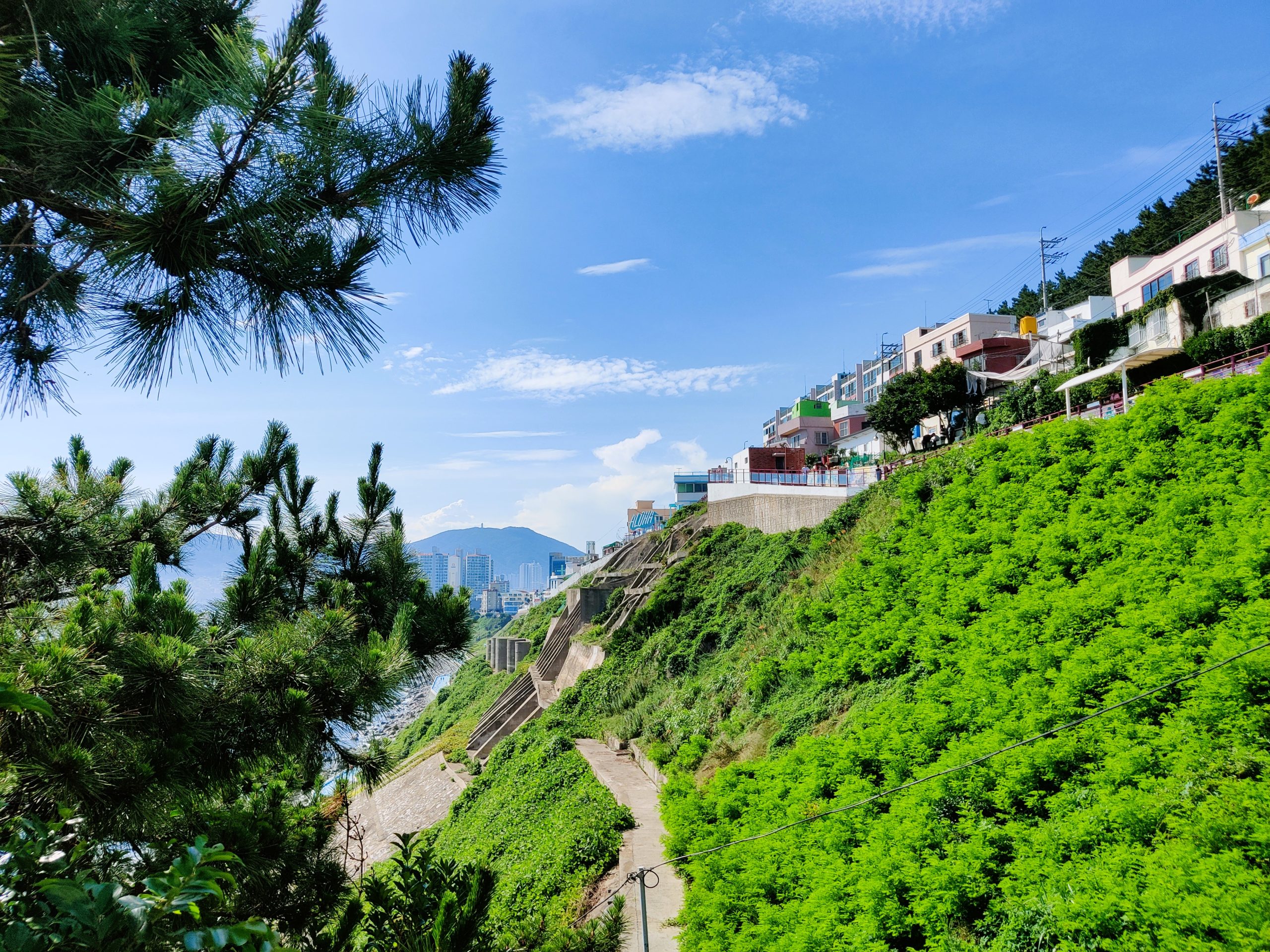
It’s also a great alternative to the more crowded Gamcheon Culture Village and the ideal starting point for exploring other beautiful attractions in the same district.
Taejongdae
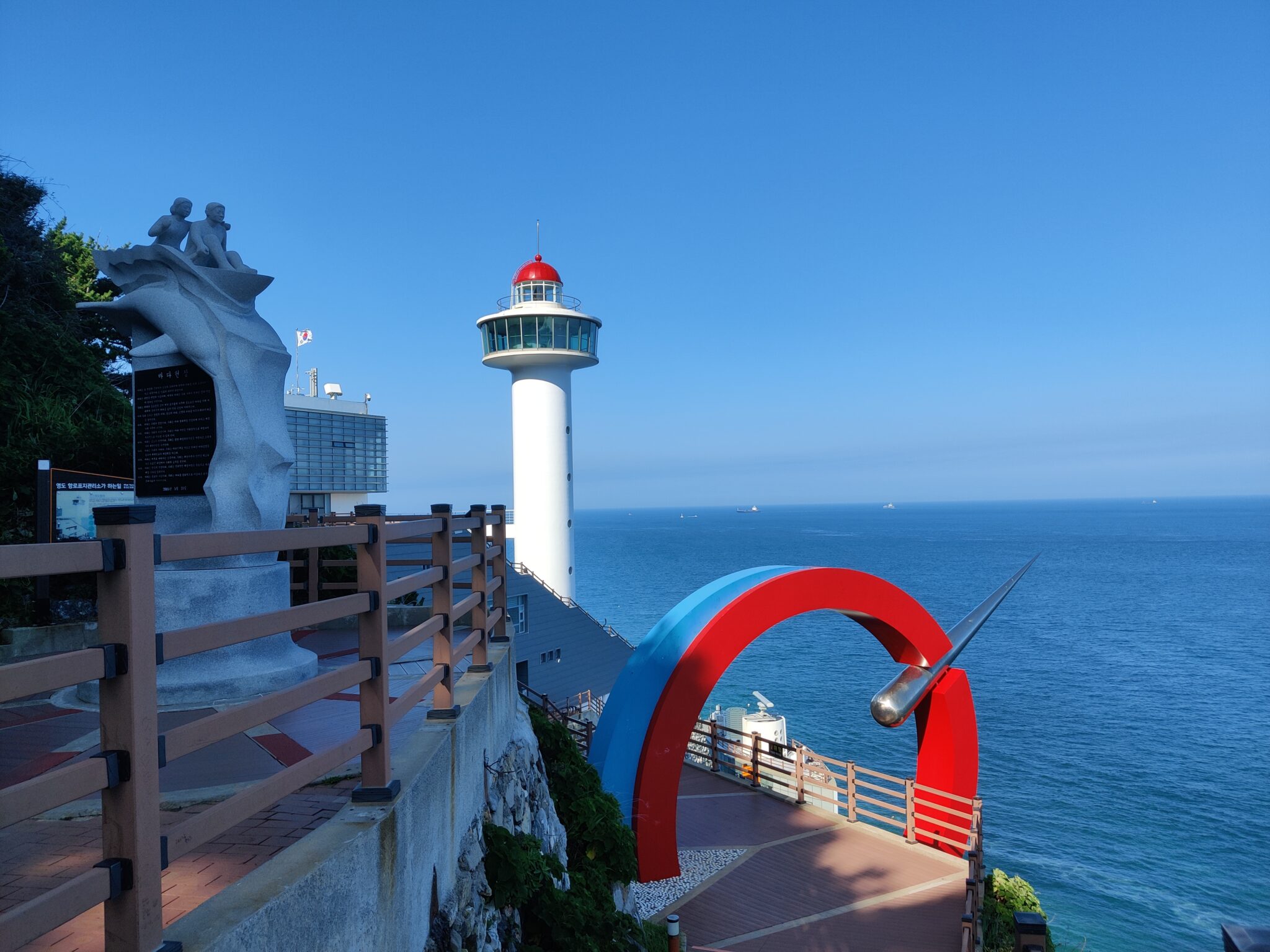
An afternoon between forest and ocean is what you can expect if you go to Taejongdae.
Follow the winding road or hop aboard the little train if you’re too tired to discover a temple hidden in the forest, pebble beaches at the end of wooden staircases, and a lighthouse offering windy but superb views of the ocean stretching as far as the eye can see.
Evening in Nampo
Finally, after a busy day, head to Nampo and browse the true treasure that is Bosu-dong Bookstore Alley before listening to your rumbling stomach and treating yourself to a wide variety of delicious street food at Gukje Market.
Don’t forget to do a little evening shopping, as Nampo is one of the best neighborhoods to satisfy all your shopping cravings. From trendy clothing to skincare products, food, and accessories, Nampo has it all, including a Lotte Department Store at the end of the shopping street.
⁎ Pro tip: take the elevator to the rooftop of Lotte for beautiful night views of the city and its port.
Day 2: Back to Haeundae
Haeundae isn’t my go-to beach, but it’s definitely one of my favorite spots to take a leisurely walk amid the lush green trees and the deep blue ocean.
So just like on the first itinerary, start your day by visiting the temple on the cliff, Haedong Yonggungsa, before heading to the Blueline Park for a beautiful and peaceful walk.
Walk the 4.8 km trail from Songjeong Beach to Mipo Station, then grab a refreshing meal at Choryang Milmyeon before walking over to Dongbaekseom Island for a pleasant stroll and a magnificent sunset.
Jjimjilbang but with a touch of luxury
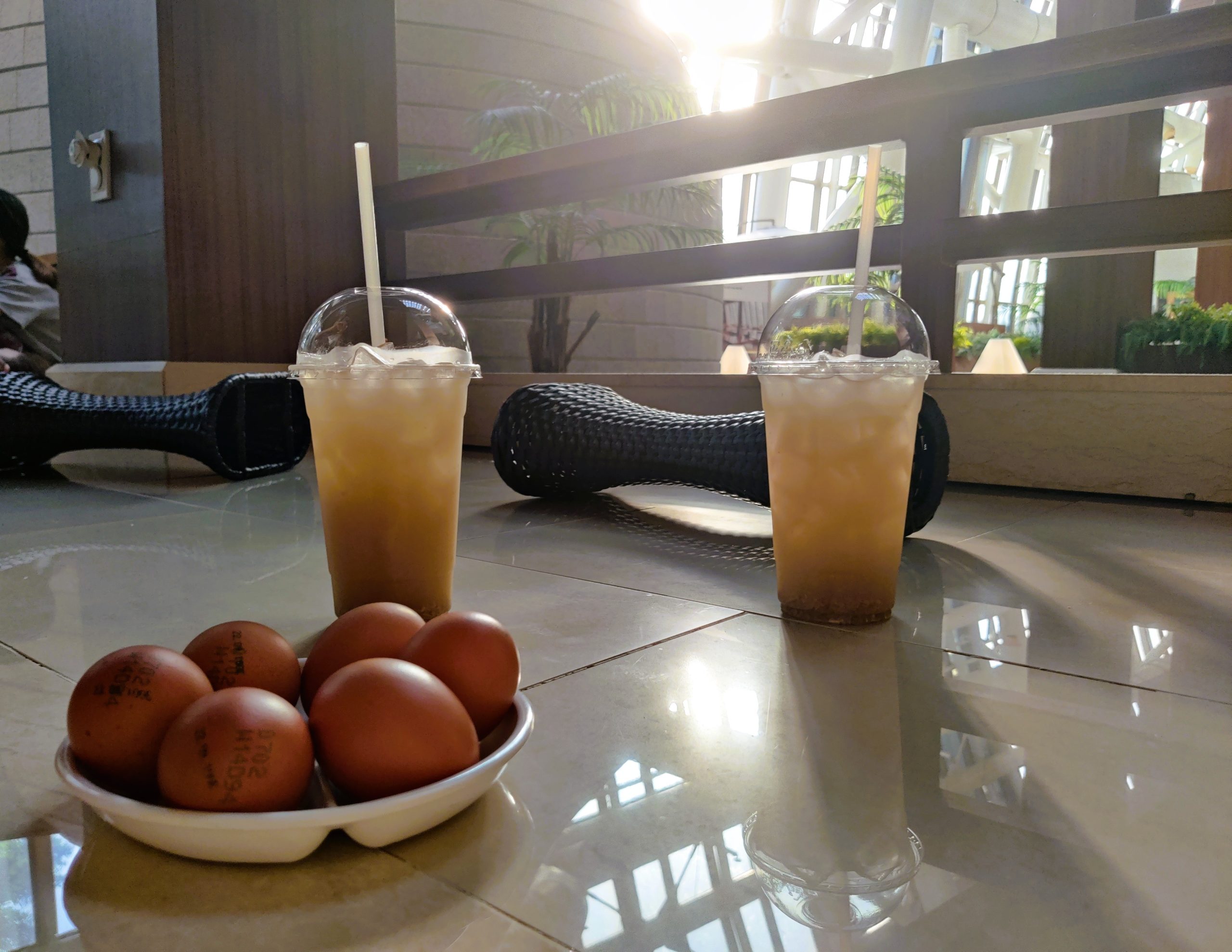
And to wash away the fatigue and sweat of the day, nothing really beats a jjimjilbang, or Korean bathhouse.
Located in Centum City, Spa Land reimagines the traditional Jjimjilbang, by offering a more sophisticated and even luxurious atmosphere.
Take this time to pamper yourself, relax, or sleep, and enjoy some sikhye (a traditional rice-based drink) and hard boiled eggs: the typical snacks of a Jjimjilbang.
↪ See also: check out 10 fun indoor activities in Busan.
Day 3: Peaceful park and lively night
Want to start your morning in a cheerful and tranquil mood? Take the subway to Hwamyeong station to explore the lesser-known Hwamyeong Eco Park.
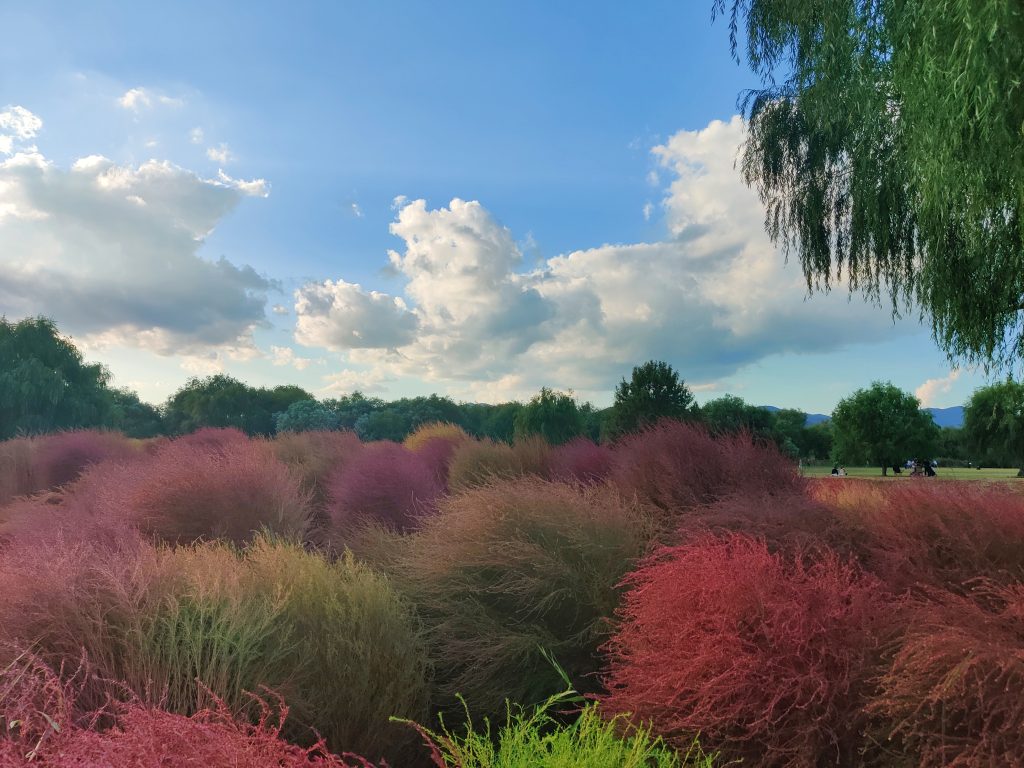
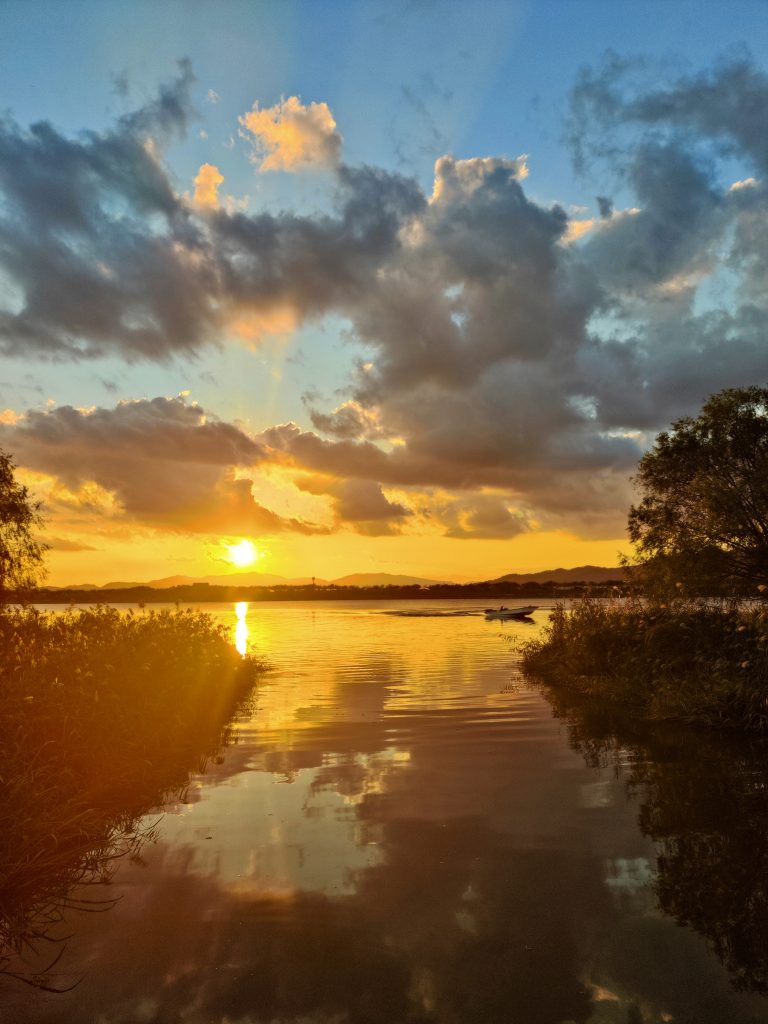
And although Busan has other eco parks, Hwamyeong is my top choice when I’m in Busan in the spring or fall, when its fields of tulip or silver grass and kochia bushes adorn the park.
Which doesn’t mean the place isn’t worth your time the rest of the year, as its calm atmosphere and superb sunsets are reason enough to stop by!
↪ See also: 8 best parks to chill and unwind in Busan.
A secluded temple
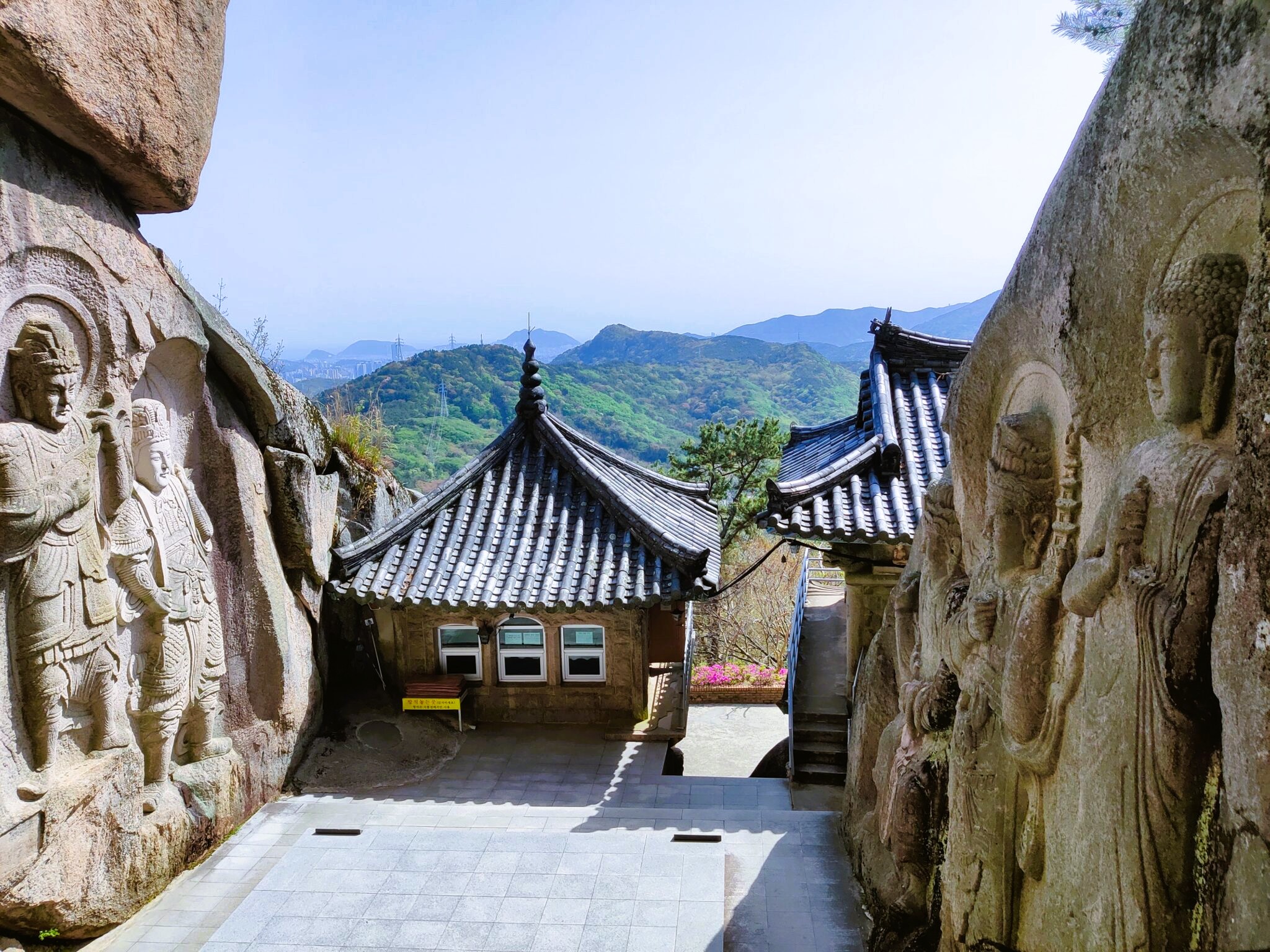
Probably one of the hardest to reach, which makes visiting it all the more interesting, Seokbulsa Temple, with its giant carved stone Buddhas and unique setting is definitely what you would call a one of a kind place.
If you’re looking for a quiet temple to unwind while surrounded by a beautiful panorama, then you won’t be disappointed by your visit to Seokbulsa.
Shopping and Nightlife
It’s time to wrap up your last day in Busan, so what’s the plan for this last night? Shopping and fun, which are actually two words, but who even cares?
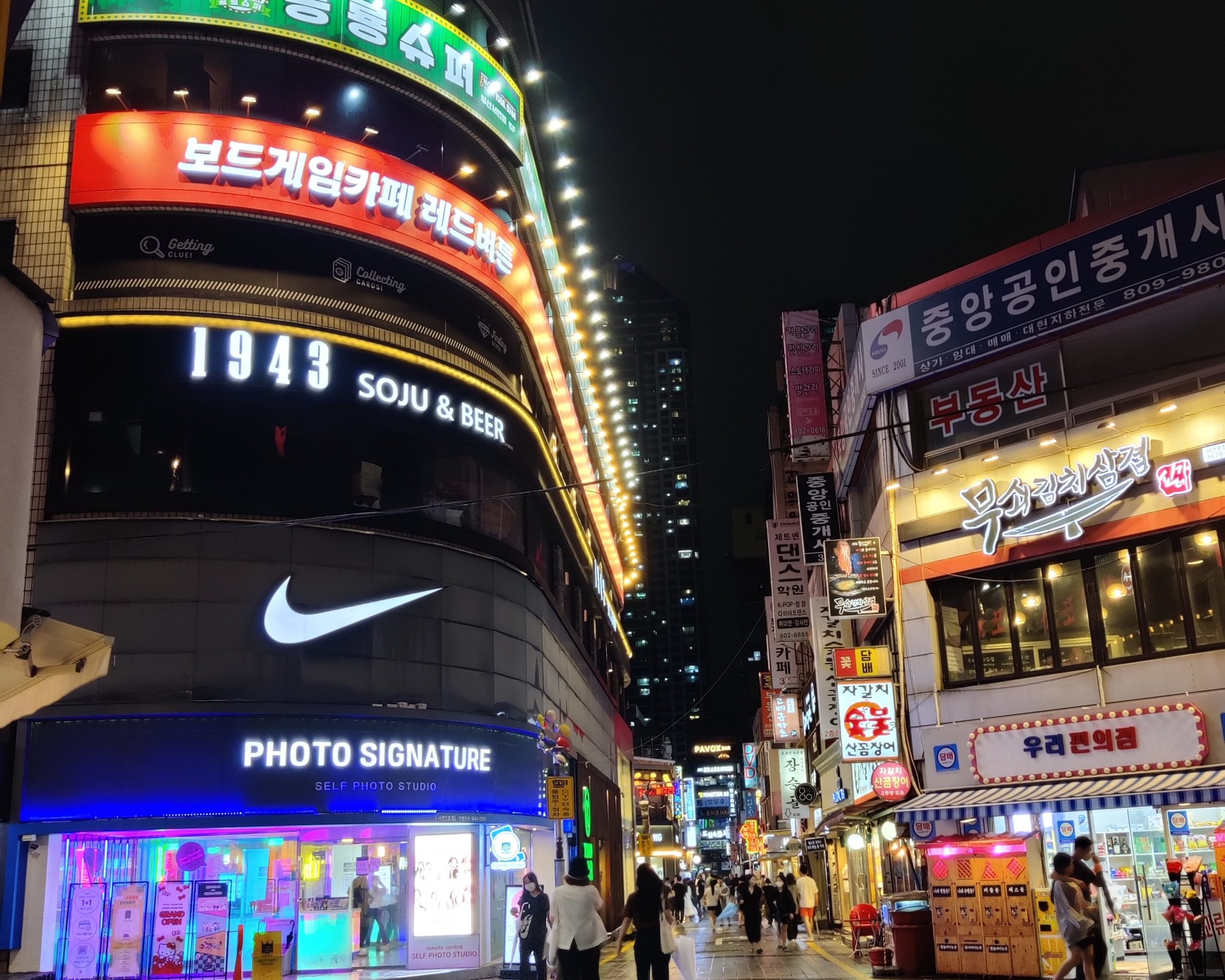
And if you’re still wondering where to go to satisfy your shopping cravings while enjoying a fun night out, look no further than Seomyeon where you’ll find underground mall, skincare products, bars, and even a traditional market.
Shop under the neon lights and feel the vibrant energy of the city in Seomyeon, where the city truly never seems to sleep.
Getting around Busan
Getting around the city is very easy thanks to the extensive subway and bus networks. Just remember to purchase your T-money card, as it’s more convenient than buying single tickets every time.
Oh, and you’ll need cash to recharge your transportation card, whether at subway stations or convenience stores, since it’s still rare today to use a credit card to top up your T-money card.
By bus
This is definitely my preferred option as it’s more scenic, (even though it usually takes longer than the subway) and sometimes simpler, as you don’t necessarily have to transfer lines, and the bus can drop you off literally at your destination’s doorstep.
By subway
In big cities such as Busan, subways cover pretty much every neighborhood. They run frequently, are faster than buses, and thanks to applications like NAVER Map, you can also enter by the right car to make your transfer or exit easier.
The only downside is the distance between different exits, and the fact that you can spend more than 5 minutes walking through the entire station just to reach your exit. Not to mention the endless staircases (when there’s no elevator) which will leave you breathless before you’ve even started your sightseeing.
By taxi
Unlike in many other countries, taxis in South Korea can be quite cheap, especially if you use an app like Kakao Taxi.
But the public transit system is so efficient that the only times I actually use a taxi in South Korea are when I’m out late and the subway or bus services have stopped running.
Accommodations
Whether this is your first visit to Busan or not, here are the neighborhoods I recommend staying in:
- Nampo-dong: my favorite neighborhood, because it has everything: great and cheap food, nice shopping, and easy access to many attractions and beaches.
⇒ Accommodation option: Paramion Hotel
- Haeundae: close to the beach and further away from the city center, if you’re looking for a peaceful and laid-back atmosphere, Haeundae and the neighboring Gwangalli are perfect for you.
⇒ Accommodation options: O’guest in Haeundae & MAMA Guesthouse Haeundae
- Busanjin-gu: right in the city center, with easy access to public transportation, mall, parks, plenty to do, and ideal for nightlife.
⇒ Accommodation options: Stay Busan-gil & Seri Inn Guesthouse
3 days in Busan on a budget? How much does it cost?
Traveling to Busan and South Korea on a budget is actually pretty cheap once you know the tricks and use ticketing platforms such as Klook or GetYourGuide to book your activities in advance.
🏨 Hostels: $18 – $50 → Book available hostels
🚌 Transport: $1-$2 → Subway & Buses
🍜 Food: $3 – $10
🎭 Activities: $5 – $30 → Check activities
📱 SIM/eSIM (at least one week): $15- $20 → Get a SIM/eSIM card
✈️ Travel insurance: $50 – $100 → Get travel insurance
Helpful apps
To make your trip to Busan easier, here are a few apps you should consider downloading!
- Navigation: NAVER Map or Kakao Map
- Subway navigation: Subway Korea
- Language app: Papago
- Taxi: Kakao taxi
- Luggage storage: T Locker
You’re now ready to sail to Busan and discover just a small part of what this beautiful coastal city has to offer. I hope you find this 3-day itinerary helpful and that you’ll return from your trip eager to visit this port city again.
Three weeks in South Korea
Do you have three weeks of vacation in South Korea? Here’s my carefully planned itinerary: one you can follow even without a car.
Foodie traveler?
Planning to sample all the delicious food Busan has to offer? Check out 20 of my favorite restaurants in the city!




I’ve literally always wanted to go to SK especially since I am a hugeeeeee kpop fan. This is a great itinerary.
I hope you’ll visit one day, as I’m sure you’re going to fall in love with South Korea! Thank you for your visit and comment, Riyah!