
3 Days In Fukuoka: One Of Japan’s Most Underrated Largest Cities
If you know me a little by now, you know that I’ve always dreaded big cities, whether because of their crowds, their busy way of life, their pollution or a combination of all these factors. So yes, landing in Fukuoka was exciting but also a source of nervousness.
And yet, the city proved to be a pleasant surprise and one big city that I wouldn’t mind visiting again. Do you have a few days to spare in one of Japan’s largest cities? Here’s a 3-day itinerary for you!
This post contains affiliate links. Whenever you buy something through one of these, I get a small commission, without any extra cost to you. Thank you!
🎯 Short on time? Skip straight to my recommendations!
🖼️ teamLab Forest Fukuoka
🎨 Kyushu National Museum
🗼 Fukuoka Tower
Budget-friendly accommodation:
🛌 Fukuoka Tabiji Hostel 福岡旅路ゲストハウス
Save it for later!
Best time to visit Japan
Since I’m not a really big fan of cold weather and harsh temperatures, I’d say that if you’re like me, your best bet is to avoid winter, but if you don’t mind using hot packs and traveling in layers, then Japan looks definitely like a winter wonderland at this time of year. And if you like skiing, even better, as the country, especially the North, will greet you with snow-covered landscapes.
If you’re not a huge fan of winter, then all of the other seasons are a great choice, with spring being the famous and ideal time to watch the cherry blossoms or sakura and do “hanami” or flower viewing (although prices tend to be higher and you’ll need to book everything several months in advance).
You can also choose to go during summer for its lively festivals and lovely beaches, but bear in mind that this is also the wet and rainy season (June-mid July), so you’ll need to pack accordingly or visit a little later in the season.
And finally, if you like vibrant fall foliage, smaller crowds but still pleasant weather, and autumn festivals, opt to visit between mid-October and early December.
Visa
You probably won’t need a visa thanks to the visa waiver agreements Japan has with 74 countries. You can also enter the country for up to 90 days, depending on your nationality.
And for smoother procedures, such as immigration and customs, where you can avoid filling out paper forms, don’t forget to create an account on Visit Japan Web.
Language
Japanese is the official language of the country. English is not widely spoken, but you can get by with basic English and the use of a translator app. Don’t forget to learn a few local words, which is always appreciated by the locals.
Money
The official currency of Japan is the Japanese yen (¥/JPY). For information, $1≃155 JPY.
Phone
I strongly recommend getting a SIM/eSIM card, because even though Wi-Fi is available in many places, it’s better to have one, especially if you’re visiting the countryside. My tip: opt for Sakura Mobile: reliable and fast internet, and reasonable prices.
For your information, unlike many countries I’ve visited, you won’t get a local number in Japan.
Transportation
As in many cities in Japan, it’s pretty easy to get around thanks to their efficient subway system (well, once you get the hang of it, anyway). So if you’re landing in Fukuoka and it’s your first time in Japan, don’t forget to buy an IC card (here’s a guide) from one of the subway machines. You can recharge the card as you wish, and the card is valid for 10 years after its last use. They also work in most cities in Japan.
Fukuoka itinerary
If this is your first time visiting Fukuoka, then I guess 3 days is plenty of time to discover the city and its many charms.
As always, this itinerary is specially designed for budget travelers in mind and for those who want to take it slow and not try to cram hundreds of things into a single day.
Let’s go!
Day 1: Culture and peacefulness near the city center

If you’re looking for beautiful shrines and temples, you’ll find them all over Japan, believe me. So after a hearty breakfast or an egg sandwich from Family Mart or any other konbini (convenience stores in Japan) food that tempt you, start your day by wandering around Hakata Ekimae, where you’ll find plenty to enjoy among the magnificent temples and shrines.
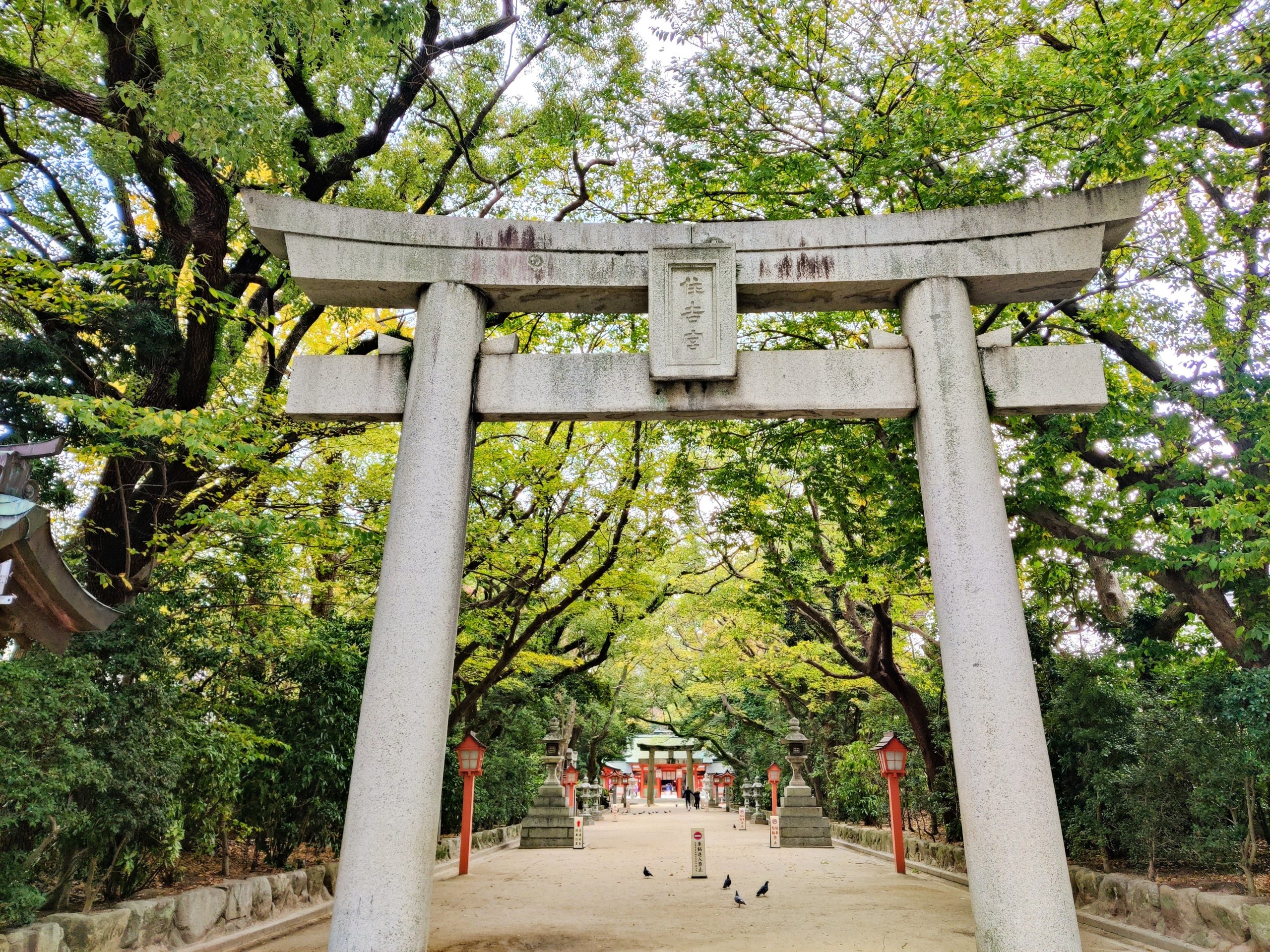
Some of my favorite and free places to visit include: Sumiyoshi Shrine, Kushida Shrine, Tochoji Temple (where you can see a wooden Buddha over 10 meters tall), and Shofukuji.
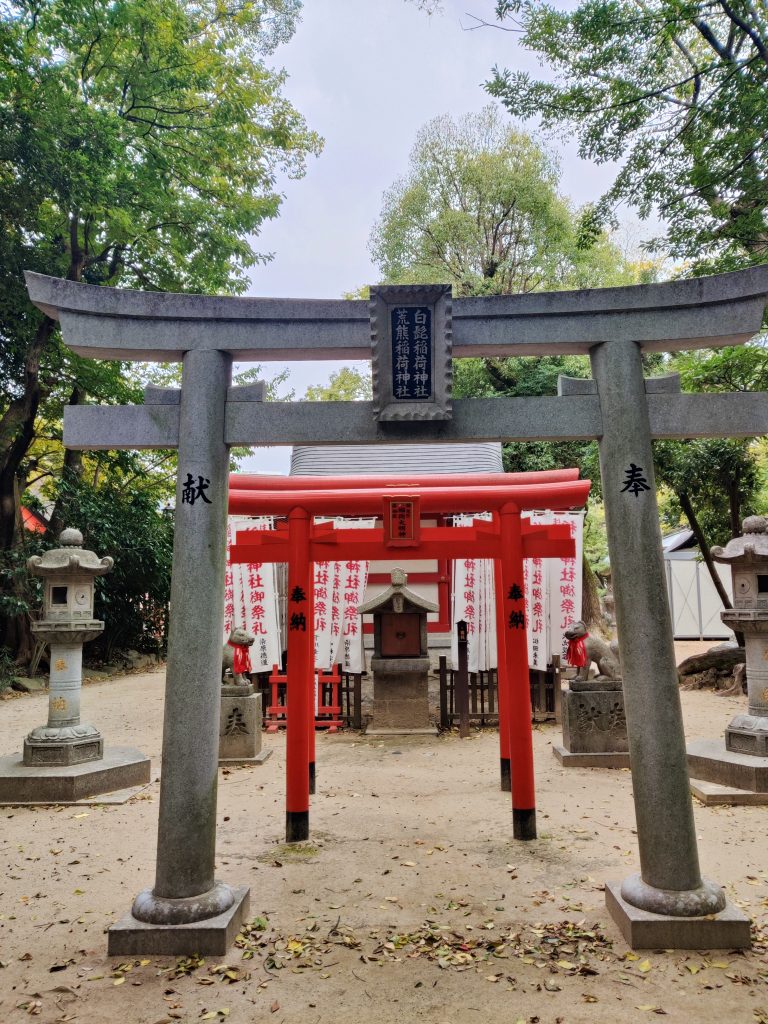
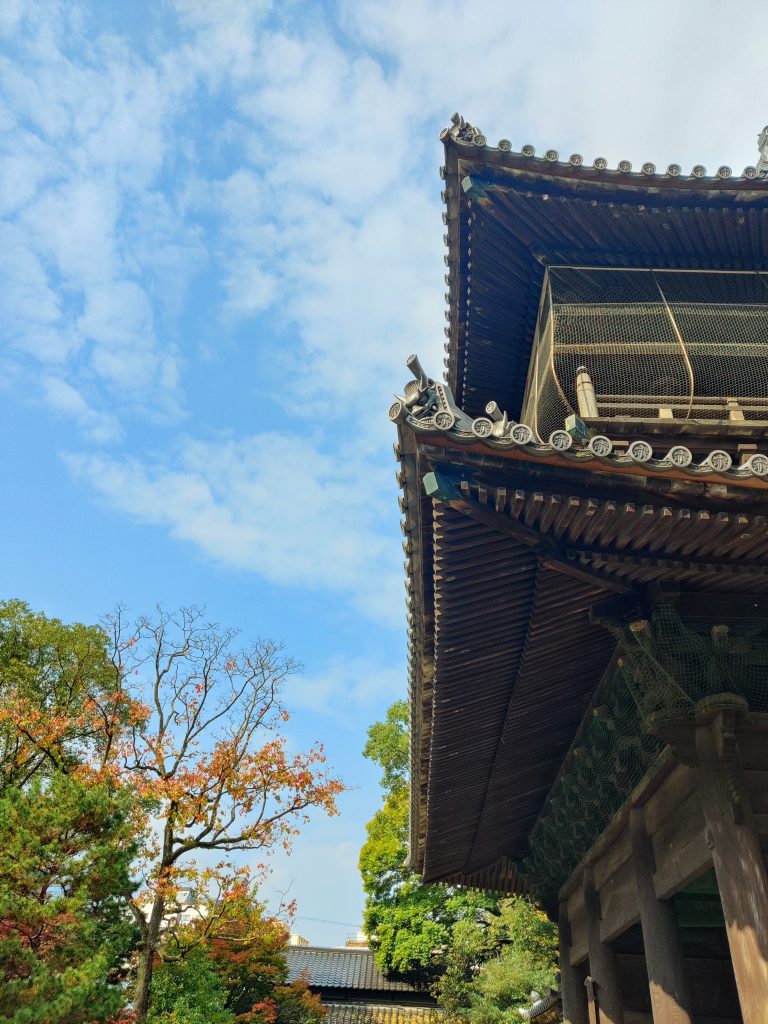
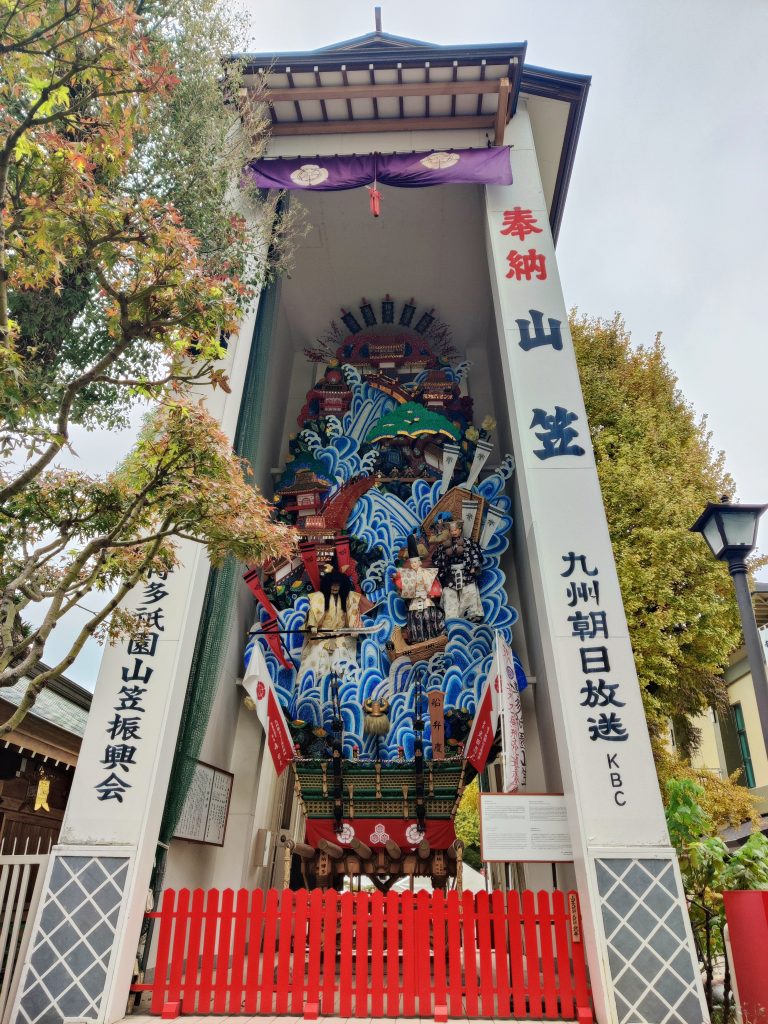
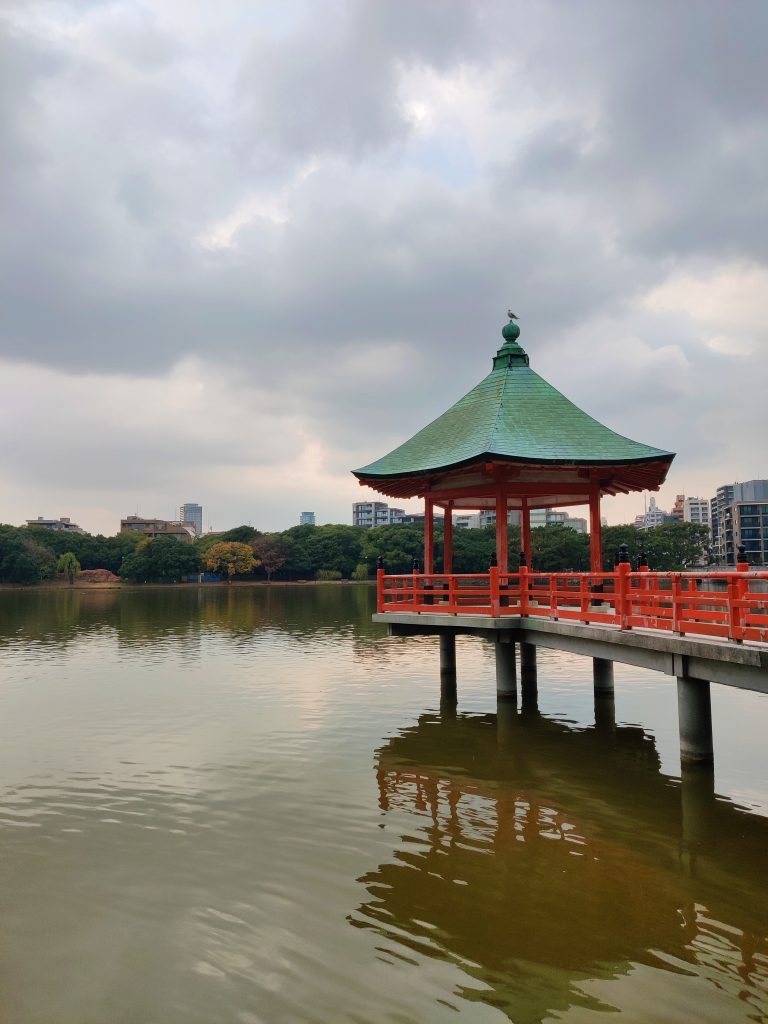
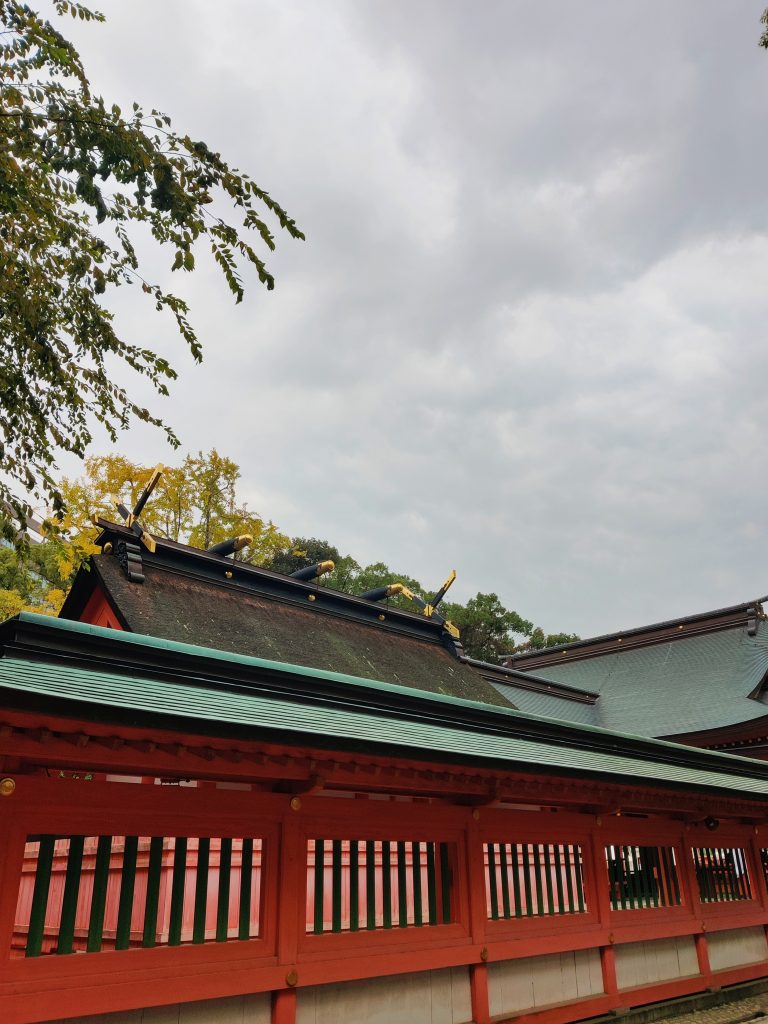
But really, my best advice is to stroll around the neighborhood and discover the temples and shrines by yourself. Chances are you’ll discover your own favorite spots, and probably without anyone else around.
You can then spend the afternoon in the beautiful and quiet Ohori Park and embrace the serenity of the lake by sitting on one of the benches available in the park, going for a jog, or even renting a cute swan-shaped boat. This is the kind of place you’ll be looking for if you want a relaxing place that feels a world away from the city center.
In the evening, you can choose to see the city from above at Atago Shrine or enjoy the sea breeze at Momochi Seaside Park before dining at Fujiya Restaurant.
Day 2: Academic success and small shrines nestled in the forest
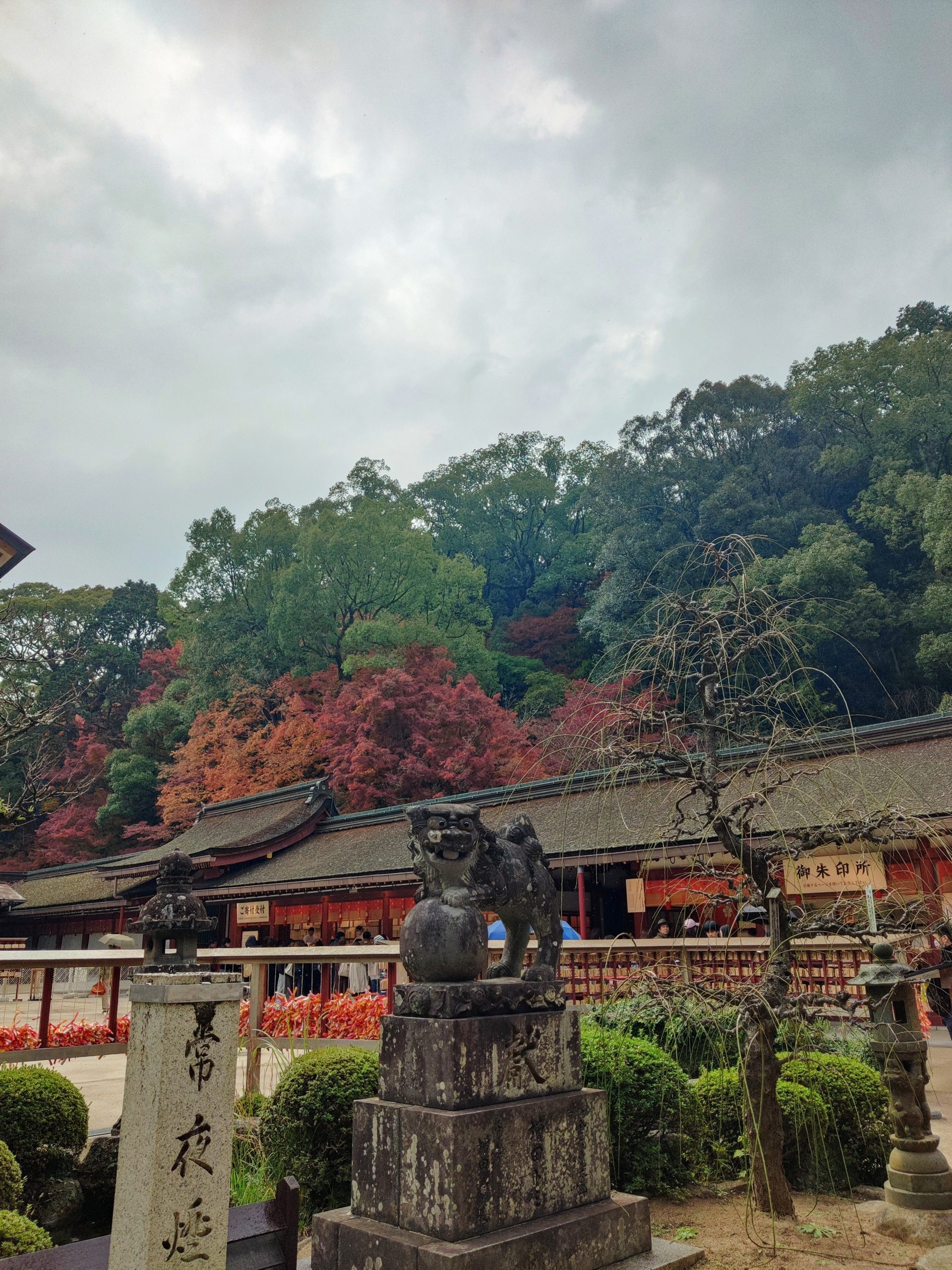
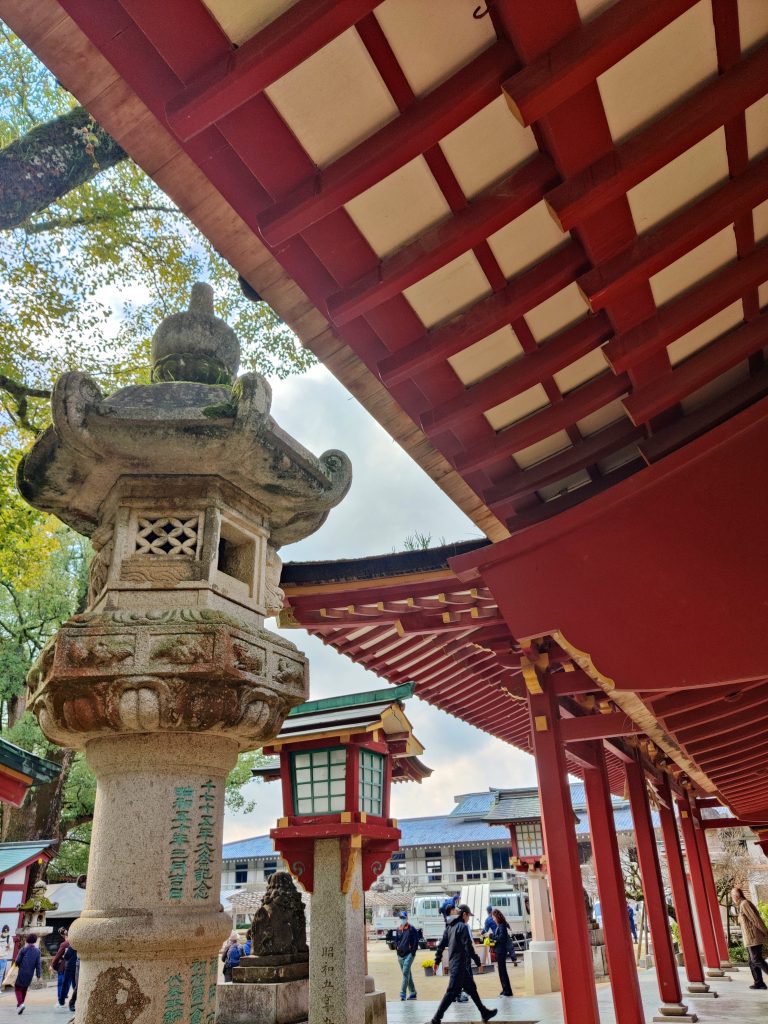
On the second day, let’s explore beyond the city and visit a famous shrine dedicated to the god of learning, particularly popular among those who wish for academic success: Dazaifu Tenmangu Shrine. Accessible by a 30mn bus ride from Hakata Bus Terminal or by one subway and two trains (40mn), a word of advice though, visit early or later in the afternoon, as it can get pretty crowded.
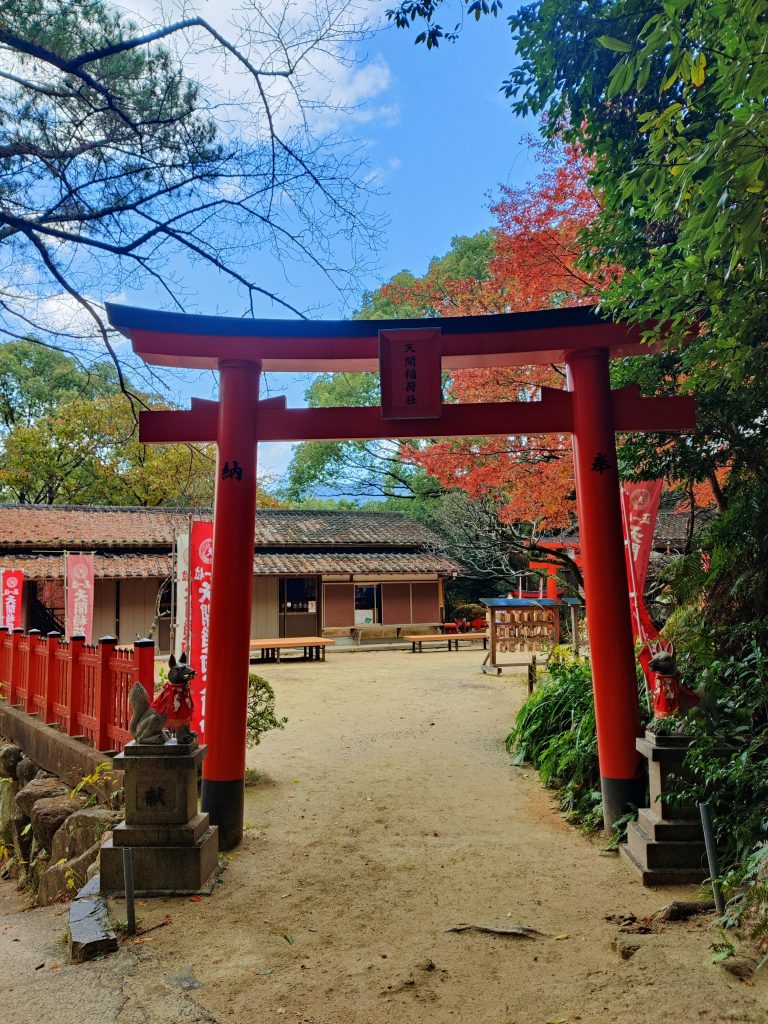
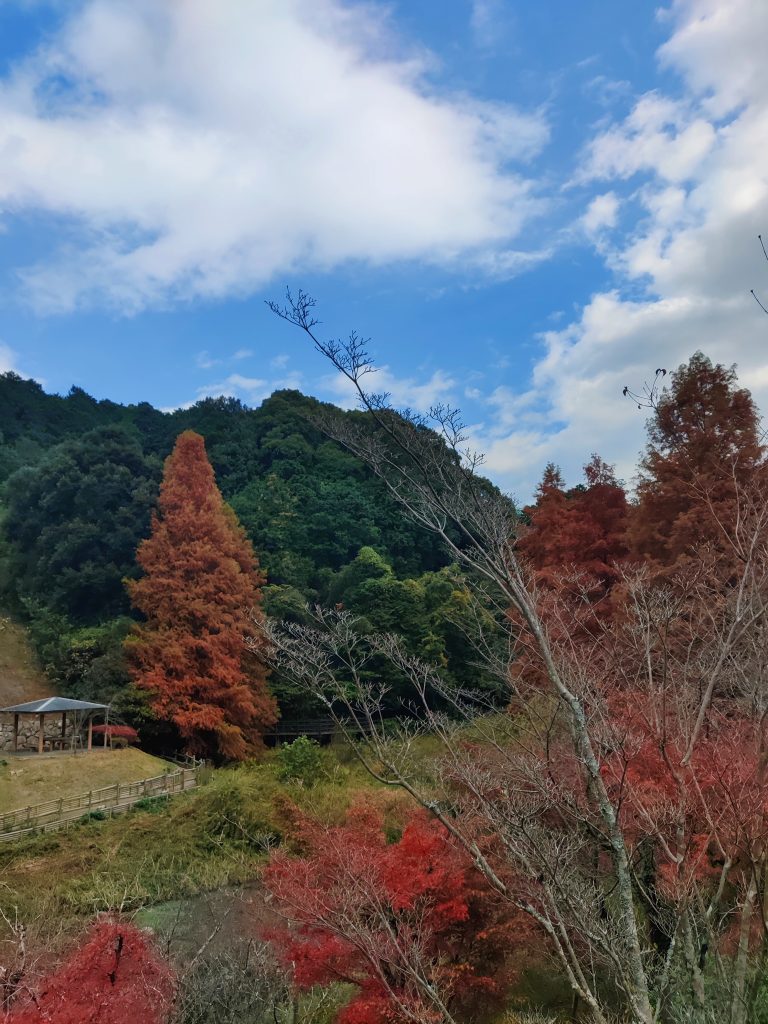
Allow at least a couple of hours to visit the shrine as well as its bustling town before heading to a more tranquil setting right up the hill from Dazaifu Tenmangu Shrine: Tenkai Inari Shrine. Nestled in the forest, so close and yet so far away at the same time from the busy Dazaifu, this shrine offers a nice contrast and a more relaxing experience.
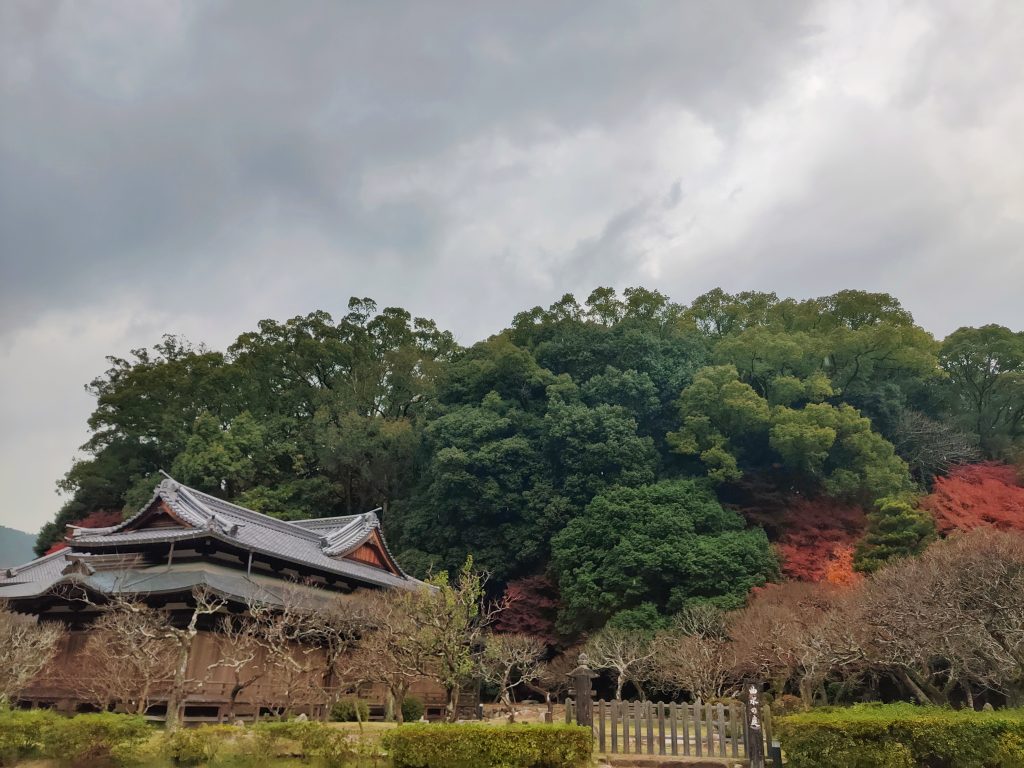
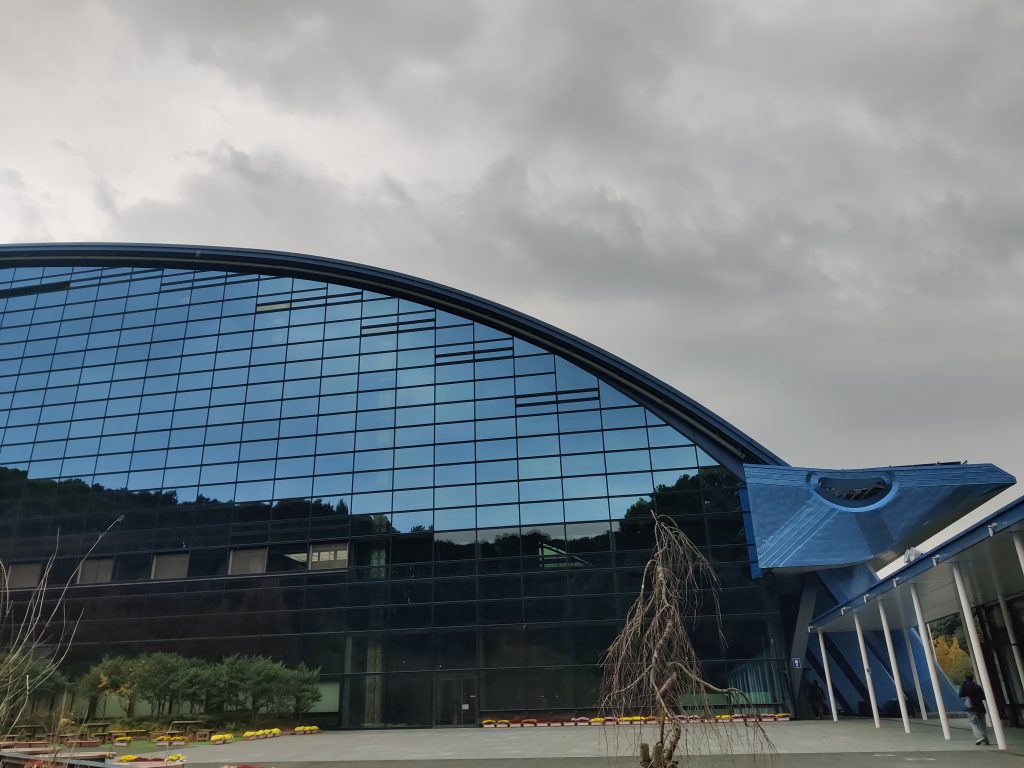
And if you want to learn a little more about Kyushu Island and Japan, you can always visit the Kyushu National Museum (entry: ¥700 or ~$4.50), just a few minutes’ walk from Dazaifu Tenmangu Shrine. And to enjoy a leisurely stroll after a busy day, explore the small garden, located right in front of the museum.
Day 3: An impressive 19th-century temple
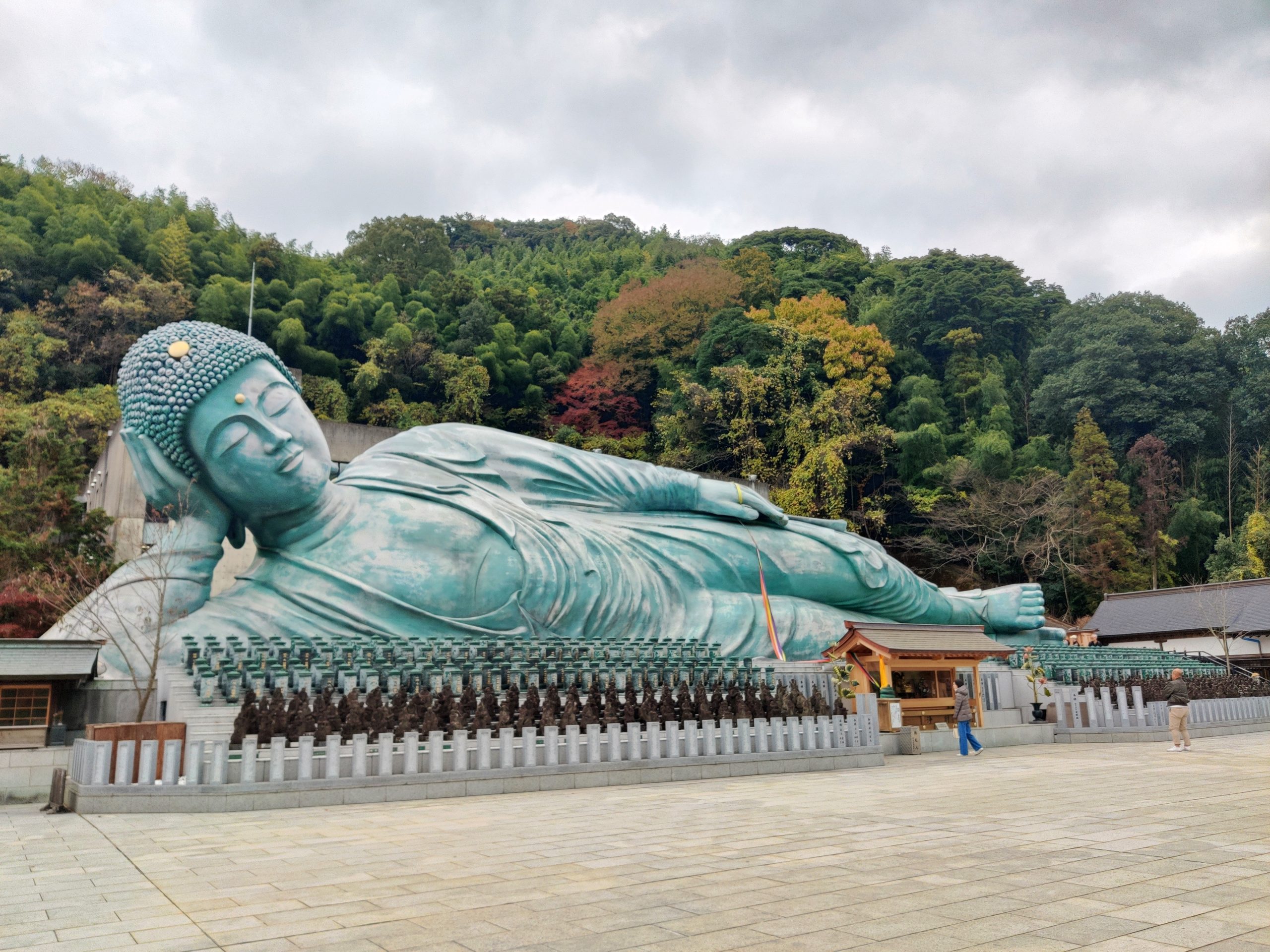
Want to end your trip to Fukuoka by visiting a breathtaking temple and admiring one of the world’s largest bronze reclining Buddhas (41 meters long)? Then head to Nanzo-in Temple by taking the JC Fukuhokuyutaka Line (orange) and getting off at Kidonanzoin-Mae station. You’ll find yourself in a peaceful and magnificent place of worship, just 30 minutes from the city.
One thing is certain, this visit won’t leave you indifferent, as not only this is an impressive site, but the temple grounds also offer a relaxing experience with numerous paths leading to a quiet pond, and other places of worship.
Not to mention that Nanzo-in is located in the countryside, which can be a nice respite from the city, and offers beautiful scenery and a unique bridge, the xylophone bridge, on which you can play a harmonious melody (you can at least try) before heading to the temple.
And if you feel like it, you can head to Goto Falls for a refreshing walk in nature or return to the city for some shopping at Canal City Hakata.
If you’re wondering what to eat for dinner, why not try the famous Ichiran chain, where you can slurp delicious ramen in your own little booth, ideal for solo travelers and introverts.
Where to stay
If you’re looking for a budget option that’s comfortable, well-located and clean, I highly recommend Fukuoka Tabiji Hostel. The staff are friendly, you get pretty big lockers, and the beds are equipped with curtains for privacy.
The atmosphere is pretty chill, and the subway station is only 5 minutes away, making it easy to get anywhere in Fukuoka.
Useful links
Navigation and bus/subway timetable: Google Maps
Translator: Google Translate
Taxi: GO Taxi
Tours: Klook
And that’s a wrap for this 3-day itinerary in Fukuoka! I hope you’ll see the city in a new light and that you won’t hesitate to explore its many sights!
Want to discover another underrated place, but this time in South Korea? Welcome to Gurye!




It was such a great read! It really helps people who want to visit Japan.
Thank you so much, Blaze, I’m glad you liked this post and found it helpful! Safe travels!
Such a refreshing alternative to the usual Tokyo-Kyoto itinerary. Thanks for sharing these hidden gems in Fukuoka!
I’m so happy to hear that, and thank you so much for your kind comment! Safe travels!