2 Days In Rome – Itinerary For First-Time Visitors On A Budget
Ah, la dolce vita, those ancient ruins that bear witness to a powerful civilization, and that delicious, aromatic cuisine: these are just a few of the reasons that made me want to take a trip to Italy.
And who says Italy, also says bustling cities, famous tourist attractions, and farniente by the beach. While I’m not a big fan of capital cities, I always try to make my own opinion and visit them at least once. So, as the proverb says “All roads lead to Rome”: here’s my two-day itinerary for first-time visitors to Rome on a budget.
Expect popular sights, but also quiet parks, stunning architecture, and, of course, Italian cuisine!
This post contains affiliate links. Whenever you buy something through one of these, I get a small commission, without any extra cost to you. Thank you!
Want to get to the point?
Check out my hotel recommendations:
Save it for later!
Best time to visit Rome
I’m not going to tell you to visit during this or that season, as it all depends on your schedule and budget, but as in every country, there are certain things you should know about each season.
- Spring: like in most countries, it’s blooming season, and the weather is also more pleasant, ideal for exploring the capital. But you can also expect light showers, so bring a rain jacket and some layers.
There are also a few festivals worth the detour, as well as seasonal culinary delights.
- Summer: it can get a little crowded, and while it’s the ideal time to go to the beach, heatwaves are common. If you opt to visit in the summer, remember to plan your trip acccordingly, or consider visiting in September instead.
Summer is also synonym with long days and music festivals.
- Autumn: fewer crowds and mild weather, especially between September and October. Perfect to get your steps in and admire the golden fall foliage of Rome.
- Winter: although this season may put some people off, winter in Rome isn’t that cold, as temperatures generally don’t drop below zero. Plus, there’s still plenty to do and see, especially on weekdays when there aren’t many people out and about, not to mention that it’s the Christmas season.
Of course, you’ll want to make the most of the daylight by starting your day early to fully enjoy what the city has to offer (since the days are shorter). A word of advice: watch out for slippery cobblestones!
Visa for Rome & Italy
Since Italy is part of the Schengen Area, you most likely won’t need a visa and can stay in the country for up to 90 days.
But if you have any doubts, I invite you to check the rules that apply to your country directly on the official website.
Language
Italian is the official language of the country. And while English can be found pretty easily in Rome (since it’s touristic), I strongly recommend learning a few local words, which is always appreciated by the locals.
Money
The official currency of Italy is the Euro (€/EUR).
Are two days in Rome enough?
While you’ll be far from seeing everything the Italian capital has to offer, it’s more than enough to see plenty of the most famous attractions, underrated spots, and give you an idea of the vibe and beauty of the city.
It’s also the perfect start if, like me, you get quickly overwhelmed by the noise and hustle and bustle of the large cities. Not to mention, you can actually experience a lot as many sights are within walkable distance from each other, so you can save on public transportation and avoid being crammed in uncomfortably.
Rome 2-day itinerary
Day 1: Rome’s famous landmarks
Rome has no shortage of landmarks, but as I’m a budget traveler, I’m going to focus on my favorite places and the ones I think are worth visiting, whether you intend to buy a ticket or not.
I don’t always choose to buy a ticket for a specific attraction, especially when the price is exorbitant or when I feel like the place is way too crowded for the experience to be enjoyable. Of course, this is just my personal choice, and you can definitely opt to book your ticket in advance on Klook or on the official website.
Morning: exploring Rome
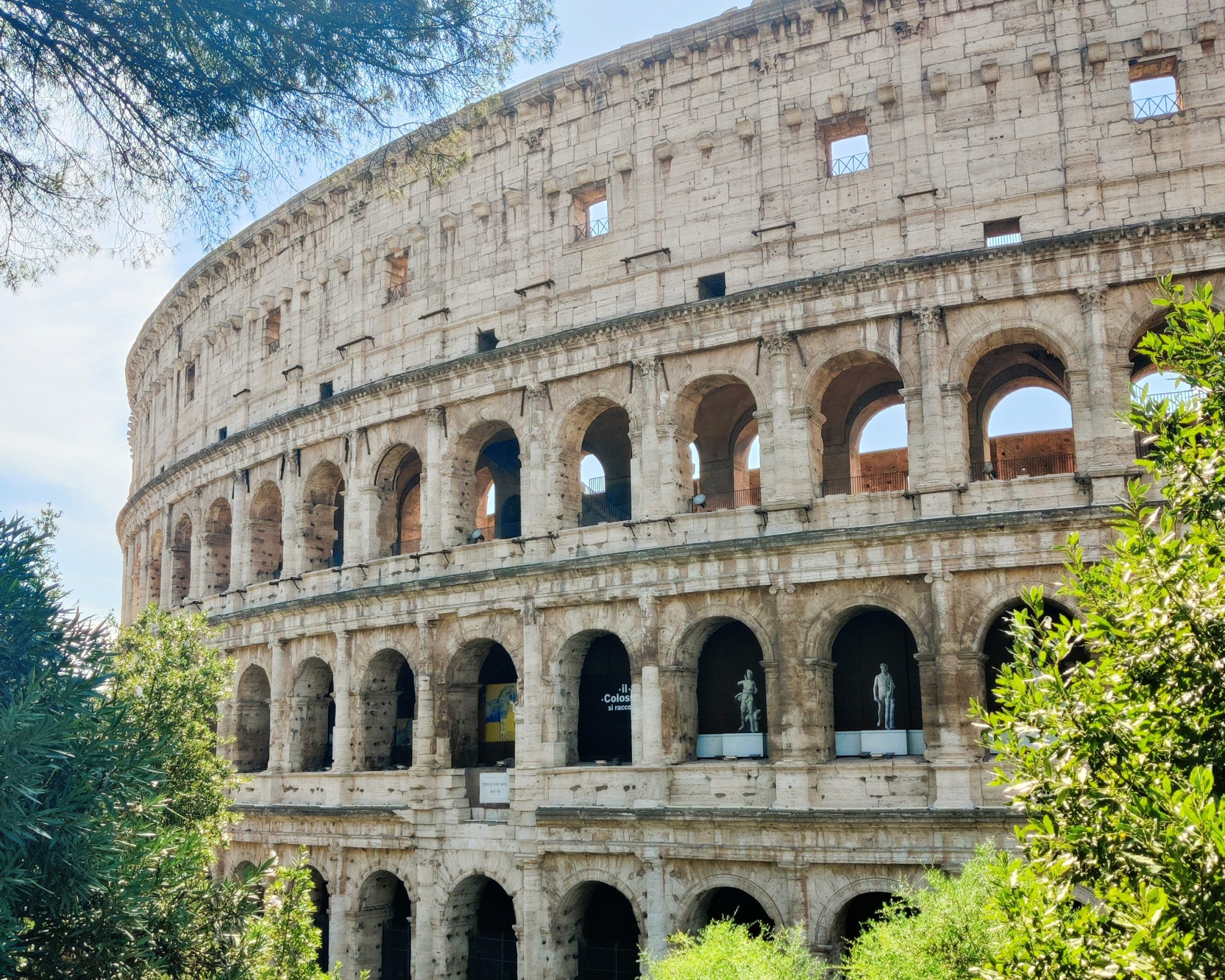
Let’s start the morning with a visit to the Colosseum, or as you’ve probably guessed, the largest amphitheater in the world. Known for its gladiator games and featured in many movies, you can’t really visit Rome without admiring this architectural masterpiece, which history has seen many upheavals.
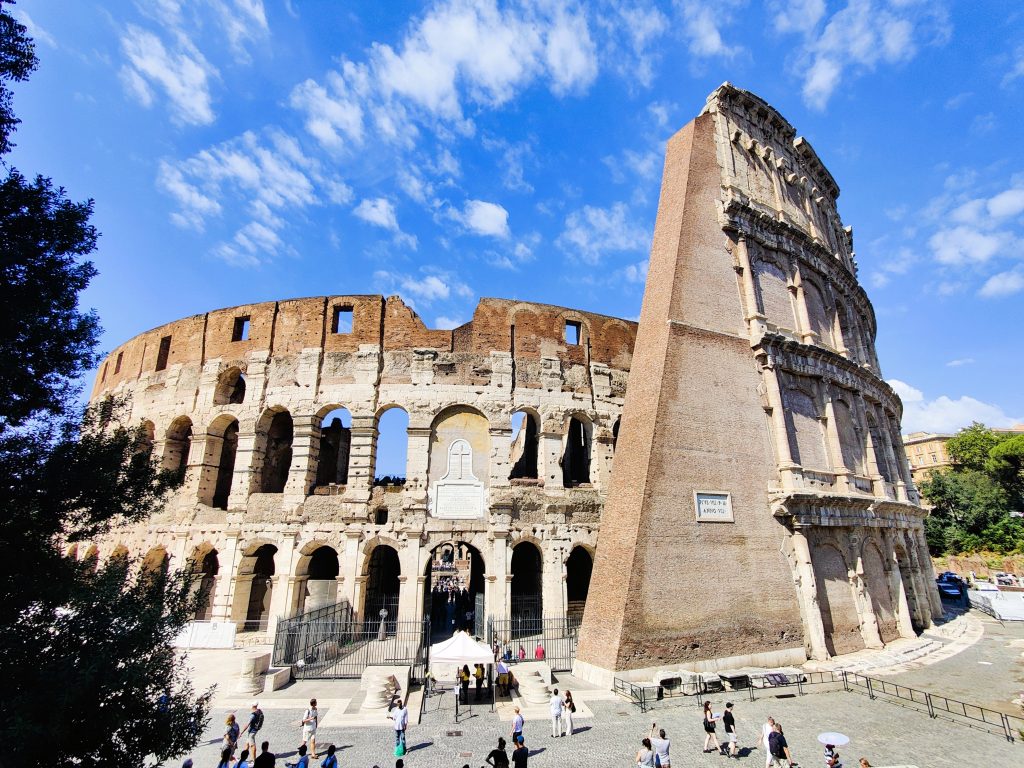
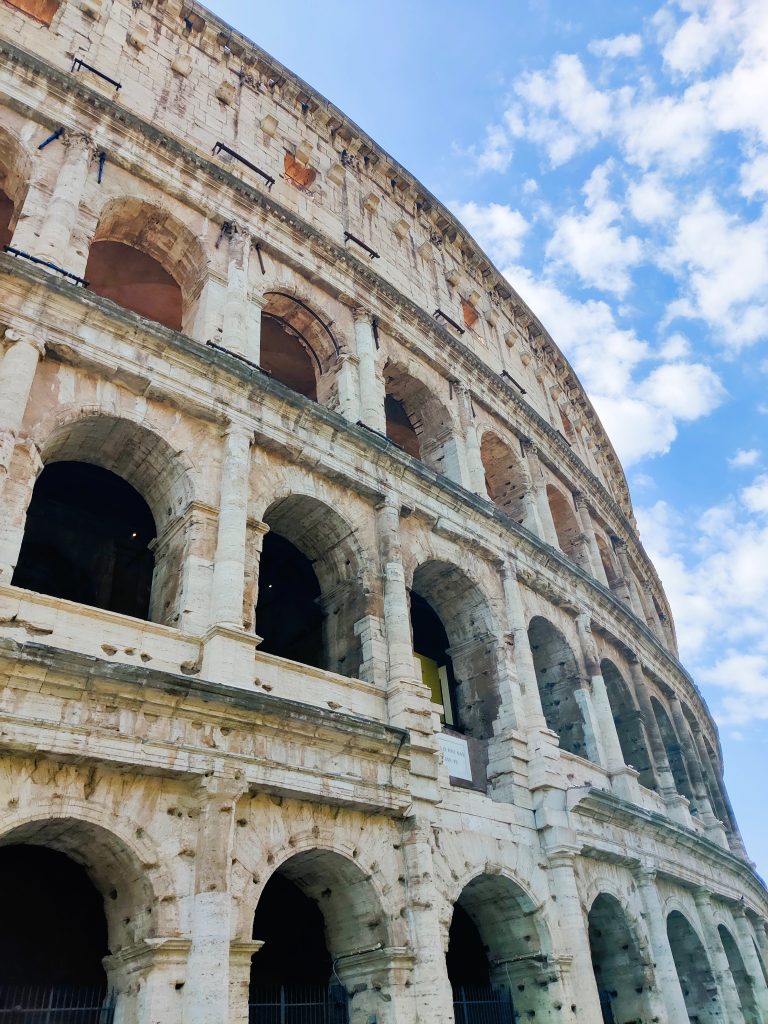
While many know it for its brutal spectacles, the amphitheater has undergone various transformations, even serving as a shelter for animals before becoming the famous ruins visited by thousands of people every day.
Since you’re in the area, you can then make your way to the Roman Forum, where you’ll discover the ruins of all the monuments built over the centuries. Temples, basilicas, political buildings, and many others have made the Forum the ancient site it is today, even though it was once the center of Roman life.
Where public meetings, trials, and commercial activities once took place, the vestiges of a powerful ancient civilization now stand.
Note: Ticket prices range from €18 to €24, depending on the experience.
→ Book in advance, are these attractions are very popular.
→ Don’t forget that some tickets are valid only during booked times, so plan your trip accordingly.
Lunch: Taverna Urbana
Because “When in Rome, do as the Romans do”: don’t forget to make a detour by this restaurant to try their cacio e pepe or carbonara.
Not too far from the previous attractions, be sure to make a reservation to guarantee a table at this delicious address!
Afternoon: sumptuous churches & basilica
I’m not very religious, but I love discovering new cultures and learning more about religions wherever I go. But what amazes me the most are the various places of worship and religious buildings found around the world.
They all have their own architecture, style, colors, and history, and to be honest, Italy has some of the most stunning churches and basilicas I’ve seen so far around the world.
After lunch, head back toward the Colosseum, but stop at Piazza della Madonna dei Monti before entering the nearby church, the Chiesa di Santa Maria ai Monti, where you’ll see beautiful frescoes as well as a revered image of the Madonna, all in a solemn atmosphere.
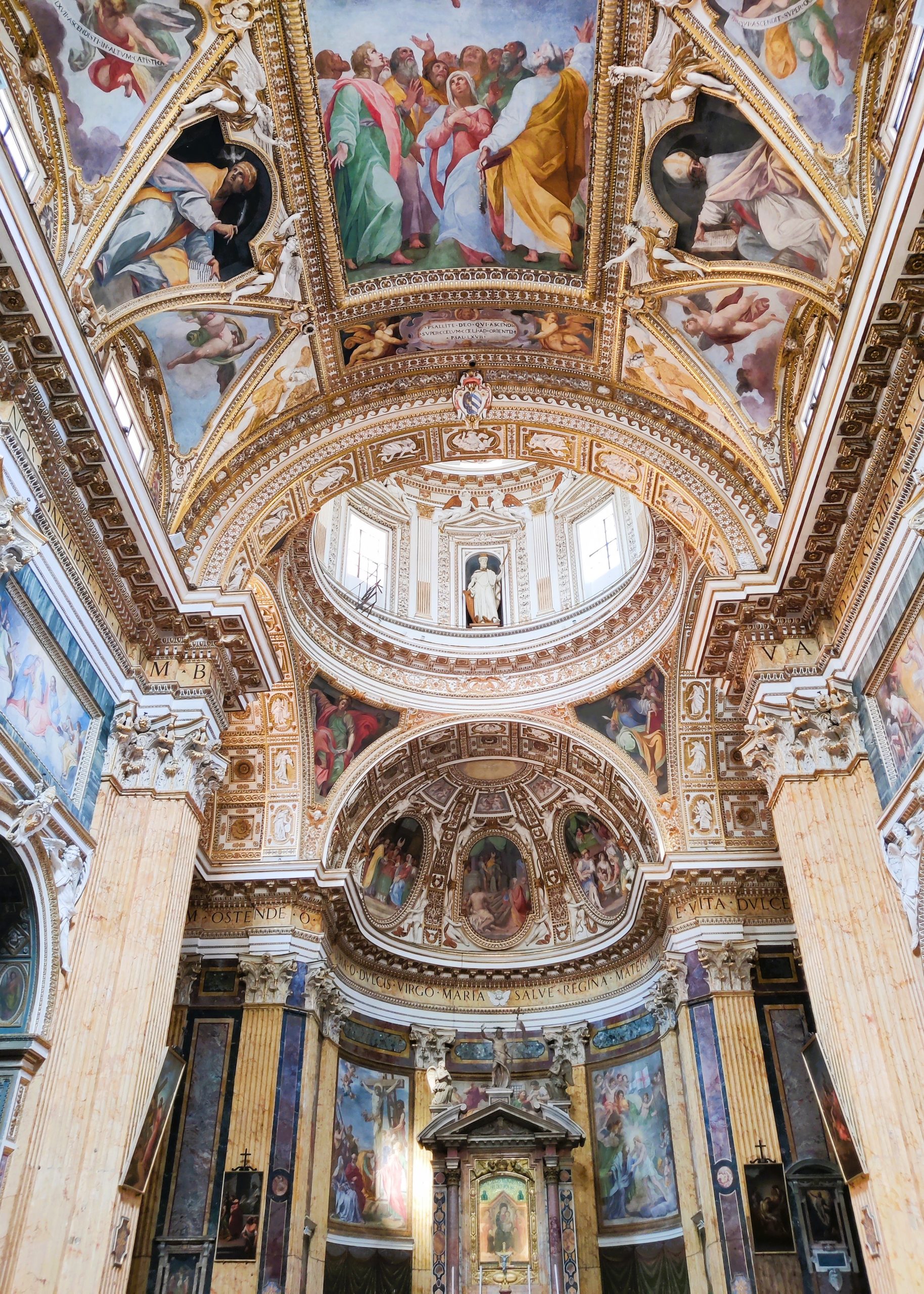
It’s one of those sites where the exterior may not seem very impressive, but where the interior will leave you speechless.
Note: if you’re a fan of Harry Potter, treat yourself to a Butterbeer and feel the magical vibes at Il Paiolo Magico, located right across the street!
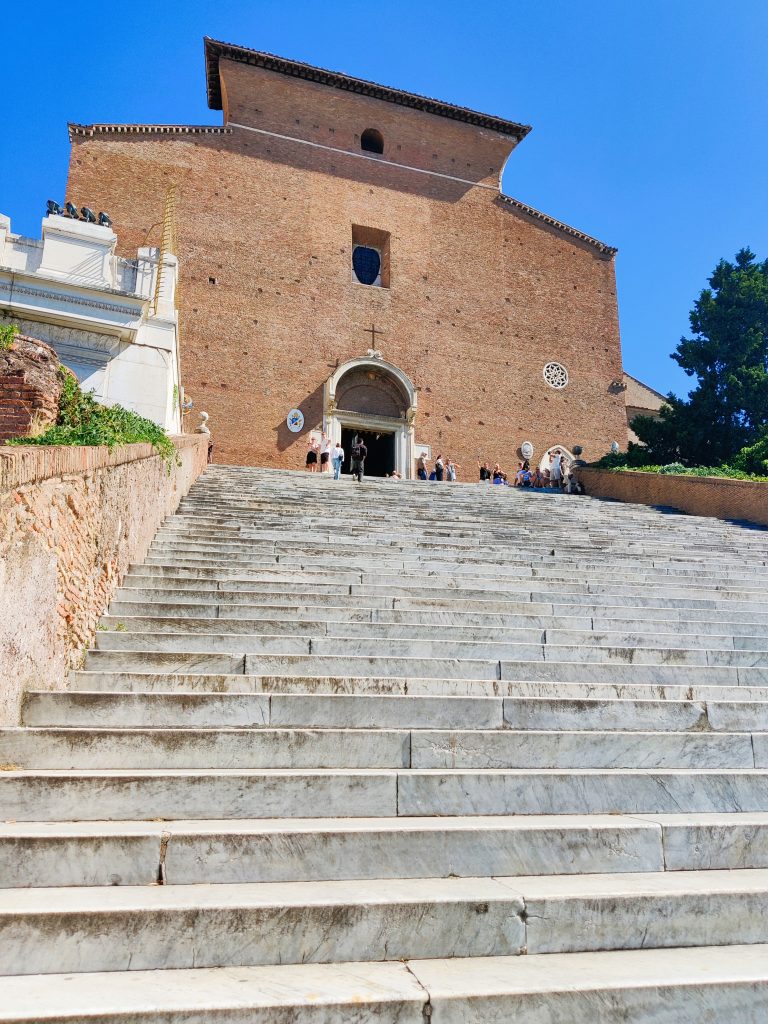
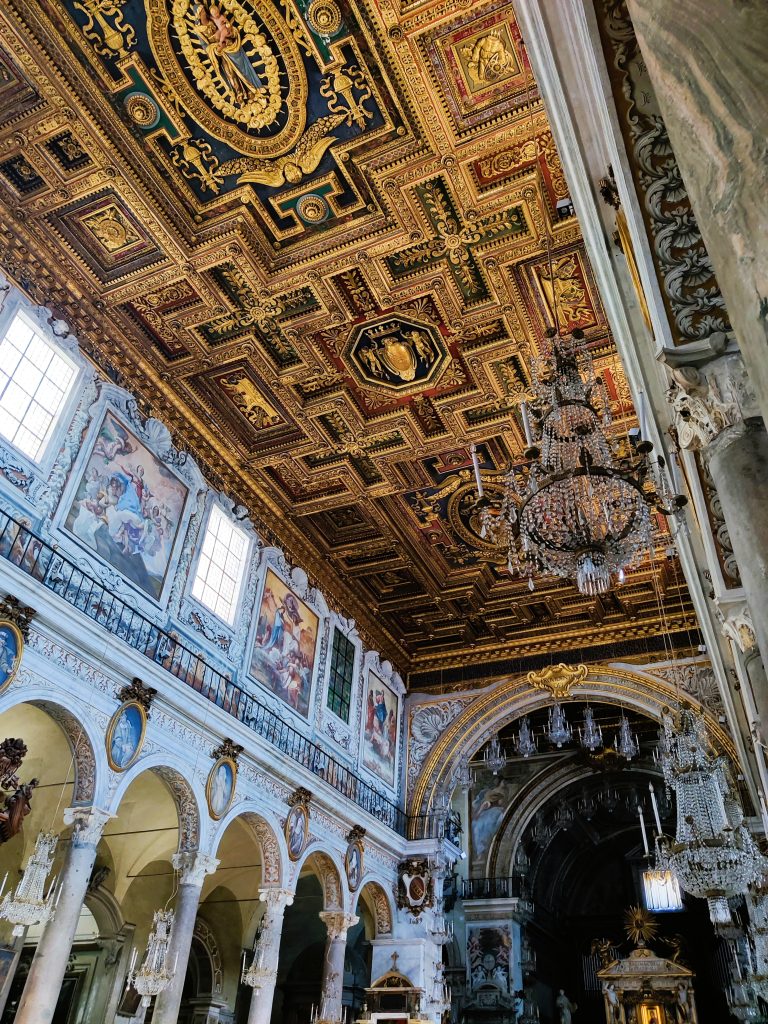
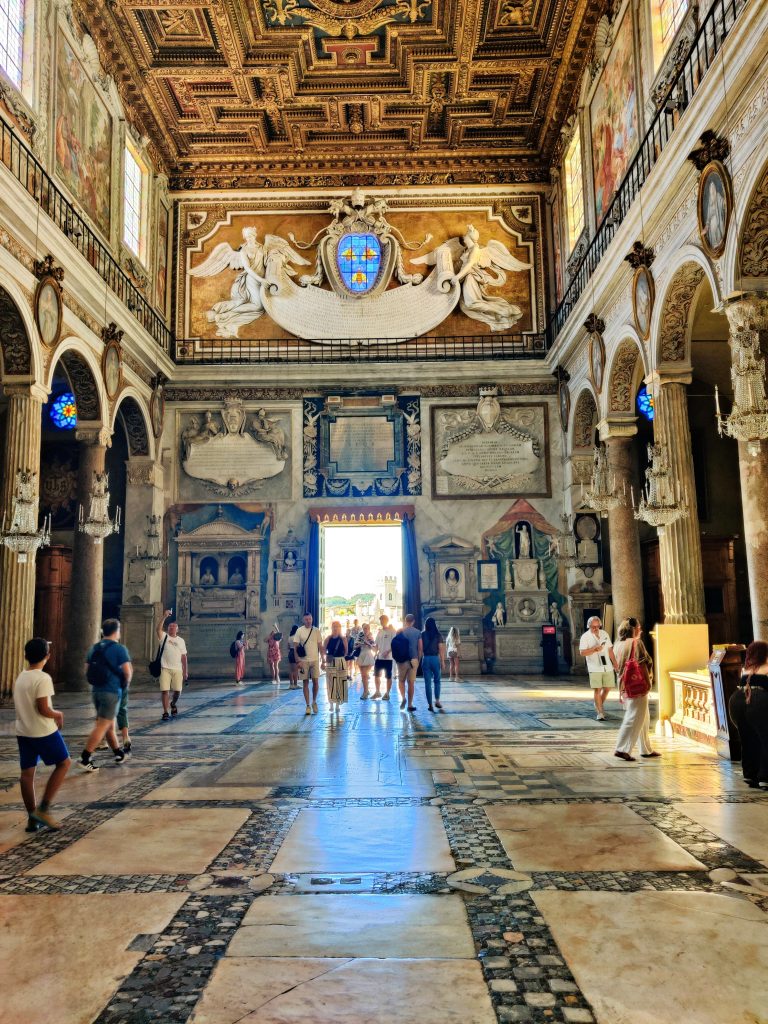
Continue your exploration of Rome and its wonders by stepping inside the Basilica di Santa Maria in Aracoeli.
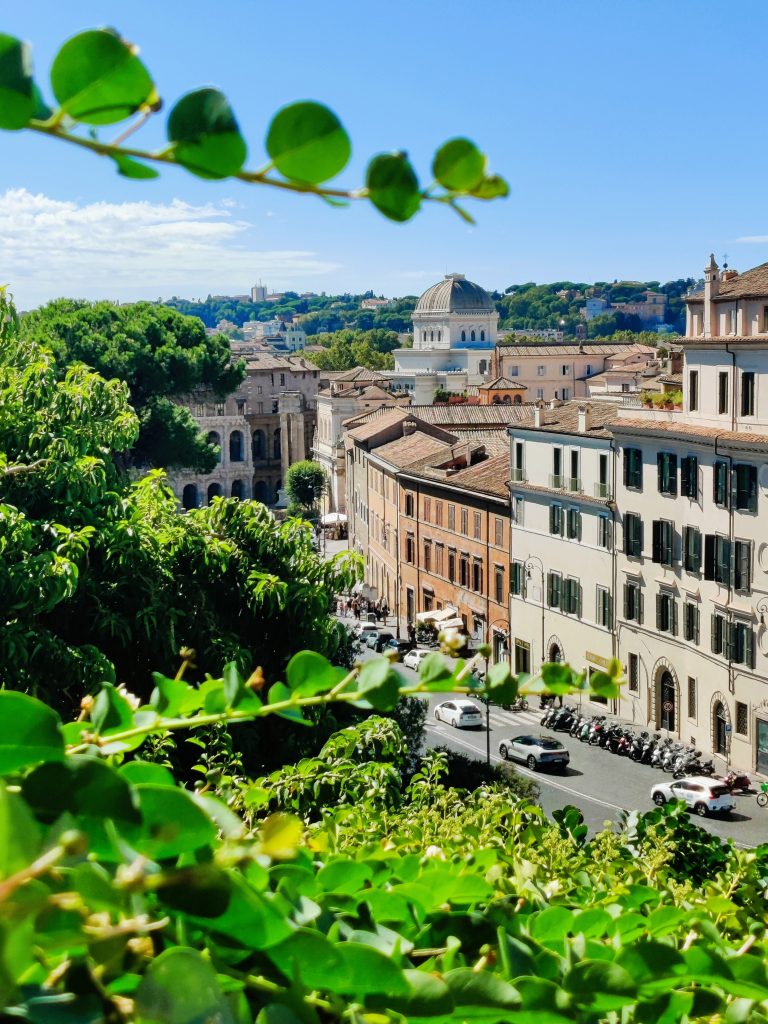
But first, you’ll need to climb its 124 marble steps before discovering its magnificent interior, wooden ceiling, and numerous little chapels. While the interior is unquestionably spectacular, its exterior, although simple and modest, offers lovely views of the bustling city of Rome.
And now the time has come to uncover my favorite church in Rome: Chiesa del Ss.mo Nome di Gesù all’Argentina (Church of the Most Holy Name of Jesus).
Located on a small, lively square, its façade features intricate details as well as statues of Jesuit saints, not to mention the inside, which left me in awe.
Not only is the church immense, but the natural light empahsizes every little detail on every surface.
But the highlight of the church is undoubtedly its ceiling, which features a masterpiece of paintings and stucco moldings, transporting every visitor to an ethereal and divine world. The fresco “Triumph of the Name of Jesus”, completed in the 17th century, further enhances the serene atmosphere that reigns inside the church.
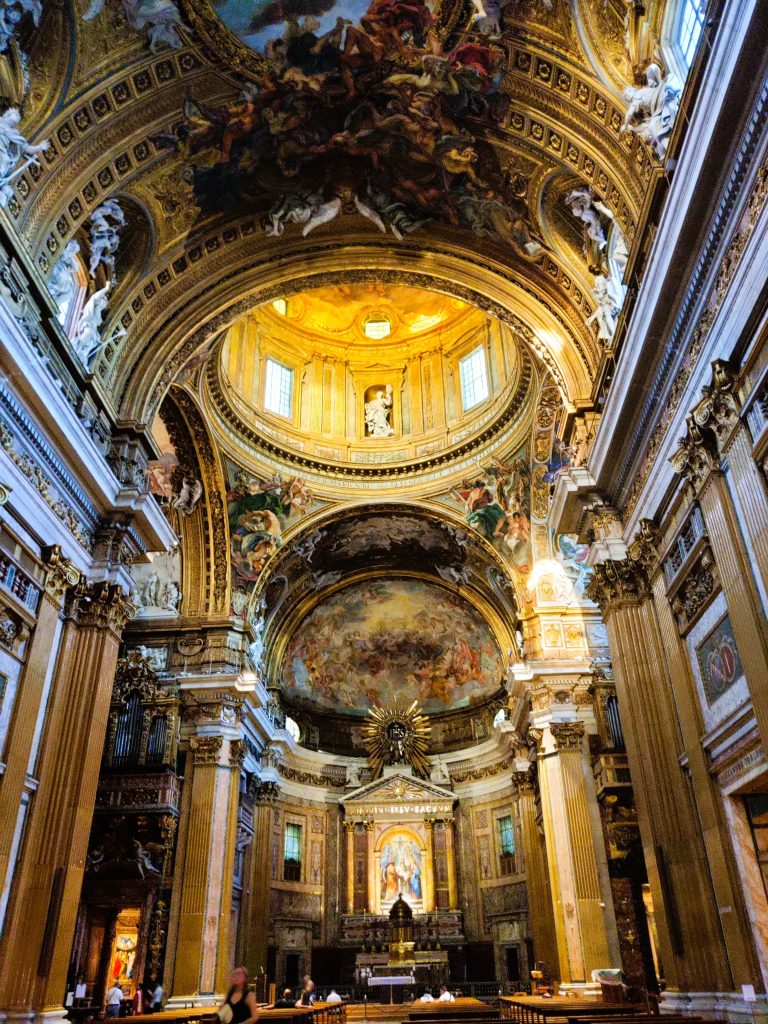
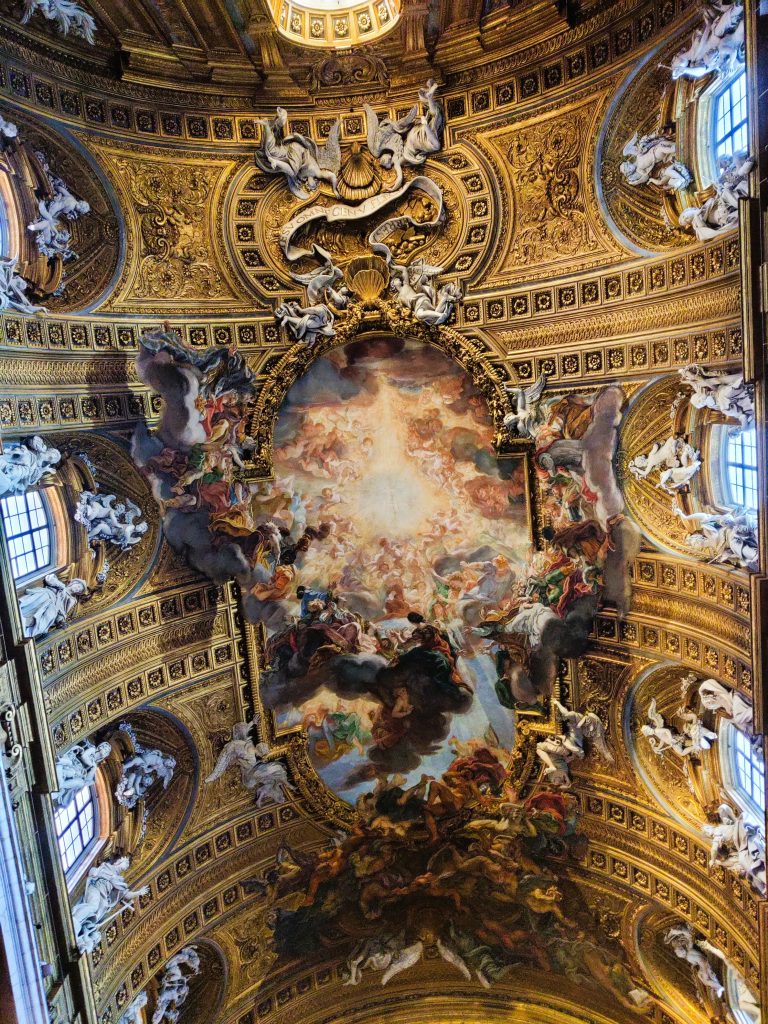
And even though this church wasn’t on my plans, this impromptu visit ended up being one of my favorite experiences in Rome. One I recommend to everyone, whether or not you’re into Baroque art or religious buildings.
To end a beautiful afternoon, what could be better than a visit to an iconic temple? Direction the Pantheon, where history and beauty transcend time.
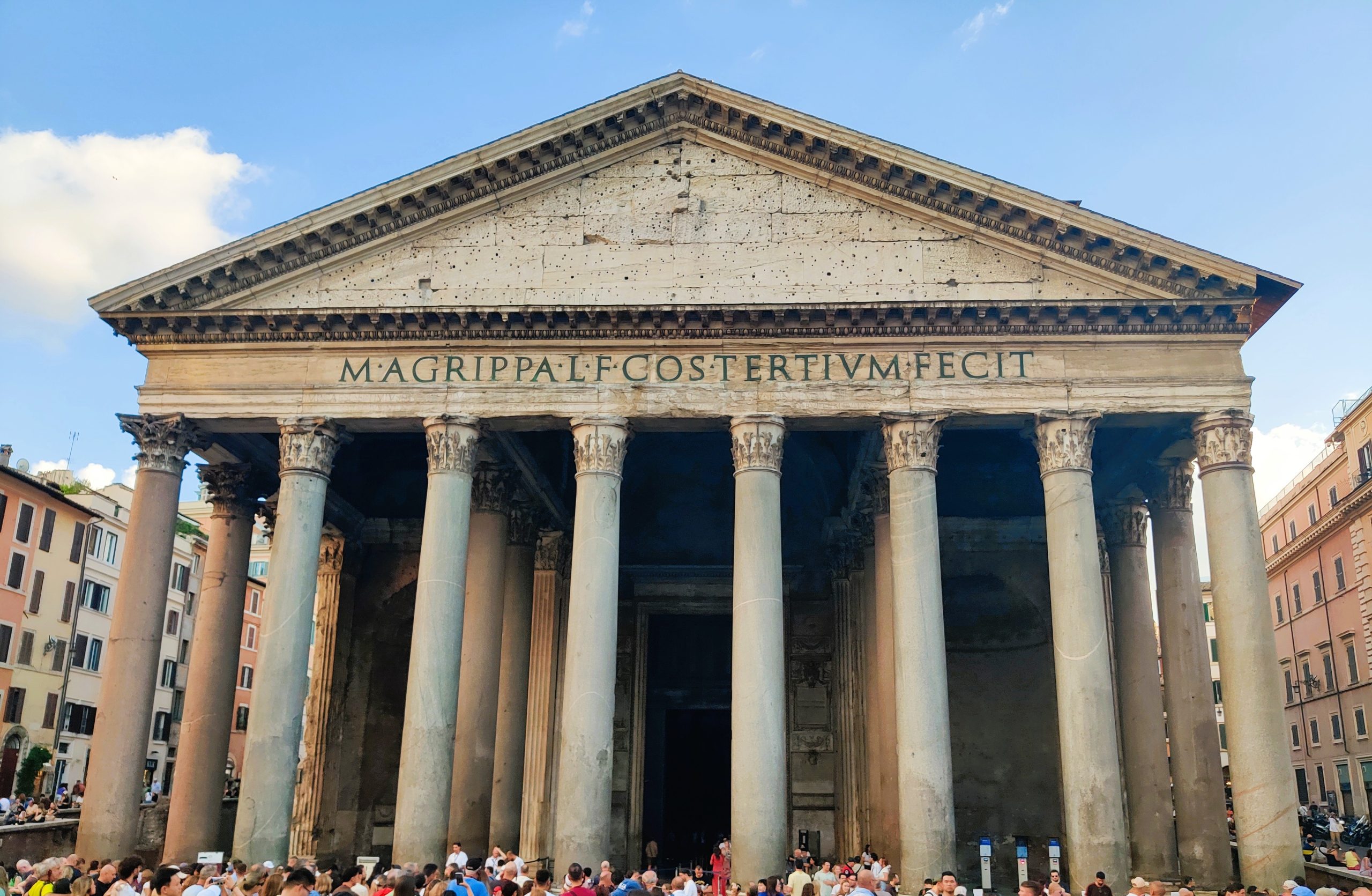
Keep in mind that it can get very crowded, as with all major attractions in Rome; so it’s best to visit in the morning or late in the evening, and to book your tickets in advance.
Note: tickets cost €7 per person.
Dinner: Enoteca e Taverna Capranica
If I had to recommend just one place to everyone, it would be this one! All the dishes were delicious: we ordered a selection of Italian cheeses, pasta, ravioli, tiramisu and chocolate mousse, which we devoured. And the service was very friendly and attentive.
The atmosphere also helped make our dinner very enjoyable, thanks to its cozy lighting and the peaceful ambiance.
You can both eat outside or inside, but I recommend indoor seating if you’re looking for a peaceful evening.
Note: remember to make a reservation beforehand.
Day 2: a more peaceful side of Rome
Although the Italian capital can quickly feel stifling, it’s pretty easy to get away from the crowds and enjoy vast parks and quiet neighborhoods. Here are a few places with that goal in mind.
Morning: outside the popular sights of Rome
Dreaming of a tranquil morning walk through a beautiful neighborhood? Head to Piazza Mincio, in the Coppedè district, to see a cute little fountain called Fontana delle Rane or Fountain of the Frogs.
While there are many fountains in Rome worth seeing, I particularly liked the quiet atmosphere of the neighborhood, its refined yet superb style, and the unique buildings surrounding the fountain.
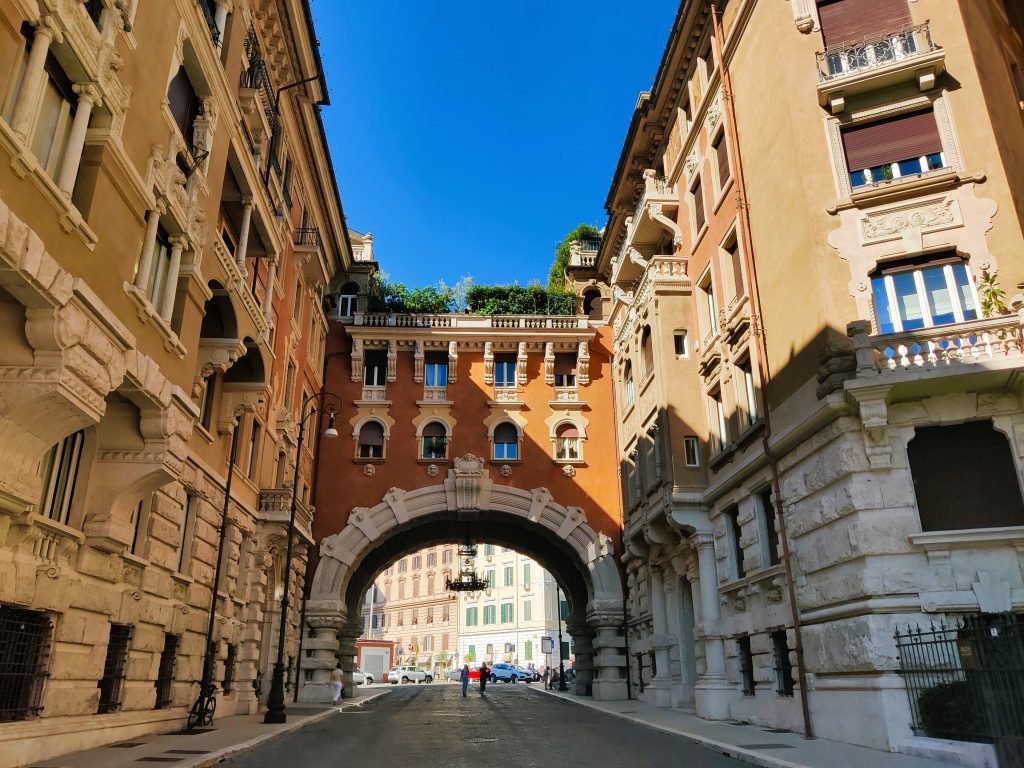
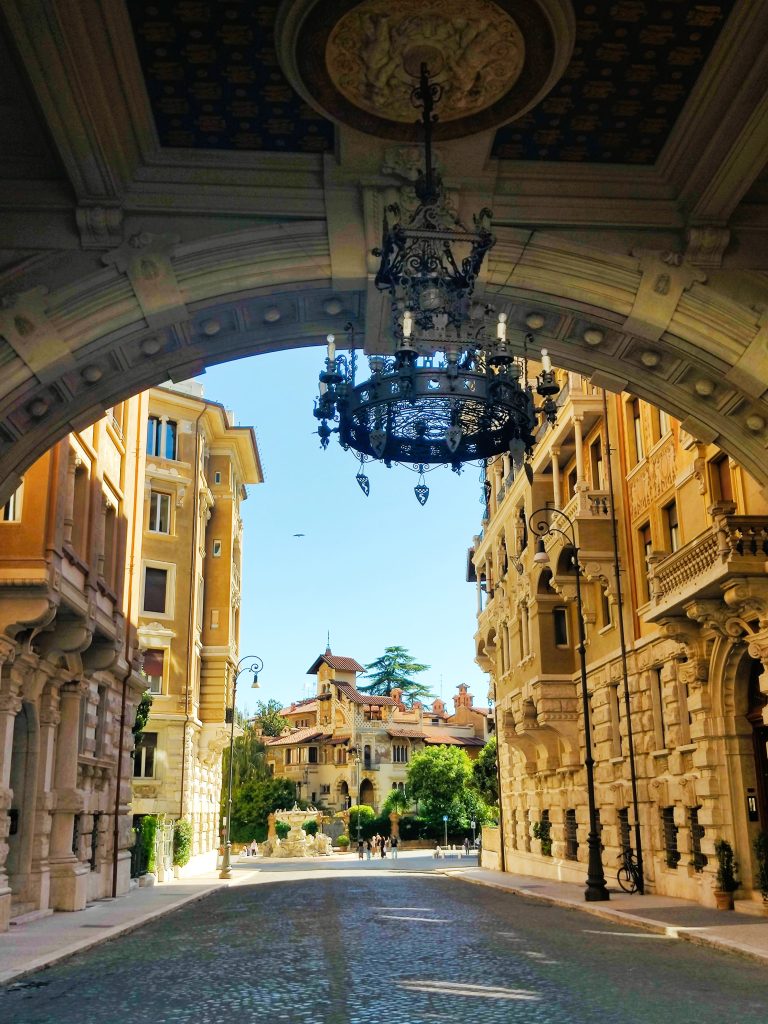
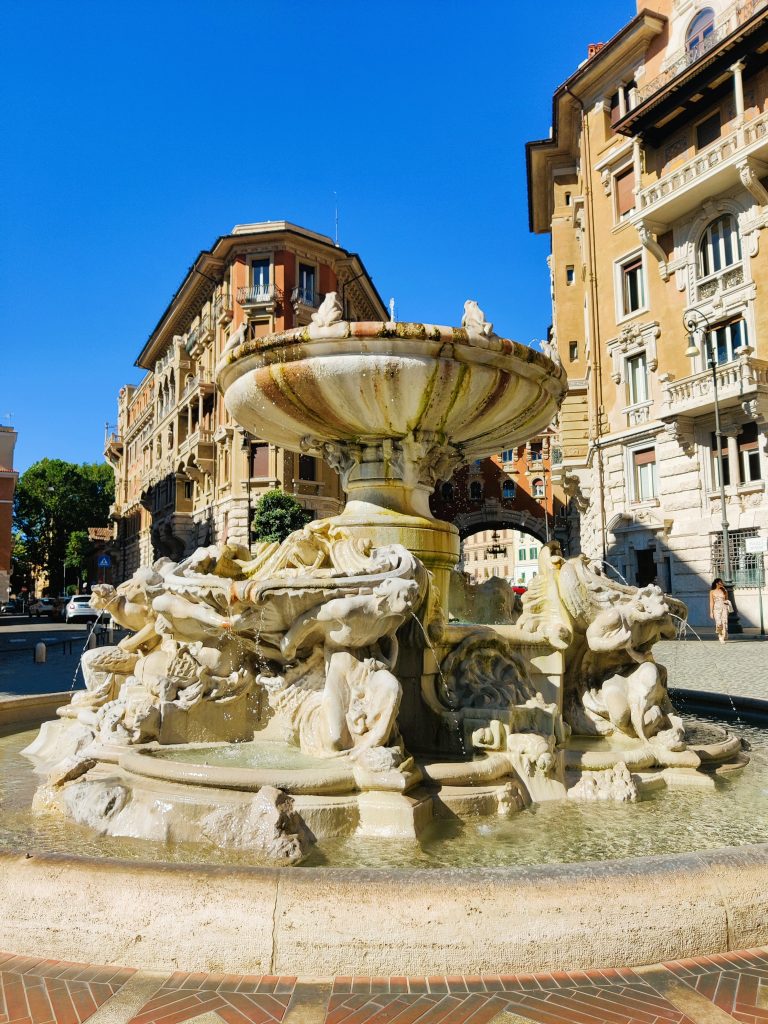
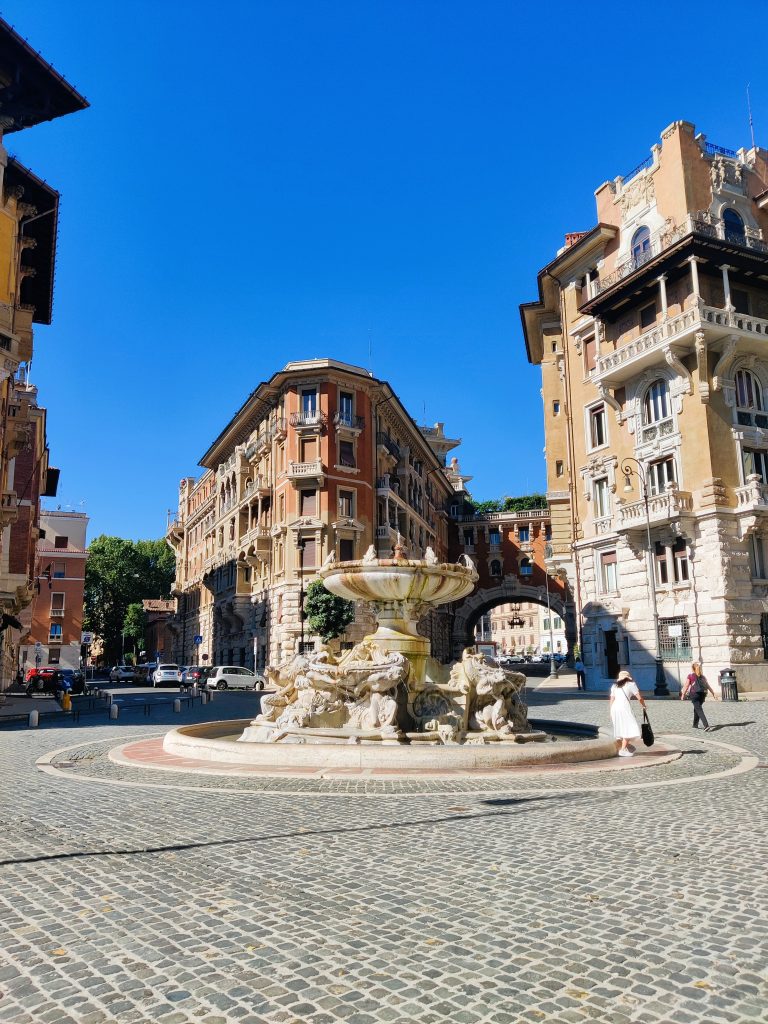
If you continue down the street, you’ll also have the chance to contemplate the distinctive arch and its wrought iron chandelier swinging in the breeze (Arco dei Palazzi degli Ambasciatori di Coppedé), as well as all the many sculptures and wonderful architecture present in the neighborhood.
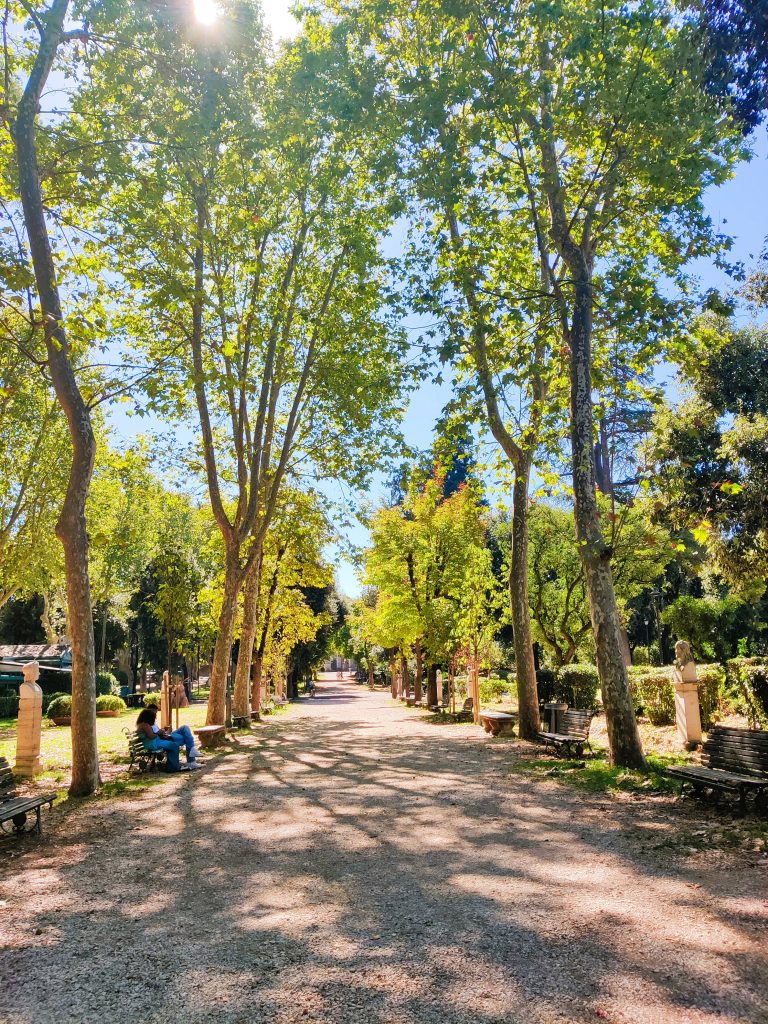
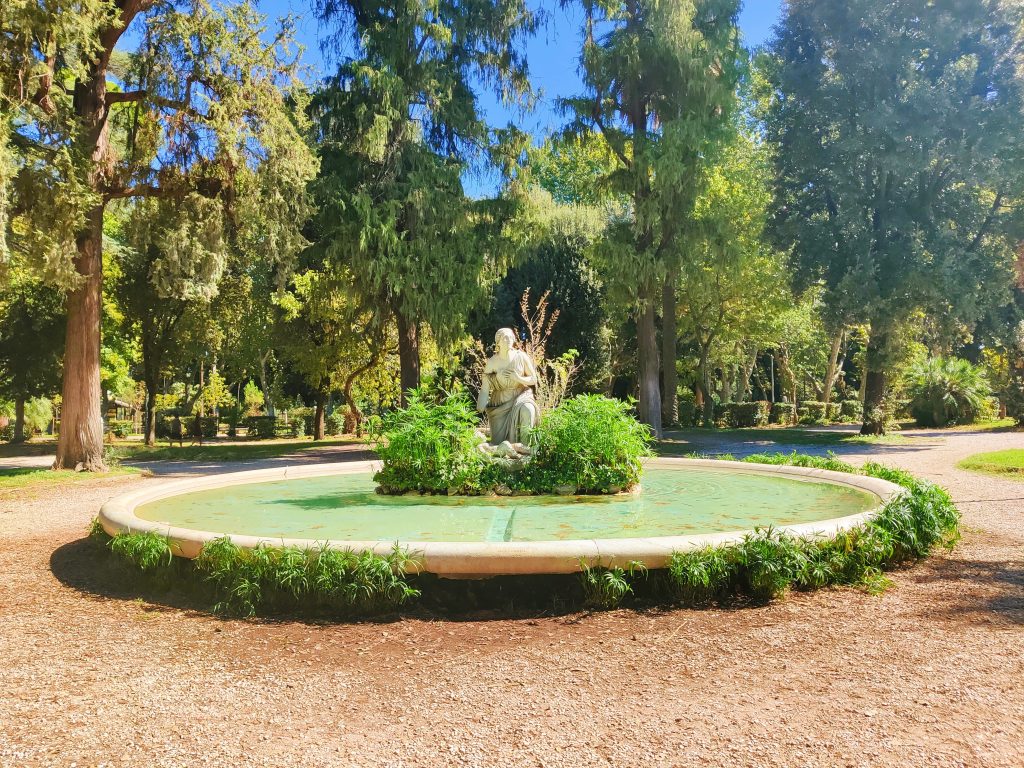
You can then take a short bus ride (20mn) to Villa Borghese, a gigantic park featuring a lake, vast gardens, and a museum, making it the ideal break from the city.
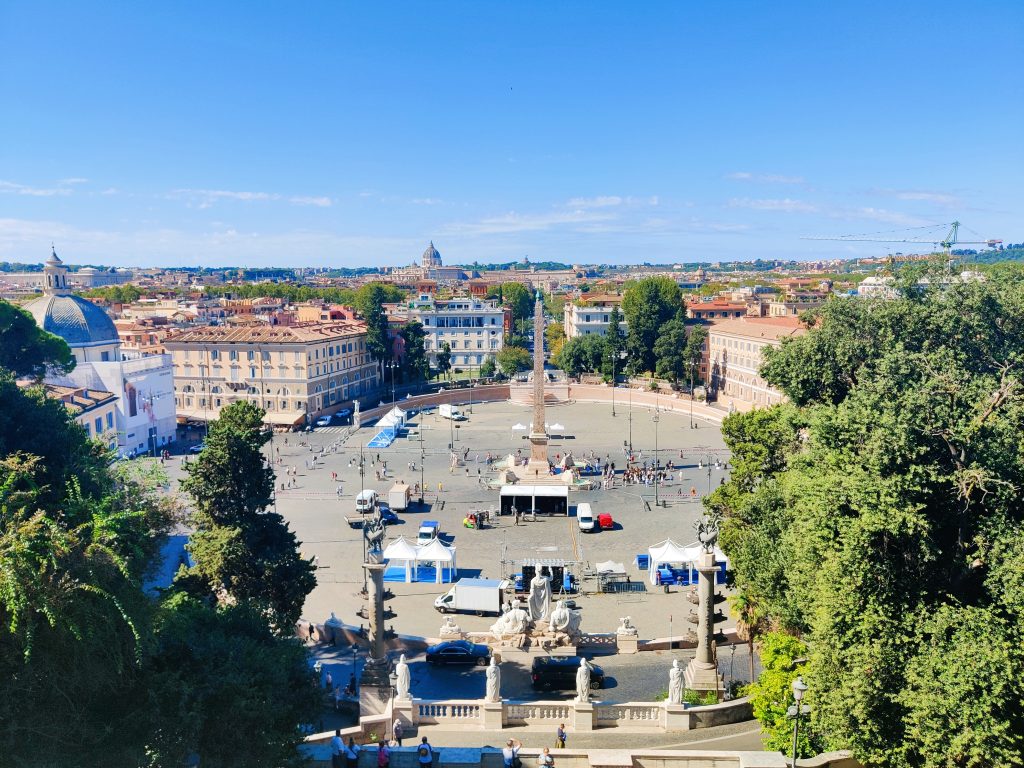
It’s probably one of the most iconic places to enjoy nature and escape the summer heat. And since you’re in the area, don’t miss Basilica Parrocchiale di Santa Maria del Popolo, a beautiful basilica located on the Piazza of the same name and home to masterpieces by Caravaggio and Raphael.
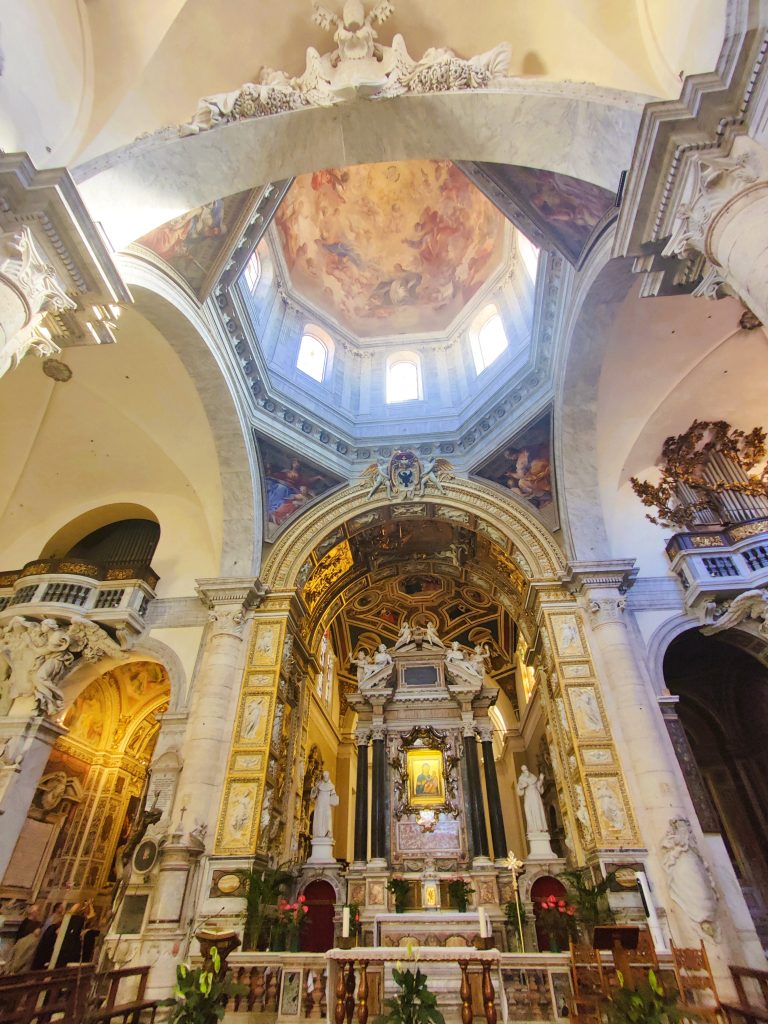
Note: Be sure to bring €2 to turn on the lights above the paintings.
And if you’re coming to watch the sunset or the night view, head to Terrazza del Pincio to enjoy a nice viewpoint!
Also: if you like museums, you can visit the National Gallery of Modern and Contemporary Art nearby (€17).
Lunch: Supplizio
Traveling to Rome? Try one of its most popular street foods: supplì or what you might call a fried rice ball that comes in a variety of flavors (classic, carbonara, amatriciana…).
Although it’s more of a snack than a hearty meal, if you’ve already had breakfast and want to sample some local cuisine, check out this address.
Afternoon: theather and city views
Another ancient monument, whose construction began under Julius Caesar, the Theatre of Marcellus is actually dedicated to Augustus’ nephew.
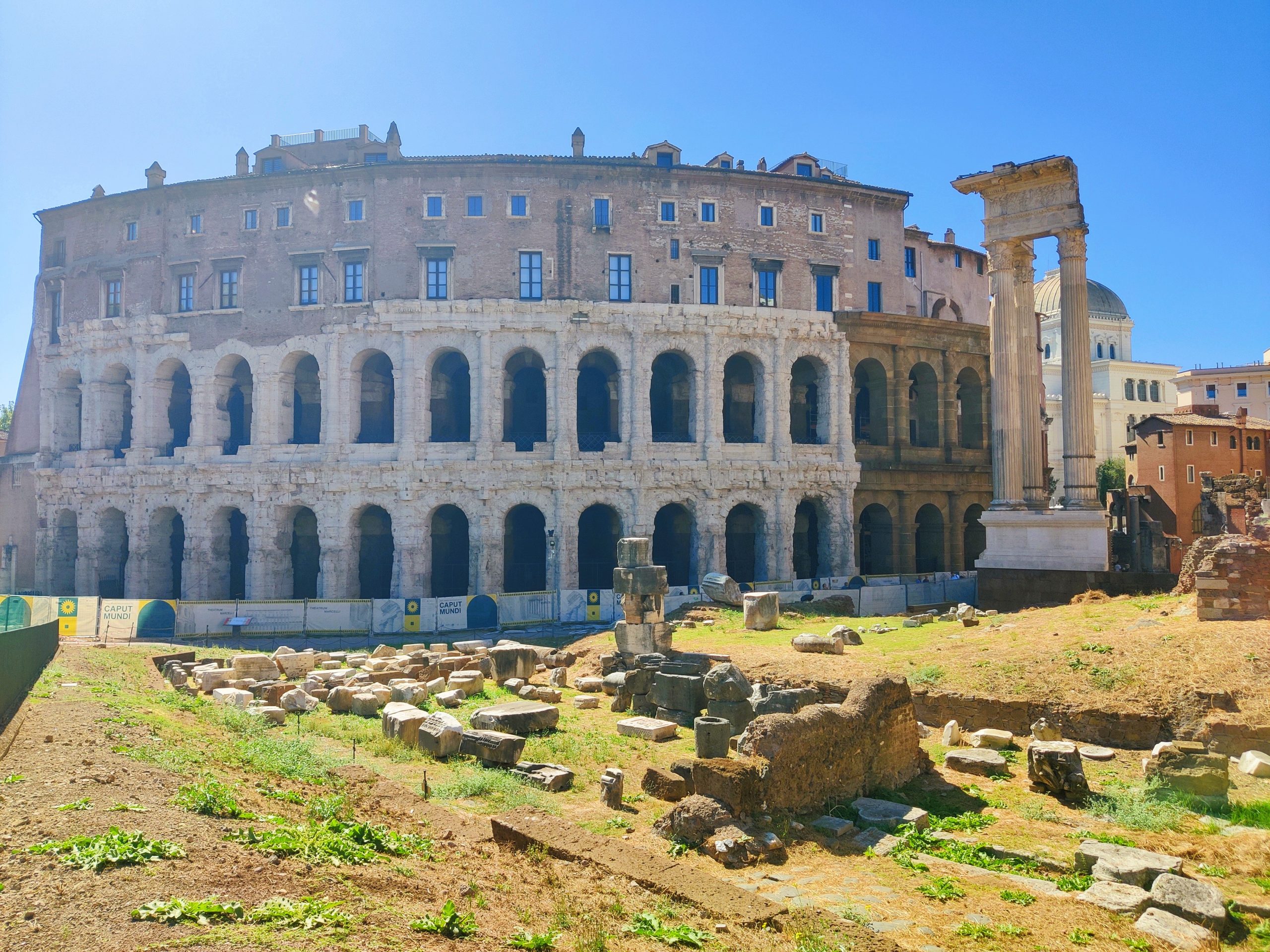
Originally designed to host stage performances, it later became a fortress, before finally housing small apartments.
Today, you can visit the theather’s foundations for free and see its archaelogical remains to learn more about its history and its different buildings.
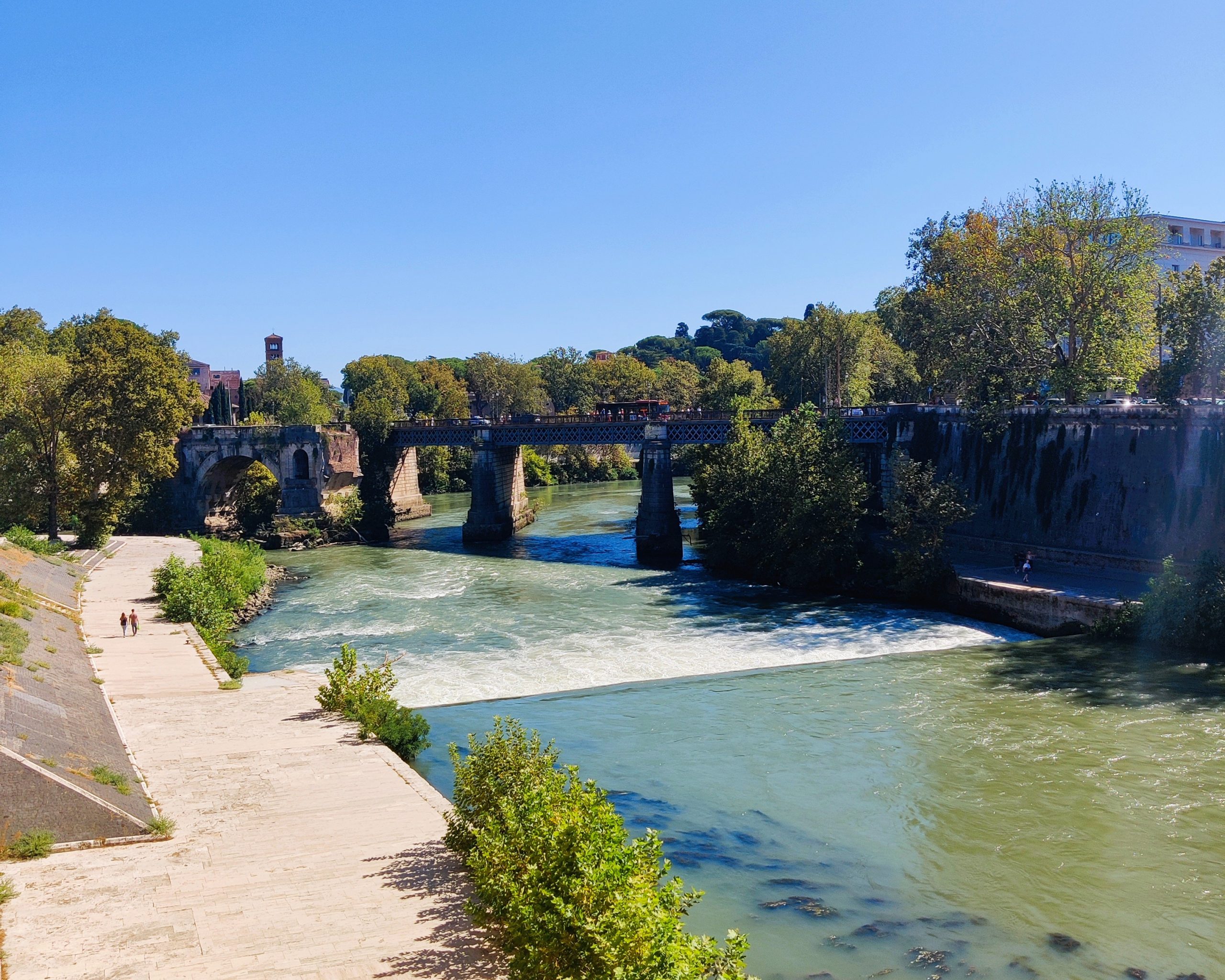
You can then take a stroll along the River Tiber, and visit Tiber Island, and discover a few ancient historic buildings, including a hospital, while enjoying a tranquil experience and and a relaxing atmosphere.
Longing for more free activities? Head to Circo Massimo (Circus Maximus), where chariot races were once held, before Julius Caesar turned it into a circus where thousands of people cheered on their favorite teams.
As impressive as its history, its sheer size also attests to the grandeur of the celebrations and games that took place there.
Note: You can rent VR headsets to immerse yourself in history and relive the chariot races.
It’s time to wrap up the day and admire Rome from above at Giardino degli Aranci (The Orange Trees Garden). A tranquil grove in the heart of the city and a haven of peace offering breathtaking views awaits you there.
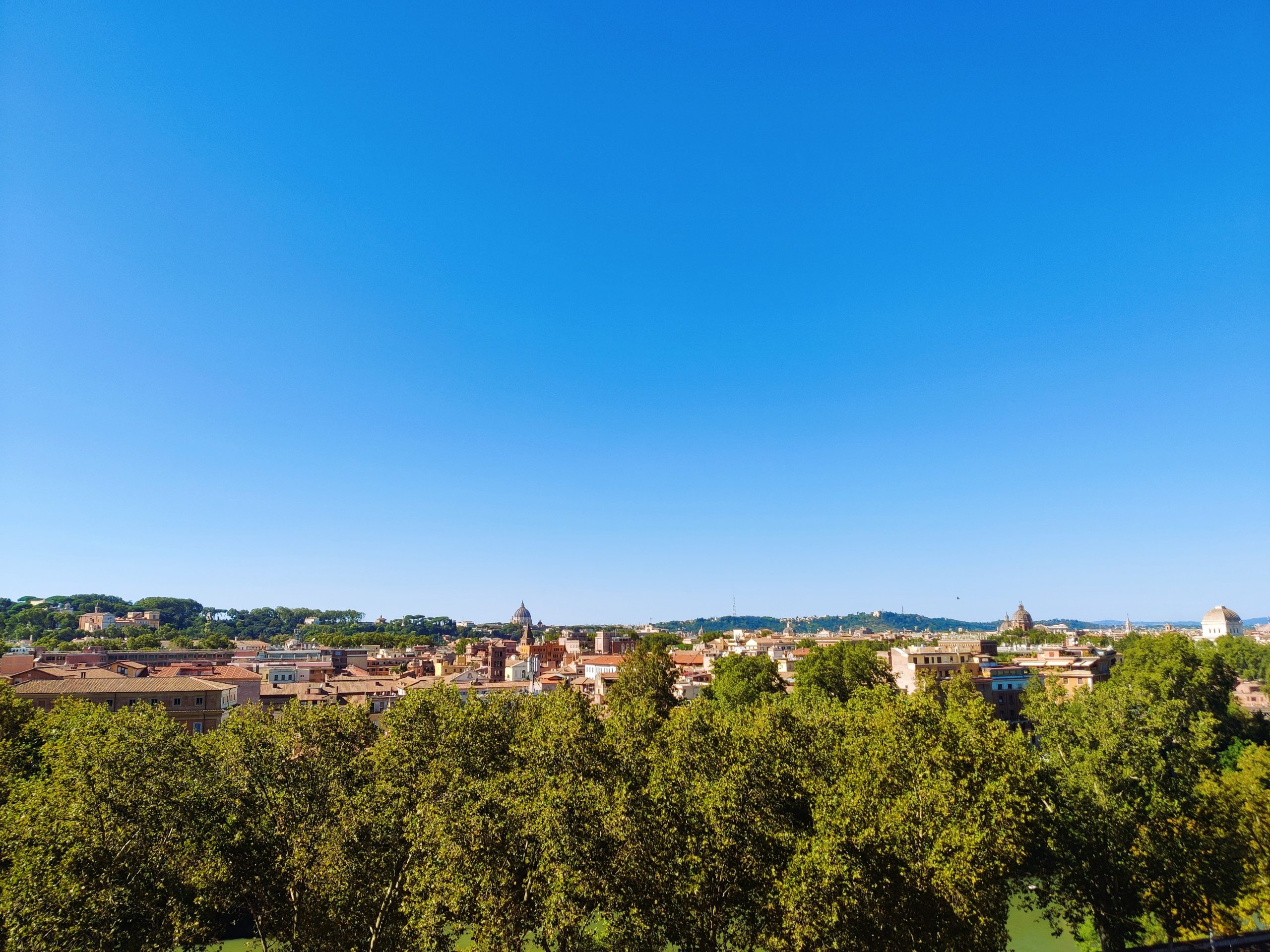
Popular during sunset, this spot also offers perfect conditions at any time of day to enjoy a moment of calm and see St. Peter’s Basilica from the viewing platform.
Note: while it’s called The Orange Trees Garden, you’ll only be able to see oranges between December and February, with February being the peak season.
Also: For a framed view of St. Peter’s Basilica, head to the nearby Keyhole of the Order of Malta. Be prepared to wait in line, though.
Dinner: Grano Trattoria
Want to enjoy a nice, relaxing dinner with a view of one of the most beautiful churches of the city? Head to Grano Trattoria, where the service is just as delightful as the food.
Pesto pasta, carbonara, and other dishes are sure to satisfy your appetite and leave you feeling content after a day of sightseeing!
Getting around Rome
Rome being a big city, public transportation can be tricky, and honestly, it’s probably one of the worst systems I’ve seen so far.
Between the delays, the endless subway tunnels, the lack of signage or confusing directions, and the crowds (sometimes no matter what time of day it is), navigating Rome was a bit of a headache.
So here’s what you need to know if you don’t want to waste your time and drive yourself crazy!
- You can tap on your credit card or phone directly on the reader on every bus/metro so you don’t have to always buy a ticket every time. Plus, you get 100 minutes of free transfers.
- If you need to buy a ticket, you’ll find ticket machines in metro stations (usually just before the turnstiles), at local kiosks, or at tobacco shops. You also have the option to purchase passes valid for 24, 48, or 72 hours.
Don’t forget to validate your ticket on the bus or in the metro before using it.
- Don’t download any apps, they’re not reliable.
- Sometimes, bus stops aren’t announced once you’re on the bus, so always have Google Maps handy to follow your route and get off at the right stop.
- There’s a lot of traffic in Rome at any time of day, so avoid rush hour and be patient, because public transportation doesn’t really run on schedule. Expect plenty of delays.
2 Days in Rome – Map
Accommodation options in Rome
Staying in Rome on a budget is a little more challenging, but not impossible. Here are two options if you’re traveling with a friend and one option for solo travelers.
- La Dimora dei Consoli – Apartment San Peter: you’ll have an entire apartment to yourself, located in a more remote neighborhood of Rome. The apartment is cozy, nicely decorated, and even offers free coffee and tea for early risers who need their caffeine fix.
- Like Family House: a simple, private room with easy access to public transportation in a tranquil area of Rome (Roma Nomentana station). The big plus of this comfortable accommodation is its free breakfast, where you’ll find fresh pastries, yogurt, cereal, and more every morning.
Ideal for taking the train to the airport (1 hour).
- The RomeHello: with its prime location near the city center and a 10-minute walk from Roma Termini station, this hostel offers comfortable rooms, the possibility to have breakfast (for an additional €2-€3), and a clean environment.
The only downside might be the lack of curtains in the dorms, but the beds are arranged to ensure enough privacy.
2 days in Rome on a budget? How much does it cost?
Traveling to Rome on a budget is doable, especially since many attractions are within walking distance and public transportation (though somewhat unreliable) is rather cheap.
🏨 Accommodation: €100 – €150 → Book available hotels
🚌 Transport: ~€25 → Subway/Buses + Train or bus to and from the airport
🍜 Food: ~€80
🎭 Activities: €17 – €30 → Check activities
📱 eSIM (3 days): €10 → Get a SIM/eSIM card
✈️ Travel insurance: €50 → Get travel insurance
FAQ
Why isn’t the Trevi Fountain included in this itinerary?
I didn’t include this famous landmark because I don’t think you can really appreciate its beauty anymore: everything is behind barriers, and you have to pay €2 if you want to get a little closer to take photos.
The place has become more of an “Instagrammable” spot than a place where people take the time to contemplate the fountain’s beauty, which really disappointed me.
If you want to see it without the crowds, it’s best to come early in the morning!
Is there a dress code to respect when visiting religious sites?
Some sites don’t provide any guidelines, but if you intend to visit a place of worship or a religious building, it’s considered proper etiquette to cover your shoulders and wear a knee-length dress or skirt.
Do I need to purchase the Roma Pass or the Omnia Card?
If you’re only staying for two days and don’t plan to visit any museums or the Vatican, you can do without them.
What’s the best way to explore Rome?
In my opinion, the best way is to get around on foot, since the main attractions are within walking distance. Plus, getting lost in the cobblestone alleys has its own charm, and that’s also how you’ll discover hidden gems. Leave room for the unexpected and have fun getting lost and visiting places that aren’t on your itinerary.
Do you have two days in Rome? Sure, that might seem too short, but I think it will give you a glimpse of the city’s beauty and will undoubtedly make you want to visit again. Because, let’s be honest, I don’t think even a month would be enough to see everything Rome hides behind its crowded, bustling streets. There are so many tranquil, little-known neighborhoods that exude la dolce vita and ancient history…