
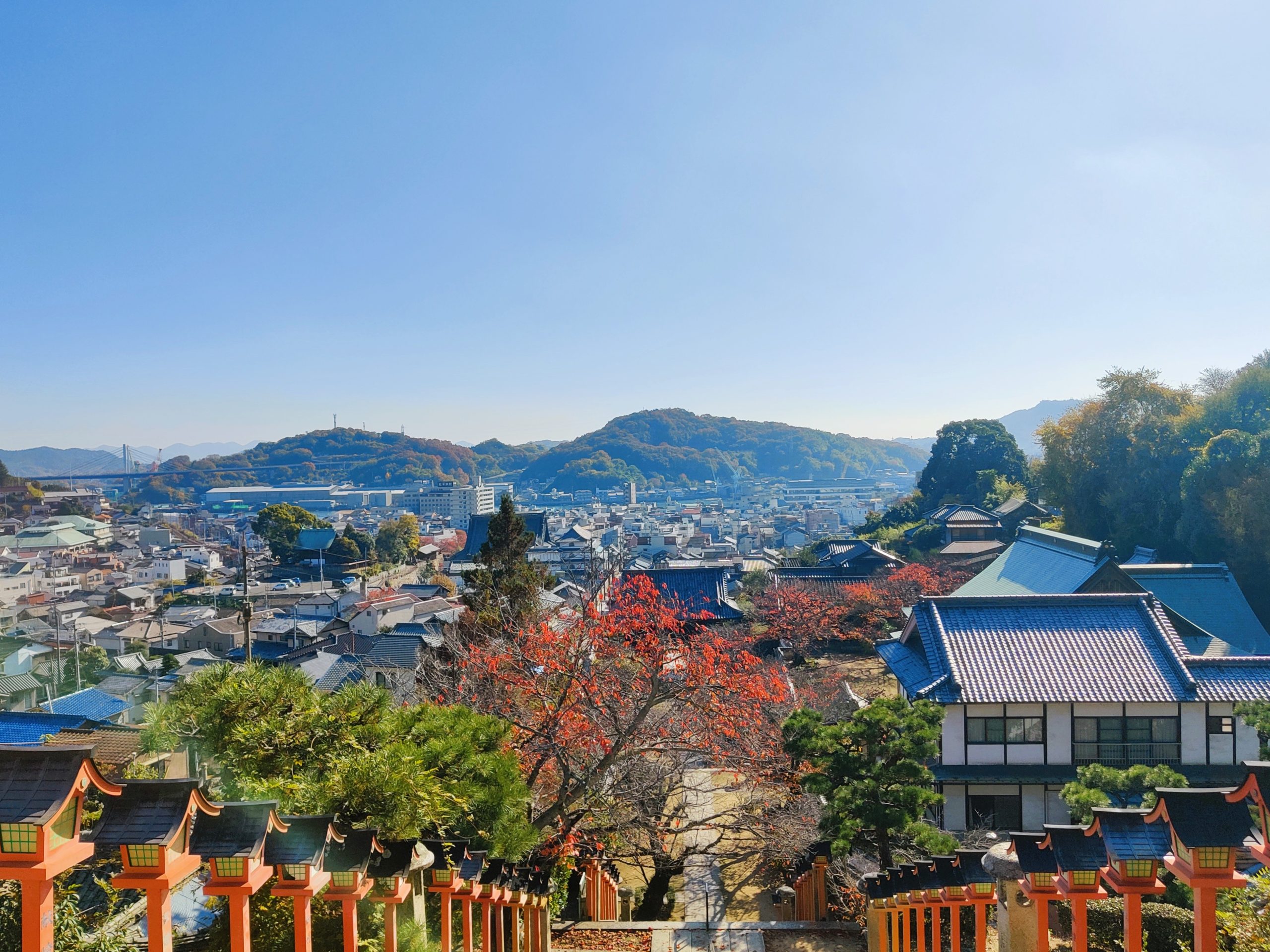
Japan Itinerary: 12-Day Discovery For First-Time Visitors
Exploring a country for the first time is often synonymous with hours of research on the things you want to see and do. But it can quickly become overwhelming, as there’s always so much to see in a country that a month is never enough.
So, what should you do when you only have a week or two? Here’s my 12-day itinerary, which includes two cities on the famous Golden Route, but that’s not all!
Intrigued? Keep scrolling!
This post contains affiliate links. Whenever you buy something through one of these, I get a small commission, without any extra cost to you. Thank you!
Save it for later!
Best time to visit Japan
Let me say it again: there’s no best time to visit a country, what matters are your preferences and your schedule.
Every season has its pros and cons, so let me give you a quick overview of what you can expect in each season!
Spring: the famous, beautiful, and ephemeral sakura season, when people spend their time admiring the delicate pale pink and white flowers and have cozy picnics under the cherry trees in bloom (also known as “hanami”).
Pleasant temperatures, though it can be a bit chilly in early spring, but this a very popular time to visit, so you’ll need to book in advance and expect some crowds, especially around famous areas.
Summer: fun times and hot temperatures await! It’s festival season, but also of high humidity, monsoons and typhoons.
A beautiful day at the beach under the sun can quickly turn into a downpour, so pack your bags and plan accordingly!
Autumn: aah, fall foliage with its fiery, vibrant colors and pleasant temperatures. It’s the ideal season for outdoor activities such as hiking and sightseeing.
But just like in spring, accommodations tend to fill up quickly and it’s also one of the busiest times of the year for tourism. And since temperatures start to drop, it’s also cold and flu season, so don’t forget to pack a warm jacket.
Winter: if you like snow, the magical athmosphere and seasonal festivals, you won’t be disappointed in winter. Not to mention, it’s the perfect time to relax in an onsen after a busy day.
And if you don’t like the cold, you can still opt to visit Southern Japan or Okinawa to enjoy milder temperatures and escape the winter.
Of course, if you decide to visit during the colder months, you’ll need to dress in layers and stock up on hot packs. You can also expect some delays in transportation, especially in snowy regions.
Visa
You probably won’t need a visa thanks to the visa waiver agreements Japan has with 74 countries. You can also enter the country for up to 90 days, depending on your nationality.
And for smoother procedures, such as immigration and customs, where you can avoid filling out paper forms, don’t forget to create an account on Visit Japan Web.
Language
Japanese is the official language of the country. English is not widely spoken, but you can get by with basic English and the use of a translator app such as Google Translate. Don’t forget to learn a few local words, which is always appreciated by the locals.
Money
The official currency of Japan is the Japanese yen (¥/JPY).
Phone
Don’t forget to buy a SIM/eSIM card! Wi-Fi is available in many places, but not everywhere, and it’s always better to have one, so you don’t have to rely on it.
My tip: opt for Sakura Mobile: reliable and fast internet, and reasonable prices.
You can also use Airalo or Holafly, or buy your physical SIM card directly at the airport if your phone isn’t compatible with eSIM or if you simply prefer a physical option!
For your information, unlike many countries I’ve visited, you won’t necessarily get a local number in Japan.
Transportation
As in many cities in Japan, it’s pretty easy to get around thanks to their efficient public transportation system.
But the first thing you should do is buy an IC card from one of the subway machines. You can recharge the card as you wish, and the card is valid for 10 years after its last use. And no matter where you buy it, they work in most cities in Japan.
Japan 12-Day Itinerary
This itinerary starts in Fukuoka, but you can easily do it in the opposite direction!
Day 1: arrival in Fukuoka
Let’s start our Japan itinerary with a leisurely day, especially after a long-haul flight or if you’re suffering from jetlag.
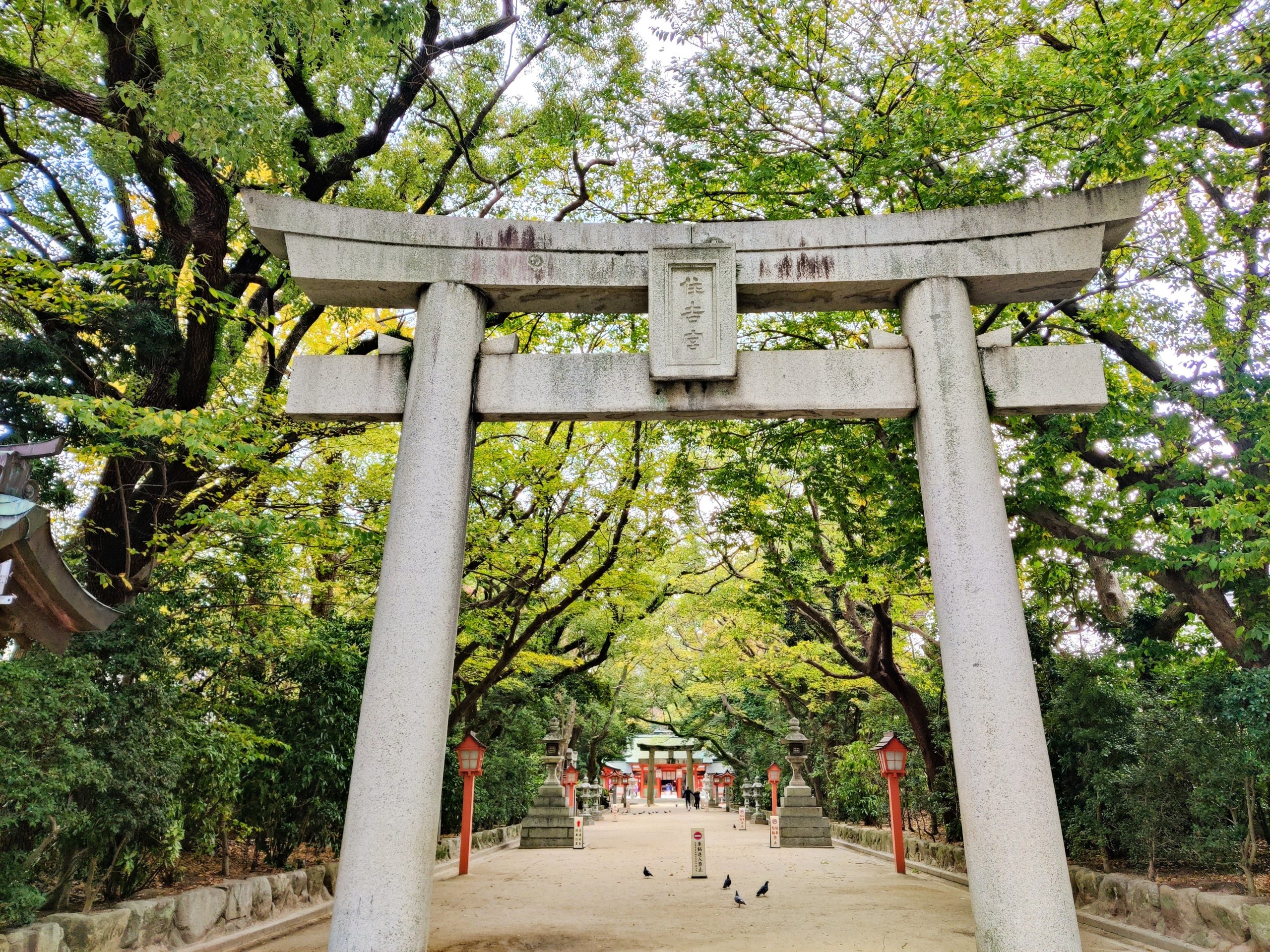
After a hearty or quick breakfast at Family Mart, head to Hakata Ekimae, a neighborhood brimming with beautiful temples and shrines. To name just a few, here are some of my favorites: Sumiyoshi Shrine, Kushida Shrine, and Tochoji Temple (where a famous wooden Buddha over 10 meters tall awaits you), and Shofukuji.
⁎ Pro tip: if you arrive early and can’t drop off your luggage at your accommodation before check-in, use the coin lockers at Hakata station.
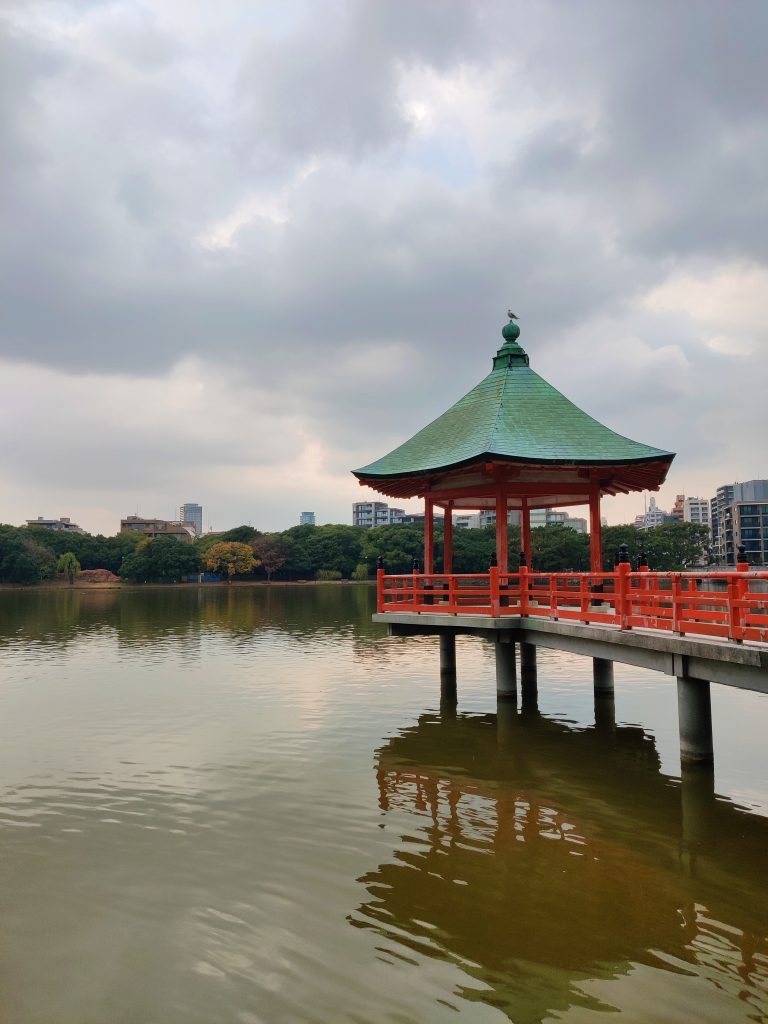
Need a break from sightseeing and want to sit down for a moment without feeling like you’re still in a busy city? Go to the beautiful, and peaceful Ohori park and watch the swan-shaped boats or real ducks glide across the serene lake!

Night views at Atago Shrine
If you feel up to it, you can take the Airport subway line for 4 stops (7mn) and admire the panoramic or night views over the city of Fukuoka.
Note: they have many kinds of omikuji (paper fortune slip) to choose from at Atago Shrine.
↪ See also: if you want to get rid of jet lag, check out these 14 tips!
Day 2: Dazaifu Tenmangu Shrine
Only 30 minutes by bus from Hakata bus terminal, Dazaifu Tenmangu Shrine is a popular Shinto shrine, surrounded by beautiful gardens and the famous Divine Bull Statue, which is said to bring good luck and wisdom.
Why wisdom? Because this shrine is actually dedicated to the god of learning, so if you’d like to try your luck, don’t forget to touch the bull’s shiny head and wish for a better year.
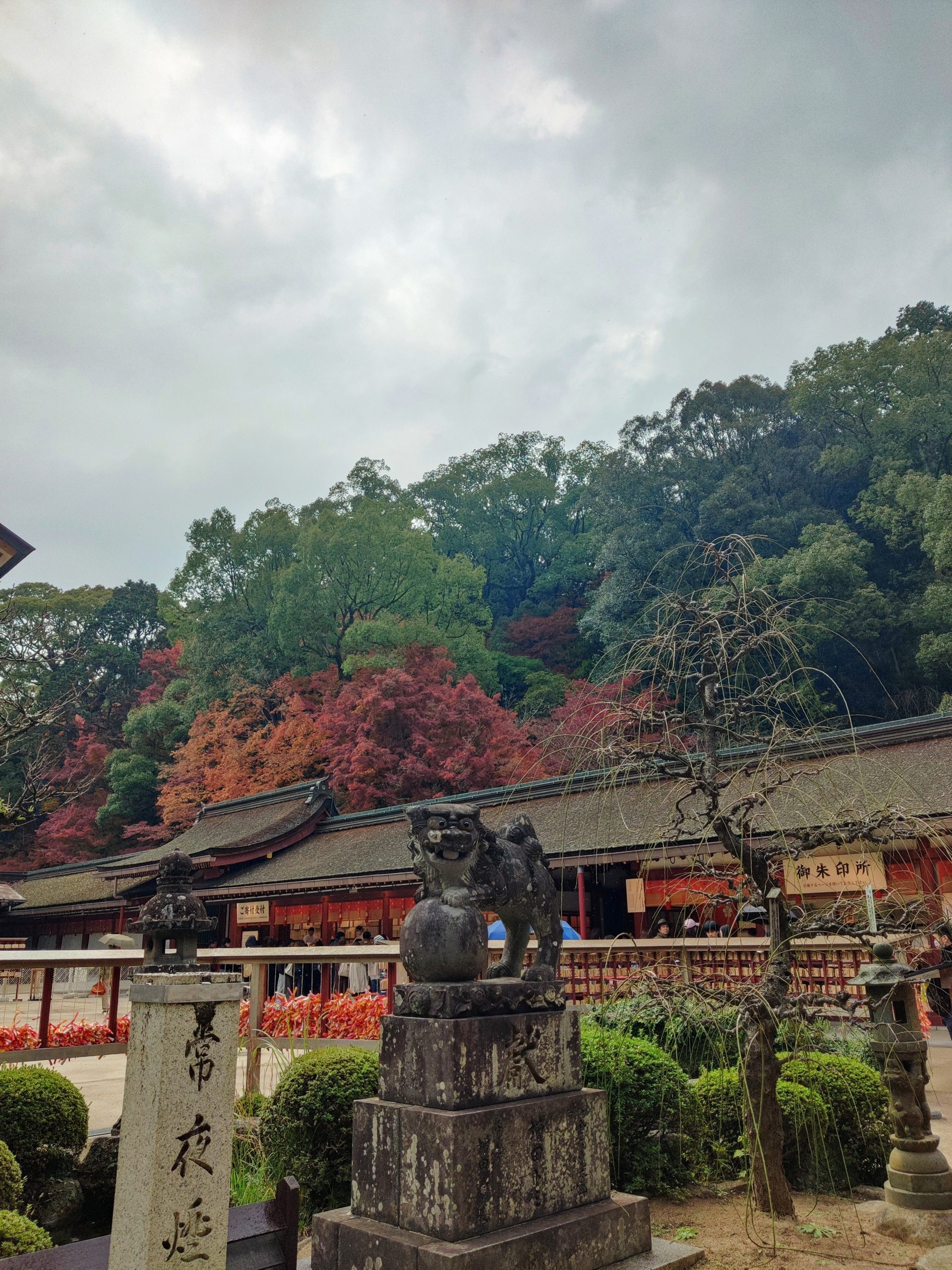
Don’t stop there, and head into the forest behind Dazaifu Tenmangu to discover other small, secluded shrines, such as Tenkai Inari Shrine and Ishianainari Shrine, away from the crowds.
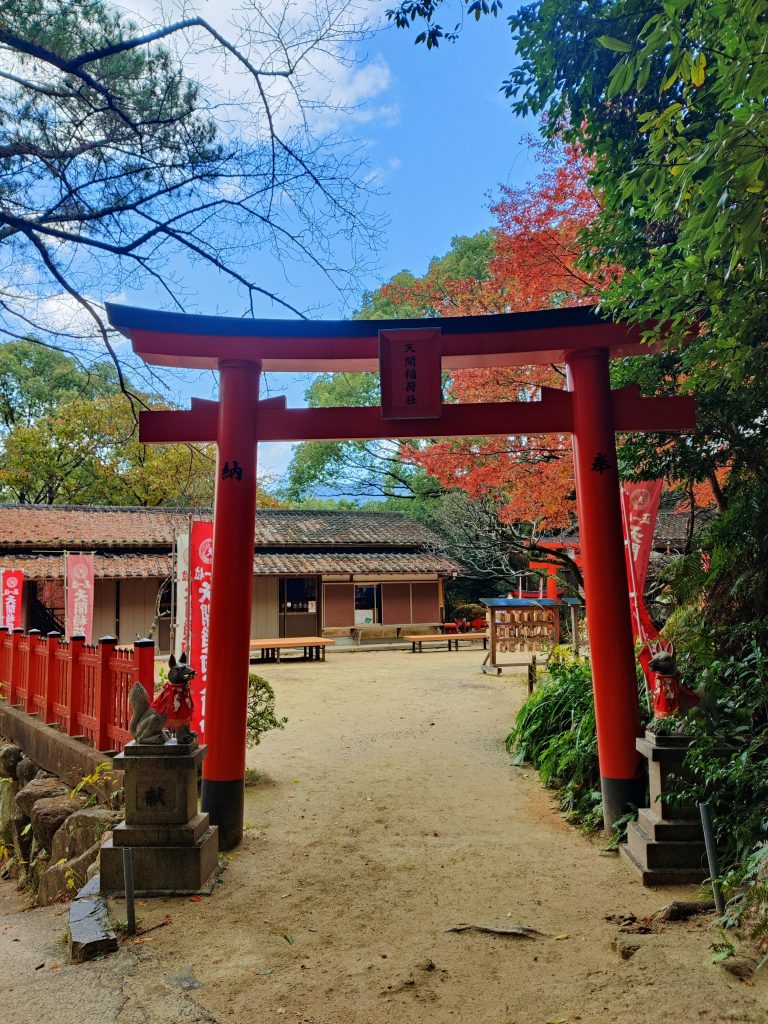

⁎ Pro tip: Dazaifu Tenmangu Shrine can get very crowded, so it’s best to visit early in the morning on a weekday.
History and culture
Whether you’re passionate by history and art or not, a visit to the museum is always a great way to learn more about a country’s story. And since Kyushu National Museum is located right next to Dazaifu Tenmangu Shrine, it’s the perfect opportunity for a cultural day out.
The museum offers interesting temporary exhibitions and displays several historical artifacts, all housed in a modern building with a mesmerizing mirrored glass facade.

Note: adult admission is ¥700, and the museum is closed on Mondays.
Alternative: garden and Uranota site

There’s a small garden, popular during cherry blossom season, that leads to Uranota Site. It’s the perfect spot to take a break and admire the museum’s shimmering architecture.
You can also continue your walk to the lesser-known but quiet Soreiden Shrine.
Afternoon at Tenjin Centrak Park
Head back to the city to enjoy some relaxation and peacefulness at Tenjin Central Park. Grab a coffee or snack and feel the pulse of the city.

Note: events are often held here, with food stalls and even illuminations during Christmas.
Day 3: Nanzoin Temple
An impressive 19th-century temple, home to a 41-meter-long bronze reclining Buddha, make it not only a unique and splendid temple but one easily accessible from the city center of Fukuoka (only 30mn by local train).
Located in the tranquil countryside, a visit to Nanzoin is a must if you want to be amazed by the breathtaking scenery surrounding the temple and discover a historic place of worship.

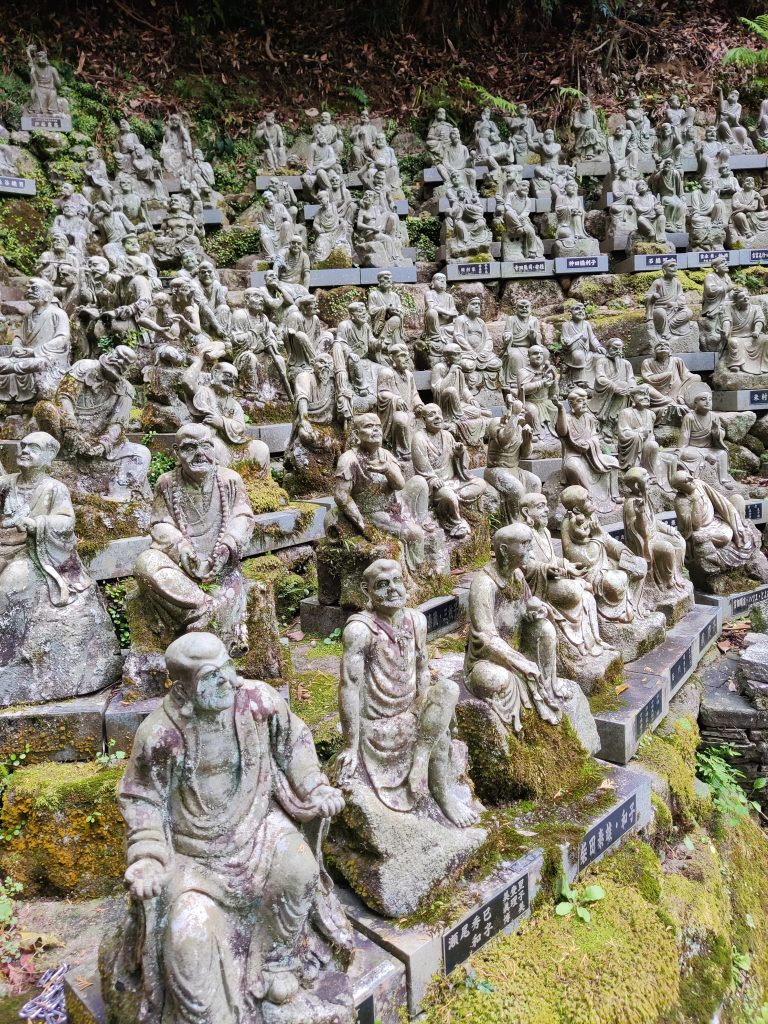

↪ See also: for a more detailed guide to Nanzoin, click here!
And if you’re interested in dams, or simply want to see something different that offers amazing nature views, you can walk to Narufuchi Dam before taking the local train back into the city.
Evening at Canal City Hakata
Whether for shopping, entertainment, or even dining, Canal City is a place where you can find a little bit of everything. The worst thing that can happen to you here: getting lost or spending too much money.
In any case, you can spend a few hours there, and take a digestive walk along the Naka river afterwards.

Note: come in the evening to watch the beautifull illuminated water show.
Day 4: Onomichi
For the two next days of our Japan itinerary, direction Onomichi, a town ideal to slow down and explore a more picturesque side of the country.
Located two hours from Fukuoka, you’ll first need to take the Sanyo Shinkansen before boarding the San-yo Line local train in Fukuyama.
Temple walk
Onomichi is a superb port town with narrow streets and numerous temples. There’s even a famous temple walk that will take you through 25 temples.
Although they’re all different, they share one thing in common: they offer splendid views over the city and are steeped in history, with one of them (Jodoji Temple) having been built as early as the 7th century.


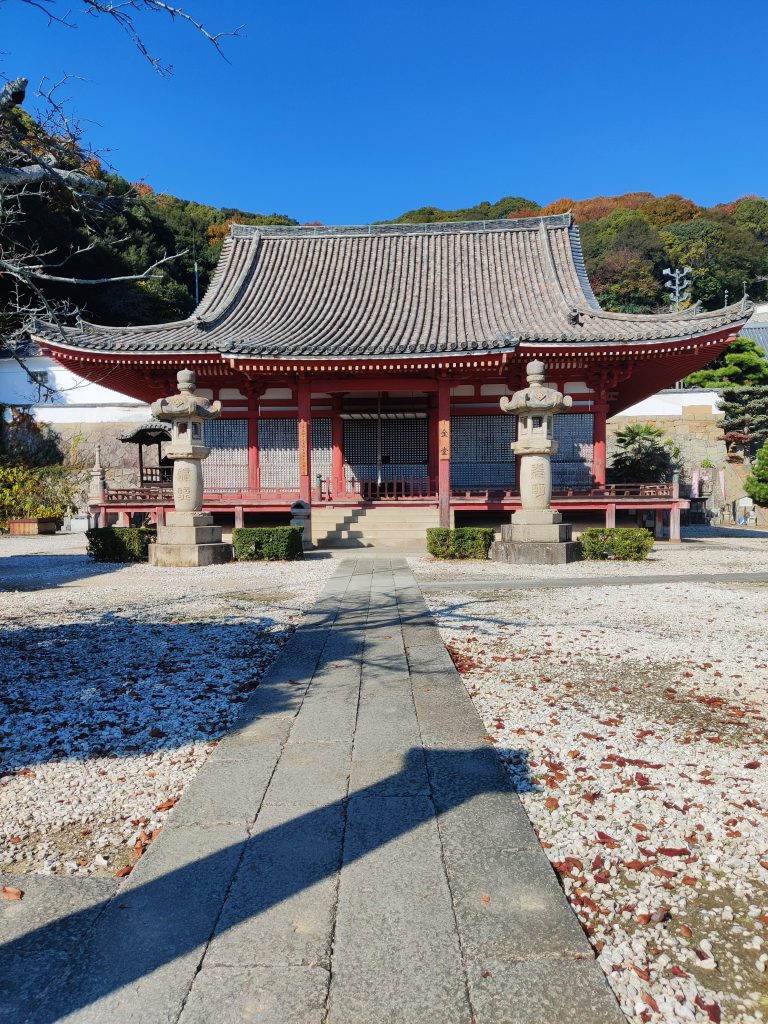
Note: to get to the starting point of the walk, head to the Onomichi Hondori Shopping Arcade, cross the train tracks until you see a map of the temple walk.
⁎ Pro tip: don’t miss Senkoji Peak Observatory to enjoy jaw-dropping views of the port city and the Seto Inland Sea.
Sunset along the Onomichi Boardwalk
Right across from the train station, so you can’t miss it, though you can’t miss anything since Onomichi is rather small, you’ll find the Onomichi boardwalk, or as I like to call it the best place to catch the sunset, and watch the bustling port, even at night.

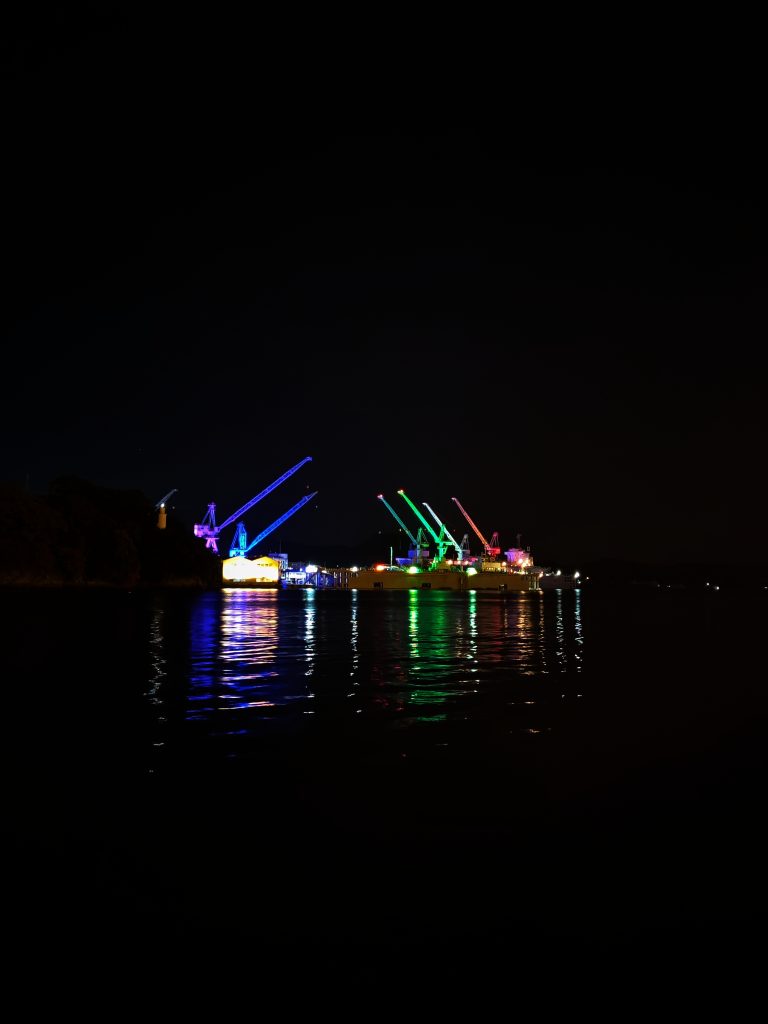
↪ See also: for a more detailed guide to Onomichi, click here!
Day 5: day trip to Okayama
Since Okayama is less than an hour and a half from Onomichi, it’s definitely worth taking a day trip there! And if you only have one day, I highly recommend visiting at least two attractions: Okayama Korakuen, which is one of Japan’s Three Great Gardens, and Okayama Castle.
The garden is simply breathtaking and offer a perfect blend of history and nature. As for the castle, its architecture, informative exhibitions, and various experiences make it a must-see for anyone wishing to learn more about the city and the Sengoku and Edo periods.
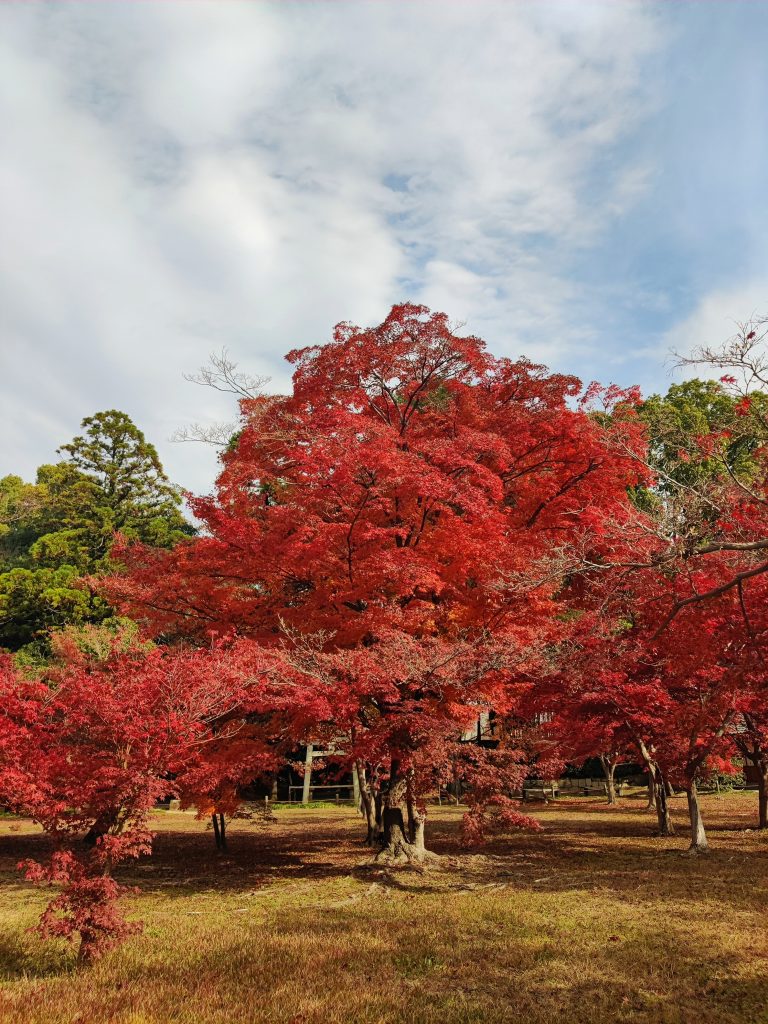

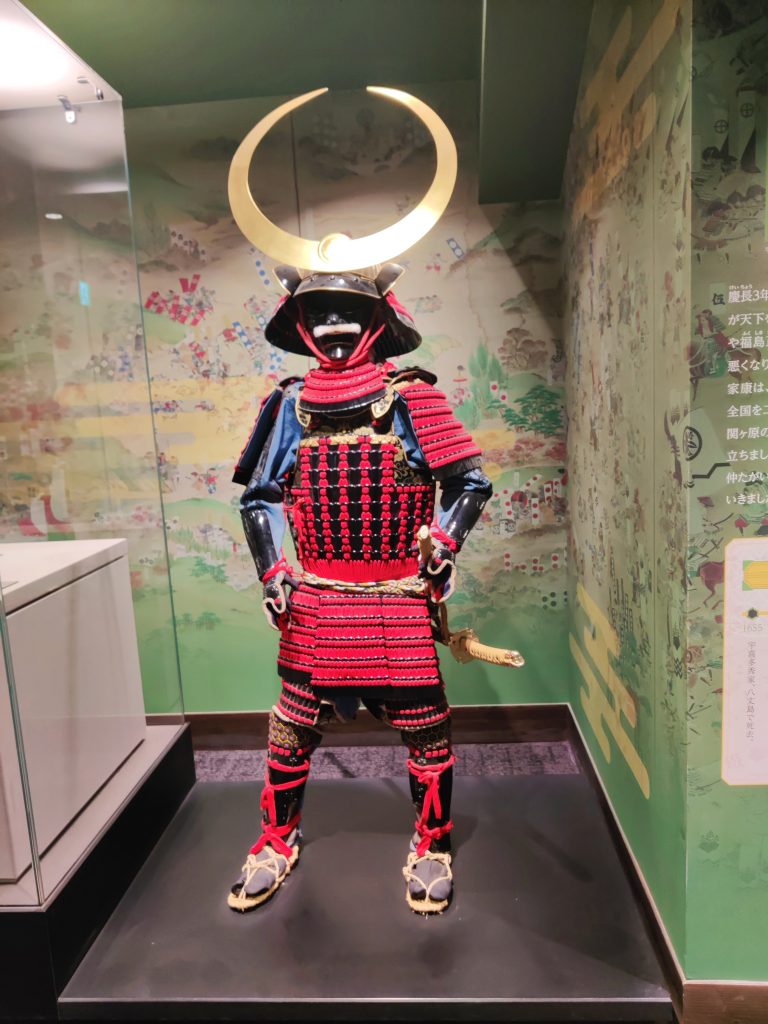
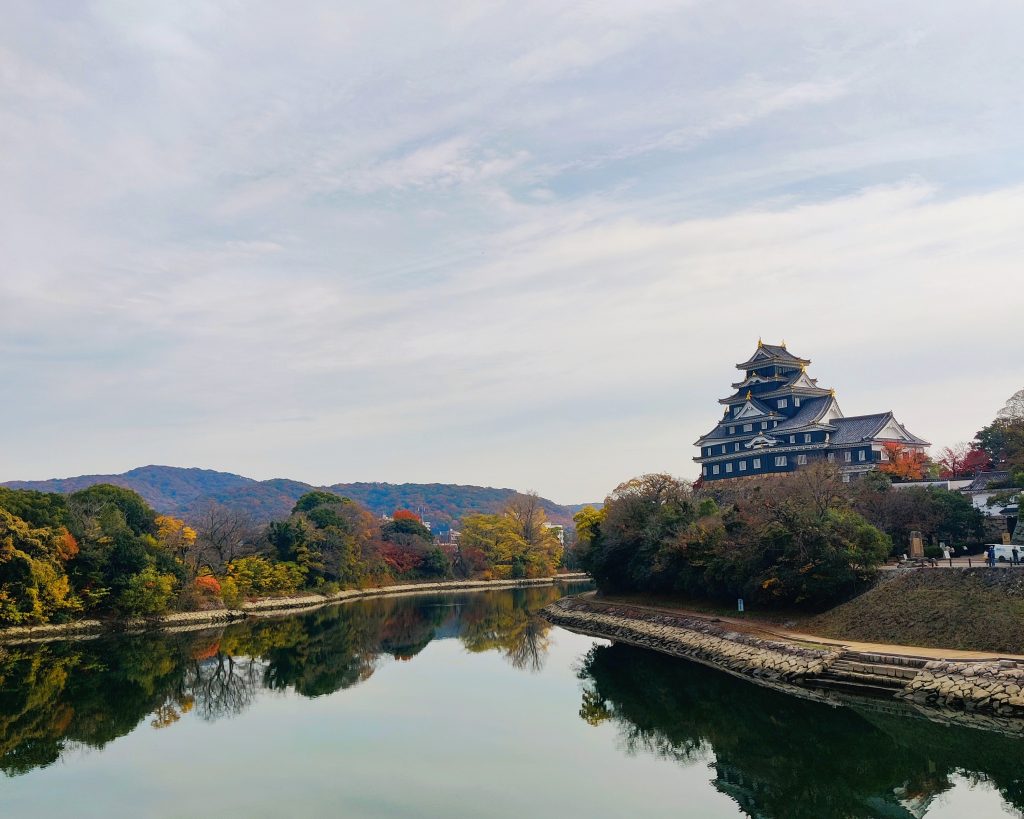
Note: you can buy a combined ticket for ¥720, valid for the garden and castle.
↪ See also: for a more detailed guide to these two attractions, click here!
Alternative: Shimanami Kaido
Onomichi is famous for something else, namely the Shimanami Kaido: a 70 km-long cycling route, which connects the islands of Honshu and Shikoku.
So, if you like cycling while taking in the scenery of the Japanese countryside, this is an activity worth mentioning.
⌂ Looking for a budget, well-located accommodation in Onomichi? Check out STATION INN the URASHIMA!
Day 6: welcome to Kyoto
After a fairly quick trip: two hours from Onomichi, you’ll reach the popular Kyoto! To start off on the right foot, visit To-ji Temple, Nishi Hongan-ji Temple, and the historic Toyokuni Shrine.
You can also take this opportunity to admire national treasures, traditional paintings, ceramics, and much more at the nearby Kyoto National Museum.


Then, enjoy a delicious early dinner at Azuma Sushi for a more intimate sushi experience before heading to one of the most popular attractions in Kyoto.
Fushimi Inari Taisha
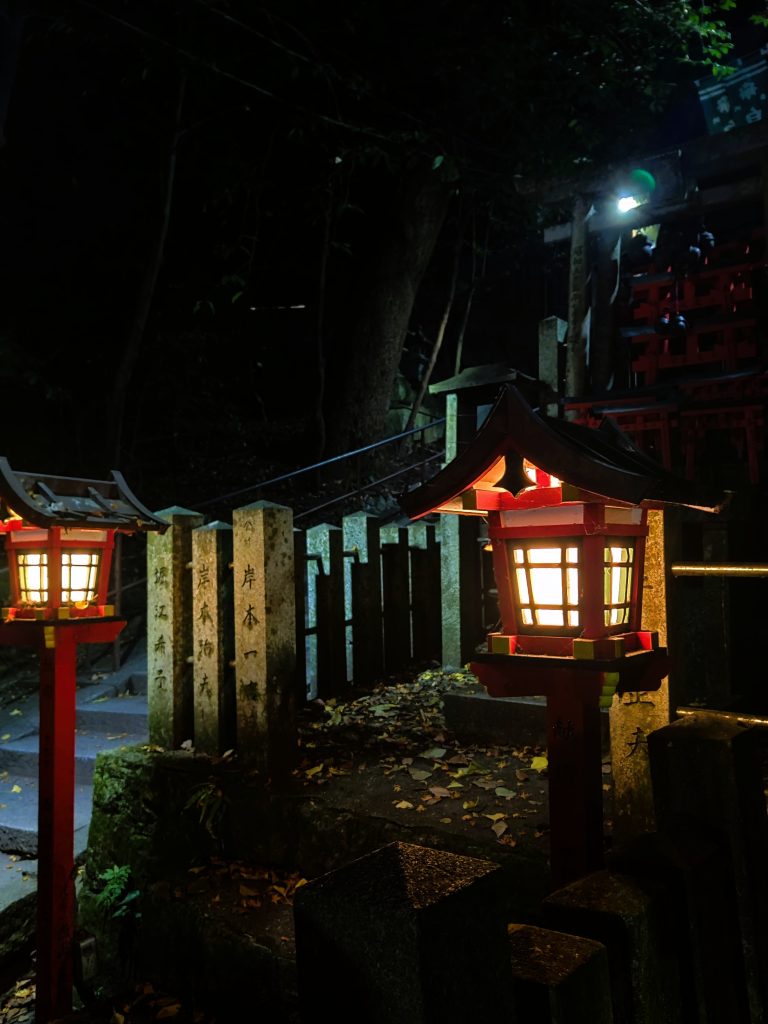
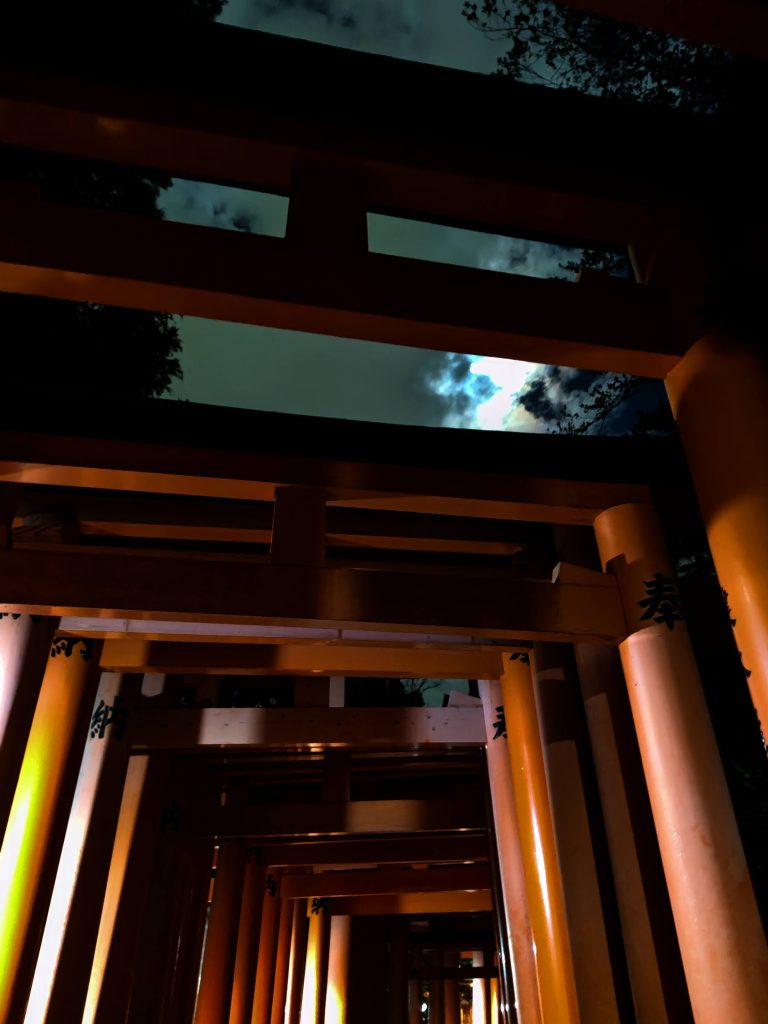
They say a trip to Kyoto isn’t truly complete without seeing the famous thousands of vermilion torii gates, and I agree. But since it’s a popular place, my best tip is to visit after sunset, or at night.
You can also get up bright and early in the morning, but you’ll miss out on the special atmosphere created by the night and the bright moon.
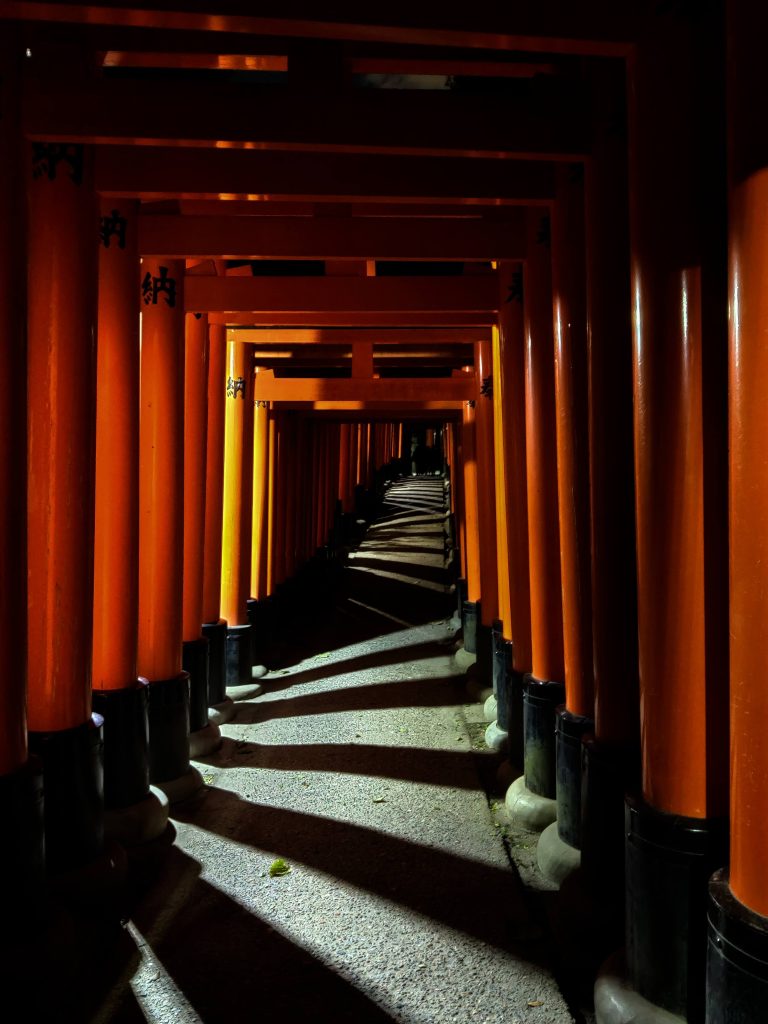

↪ See also: How To Visit Fushimi Inari Taisha Without The Crowds!
Day 7: Kiyomizu-dera
This time, if you want to avoid the crowds, you’ll have no choice but to get up early and visit this famous spot pretty much as soon as it opens, especially if you want to avoid the crowds. If you don’t mind, though, Kiyomizu-dera is pretty magical at sunset, so the choice is up to you!
In any case, a visit to this iconic Buddhist temple, not only for its stunning architecture but also for its enchanting atmosphere is a must, especially if this is your first time visiting Kyoto.


Note: take the time to explore the various temples, pagodas, and gardens beyond Kiyomizu-dera, as they’re worth your time, and less crowded.
Temples and Shrines
With over 1,600 temples and 400 shrines, Kyoto is a spiritual heaven. Wherever you go, you’ll stumble upon torii gates, serene ponds, and beautiful statues. So get lost in the narrow alleys and find a peaceful temple to rest and soak up the good vibes.
Among my favorites, located not far from Kioymizu-dera, are Zenkyo-an Temple, Kenninji Sammon, and Kyoto Ebisu-jinja Shrine.


Shirakawa Canal
Head to Shirakawa Canal to enjoy a stroll among traditional houses and soothe your mind to the sound of the tranquil water flowing through this magnificent canal.
And since the canal isn’t far from Pontocho Alley, you know where to go for a hearty dinner or if you’re looking for a livelier and fun night.

Note: be sure to be respectul if you see a geisha, and don’t take pictures of them!
Day 8: another side of Kyoto
If you want to get away from the crowds and the main attractions, I’ve got you covered!
Direction the Sakyo Ward, where you’ll find breathtaking temples and nature within reach. To name just a few, visit Konkai Komyo-ji Temple, Eishoin Temple, Shinsho Gokurakuji Temple and Yoshida Shrine.
Then, take the Philosopher’s Path (Tetsugaku no Michi) for a peaceful walk past small bridges, cute craft shops, and lovely scenery before making your way to Honenin Temple, nestled in the forest and covered in moss.


If you’re still full of energy, you can always head to Mount Hiei for a scenic hike offering superb views of the city and Lake Biwa, as well as historic temples.
Day 9: touchdown in Tokyo
Even though I’m not always a big fan of capital cities, I have to admit that Tokyo surprised me, in a good way. So here’s how I spent my days in Tokyo.
Let’s begin with the beautiful Tokyo Skytree, which is actually a broadcasting tower and one of the most iconic landmarks of the city. The observation deck offers breathtaking views of Tokyo, but if that’s beyond your budget, admiring it from below is just as impressive.
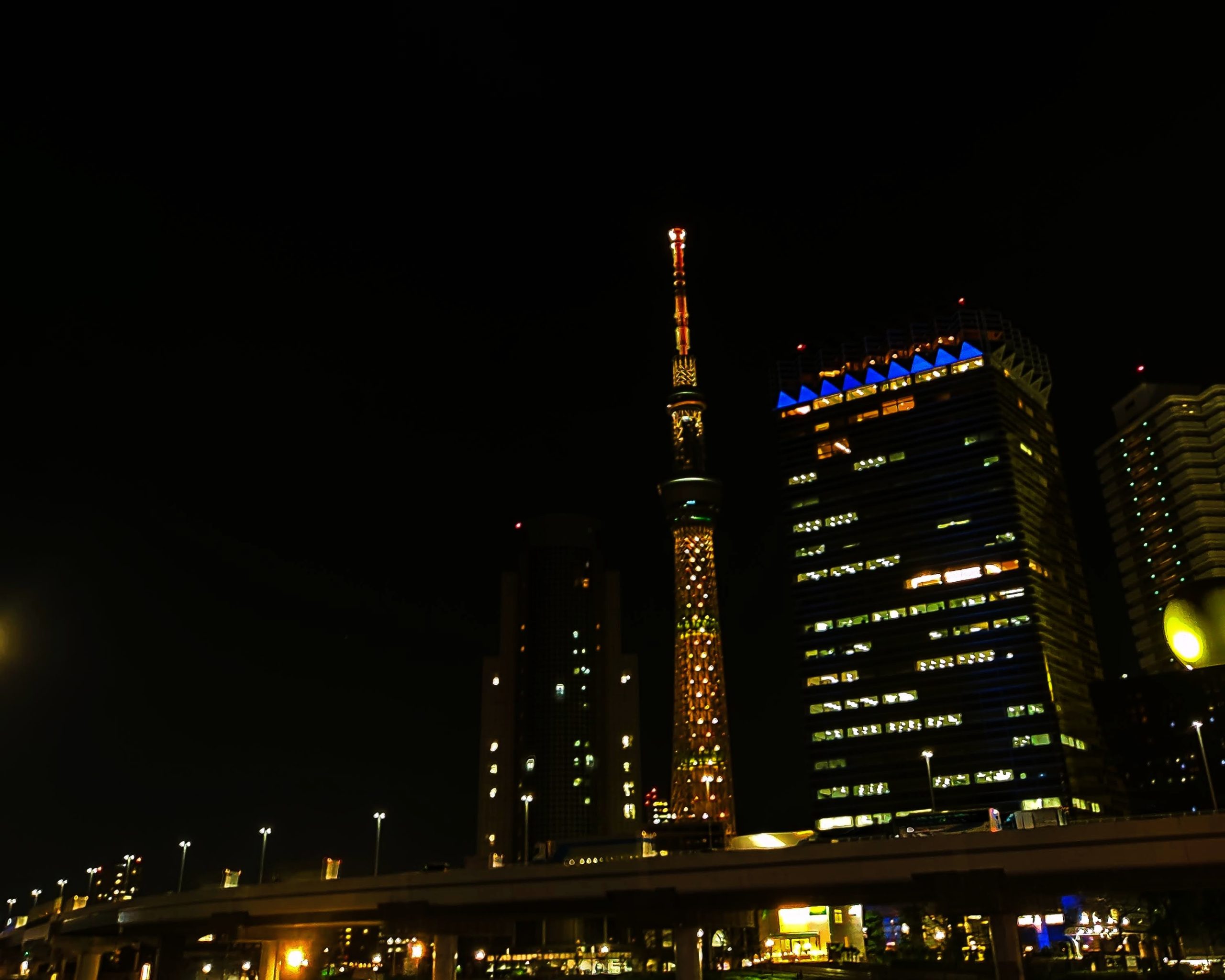
⁎ Pro tip: for the best views of the Tokyo Skytree, head to Jukken Bridge!
Asakusa
Curious about Tokyo’s oldest temple, built in the 7th century? Go to Senso-ji and discover a temple featuring a five-story pagoda and beautiful gardens surrounded in a vibrant atmosphere.
But what makes this temple truly unique is its location, nestled at the end of a bustling street – Nakamise Street – where you’ll find all kinds of snacks and souvenirs, among other things.


Note: it can get very crowded, but you can easily spend an hour or two strolling through Asakusa!
After all that hustle and bustle, I bet you’ll need a break away from the crowds, and what better place for that than Sarue Park, which is perfect for picnicking and enjoying beautiful flowers all year round. And if you’re visiting Japan in spring, then Sarue Park is the perfect spot for cherry blossom viewing.
Day 10: Ueno Park and Nezu Shrine
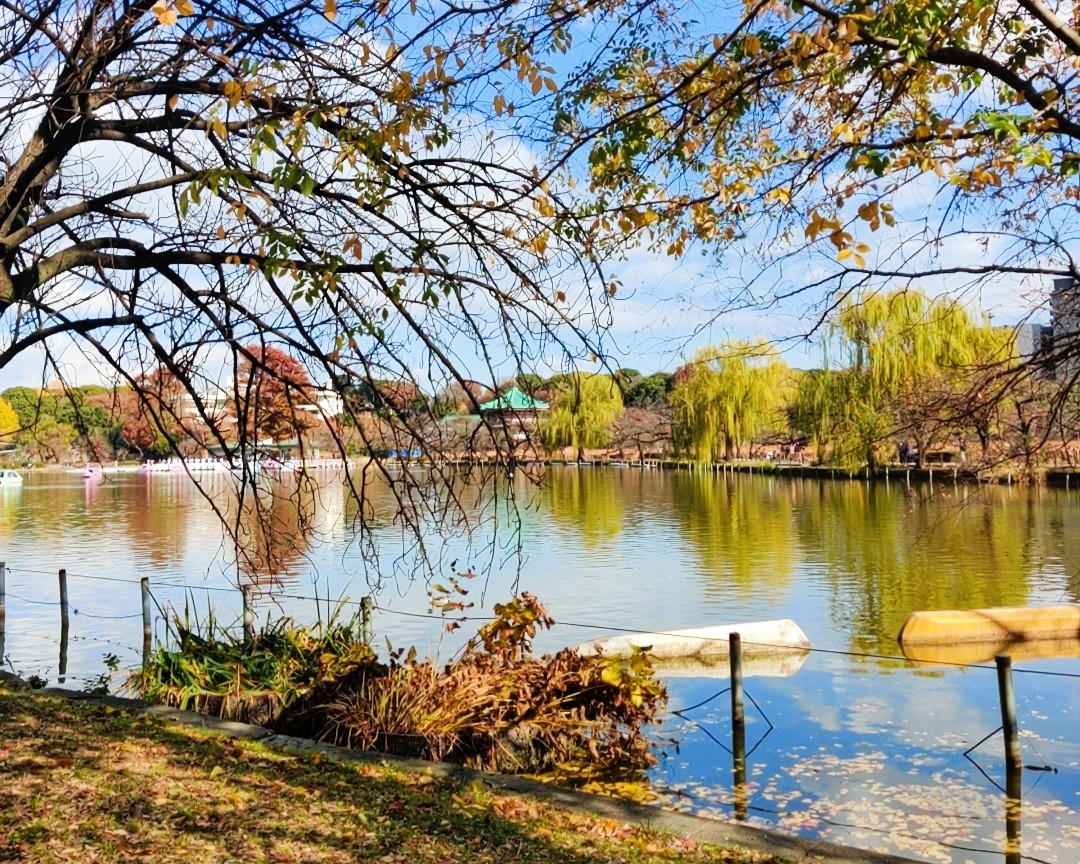
On the tenth day of our Japan itinerary, let’s start the day peacefully with a relaxing walk around Shinobazu Pond in Ueno Park. This park isn’t just beautiful and quiet as it’s also the ideal spot if you want to experience traditional culture thanks to its many museums and shrine.
Of course, it’s the best place for a tea break too! Head to Tohaku Cha-kan to unwind and enjoy a seasonal drink and sweets.
After a peaceful morning, direction the serene Nezu Shrine, where you’ll be able to discover a more traditional and quiet side of the Japanese capital. Its tunnel of red torii gates and vast, tranquil grounds will make you forget you’re actually in Tokyo.
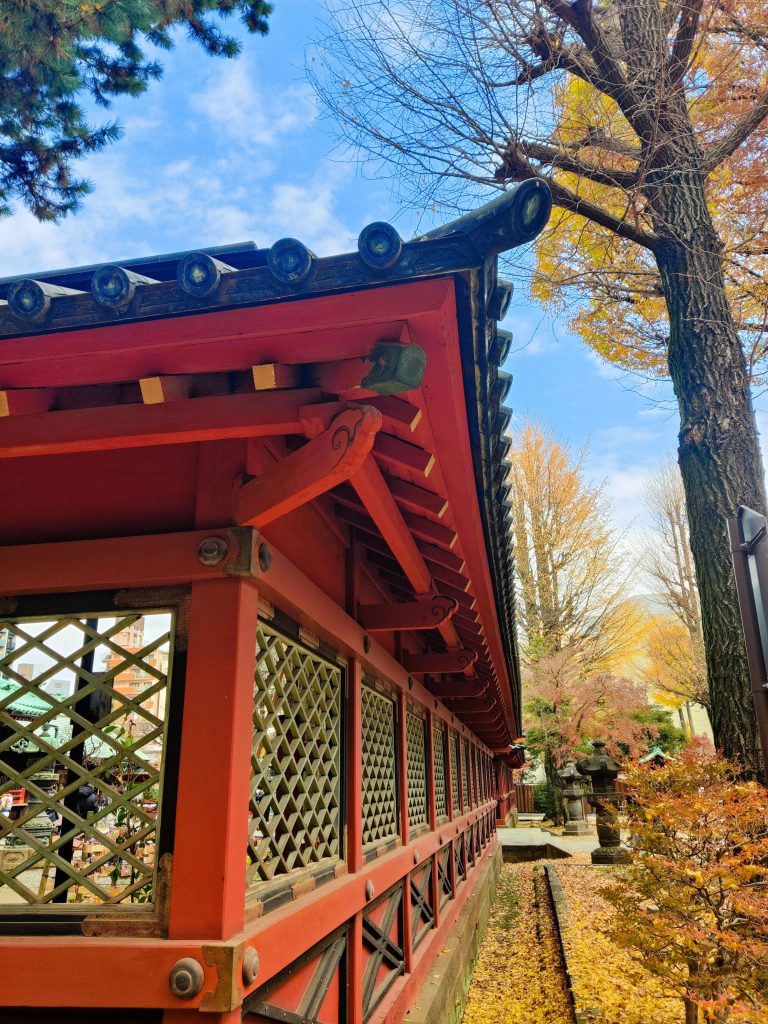

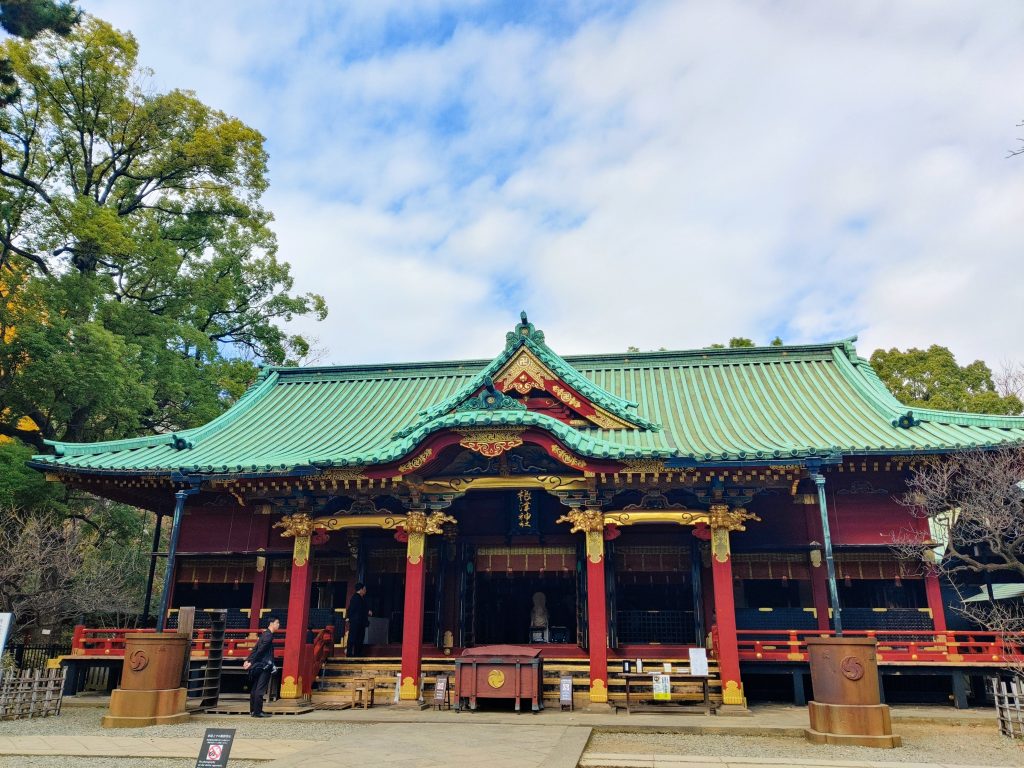
Note: the shrine is also famous for its Bunkyo Azalea Festival in April!
Akihabara
If you’re a collector, I highly recommend to take a walk around Akihabara, as you might just find what you’re looking for among the many stores selling anime figures, mangas, and other treasures. One of the shops where you can try your luck is Mandarake Complex (they actually have two stores in Akihabara).

You can also go treasure hunting at Gachapon Hall and maybe find a discontinued or rare item. By the way, gachapon are vending machines that dispense capsule toys. You can find them pretty much everywhere in Japan.
Note: Akihabara is a great place to buy camera and electronics too.
Day 11: Iconic landmarks and Setagaya City
Visiting Tokyo for the first time? Then, you’ll probably want to see at least a few of its iconic landmarks. So here are two more spots you can visit!
Tokyo Tower
A trip to Tokyo wouldn’t feel real if you didn’t see the famous Tokyo Tower. It’s a bit like going to Paris for the first time without seeing the Eiffel Tower.
Plus, once you learn its historical significance – namely, that it symbolizes post-war reconstruction – you might want to check it out after all. Standing 333 meters tall (1,092ft), it’s also a great place to see the city from above and, if you’re lucky, Mount Fuji.
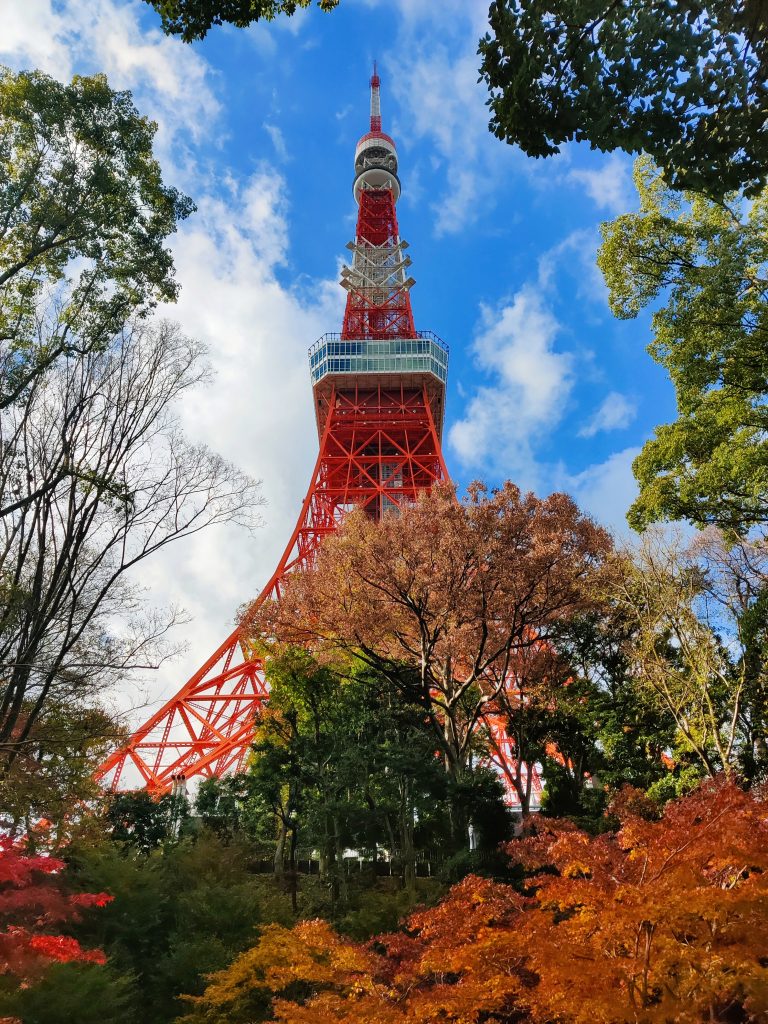

⁎ Pro tip: you don’t have to go far to enjoy lovely views of the Tokyo Tower: head to nearby Shiba Park!
Shibuya Crossing
An attraction on its own, made famous by a lot of movies, animes and TV series, Shibuya Crossing is just that, a pedestrian crossing. But if you still want to experience it for yourself at least once to see how smoothly and efficiently a big city like Tokyo can manage millions of people, then go for it!
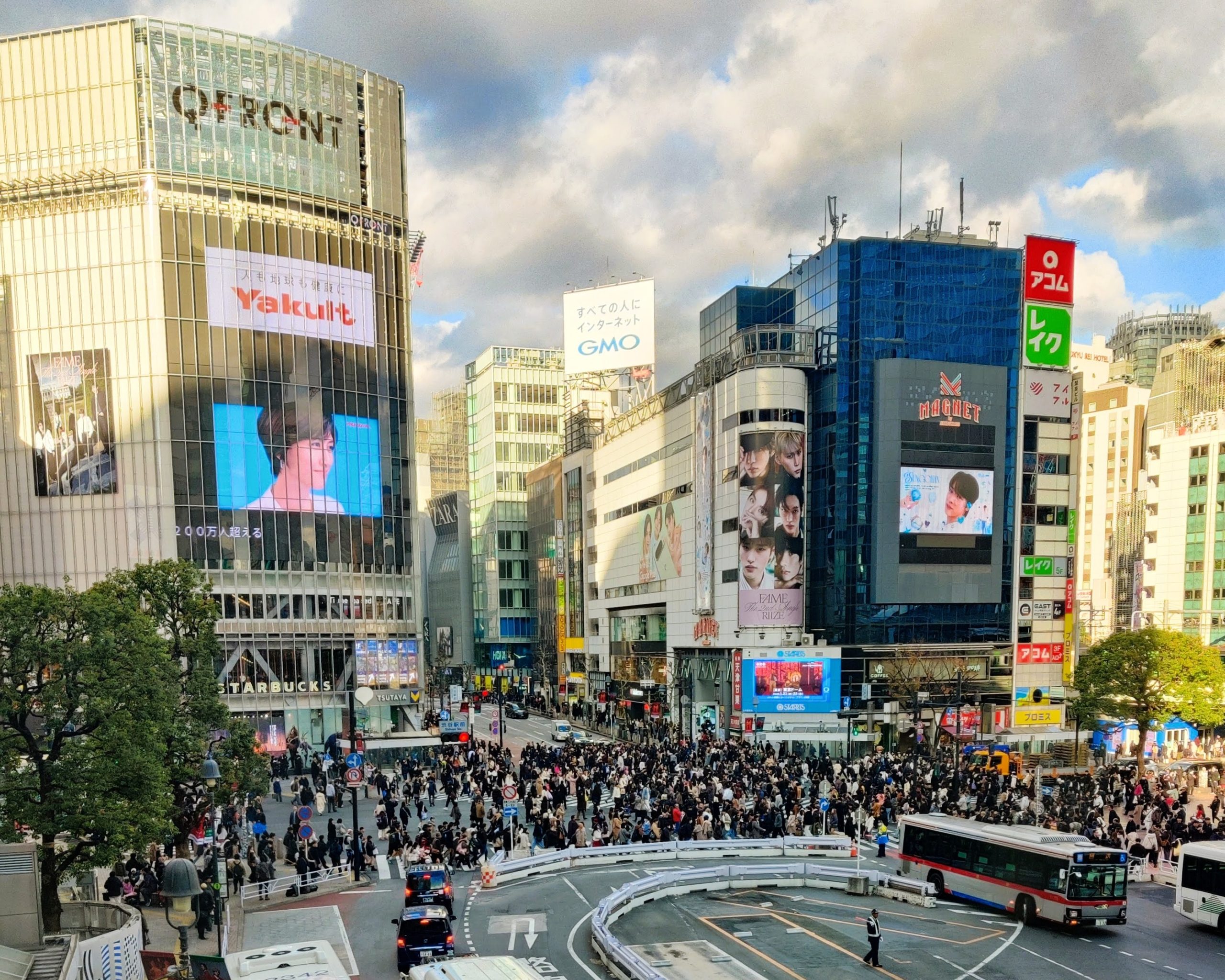
Note: for a free view of the Shibuya Crossing, head to Shibuya Mark City, where a glass-enclosed walkway offers an unobstructed view of the crosswalk.
Yoyogi Park
More of a nature enthusiast who appreciates green spaces coexisting with the urban environment? Then Yoyogi Park is for you!
Explore its grounds and relax your mind far from the crowds and the concrete jungle.
Setagaya City
Want to feel like you’ve stepped away from Tokyo for a moment? Go to Setagaya City and visit the popular Maneki-neko temple, Gotokuji Temple, or the lesser-known but equally beautiful Setagaya Hachimangu Shrine, located just behind Gotokuji.
You’ll also find a charming little museum, the Setagaya Local History Museum, nestled in a lovely garden, and filled with interesting exhibits and artifacts.
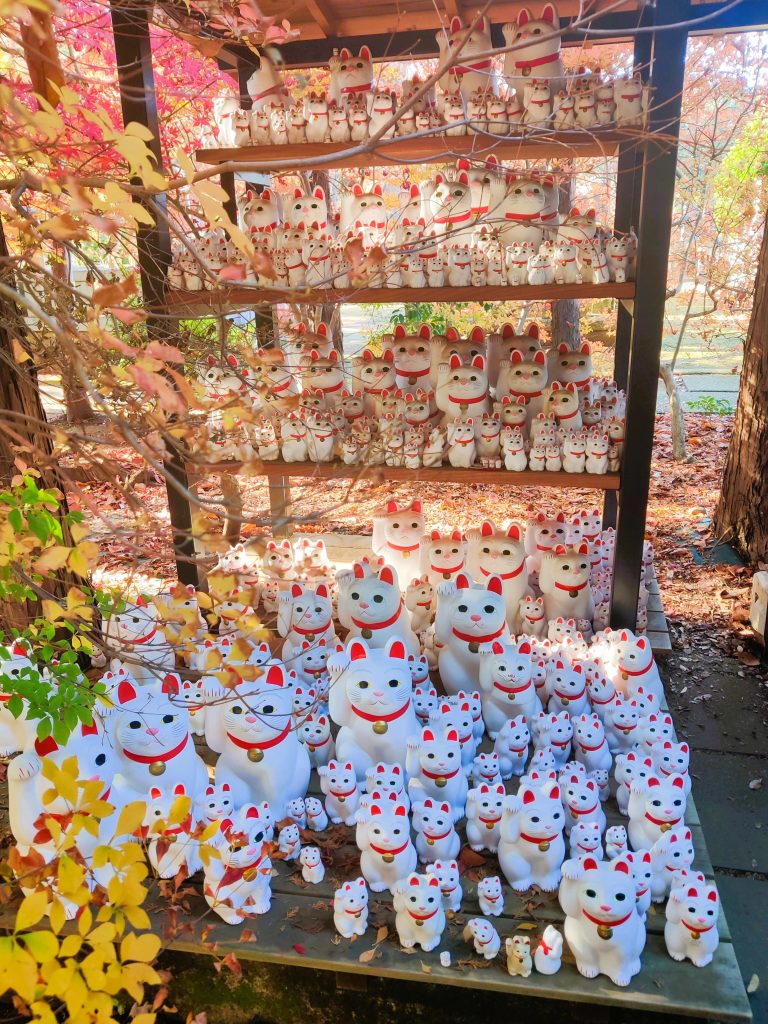
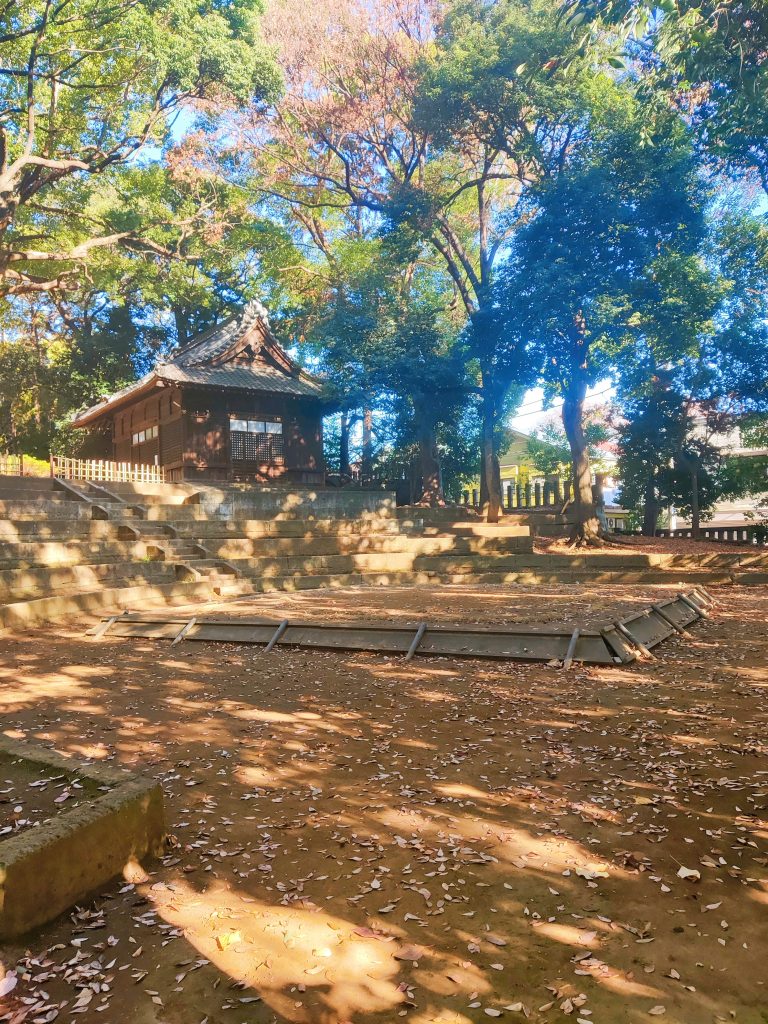
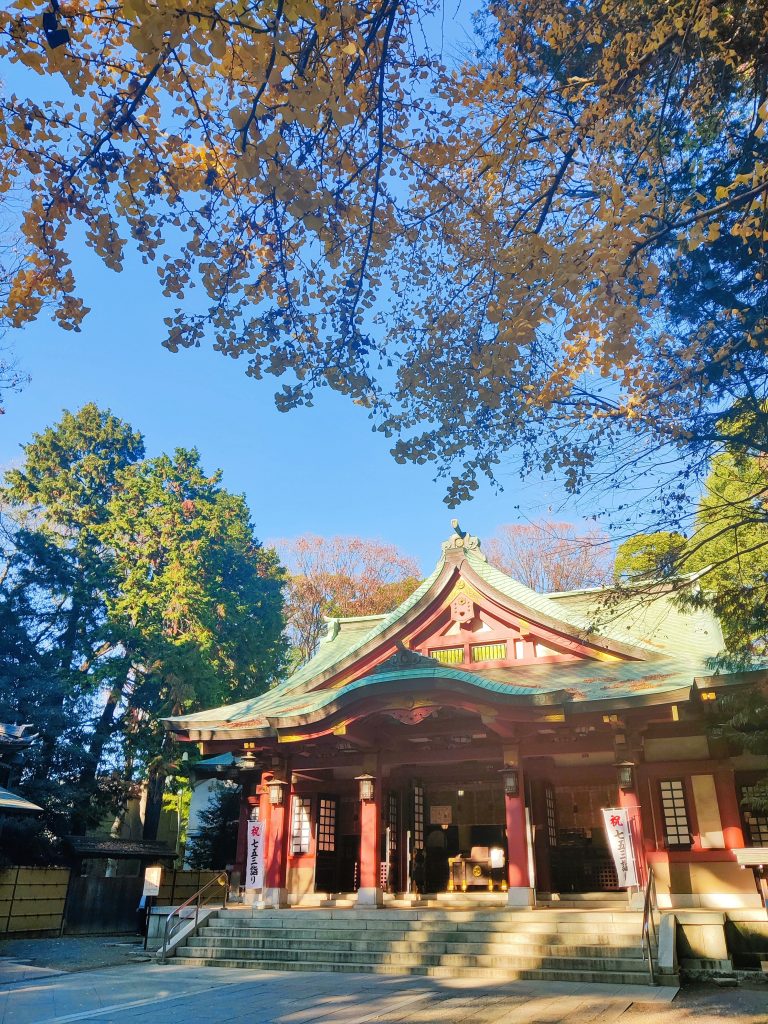
Note: you can buy the lucky Maneki-neko figurine and other souvenirs at Gotokuji Temple.
Day 12: Narita
Narita is actually only an hour and a half from Tokyo, but it really felt a world away from the Japanese capital. Located in Chiba prefecture, Narita is the ideal city to relax and admire its traditional and historic streets, as well as its natural surroundings.
Narita is quite the underrated town, but one you’ll enjoy visiting, especially if your flight is departing from Narita International Airport, which gives you a great excuse to include it on your Japan itinerary.
Although I’d still recommend visiting even if that’s not the case, as Narita is truly worth the detour.
Stroll along Naritasan Omotesando and fill your bag with souvenirs and snacks while admiring the superb Japanese architecture of the street. Visit Naritasan Shinsho-ji with its stunning, colorful and intricately carved three-story pagoda, before heading to Naritasan Park to watch koi carp, ducks, and other cute animals glide and swim in the pond.


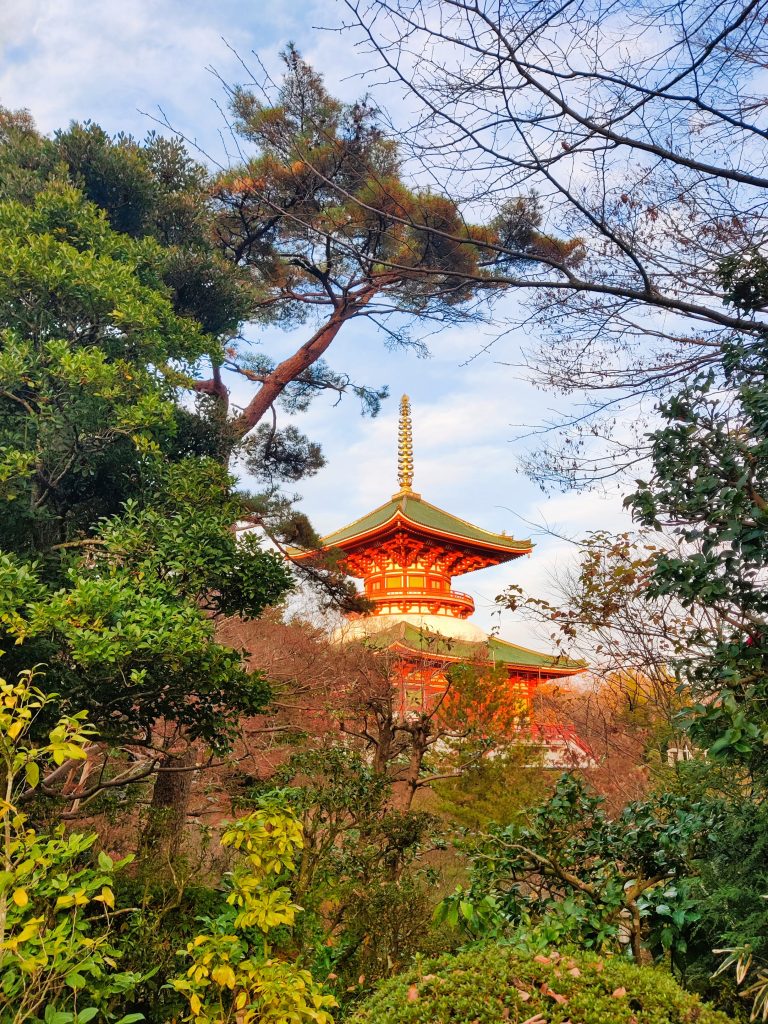

Of course, you can’t stop in Narita without trying some delicious unagi (eel) at Kawatoyo Narita or any other restaurant that catches your eye, as you’ll find them everywhere in Narita, which is famous for its eel cuisine.
Getting around Japan
There are a few ways to get around Japan, it all depends on your budget and if you’re on a hurry or like to slow travel.
By renting a car
This is the easiest option if you like to be independent and enjoy driving. Keep in mind that some traffic rules are different and that in Japan, they drive on the left side of the road.
There are a few rental companies, but since it’s a popular option, I recommend booking in advance, I’d say at least 3 weeks before departure.
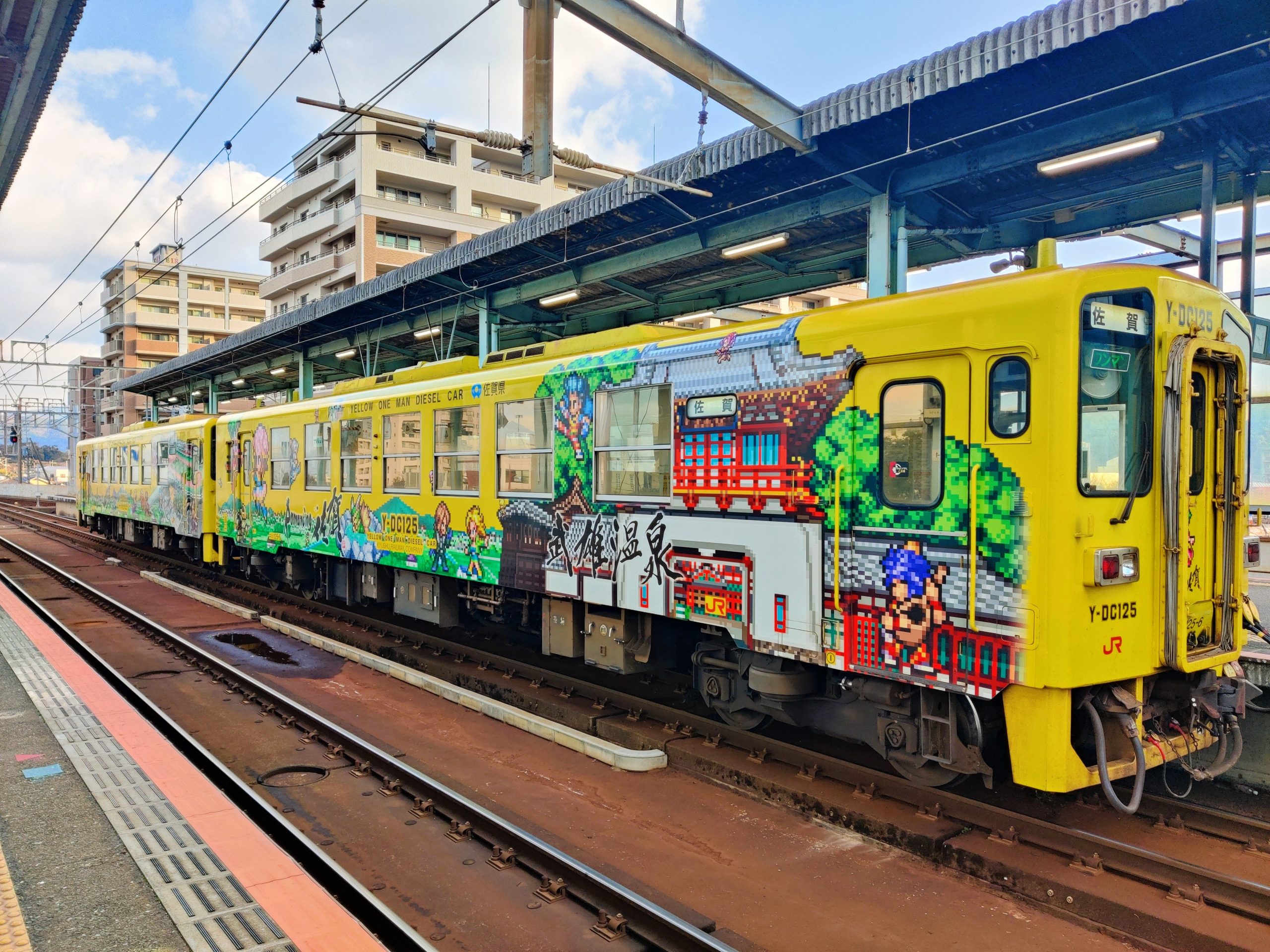
By train
Shinkansen are fast, efficient and will take you to your destination quickly, but they can also get expensive fast, especially if you’re traveling across the country.
Don’t forget to take advantages of local trains whenever you can: cheaper and more scenic!
By bus
This is my favorite option, when available and one that is rarely mentioned: traveling by bus is cheaper and lets you enjoy the scenery more. It could be your preferred option, especially if you’re not in a rush or on a tight budget.
The only downside is, of course, the travel time, which can sometimes be twice as long as by train, still but it’s still worth it though.
You can buy your tickets in advance on the WILLER website.
By flying
One last option I’d recommend is flying, particularly between major cities. Contrary to what you might expect, and if you plan ahead, plane tickets can often be very cheap, not to mention that it’s the fastest option.
Keep in mind, however, that airports aren’t usually located in the city center; so you’ll probably have to travel a bit, which will add to the cost of your plane ticket.
Two weeks in Japan on a budget? How much does it cost?
Traveling to Japan on a budget is entirely possible, even more so if you book your accommodations and activities in advance.
🏨 Hostels: $15 – $30 → Book available hostels
🚌 Transport: $5 – $10 → Shinkansen & Highway Buses
🍜 Food: $3 – $15
🎭 Activities: $5 – $50 → Check activities
📱 SIM/eSIM: $30 – $40 → Get a SIM/eSIM card
🚗 Car rental: $30 – $50
✈️ Travel insurance: $50 – $100 → Get travel insurance
Helpful apps
To make your trip to Japan easier, here are a few apps you should consider downloading!
- Navigation: Google Maps
- Interactive routes and detailed information on public transportation: NAVITIME
- Language app: Google Translate
- Taxi: GO taxi
- Find the best restaurants: Tabelog
- Luggage storage: ecbo cloak
- Shopping made easier: Payke
- Earthquake early warnings: Yurekuru Call
- Cashless transit: Welcome Suica Mobile (iOS)
Ready to explore Japan and fall in love with the Land of the Rising Sun? I hope you’ll find this 12-day itinerary helpful and that it’ll inspire you to return again and again to discover all of Japan’s hidden charms!
Planning your trip to Japan but worried you might miss something, or not sure where to start? Here’s everything you need to know!


