

Tips And Tricks – Everything You Need To Know For Your Next Trip To Japan
Finding yourself in a country for the first time can be daunting, to say the least. The numerous formalities, different culture, and language can disarm even the most seasoned travelers, especially when you haven’t slept a wink and need to figure out how public transportation works as soon as you land.
But don’t fret, as someone who has been in this situation countless times in different countries, let me give you a practical guide to everything you need to know for your future trip to Japan!
This post contains affiliate links. Whenever you buy something through one of these, I get a small commission, without any extra cost to you. Thank you!
Save it for later!
Visa and Entry
You probably won’t need a visa thanks to the visa waiver agreements Japan has with 74 countries. You can also enter the country for up to 90 days, depending on your nationality. Don’t forget to check if this information applies to your nationality though.
And for smoother procedures, such as immigration and customs, where you can avoid filling out paper forms, don’t forget to create an account on Visit Japan Web.
Don’t make the same mistake I did and be too relaxed on your first trip, or you’ll waste time filling out the arrival card, and have to wait in line again.
Please note: immigration lines can take anywhere from 20 minutes to an hour or more, depending on the time you arrive and the numbers of counters open.
So it’s better to take advantage of electronic procedures and save time!
When to Visit Japan
Although I stand by my opinion that there’s no best time to visit a country, as it depends entirely on your preferences and what you’re looking for, here’s a little overview of what you can expect in each season in Japan.
Spring is famous for being the season of sakura (cherry blossoms) when people spend their time doing “hanami” or flower viewing.
Keep in mind though, that prices tend to be higher and you’ll need to book everything several months in advance.
Summer is the season for lively festivals (Nebuta Matsuri, Tanabata Matsuri…) and lovely beaches, but it’s also the wet and rainy season (June-mid July). So if you don’t mind the rain, or pack accordingly, you’ll be fine. You can also plan to visit the country a little later in the season.
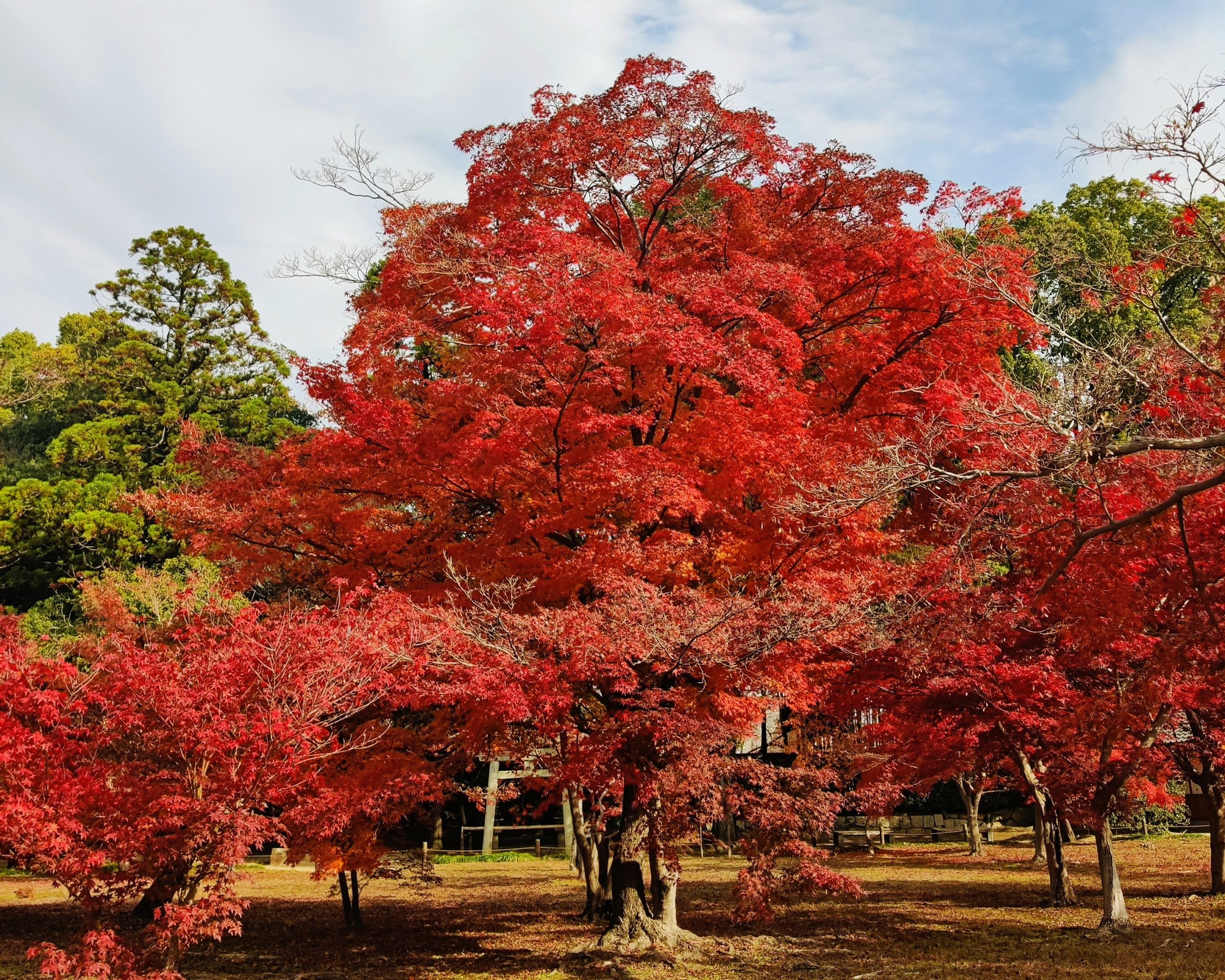
Fall is for you if you like vibrant fall foliage, smaller crowds but still pleasant weather. Not to mention, there’s a lot of autumn festivals too. If this sounds like you, opt to visit between mid-October and early December.
And last but not least, winter, which is synonym with hot packs and traveling in layers to protect you from the cold temperatures, but it’s also the season where Japan looks like a winter wonderland. And if you like skiing, even better, as the country, especially the North (Miyagi, Hokkaido, Nagano…), will greet you with snow-covered landscapes.
Want to receive this article summary in PDF format, easily accessible anywhere from your phone or laptop? Download it here!
Language
Japanese is the official language of the country. English is not widely spoken, but you can get by with basic English and the use of a translator app such as Google Translate or Papago.
Don’t forget to learn a few local words, which is always appreciated by the locals.
Here are some of my must know words and phrases:
Daily life: three simple words with a smile is all you need, even if you’re a beginner in Japanese
Hello: konnichiwa
Thank you: arigato gozaimasu
Excuse me: sumimasen
At the restaurant:
One person/two people: Hitori/Futari desu (when asked how many people are in your group)
I would like some water: omizu o onegaishimasu
I would like this: kore o onegaishimasu/kore kudasai (kudasai and onegaishimasu can be interchangeable or not, it’s really tricky).
Can I have the Japanese menu, please? : Nihongo no menyū o onegaishimasu/Nihongo no menyu wa arimasuka? (as sometimes the English menu doesn’t list all the dishes, and some people have found it more expensive > tourist trap/scam).
Try to avoid eating in very touristy areas, because that’s where scams/tourist traps often occur, regardless of the country, unfortunately.
If you want to learn more about it, check out this interesting video:
When leaving the restaurant:
Thank you for the meal: gochisosama deshita
Money and Means of Payment
The official currency of Japan is the Japanese yen (¥/JPY).
For information, $1≃155 JPY.
You can use all type of payments: cash, cards, contactless payment via mobile apps and IC cards.
However, cash is still widely used and many places only accept cash, especially small shops, restaurants, markets, and for buying subway tickets.
Phone
Get a SIM/eSIM card, because even though Wi-Fi is available in many places, it’s better to have one,
especially if you’re visiting the countryside.
I always go with Sakura Mobile, they have a reliable and fast internet, and reasonable prices. And I’ve never had any issues even when traveling in the countryside and feeling like I was in the middle of nowhere.
One thing to note is that you often won’t get a local number in Japan, not that you really need one anyway. But if you really need a Japanese number, I’ve heard that Mobal is a great option.
Navigation and Transportation
Only buy a Japan Rail Pass if it saves you money. To find out if you really need one, use the fare calculator here.
Many people buy one just because they’ve heard about how great it was in terms of cost, and efficiency, but in reality, half the time, you don’t need it and you’ll actually lose money, as these passes are crazy expensive.
One thing to buy is an IC card (Suica, Pasmo,…). Each region has its own transportation card, which can be used on trains, subways, buses, vending machines…
This will save you money in the long run, and if you don’t want to keep your card, you can return it to a ticket office and get your deposit back (the 500 yen you paid when you purchased the card) as well as your remaining balance. However, with some cards, you may have to pay a fee to get your balance back.
Whichever card you buy, it can be used in most cities in Japan and remains valid for 10 years after its last use.
Don’t forget to use Google Maps or Navitime to find your way around!
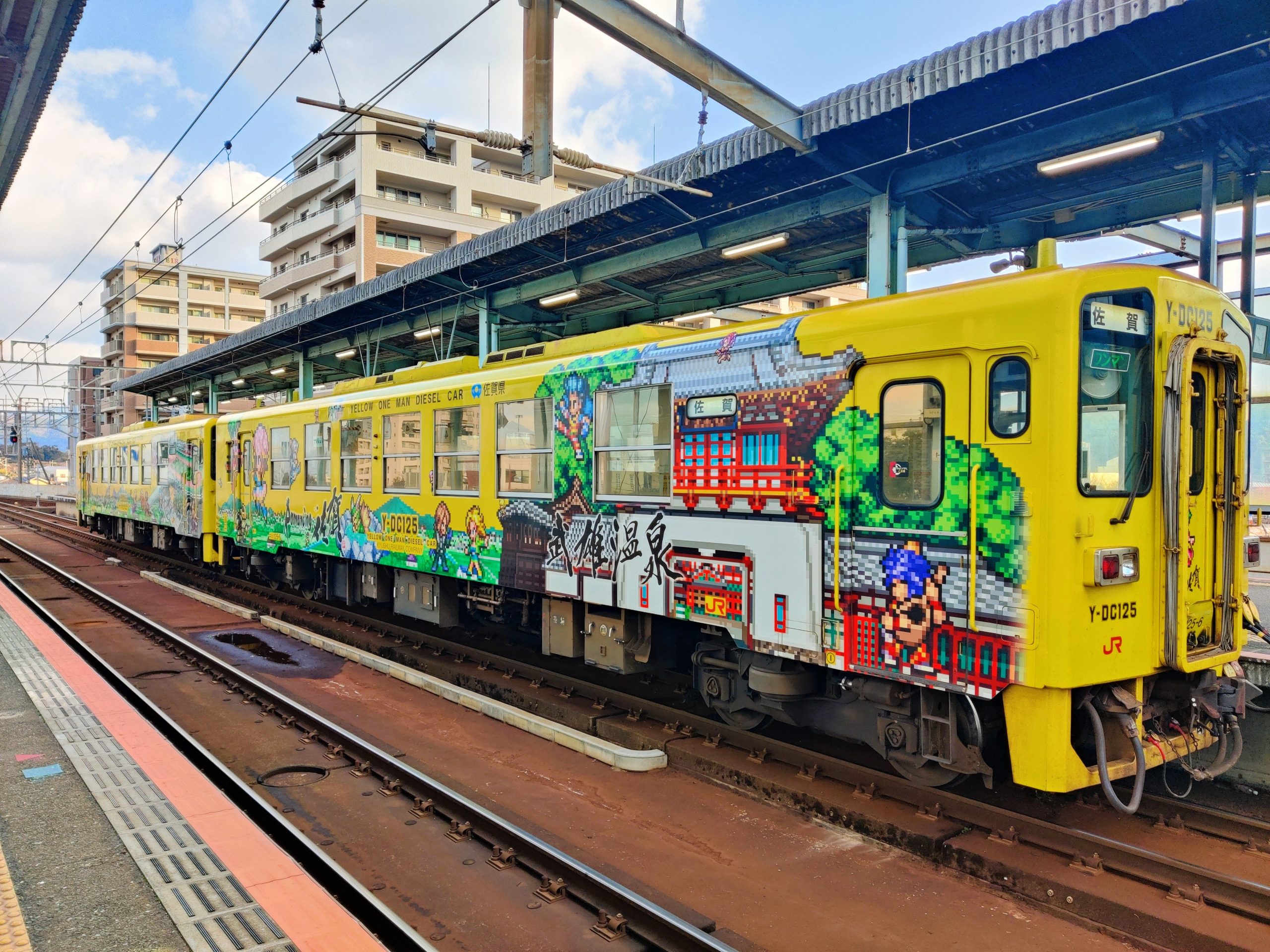
And if you’re on a budget and traveling between prefectures, islands, or cities, prioritize local trains and highway buses. Although they often take longer (sometimes twice as long), they’re also often half the price of shinkansen (bullet trains).
Plus, they’re perfect if you’re not in a hurry and like to enjoy the scenery at a slower pace.
You can buy your tickets in advance on the WILLER website.
Accommodation
I’m one of those travelers who likes to book things neither at the last minute (although sometimes I do) nor too far in advance. But one thing I learned in Japan is that this isn’t really an option. Not if you want to get the best prices, a wider range of options and beautiful traditional ryokans.
So do yourself a favor and try to book your accommodation several months in advance, as they tend to fill up quickly.
My favorite platforms I’ve been using for years are Booking or Agoda.
For your information, and to avoid any surprises on the check-in day, some cities charge a city tax, something to take into account when booking your accommodation. It’s often indicated in small print under the base price.
Eating and Food Tips
Understanding how to navigate public transportation is one thing, but when it comes to food, there are always certain things to know or keep in mind, whether they are cultural mistakes or simply general tips that’ll help you save money or order more easily at restaurants.
Tap water is generally safe to drink in Japan, even though Japanese people often prefer to drink filtered water. You can also find fountains in parks to fill up your reusable water bottle.
Solo dining is very common, with even restaurant chains such as Ichiran, CoCo Ichibanya, and others offer solo booths.
Shokken (food ticket) are a type of vending machine used to order food in restaurants. Some have pictures, others don’t, but the principle is the same: you insert the desired amount of money, choose your meal, drinks, sides, and receive a ticket to take to the service counter.
This is quite common in Japan, especially in ramen restaurants.
And of course, as in every country, each region has its own culinary specialty, which is a good reason to visit more places and discover different flavors.
Etiquette, Customs and Local Culture
If you don’t want to be that disrespectful traveler who didn’t even bother to learn about the country’s culture beforehand and ends up being frowned upon by the locals, here are a few things you should know.
- Don’t eat in the street (find a bench in a park or somewhere to sit).
- There are few trash cans so bring a trash bag with you, and don’t litter.
- No chopsticks in rice: resemblance to funerals.
- No shoes inside.
- Carry your luggage, don’t roll it on tatami mats (they’re very fragile and beautiful so don’t damage them).
- Respect reserved seats on public transportation.
- Blowing your nose or burping in public is considered bad manners.
- You should greet people by bowing slightly or with a small nod of your head (even if it’s not expected of foreigners, it’ll be appreciated).
- Smoking is only allowed in designated areas.
How to visit a shrine properly:
- Keep to the sides of the gates when entering; as the middle is reserved for the deities.
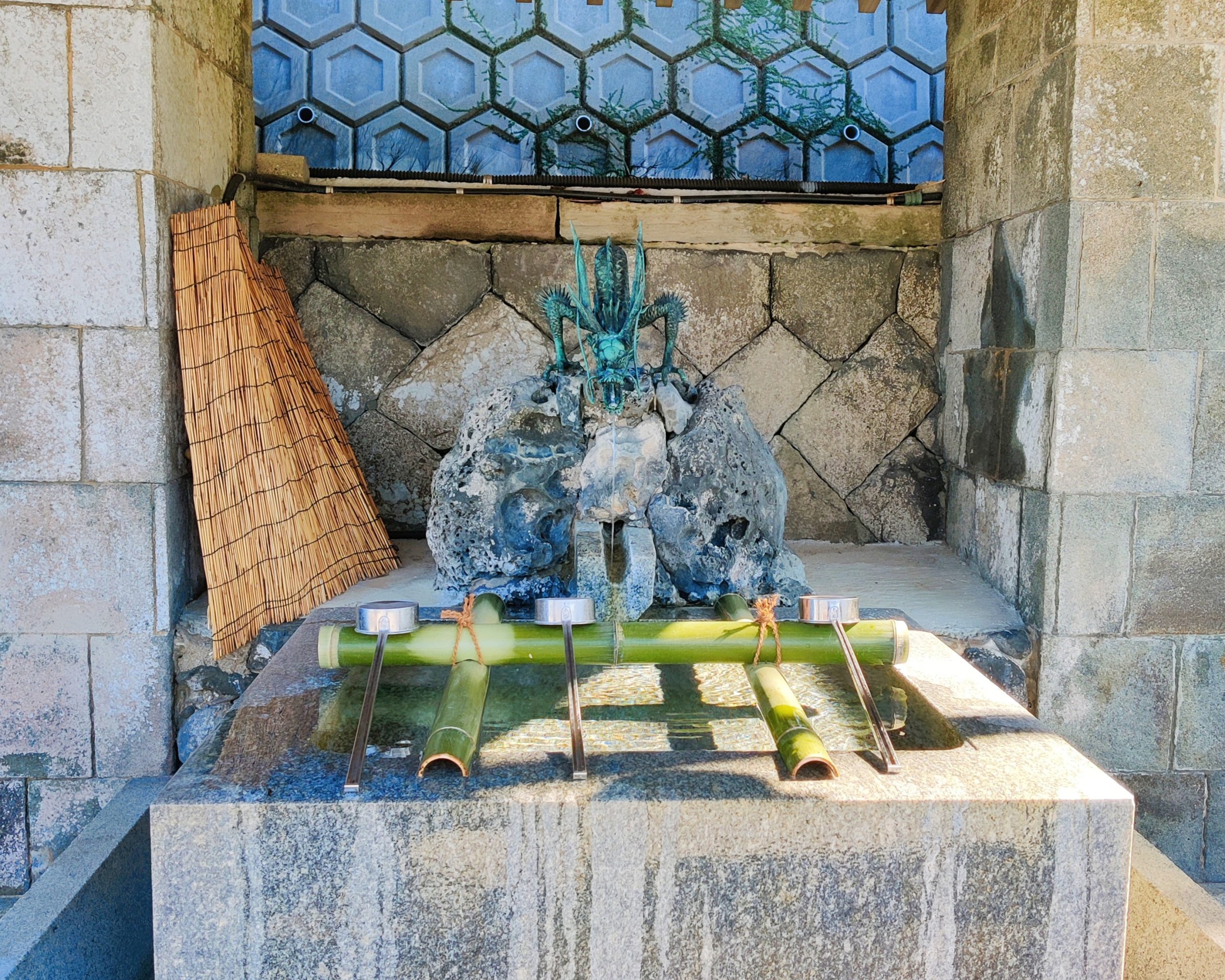
- Purification fountain: take the ladle, rinse your left hand first, then your right hand, rinse your mouth (pour a little water on your left hand and spit it out, although this step can be skipped) and dispose of the remaining water next to the fountain.
- If you wish to pray at the offering hall: throw a coin, ring the bell if there’s one, bow twice, clap twice, pray and bow once.
How to visit a temple properly:
- Be quiet and calm.
- Do the purification ritual.
- Throw a coin into the offering box and pray.
- If you wish to light incense sticks, take one stick, light it using a nearby flame, and extinguish it with your hand (by fanning it). Then gently place your incense stick upright in the sand.
- When entering temple buildings, remove your shoes and place them on the nearby shoe rack. It is advisable to wear nice socks, or at least ones without holes.
For both temples and shrines, it is also advisable to remove hats and respect the no photography signs when you see them, usually inside buildings.
Attractions and Other Tips
After these cultural tips, let me give you some more general tips that’ll be useful during your next trip to Japan.
- Book your tickets in advance, especially for the most popular attractions. Use apps like Klook or GetYourGuide to benefit from interesting discounts.
- You’ll need a valid passport for the entire duration of your stay and must carry it with you at all times.
- You’ll walk a lot in Japan so a power bank is an essential for your trip.
- Adapter: type A and B power outlets.
- Emergency numbers:
119: fire/ambulance
110: police
Stamps and Goshuin
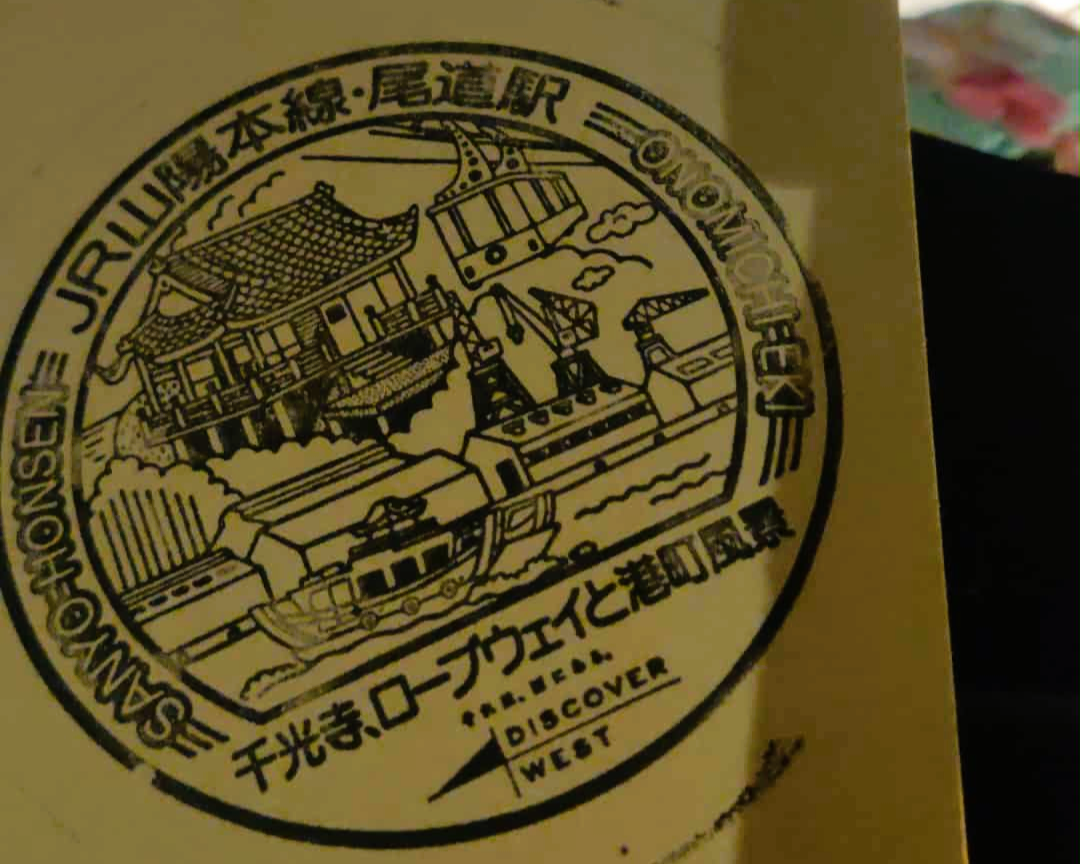
Want a unique souvenir that takes up no space, looks beautiful, and represents Japan? Go for a collection of stamps and Goshuin!
Get a small notebook at Daiso just for stamps. However, it’s best to buy a Goshuin book at a shrine or bookstore.
Goshuin is a combination of a stamp and handwritten calligraphy. It is commonly found at Shinto shrines and Buddhist temples and also serves as a proof of your visit. They usually cost between ¥300–1000 depending on the location or special design.
Stamps are sometimes quite large and can fill an entire page, so opt for something between a pocket-friendly notebook and a regular-sized journal. Stamps usually represent a city or landmark and are free.
You can look for them at train stations, temples, museums and popular attractions, but keep in mind that they can sometimes be difficult to find. To make the game easier, you can download Stamp Quest or Ekitag, two apps that’ll help you find them faster.
Apps
It’s no secret that technology has made traveling easier, especially thanks to helpful apps that simplify certain aspects of your trip. Here’s a list of my favorite apps in Japan, with links!
- Navigation: Google Maps
- Interactive routes and detailed information on public transportation: NAVITIME
- Language app: Google Translate
- Taxi: GO taxi
- Find the best restaurants: Tabelog
- Luggage storage: ecbo cloak
- Shopping made easier: Payke
- Earthquake early warnings: Yurekuru Call
- Cashless transit: Welcome Suica Mobile (iOS)
And that’s a wrap on everything you need to know for your future trip to Japan! If you have any questions about anything in this article or anything I haven’t covered, feel free to use the comments section or my contact form. I’d be happy to help you ease your concerns and plan your trip!
Is Fushimi Inari Taisha on your list of places to visit, but you don’t like the crowds and you’re not a morning person? Find out how to visit this Kyoto attraction without these constraints!


This is awesome! I’d love to visit Japan some day!
I’m sure you will!! And thank you for reading, Lex!
This is really helpful advice. Japan has been on my list of places I would love to visit one day, and I appreciate the tip about booking several months in advance. I tend to plan my trips the same way you described, not too early and not last minute, so it’s good to know Japan is a little different when it comes to accommodations.
You’re welcome, and yes, especially if you want to book nice hotels or ryokans! I really hope you’ll visit Japan one day, as I’m sure you’d love the country! Thanks for your comment, Ann!
Good to know. Have to keep this in mind.
Happy to help, and thanks for your visit, Mary Ann!
Thank you so much for this helpful travel guide. It’s so great to know what to expect while planning for a future trip to Japan!
You’re welcome, Debbie, and thank you for taking the time to read and leave a comment!
Very useful! I’ve been to Japan in December 2023 and even though I prepared everything correctly regarding documents etc. I felt I didn’t took time to learn more about how to get around, the best areas to stay, what to do and see and so on. If I’ll ever get back there I’ll surely prepare more. I save this article for the future!
I also love to be flexible in my plans, but yes, sometimes it’s better to prepare certain things in advance, like public transportation, or at least how to get from the airport to your accommodation, as it can be a headache to figure out when you’ve just landed and are already tired from the trip. I can’t wait for you to visit Japan again, Maricla, and thank you for taking the time to leave a comment!