
3-Week Itinerary In Japan – Exploring Kyushu And Okinawa
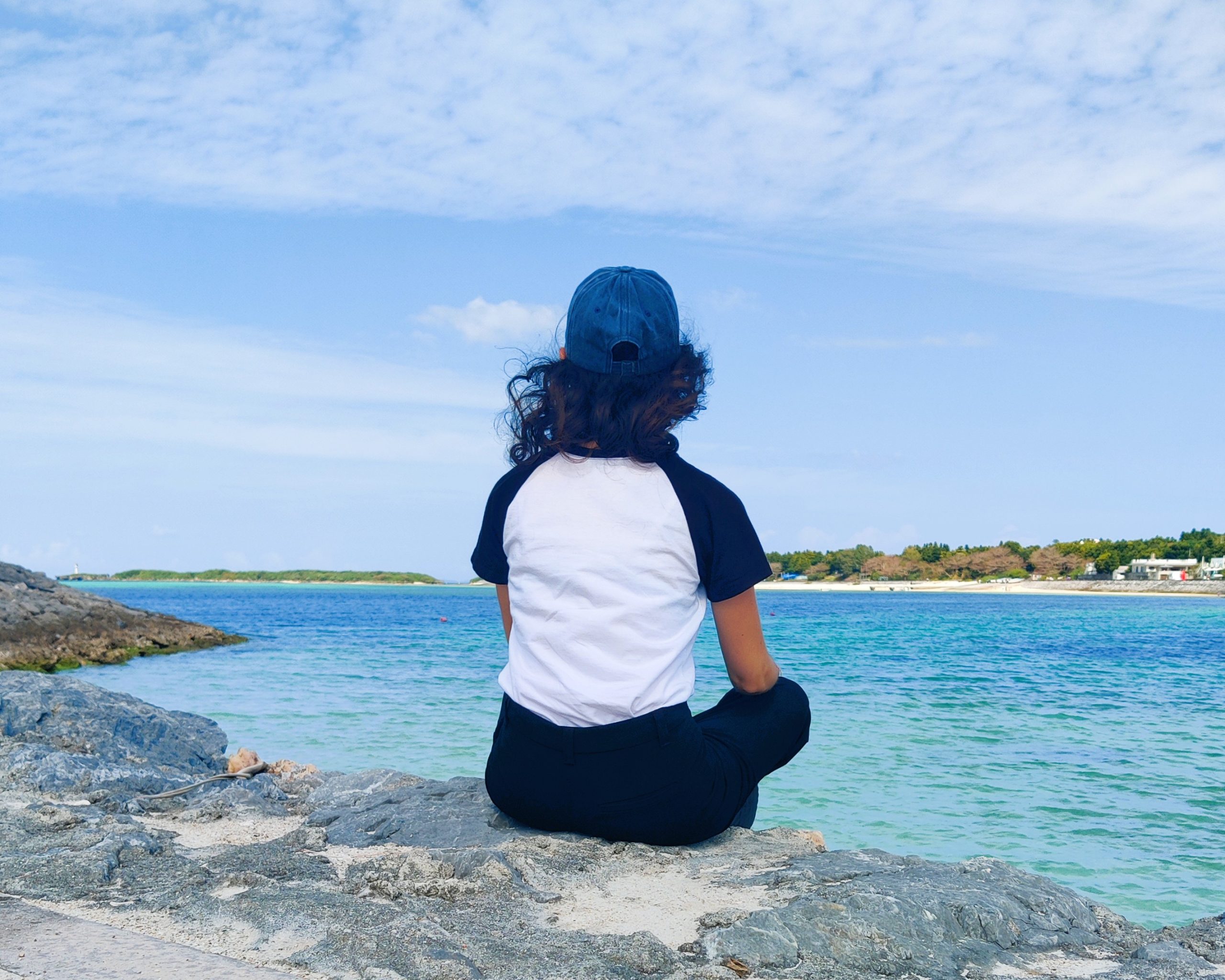
Japan is vast, much larger than you think once you start exploring it. Composed of four major islands (Honshu, Hokkaido, Kyushu, and Shikoku) and many smaller ones, I quickly decided that my second trip would focus on only one of them, so I could enjoy the country’s hidden charms and natural beauty more fully and at a more leisurely pace.
And since I fell in love with the island of Kyushu on my first trip, I naturally decided to explore it further, (even though I still feel like I’ve only scratched the surface). That’s why I chose to focus this 3-week itinerary in Japan on Kyushu and Okinawa (because don’t forget: I’m an island girl through and through).
Let’s go!
This post contains affiliate links. Whenever you buy something through one of these, I get a small commission, without any extra cost to you. Thank you!
🎯 Short on time? Skip straight to my recommendations!
🗺️ Experiences/Tours:
🖼️ teamLab Forest Fukuoka
🎨 Kyushu National Museum
🗼 Fukuoka Tower
⛩️ Itoshima Day Trip
🌋 Mount Aso Tour
🤿 Snorkeling in Okinawa
🛶 Sunset Kayak Tour
🛌 Budget-friendly accommodations:
Fukuoka:
Fukuoka Tabiji Hostel 福岡旅路ゲストハウス
Itoshima:
Itosima Guesthouse TOMO
Karatsu:
HOTEL KARAE
Aoshima:
Finecamp Guesthouse and Surf
Kannawa:
Manrikiya Inn and Ryokan (全5室の小さな温泉旅館 別府鉄輪温泉 萬力屋)
Taketa:
Taketa Ekimae Hostel cue
Save it for later!
Best time to visit Japan
I’m one of those people who believe there’s no “best time to visit a country”, because we all have our own constraints and every season has its pros and cons anyway.
So let me give you a quick overview of what you can expect in each season in Japan.
Spring: the famous sakura season, and other beautiful flowers. Temperatures start to get pleasant, and you can finally spend time outdoors without having to bundle up in too many layers of clothing.
The “big” disadvantage is that this is, of course, one of the busiest seasons, so you’ll often see more people, especially around popular attractions.
💡 Tip: get out of the big cities and book everything well in advance!
Summer: high humidity, monsoon and typhoons, but also beach season and street festivals all across the country.
💡 Tip: escape the beach for the mountains if you’re worried about crowds.
Autumn: vibrant colors and pleasant temperatures await you. Perfect climate for hiking!
But just like in spring, this is a popular season, so keep that in mind when planning your trip, especially if you want to visit major cities.
💡 Tip: try to avoid visiting in late September, as there are several public holidays.
Winter: if you like snow and skiing, this is the ideal season for you. Not to mention that you’ll enjoy plenty of blue skies and sunny days.
💡 Tip: if you don’t like the cold, you can still opt to visit Southern Japan or Okinawa to enjoy milder temperatures and escape the winter.
Visa
You probably won’t need a visa thanks to the visa waiver agreements Japan has with 74 countries. You can also enter the country for up to 90 days, depending on your nationality.
And for smoother procedures, such as immigration and customs, where you can avoid filling out paper forms, don’t forget to create an account on Visit Japan Web.
Language
Japanese is the official language of the country. English is not widely spoken, but you can get by with basic English and the use of a translator app such as Google Translate. Don’t forget to learn a few local words, which is always appreciated by the locals.
Money
The official currency of Japan is the Japanese yen (¥/JPY).
Phone
Don’t forget to buy a SIM/eSIM card!
My tip: opt for Sakura Mobile: reliable and fast internet, and reasonable prices.
You can also use Airalo or Holafly, or buy your physical SIM card directly at the airport if your phone isn’t compatible with eSIM or if you simply prefer a physical option!
For your information, unlike many countries I’ve visited, you won’t necessarily get a local number in Japan.
Transportation
As in many cities in Japan, it’s pretty easy to get around thanks to their efficient public transportation system.
Don’t forget to buy an IC card from one of the subway machines. You can recharge the card as you wish, and the card is valid for 10 years after its last use. And no matter where you buy it, they work in most cities in Japan.
Japan 3-week Itinerary – Kyushu & Okinawa
To make your arrival and the start of your itinerary easier, let’s start our trip in Fukuoka!
Day 1: landing in Fukuoka
I don’t really like to overdo it, or cram too many activities into a single day, because my travel style is pretty slow and relaxed and I try to fully enjoy each place. And this is even especially true on the first day, when you’ve often had a long flight behind you if you’re coming from far away.
So let’s start the day off gently and focus on one of the closest area to the airport: Hakata Ward.
History, food, and neon-lit back alleys await you there.
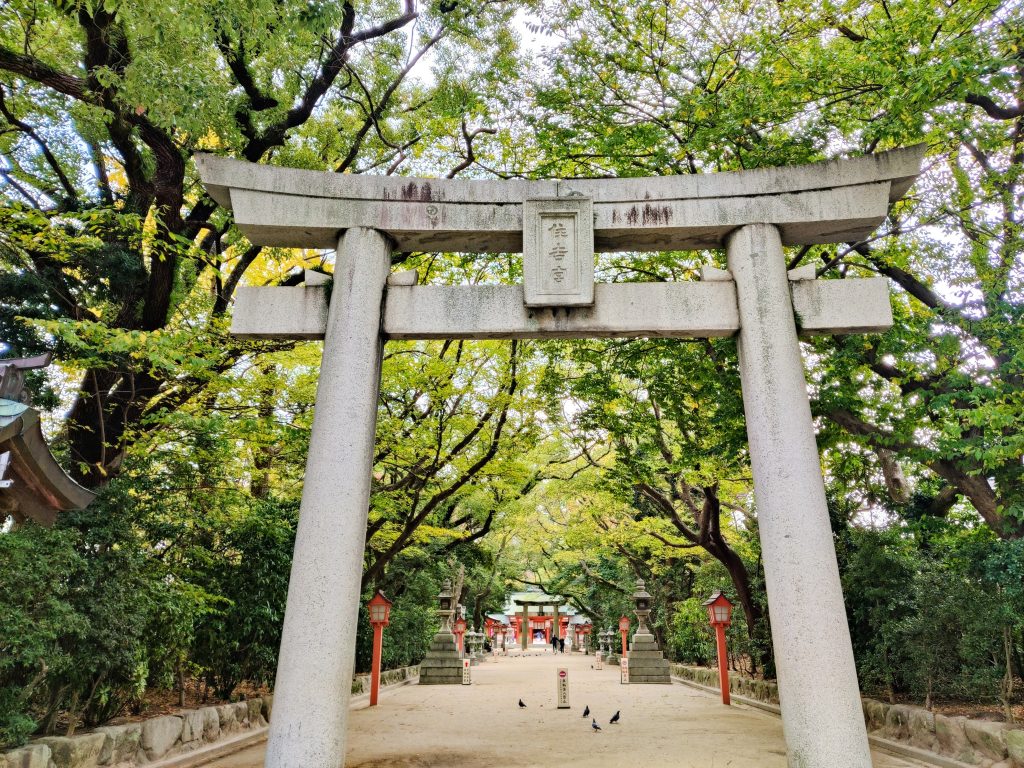
Visit some of my favorite temples and shrines: Sumiyoshi Shrine, Kushida Shrine, and Tochoji Temple (where a famous wooden Buddha over 10 meters tall awaits you), and Shofukuji.
And don’t forget to slurp some Hakata ramen while you’re at it: a staple in the city!
A peaceful stroll through Ohori Park
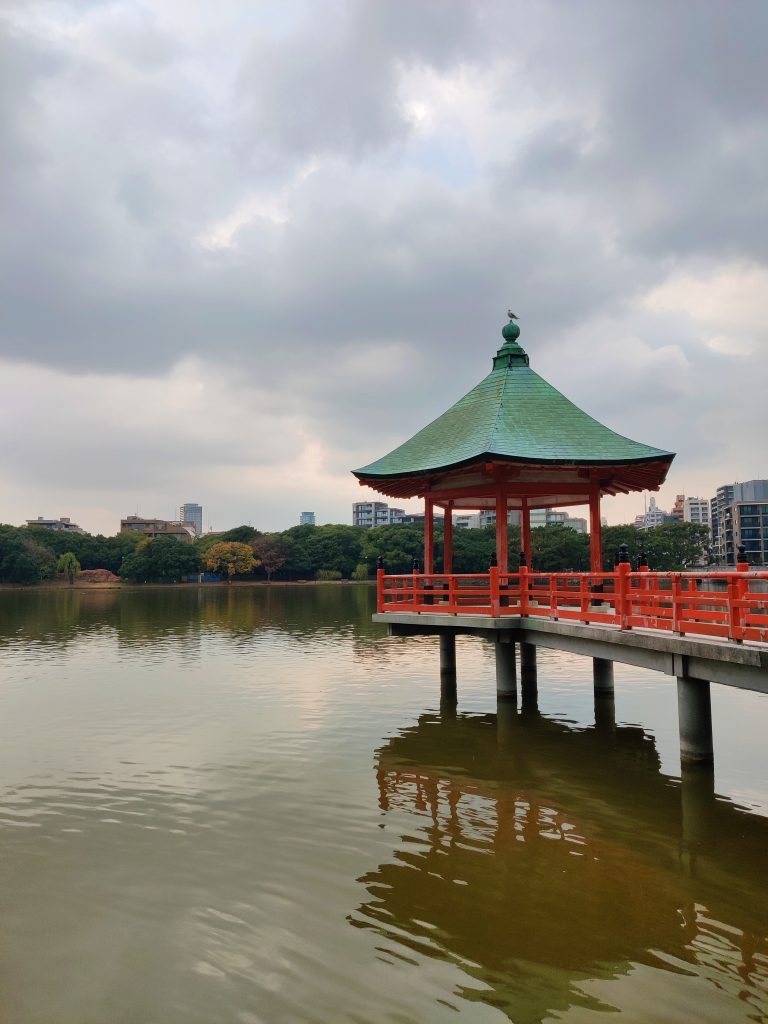
Want to take a break from the city center and forget you’re in the largest city on Kyushu Island? Head to Ohori Park and watch the cute ducks glide across the water.
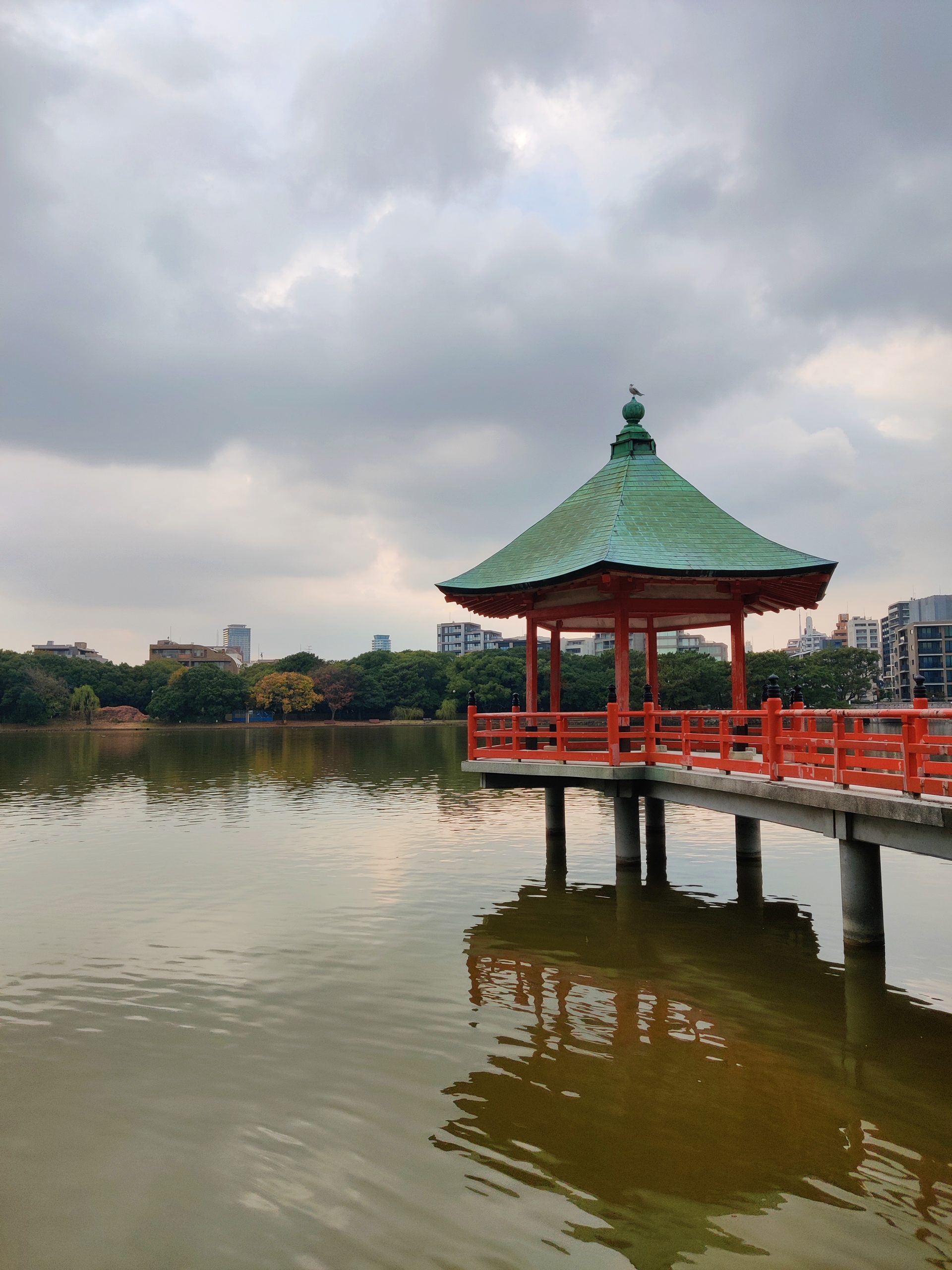
You can also spend time strolling through this beautiful, vast park, or have fun renting an adorable swan-shaped boat.
Note: if you’re up for it, and want to see the city’s night view, visit Atago Shrine (just 4 stops from Ohori Park on the Airport line).
↪ See also: 3 Days In Fukuoka: One Of Japan’s Most Underrated Largest Cities!
Day 2: Nanzoin Temple
Let’s get away from the city to admire a unique temple located in a remote town: Nanzoin Temple.
Steeped in history and home to a beautiful and majestic bronze reclining Buddha, this temple is a one of a kind place well worth a visit, if only for its serenity and majestic beauty.
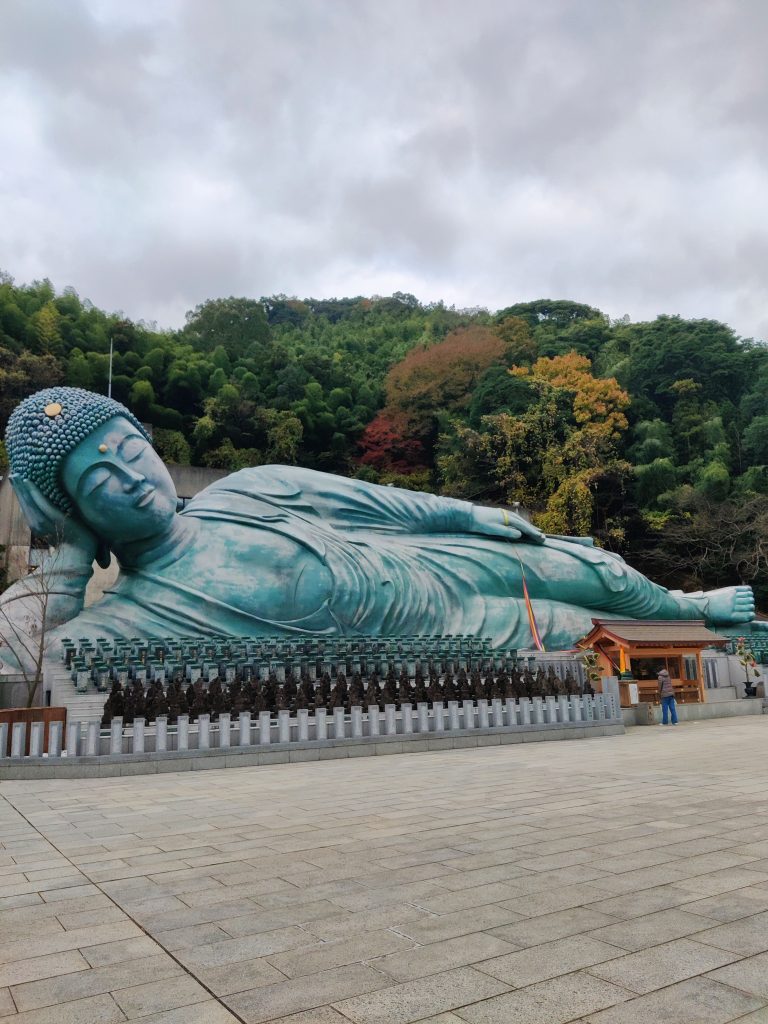
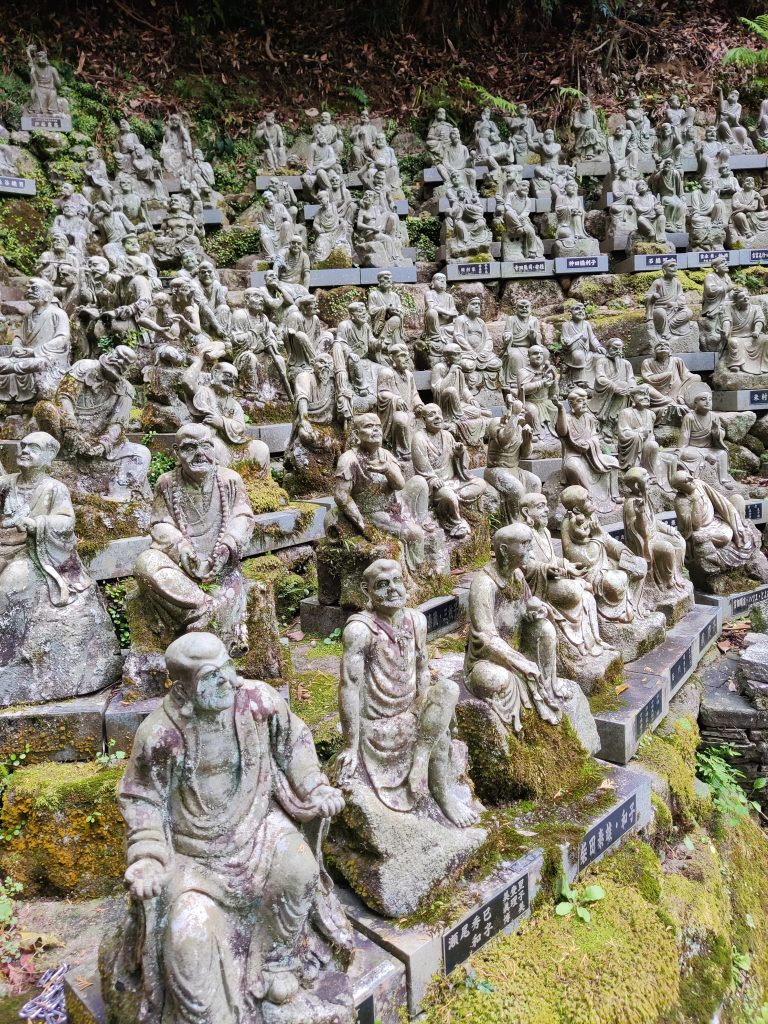


There are also numerous small shrines in the surrounding forest, as well as hundreds of statues scattered around the main sites. So feel free to explore the grounds at your own pace and take the time to admire the beauty of Nanzoin Temple.
↪ See also: my guide to Nanzoin Temple!
Fukuoka Asian Art Museum
Interested in modern and contemporary Asian art? Look no further than this museum in Fukuoka, which features interesting and original exhibitions from various Asian countries around the world.
If you want to take it slow and do something different during you trip, a visit there is recommended, even more so if you’re an art lover. And at ¥200 for admission, that’s what I call a bargain.
You can then end your evening with a stroll along the Naka river or by watching the water show and all the lighs at Canal City Hakata.
Day 3: direction Itoshima
I know that when people visit Itoshima, it’s often just for a day trip from Fukuoka, but if you enjoy peaceful little towns with easy access to nature, spending two days relaxing and exploring the surroundings is also a good idea.
Sakurai Shrine Futamigura Torii
With its white torii gate blending into the blue of the ocean, framed by the Meoto Iwa rocks (or wedded rocks), this serene coastal destination is a must-see if you’re passing through Itoshima.
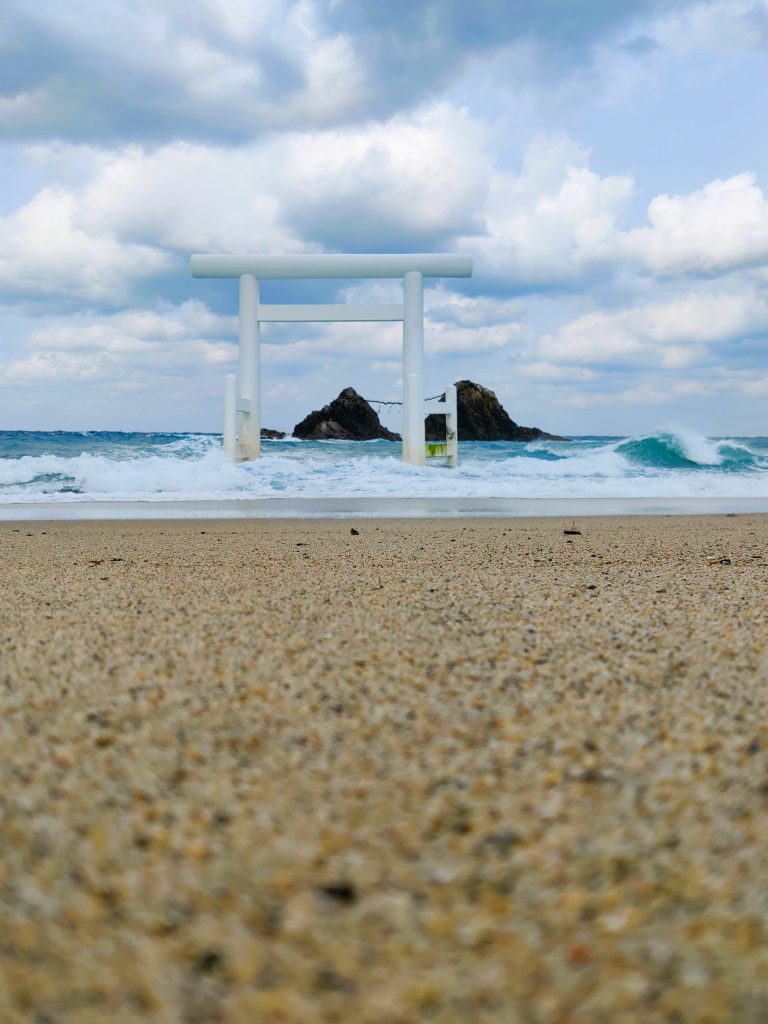
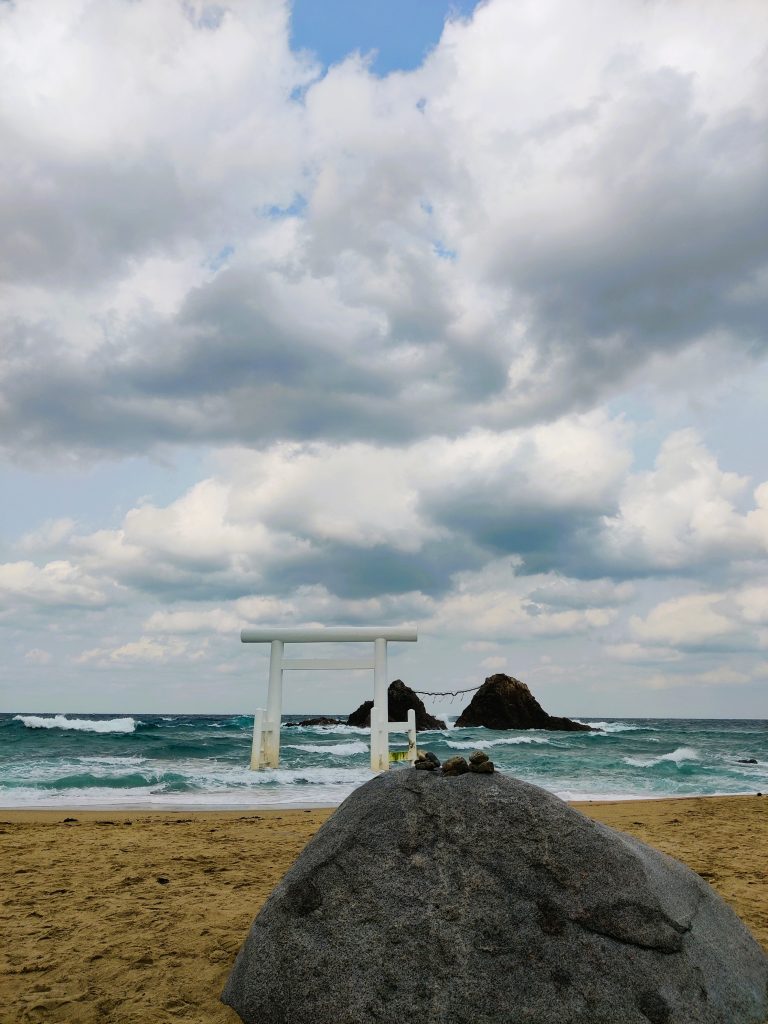
Note: it’s also a magnificent place, highly recommended at sunset!
Sakurai Shrine
Only a 40-minute walk from the white torii gate, here’s a route that will take you through a small village dotted with small temples and countryside vibes, until you reach Sakurai Shrine: a shrine imbued with a quiet and special atmosphere, ideal for escaping the stresses of daily life.
Its wonderful traditional architecture and location in the heart of lush, beautiful nature make it a refreshing getaway in Itoshima.
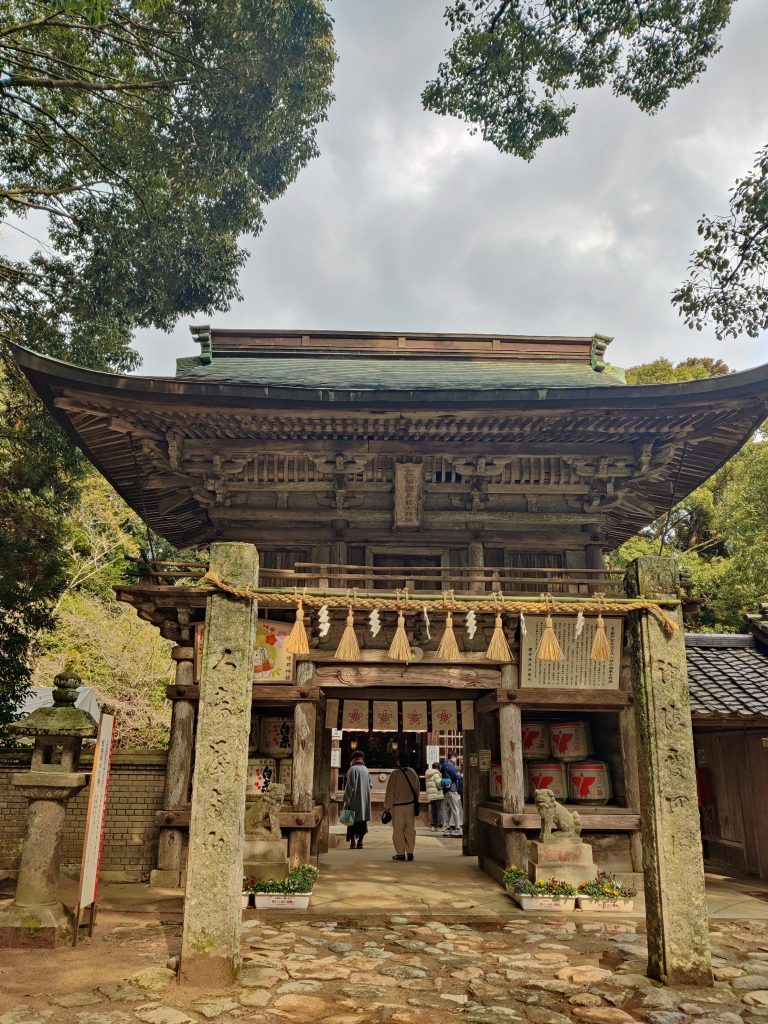
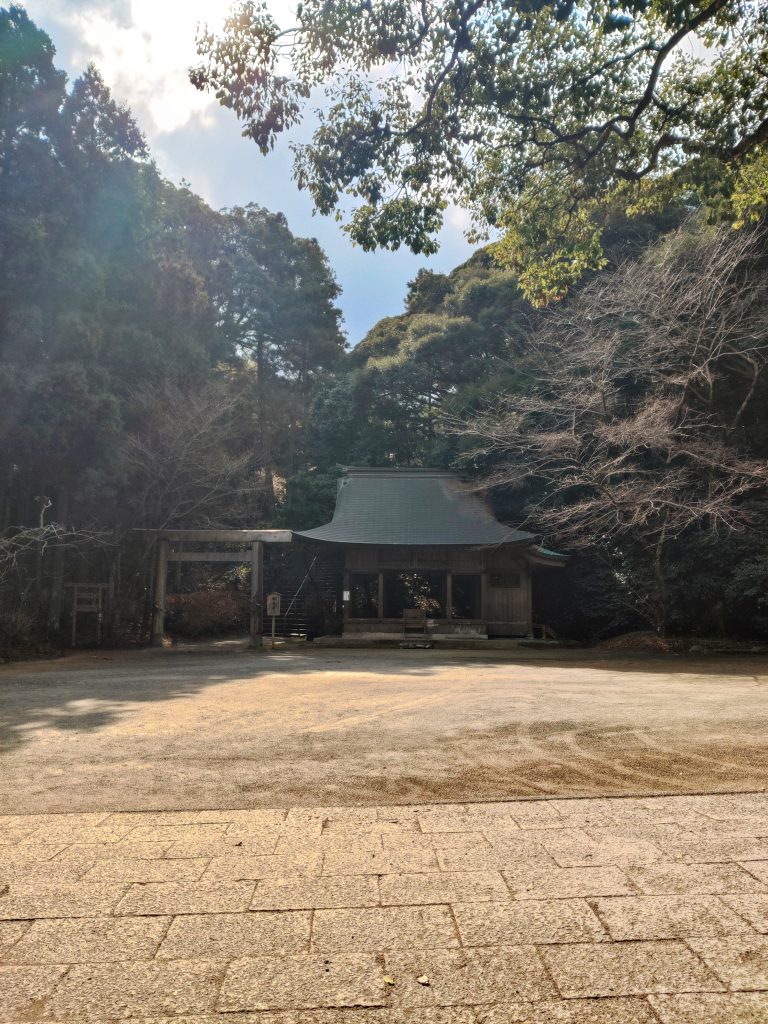
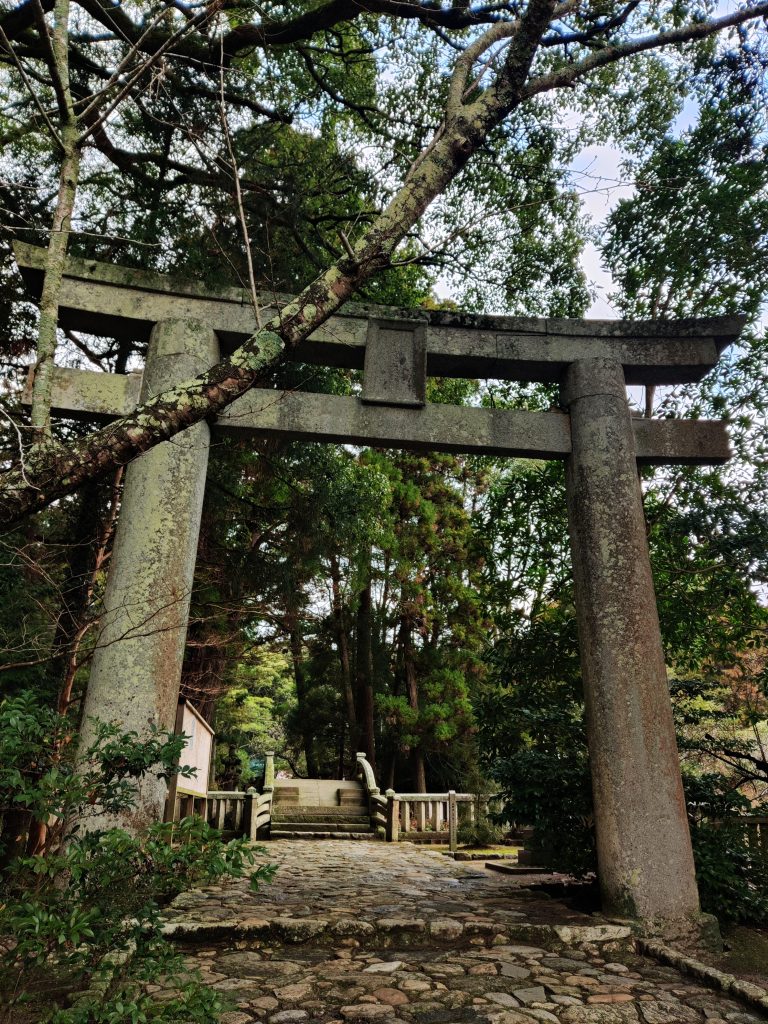
Note: don’t forget to visit the small shrines at the top of the stairs!
Oguchi Beach
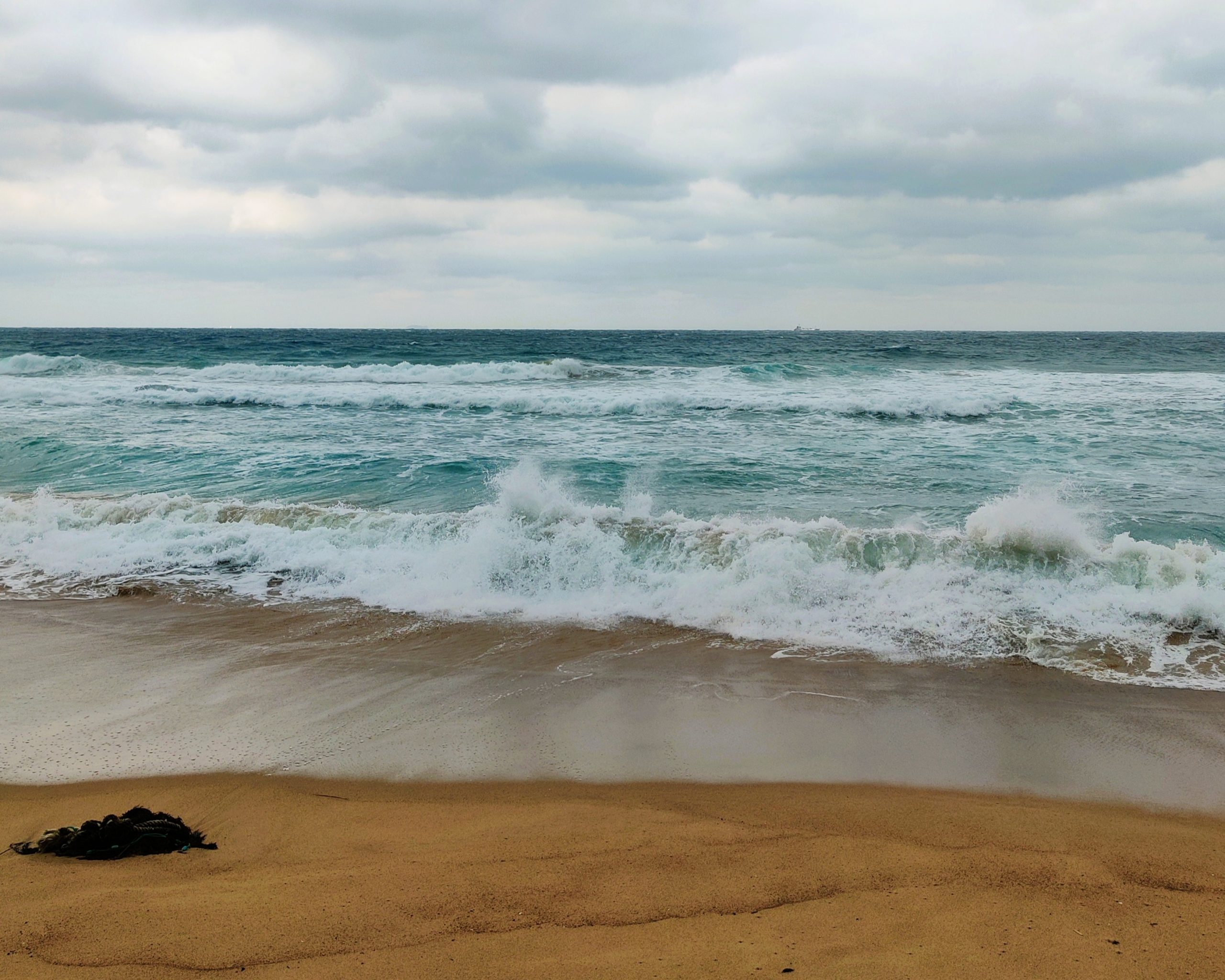
Since you’re in the area, why not spend some time at Oguchi beach? A beautiful, deserted beach, where only the sound of the waves and the whistling of the wind can be heard.
It’s also the perfect spot to admire the scenery and do some journaling if you feel inspired.
Note: there’s a lovely café, Time, just above the beach, ideal for taking photos and taking a break.
Day 4: Beach and Waterfall
Thanks to its coastal location, Itoshima has no shortage of beautiful sandy beaches. Head to Anego no Hama beach, famous for its squeaky sand, to spend a lovely morning walking along its wide stretch of sand while listening to the sound of the waves lapping at the shore.
Note: if you haven’t rented a car or feel like this beach is a little too far, you can opt to go to Keya beach instead.
Shiraito Waterfall
Fancy a refreshing afternoon in nature after your time at the beach? Head to Shiraito waterfall!
A beautiful waterfall with breathtaking views of the coastal towns below. You can also enjoy some local snacks and try your hand at fishing for Yamame trout.
Note: craving a fruit parfait? Visit café lily, at the foot of the mountain, for a sweet treat in a beautiful Japanese-style building.
🏨 Looking for a budget, well-located, and welcoming accommodation in Itoshima? Check out Itosima Guesthouse TOMO!
Day 5: Karatsu and Saga Prefecture
If you dream of seaside shrines, quiet villages, and turquoise waters, Karatsu and Saga Prefecture won’t disappoint!
First of all, and even though it’s small, Karatsu Shrine, located right in the city center, is well worth a visit for its tranquility and simple beauty.
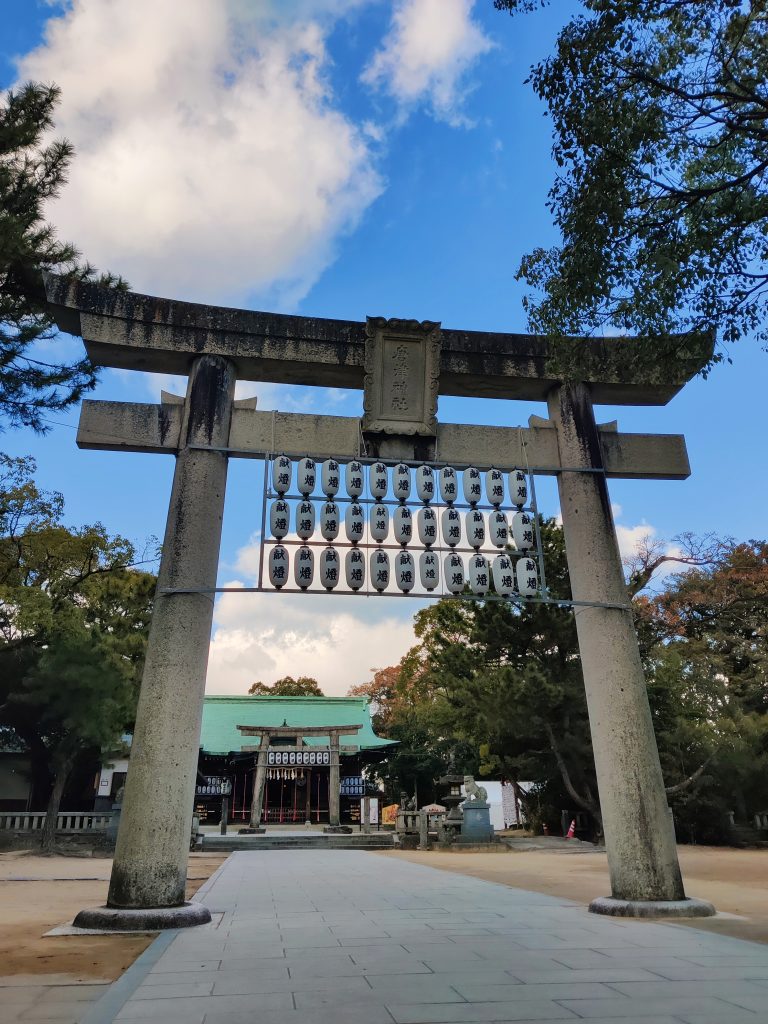
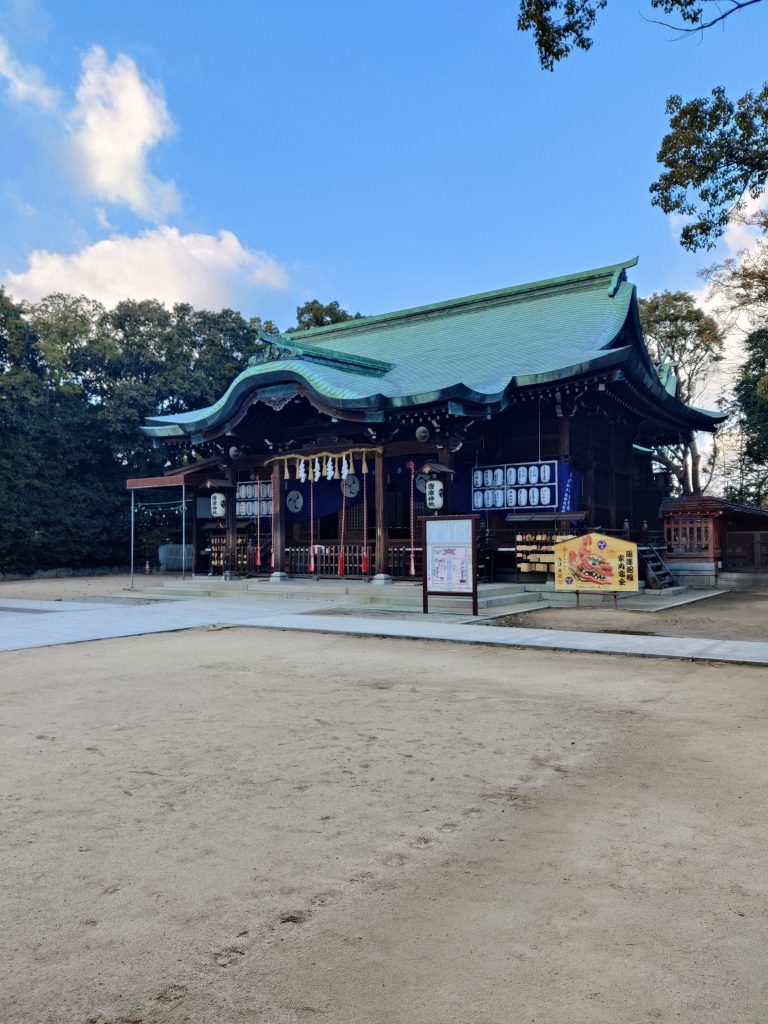
Note: if you’re visiting Karatsu in November, don’t miss the Karatsu Kunchi Festival ➡️ a 3-day procession of impressive floats representing mythical creatures.
Nishinohama Beach
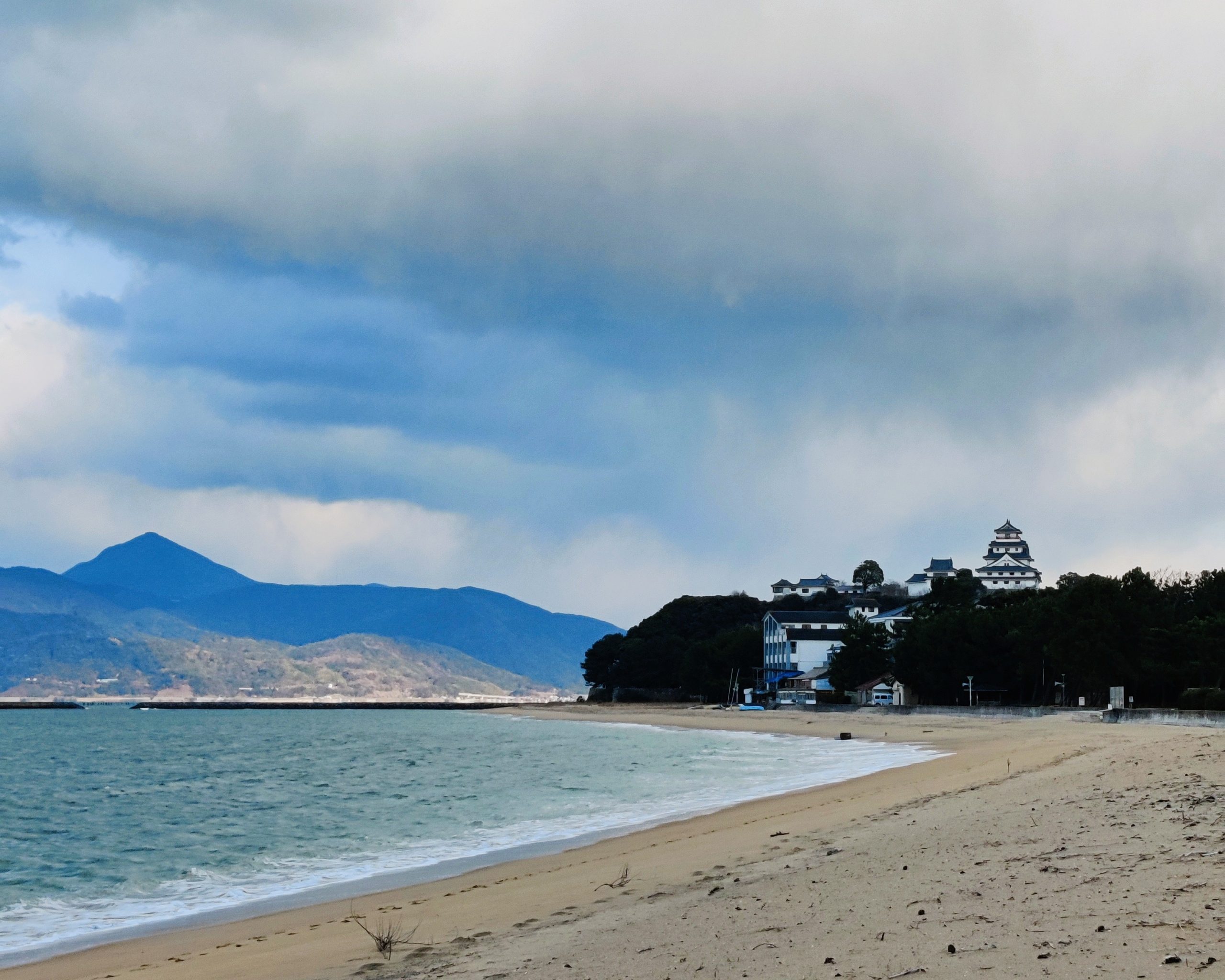
Just a few minutes from Karatsu shrine is Nishinohama beach, a quiet and picturesque beach offering views of the neighboring islands: Oshima, Torishima, and Takashima.
But that’s not all as it also provides a pleasant walk to one of Karatsu’s main attractions, Karatsu Castle.
Known as the “Dancing Crane” because its shape and location along the coastline are said to resemble the crane’s silhouette, the castle offers not only a rich history but also a pleasant view of the city below.
🏨 Looking for a comfortable, clean, and spacious accommodation in Karatsu? Check out Hotel KARAE!
Niji no Matsubara Pine Grove & Hamasaki Coast
Want to check out what a forest of a million black pines look like? Take a walk through this endless greenery until you reach the peaceful and beautiful Hamasaki Coast.
Note: check out the food truck Karatsu Burger Matsubara Honten for a unique meal in the heart of the pine forest.
Day 6: Yobuko & Kabe Island
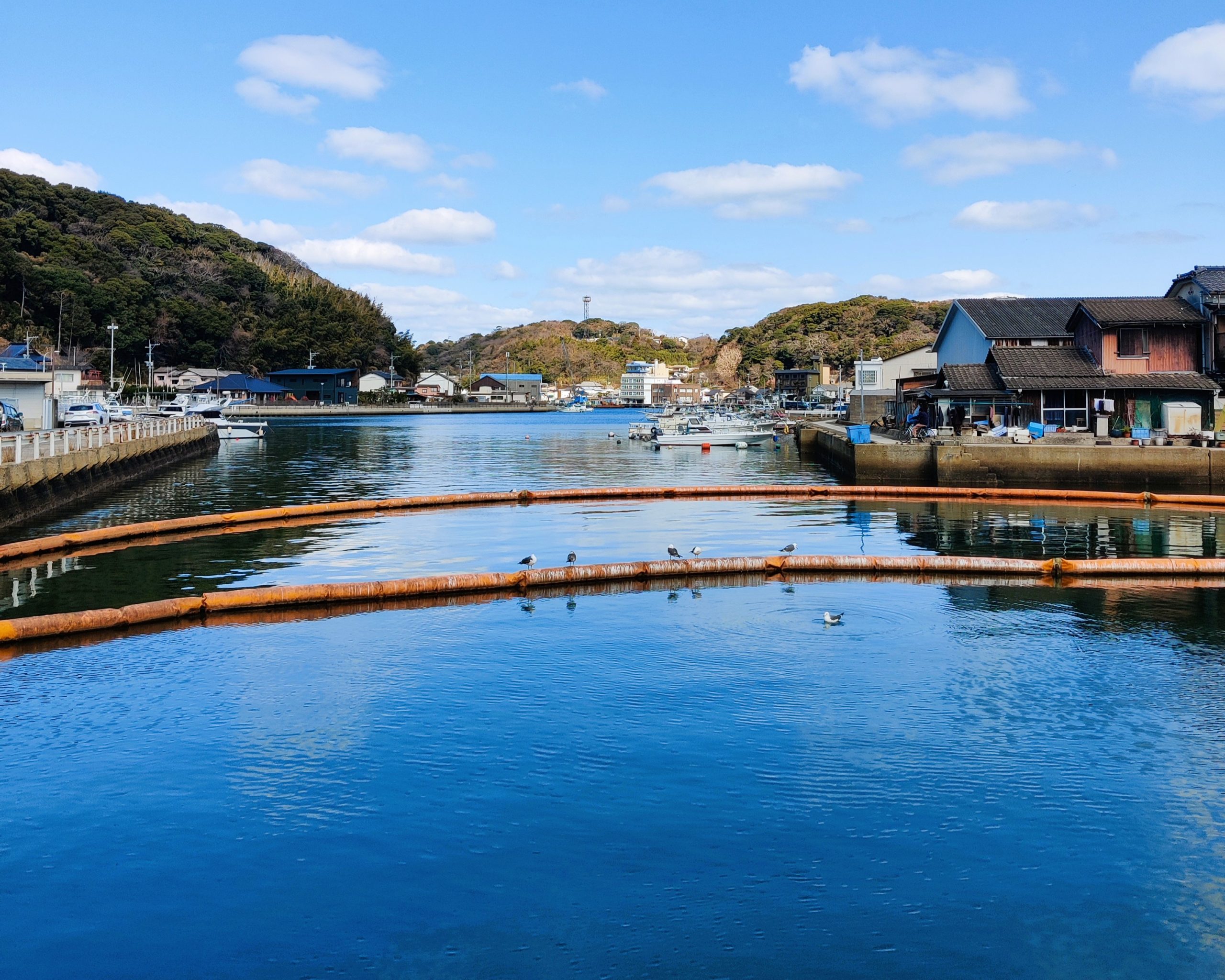
Just 40 minutes from Karatsu lies the beautiful Yobuko, a small port town famous for its squid and morning market.
Enjoy the lively atmosphere of Yobuko Morning Market, taste some fresh raw seafood, and make your way to your next stop on foot.
Note: Yobuko Morning Market is open daily from 07:30 to 12:00.
Kazenomieruoka Park
You can, of course, go to the next destination by bus, but buses are quite infrequent in Yobuko. So if, like me, you don’t have a car, I recommend walking to Kazenomieruoka Park.
You’ll cross Yobuko Bridge, which offers a panorama blending blue and green and an unparalleled view of the neighboring islands. Once you’ve crossed over to Kabe Island, you can enjoy true tranquility and countryside vibes where farmers and fishermen still live.
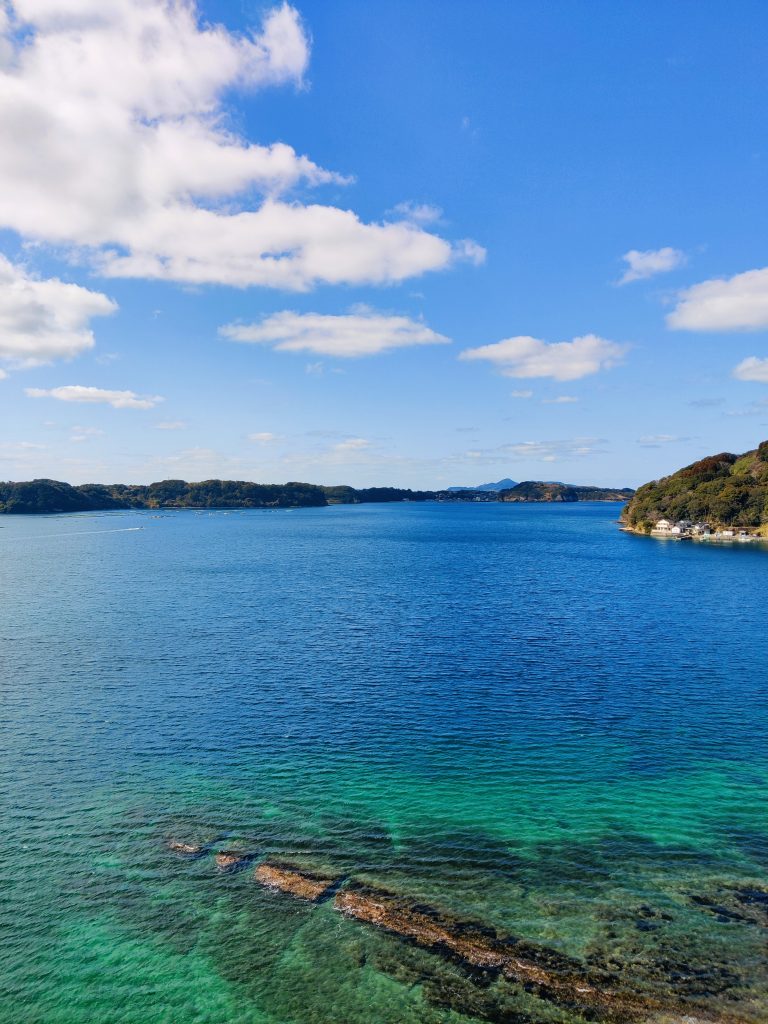
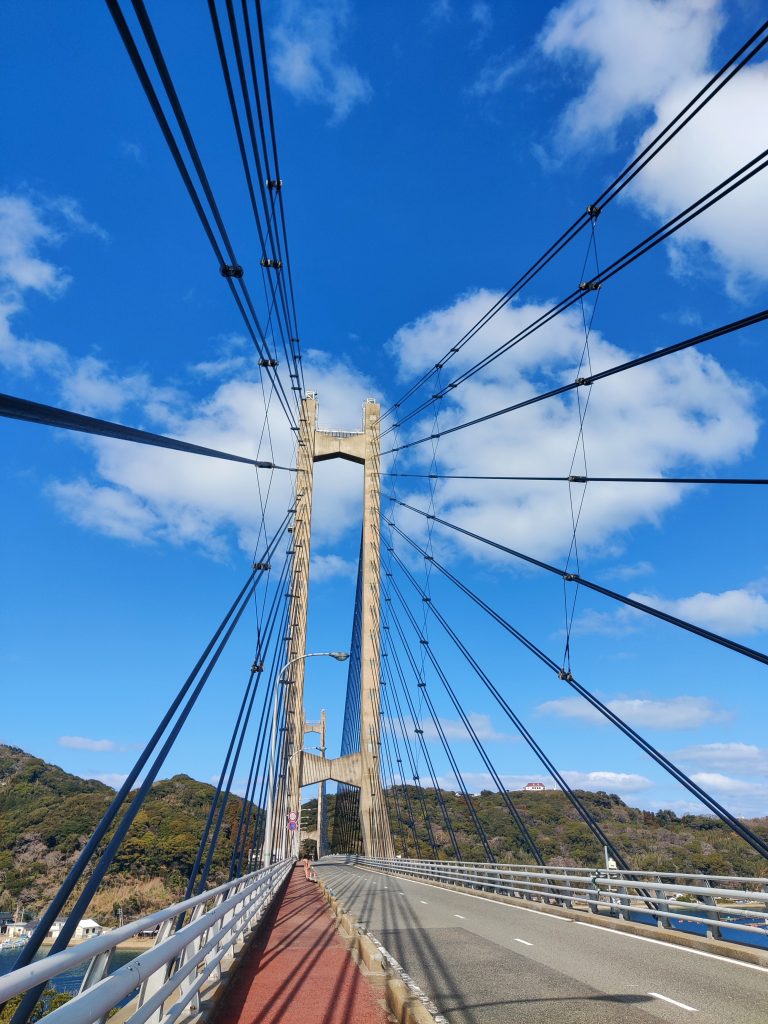
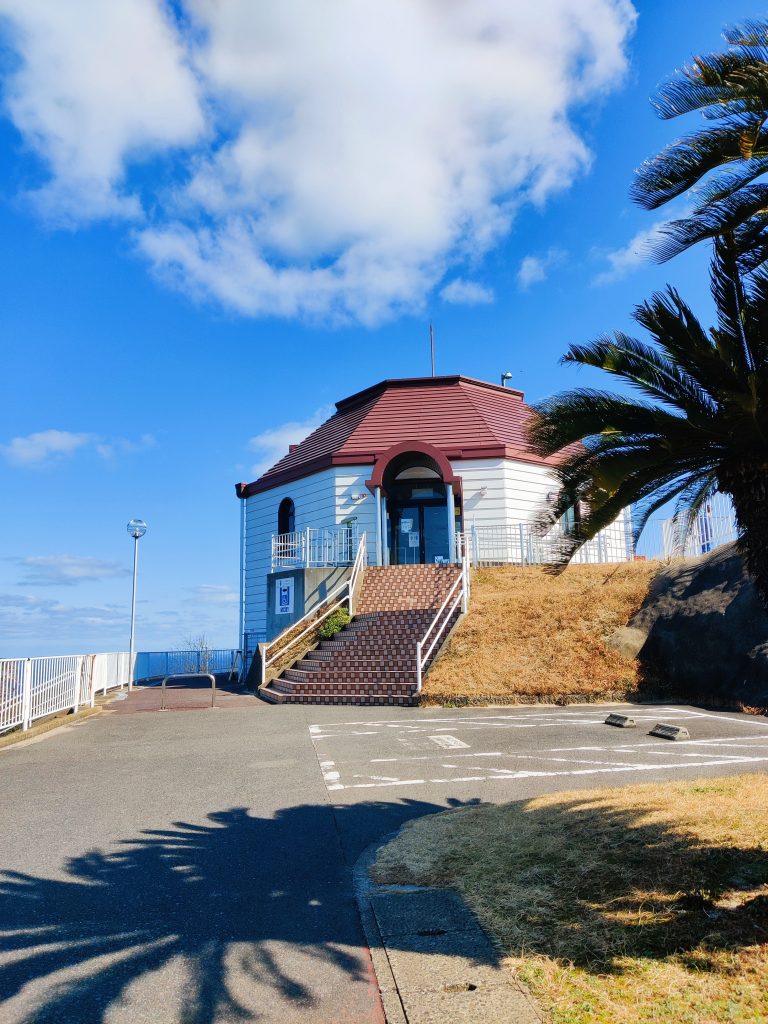
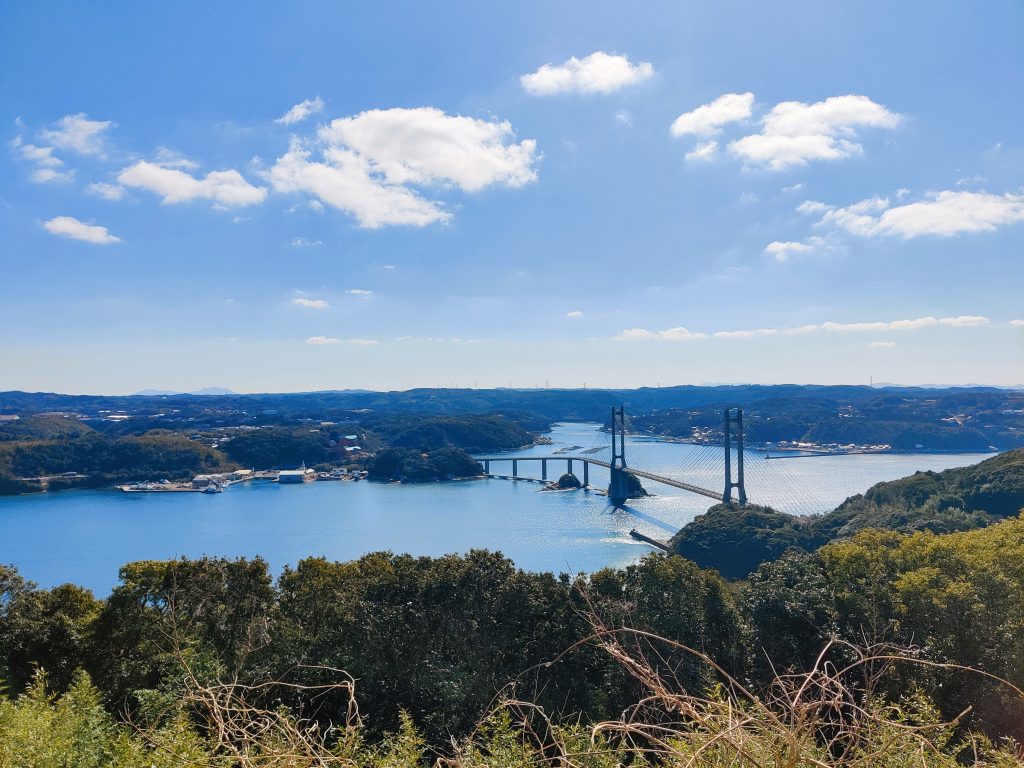
Kazenomieruoka Park, meanwhile, may be small, but the view it offers of Yobuko and its bridge is breathtaking, and it makes for a nice stop on the way to the next attraction.
Tashima Shrine
A shrine overlooking the sea, located in a quiet village bathed in a serene atmosphere: that’s what awaits you at Tashima Shrine.
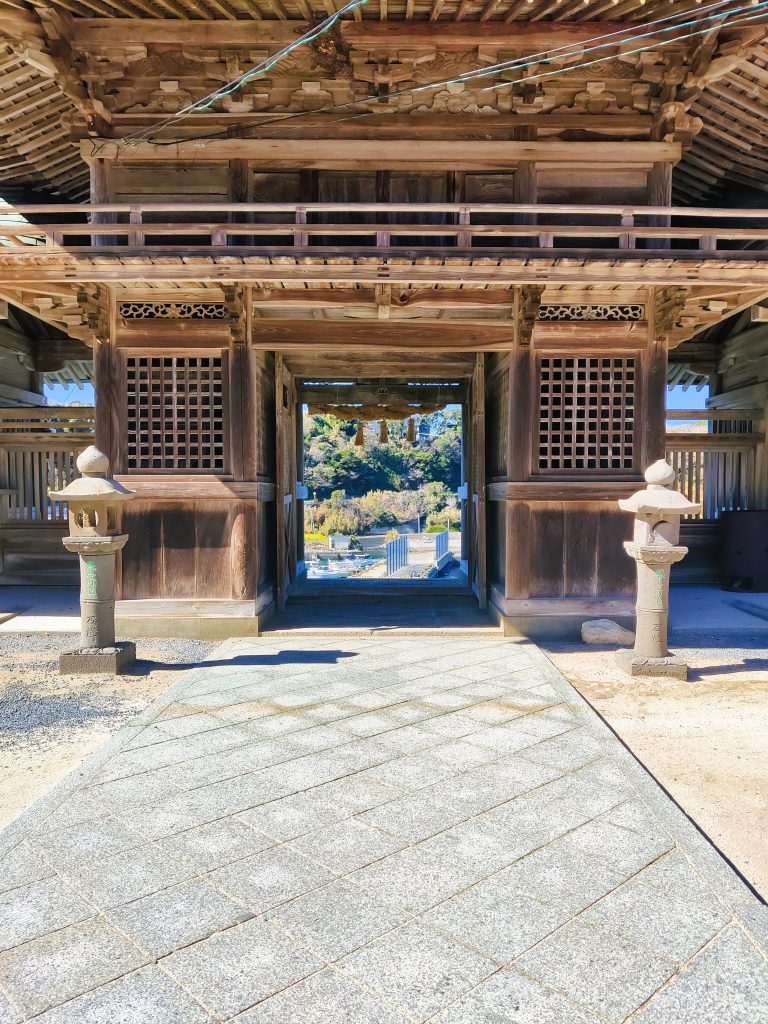
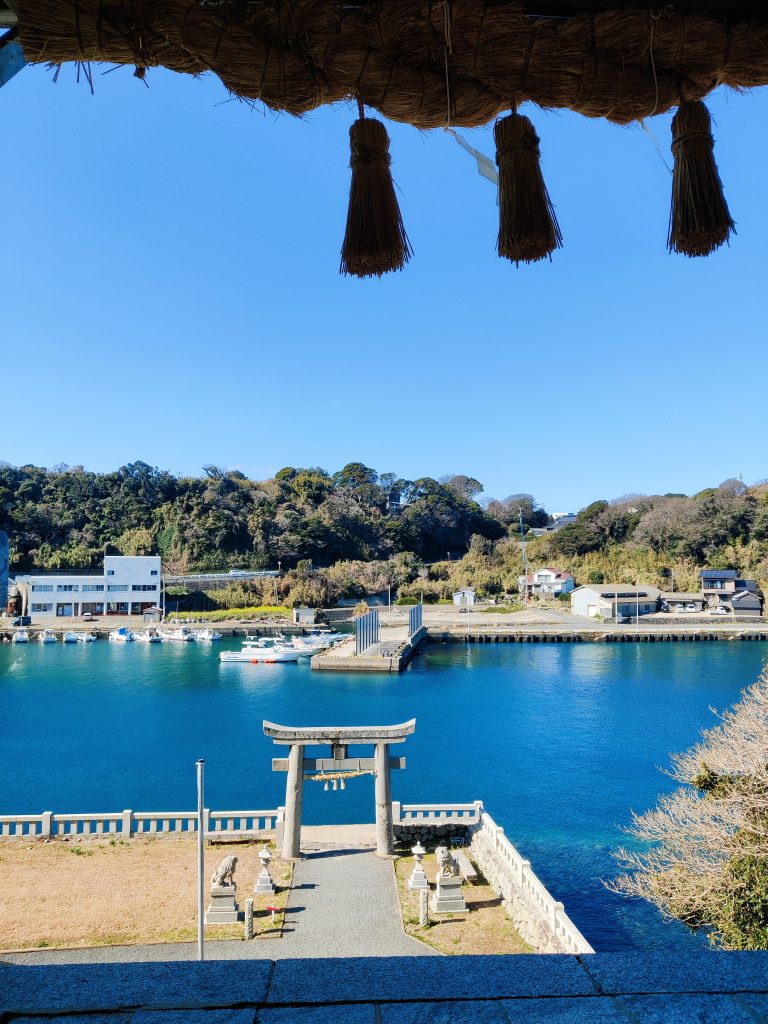
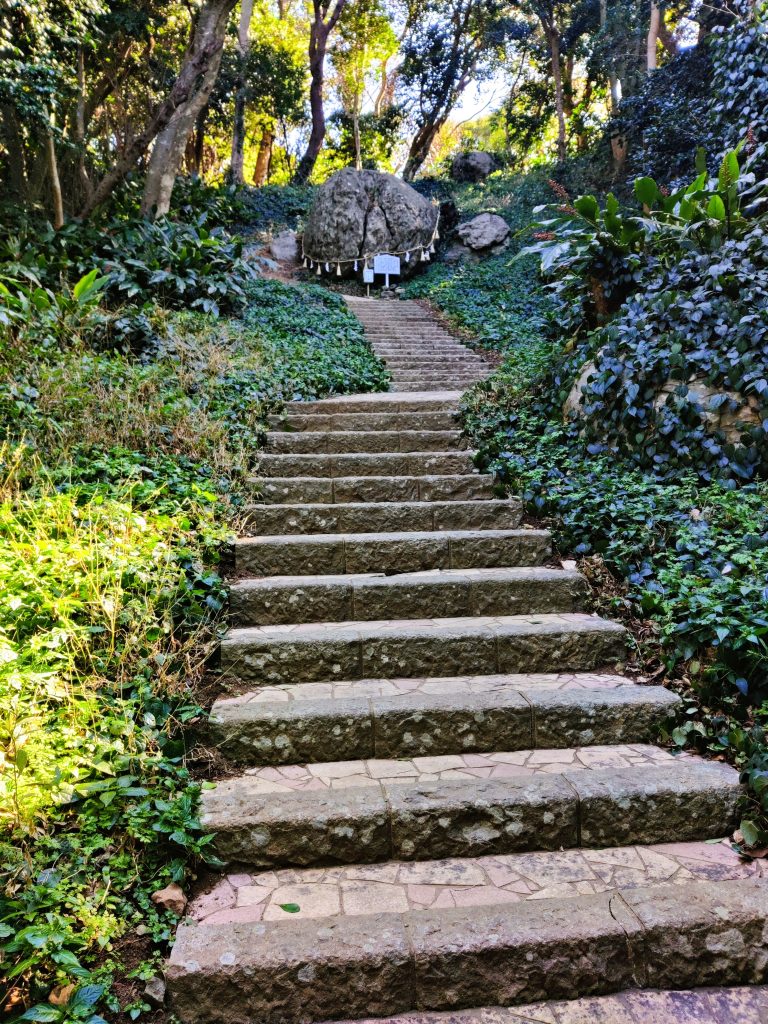
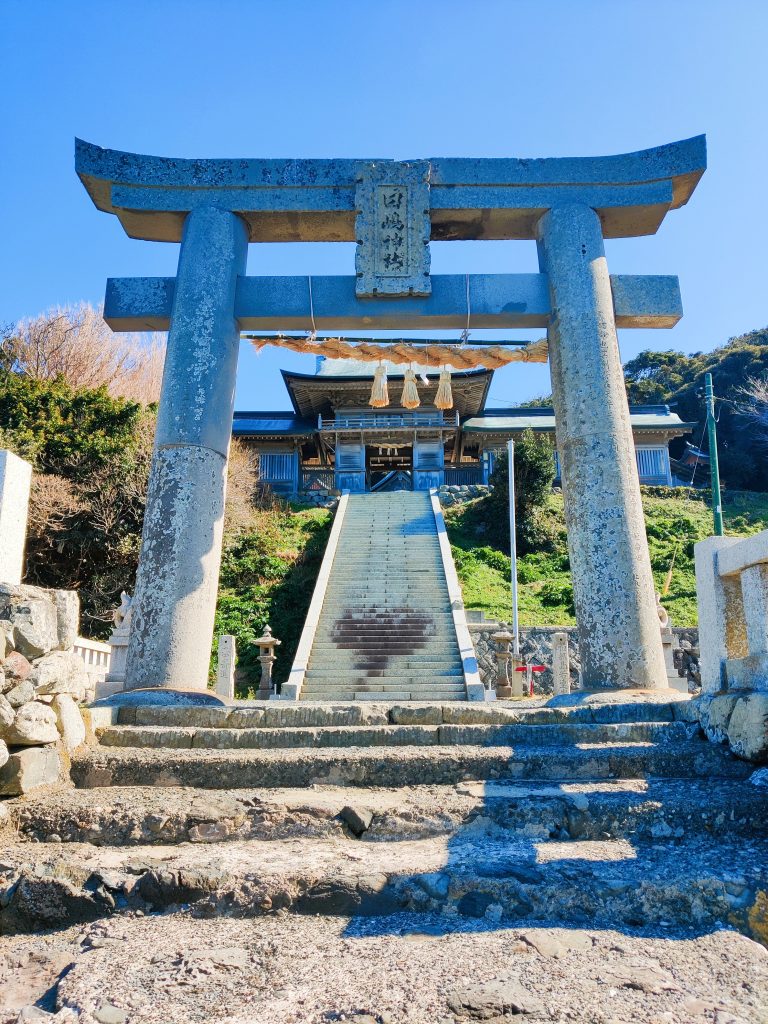
The natural surroundings and unique setting make it a hidden gem in Saga Prefecture and a must-visit spot if you’re in Yobuko.
Oka Beach
You might not think of Kyushu as one of the top beach destinations in Japan, and while there are many islands with turquoise waters and sandy beaches, Kyushu island also has its fair share of lovely beaches.
If you started the day early and don’t mind another bus ride, a trip to Oka beach won’t disappoint.
Its wide stretch of sand and clear waters are ideal for swimming or taking a break with a picnic.
Day 7: Hello, Miyazaki Prefecture
Direction Miyazaki with its fresh air, nature, ocean, and seaside sunsets.
If you love the beach, and appreciate a simple, laid-back lifestyle, Aoshima should definitely be on your itinerary.
⁎ Pro tip: if you’re not in a hurry and are on a budget, I recommend taking the bus from Fukuoka (4.5 hours). Aoshima isn’t very big so you can easily enjoy the island as well as its surroundings even if you only have a day and a half.
Aoshima Shrine & Devil’s Washboard
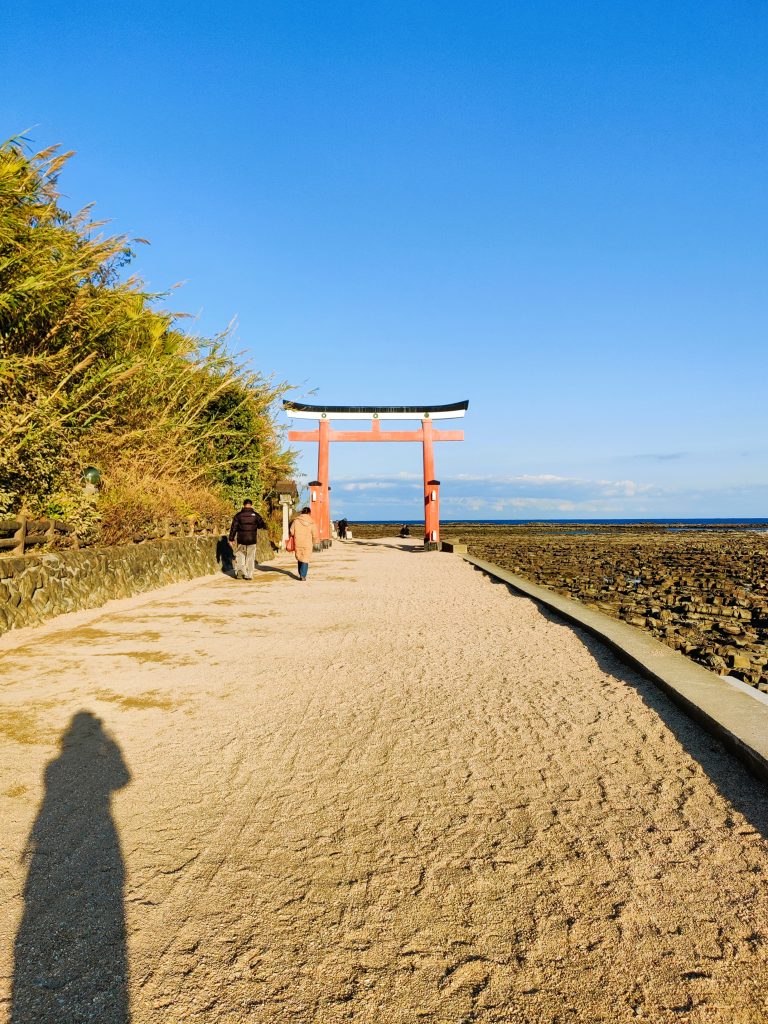
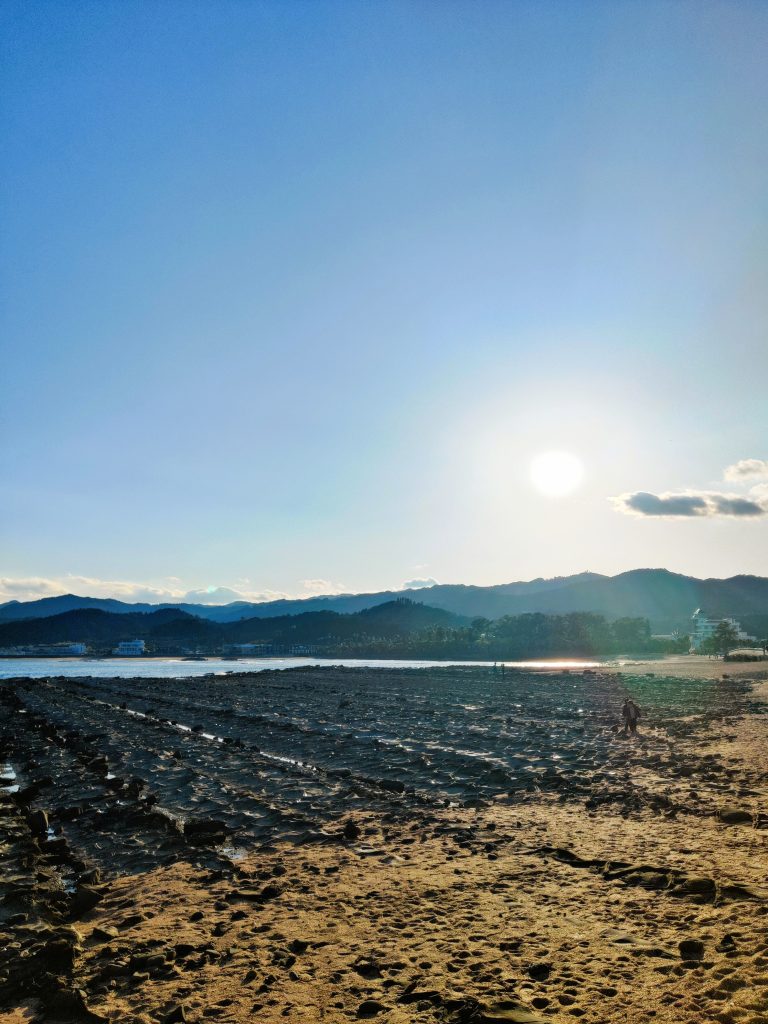
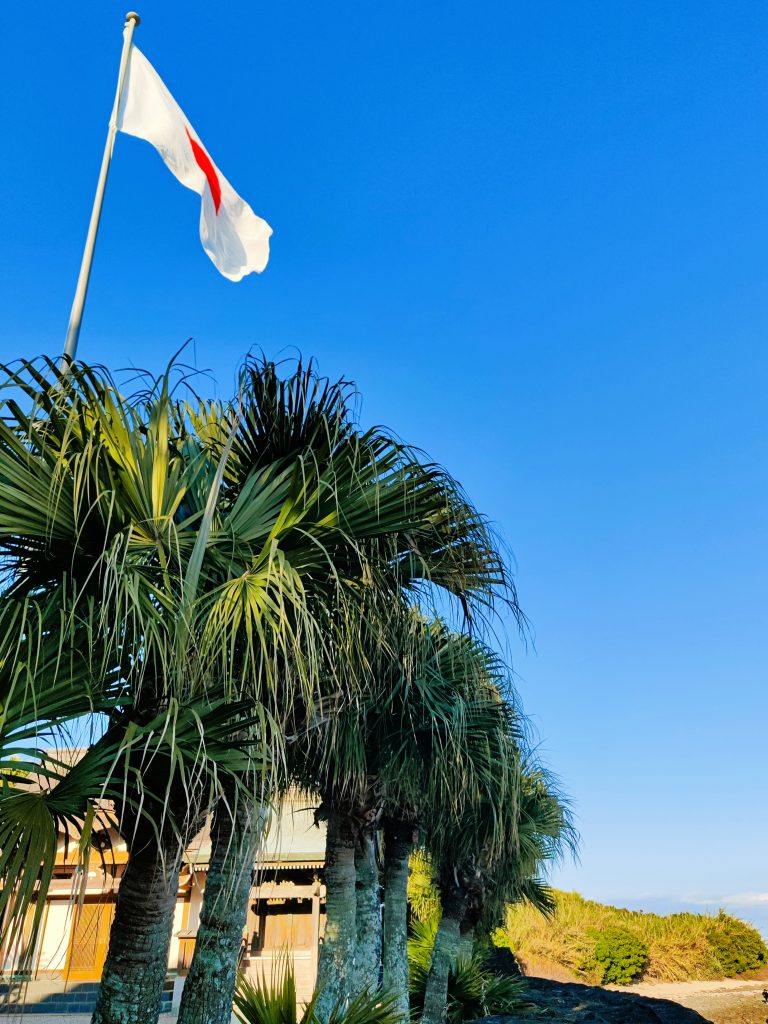
Nestled by the sea on the small Aoshima island, Aoshima Shrine not only offers stunning views of the ocean and tropical vibes thanks to its towering palm trees, but it’s also located right next to the famous Devil’s Washboard, a stretch of jagged rocks formed by erosion thats extends for about eight kilometers.
Walk on the rocks (which aren’t as sharp as they look), and explore the many pools to discover marine life and beautiful colorful seashells. You can even get close to the water’s edge and admire the coastal scenery.
Note: Devil’s Washboard is best explored before sunrise or sunset!
Aoshima Beach
In desperate need of a relaxing stroll after several hours of traveling from one city to another? Head to Aoshima beach to spendlidly end the day and watch a pink sunset.
Note: the best way to discover Aoshima is by bike; rent one if your accommodation doesn’t include free bike rental.
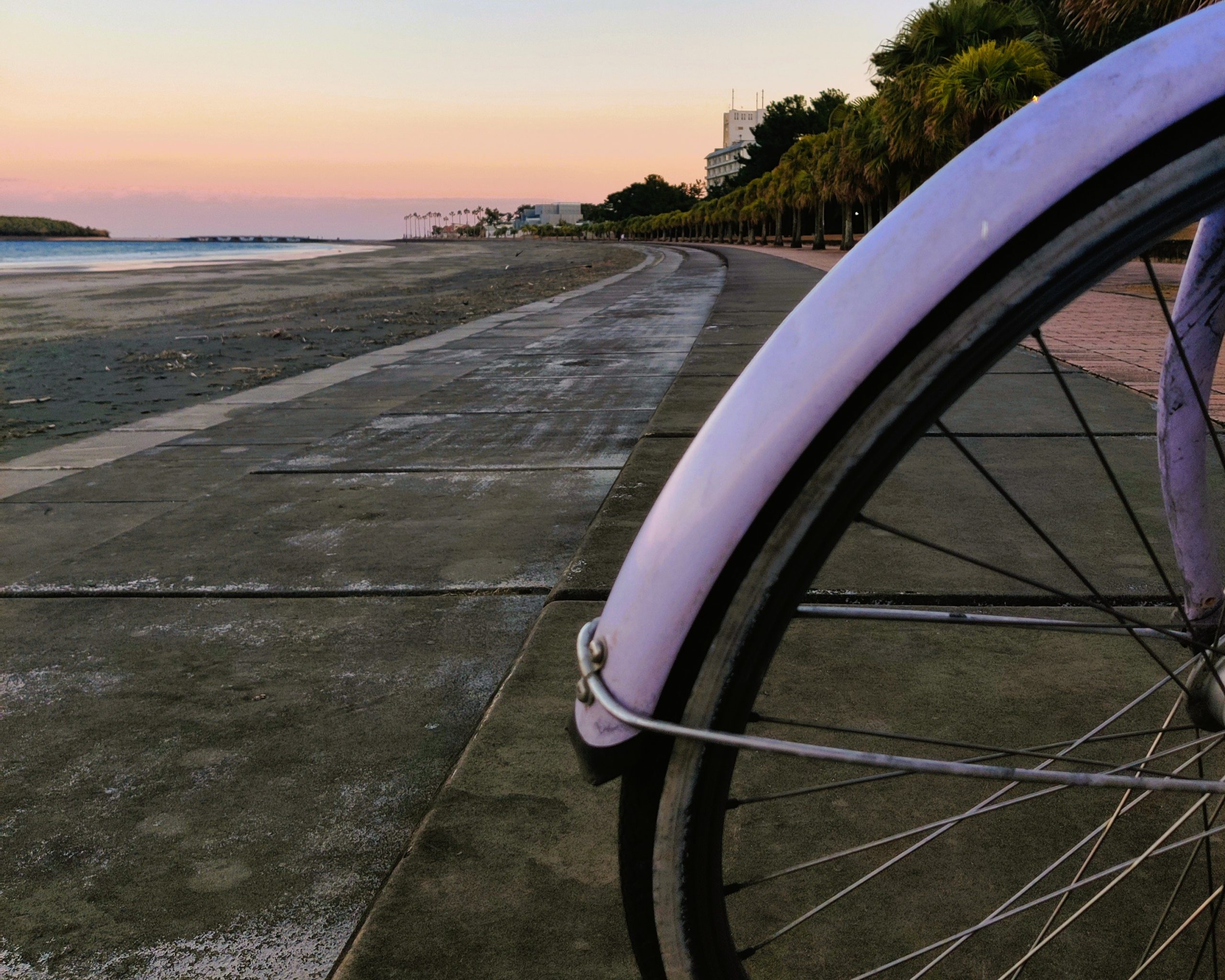
🏨 For a no frills, cozy accommodation that offer free bikes during your stay, check out Finecamp Guesthouse and Surf!
Day 8: Cliffside shrine & Nichinan Coast
Do you know what else Aoshima and Miyazaki are also known for? Surfing! So if you’d like to give it a try, get up early, rent a board, or take a surfing lesson, and start your day with a little (or a lot) of exercise.
If it’s not the right season or if it’s too cold, you can skip straight to the next place and sleep in a little longer.
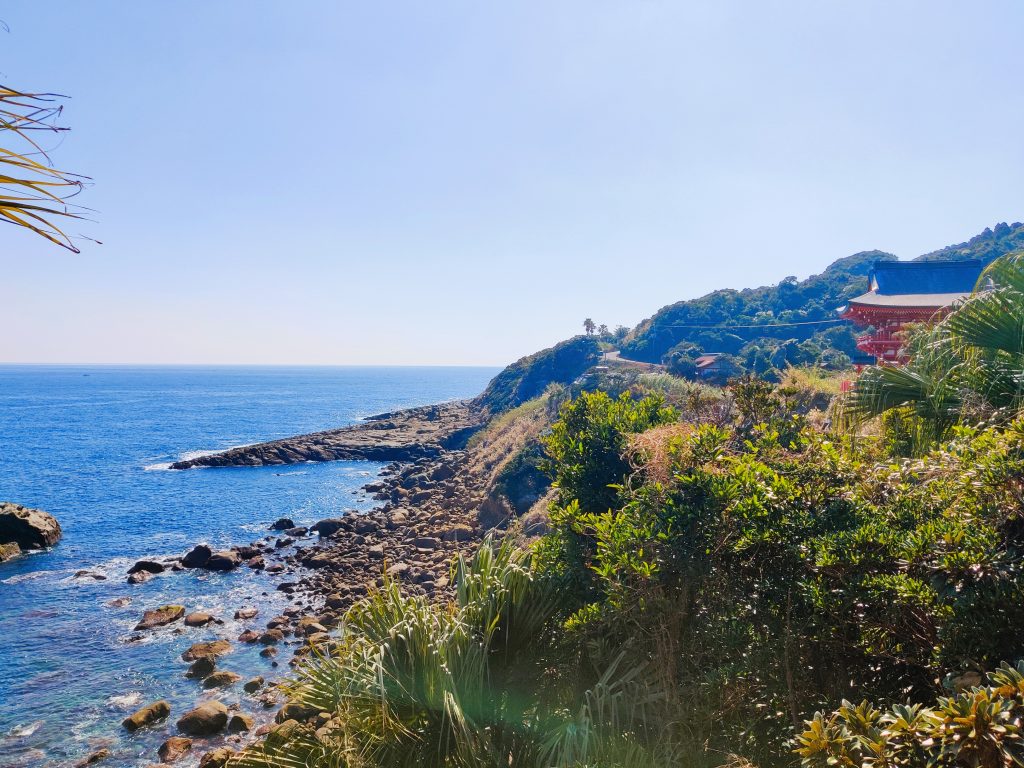
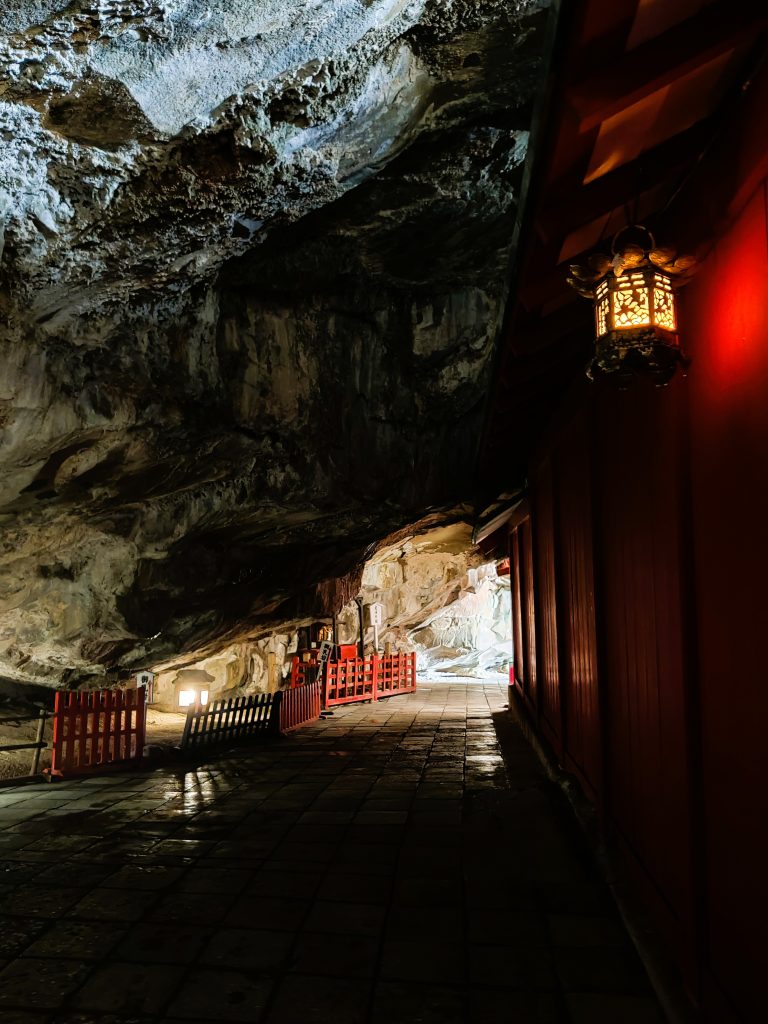
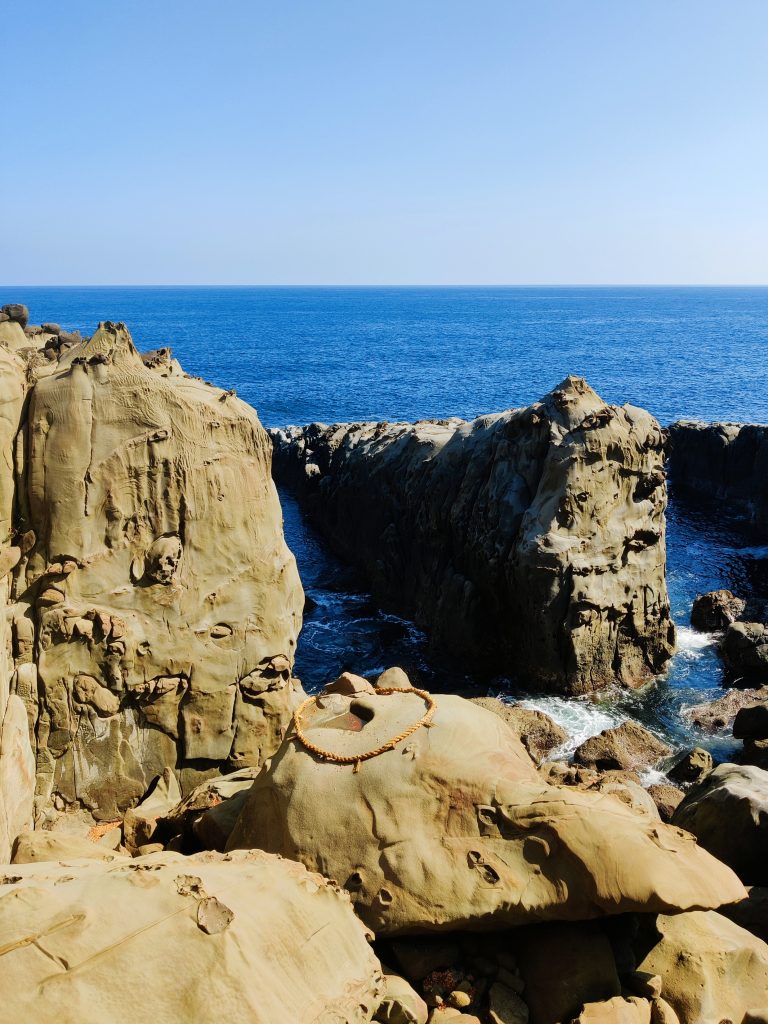
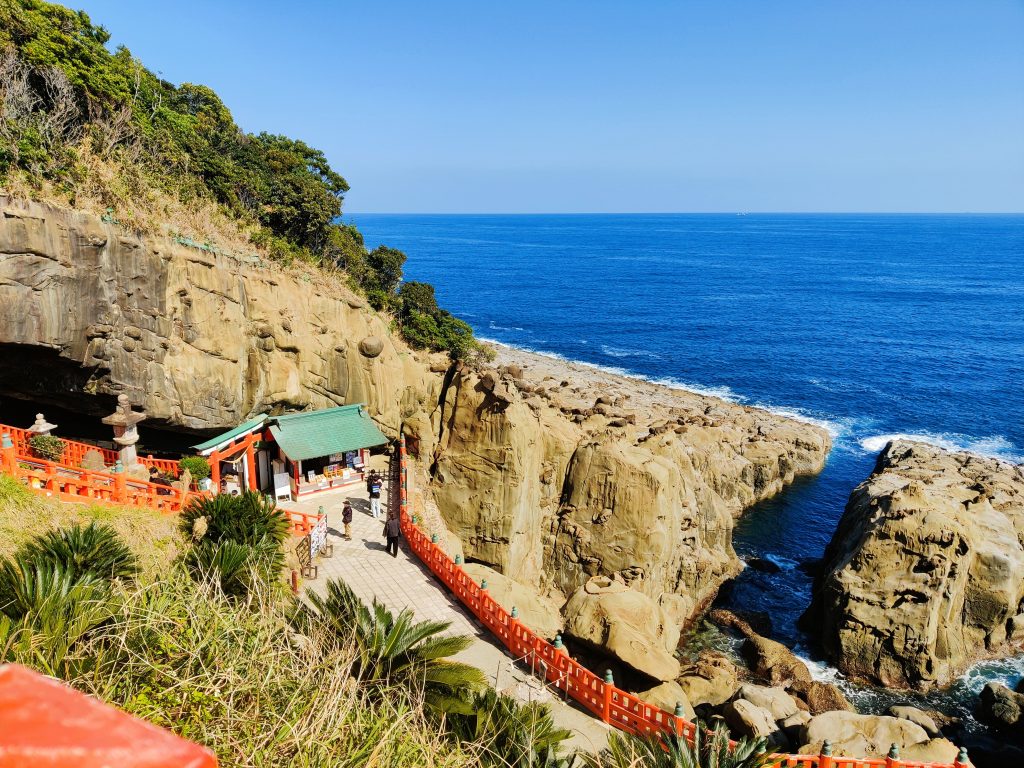
Want to calm your mind and see a magnificent shrine by the sea, with a mysterious cave and an impressive view of the blue ocean? Visit Udo-Jingu Shrine!
This already quite unique Shinto shrine also offers an unique experience and tradition called “undama”. Visitors can throw small ceramic balls into a sacred rock pool lined with rope for good fortune. I hope you have good aim, as the feat is actually harder than it looks.
Totoro of Futo
Who’s a Ghibli fan? I am! So if you want to see cute sculptures and artworks inspired by one of the famous animated movies, recreate your own scenes, and take adorable photos, then a stop here will delight you!
Everything you need is here to reminisce about your nostalgic childhood memories (or adult ones: I won’t judge)!
Note: this spot is located on private property, so please be respectful and avoid making loud noises.
Horikiri Pass
Breathtaking views of the Nichinan Coast, palm trees and Devil’s Washboard rock formations make Horikiri Pass the ideal stop to relax and enjoy the scenery.
Of course, this scenic spot can’t really be captured by photos or videos, so it’s best to go and see it for yourself.
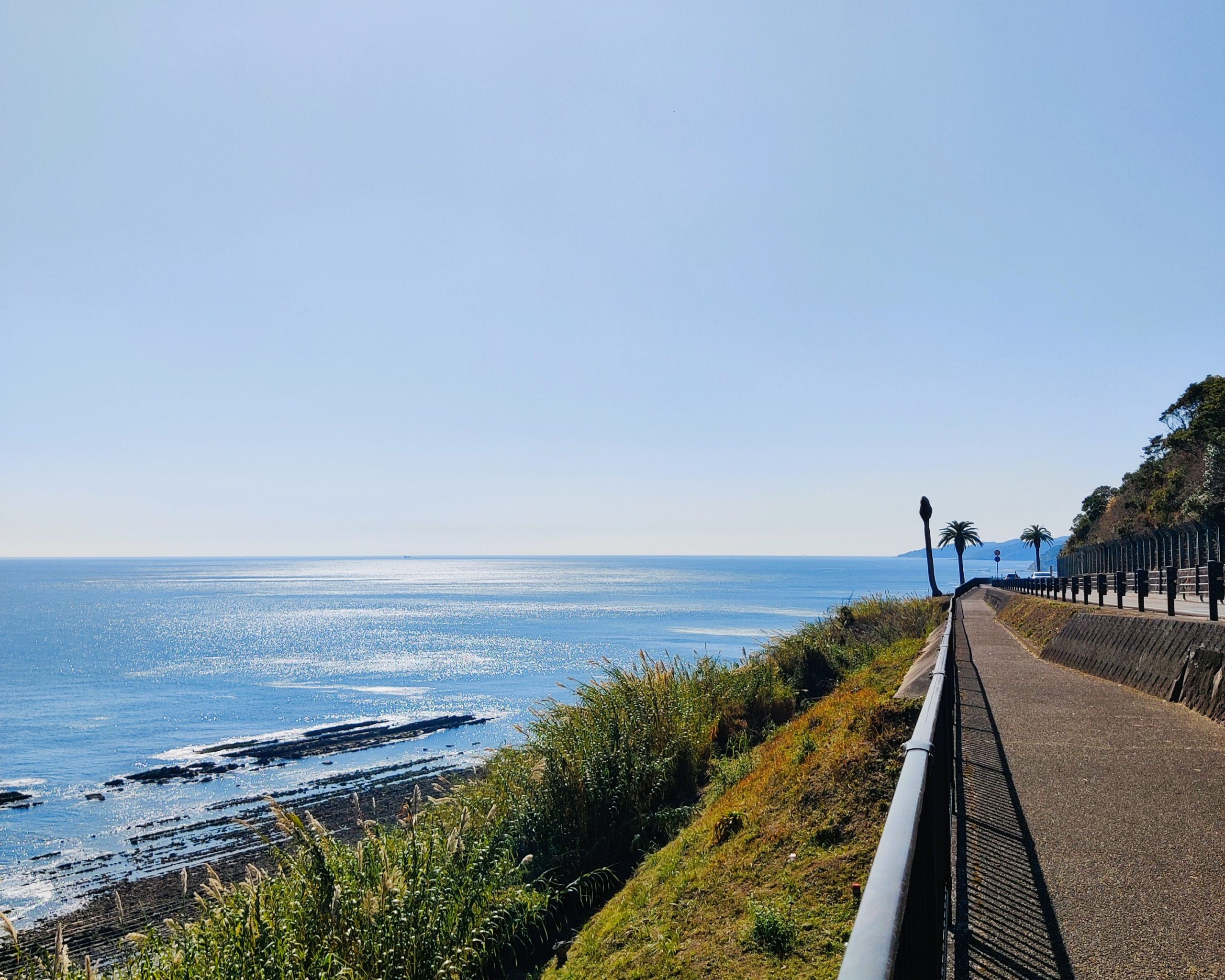
Note: a bus can take you there directly, but you can also rent a bike and get there from Aoshima (20-30mn), be aware, however, that the road includes a few steep climbs.
Day 9: Another Port Town
Have you ever heard of Hyuga? No? Well, if you like surfing and beaches, you might want to consider including it to your Kyushu itinerary.
Mimitsu
Since it’s on the way anyway, let’s stop at Mimitsu to discover the various attractions it has to offer.
Wander through Mimitsu Historic District and admire the beautifully preserved buildings from the Edo period, enjoy the serene scenery of the seaside town at Mimitsu beach before making your way to Kanegahama View Park to take in the ocean views and to watch surfers riding the waves.
Note: the park is particularly famous in April for its nemophila flowers.
Okuragahama Surf Point
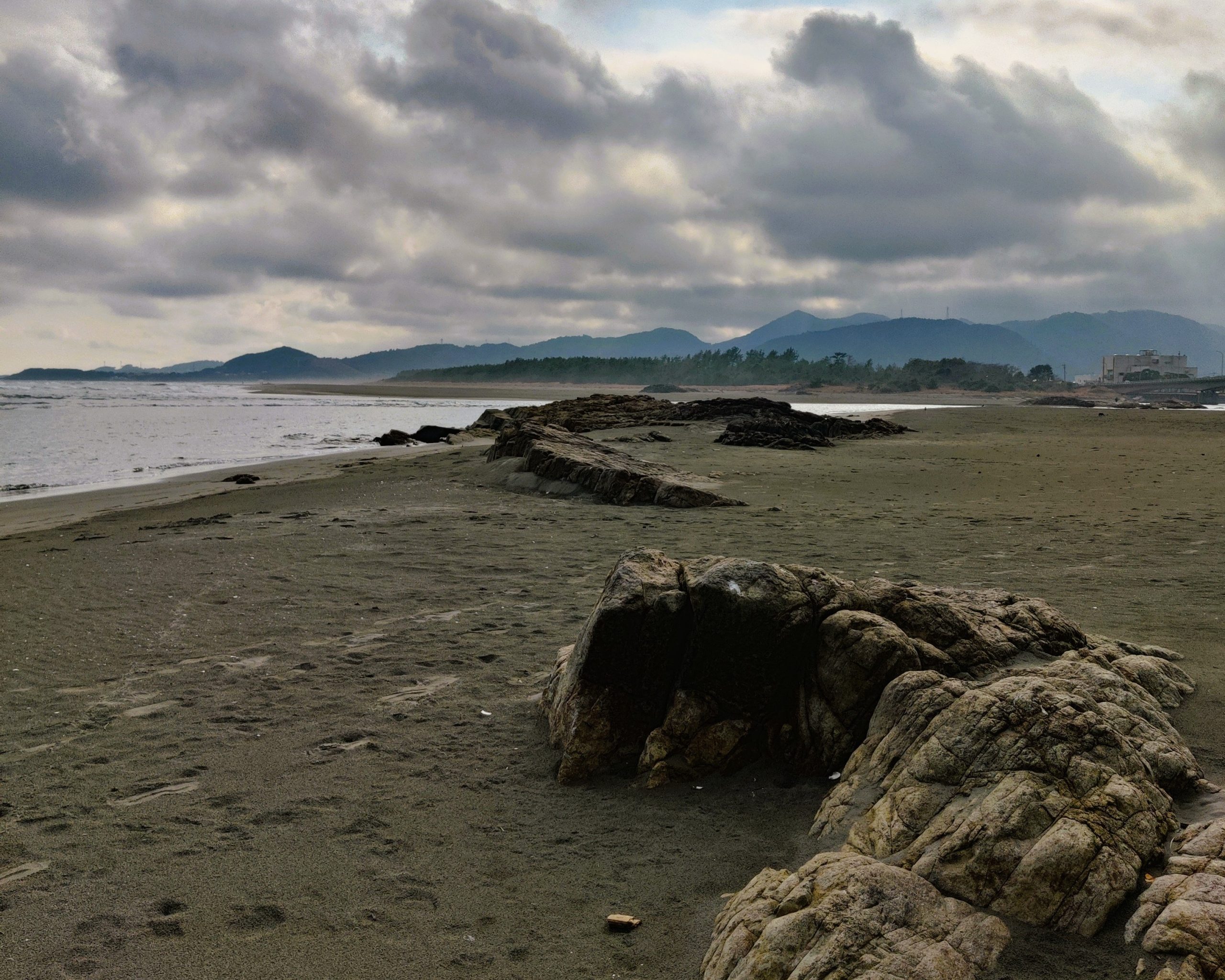
With its spectacular views of the ocean and famous surf spot, this beach is the ideal place, even if you’re not a surfer.
Go shell hunting, spread a blanket on the sand, and watch the sun set over the ocean.
Note: toilets and showers are available nearby.
Day 10: Hyuga
Some places in Hyuga aren’t easily accessible by public transportation, so if you don’t mind walking, that’s fine, but if not, you can rent a taxi or a bicycle for the day from the Hyuga Tourism Association, near Hyūgashi station.
Omi Shrine
A stunning and peaceful ancient Shinto shrine which is also famous for its festivals: welcome to Omi shrine!
A forest will also lead you to the mysterious Udo Shrine Ryugu, nestled deep inside a cave. If you look back at the entrance from the shrine located at the end of the cave, it is said that the shape looks like an ascending dragon.
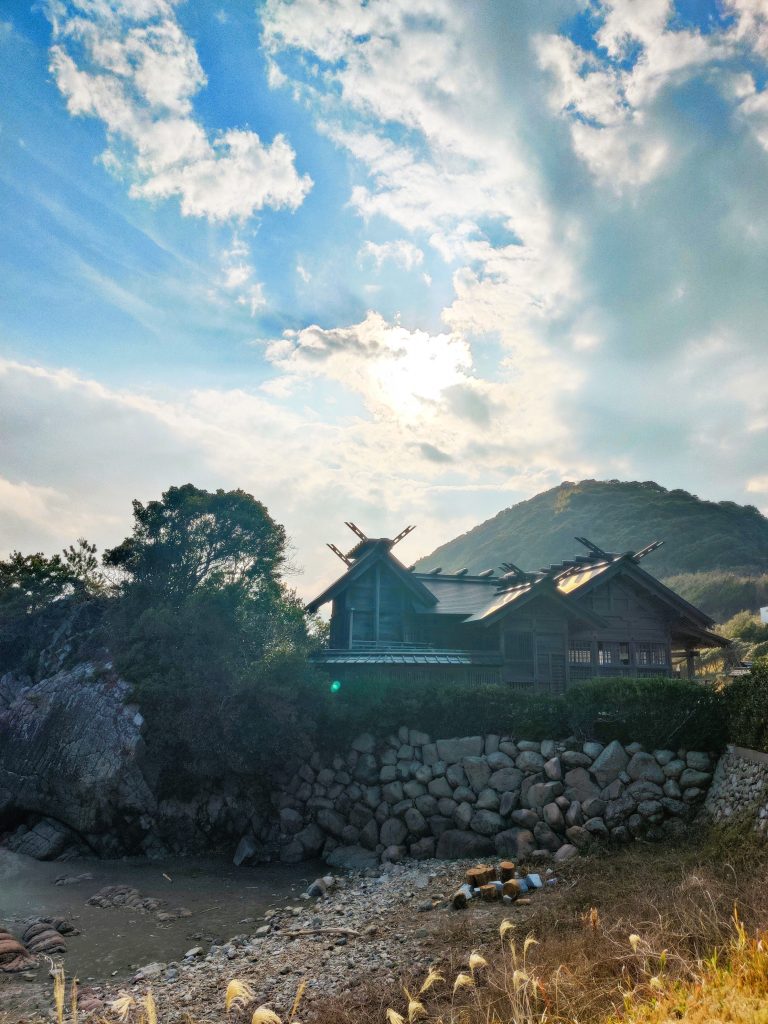
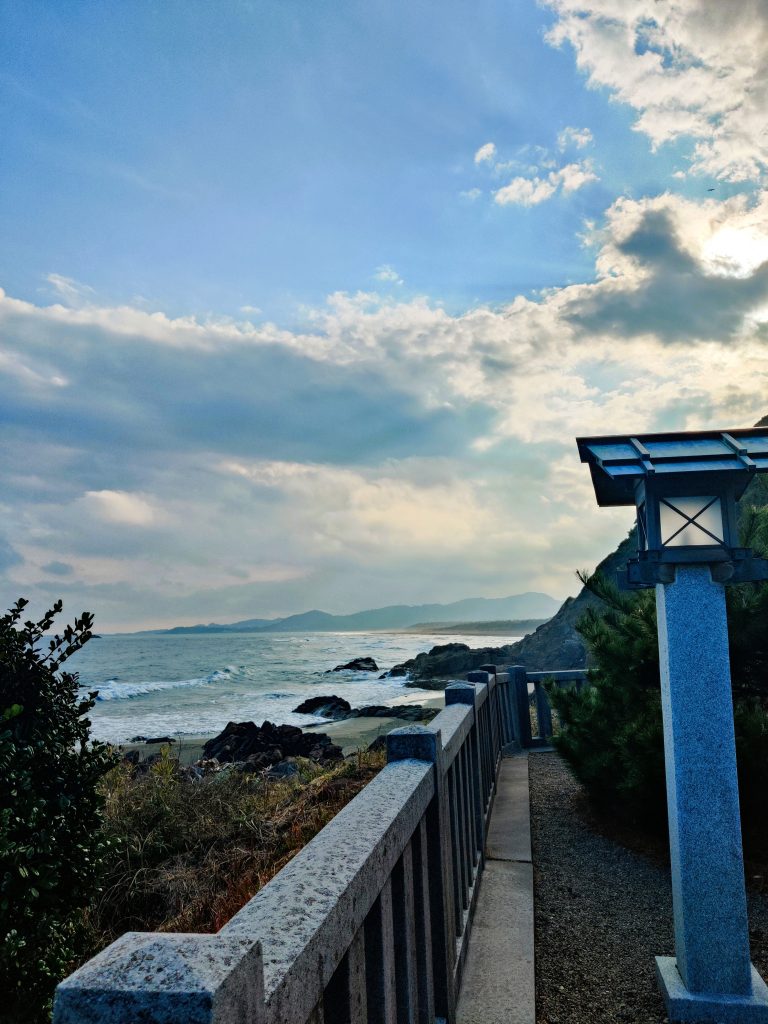
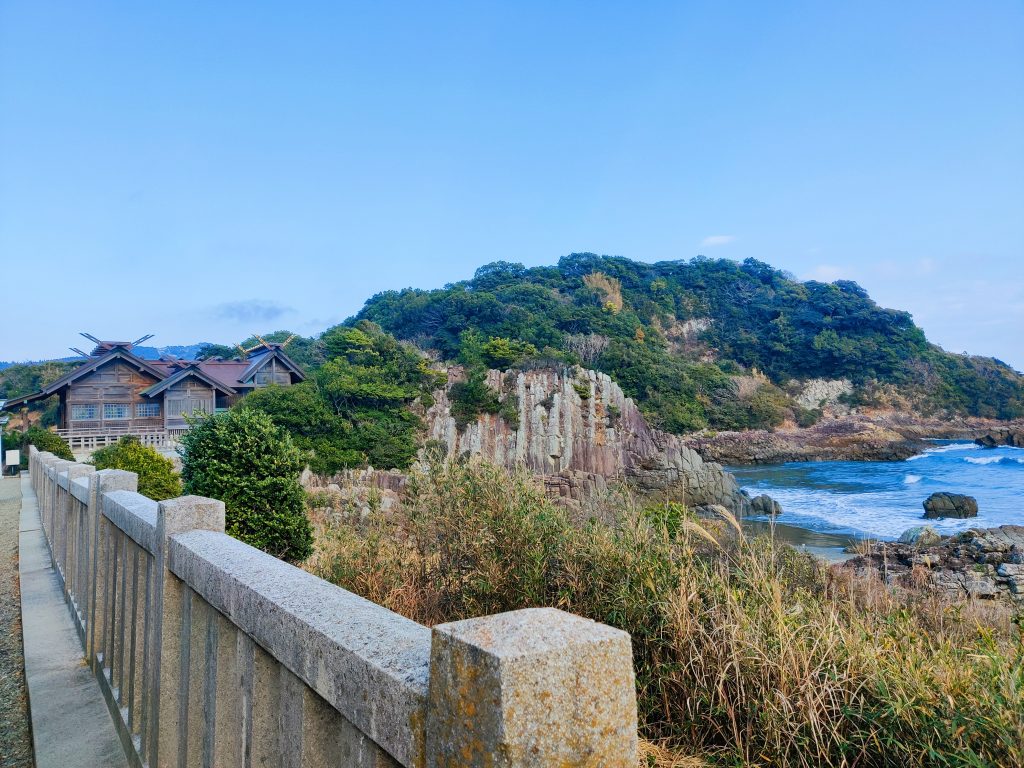
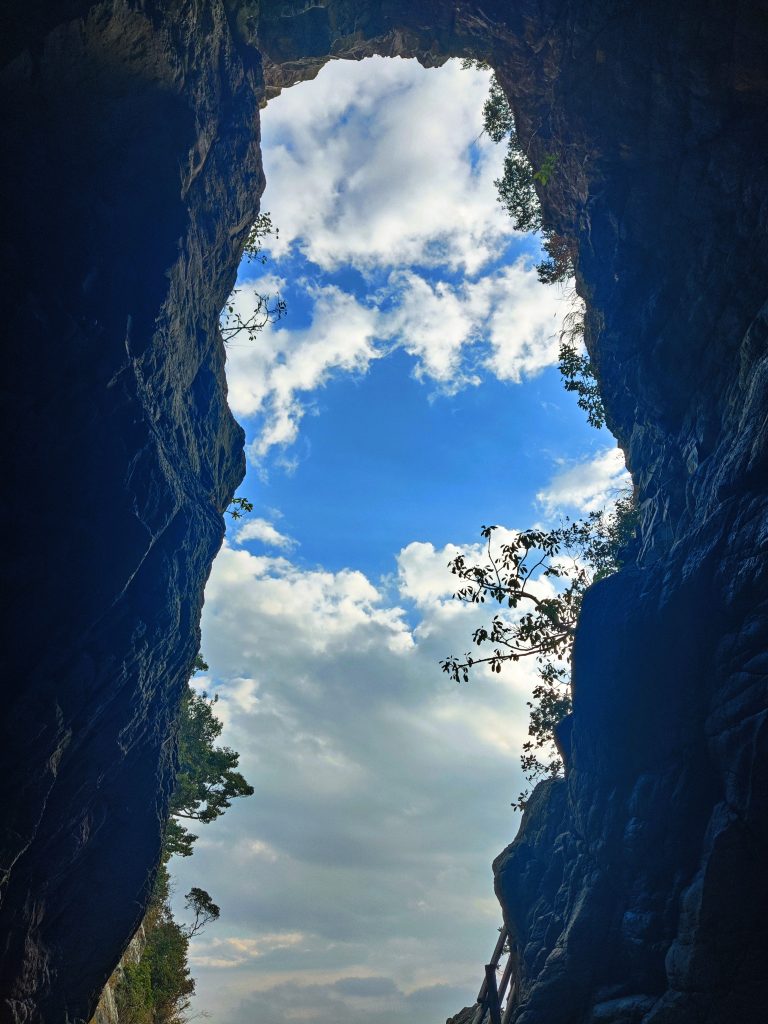
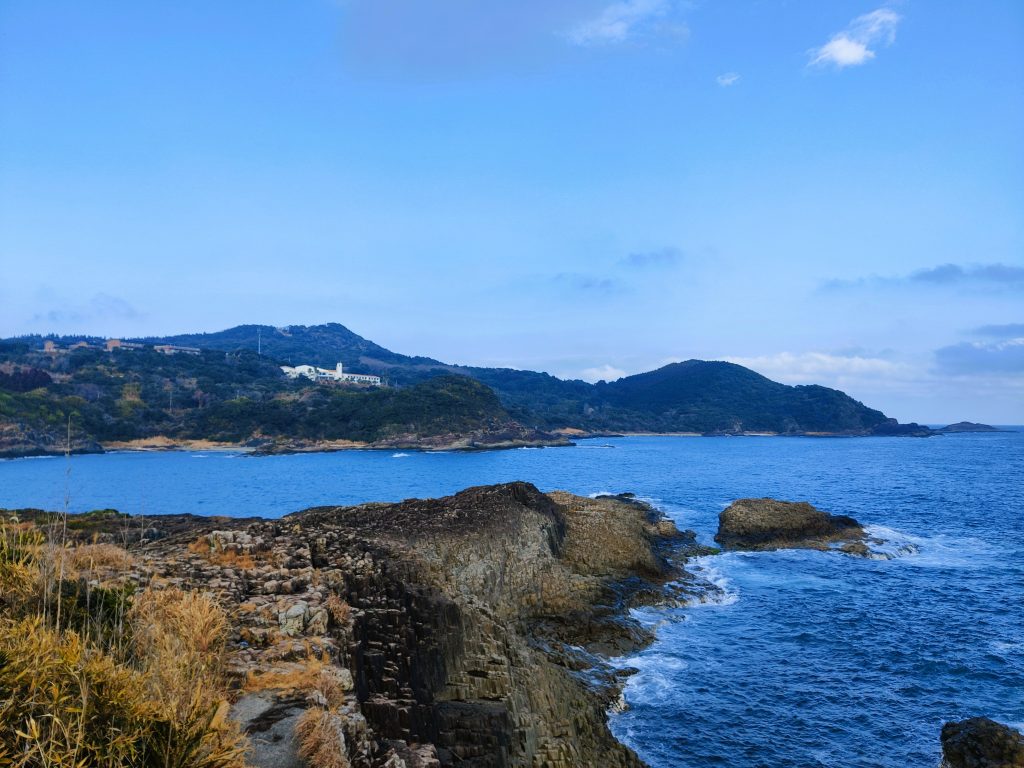
The surrounding area is also home to a few other shrines and viewpoints overlooking the coast and the blue sea.
Note: take the time to get lost in the forest surrounding Omi Shrine and end your visit at Isagahama Beach.
Hososhima
Hop on your bicycle and ride in direction of Hososhima, where you’ll find observation decks, gorgeous cliff views, and much more.
First, head to The Sea Cross (because of its unique formation), where wishes are said to come true due to the shape of the islets, which resembles the verb “kanau” in Japanese, meaning “to come true”.
Continue your journey to Skeluccha Viewing Deck and Cape Hyuga, where a 70-meter cliff, Umagase, and its breathtaking views of the natural landscape and the Pacific Ocean await you.
And if you still haven’t had your fill of this scenery, make your way to Hososhima Lighthouse, a lighthouse built during the Meiji period, and which offers an unobstructed view of the coastline.
Day 11: Hells of Beppu
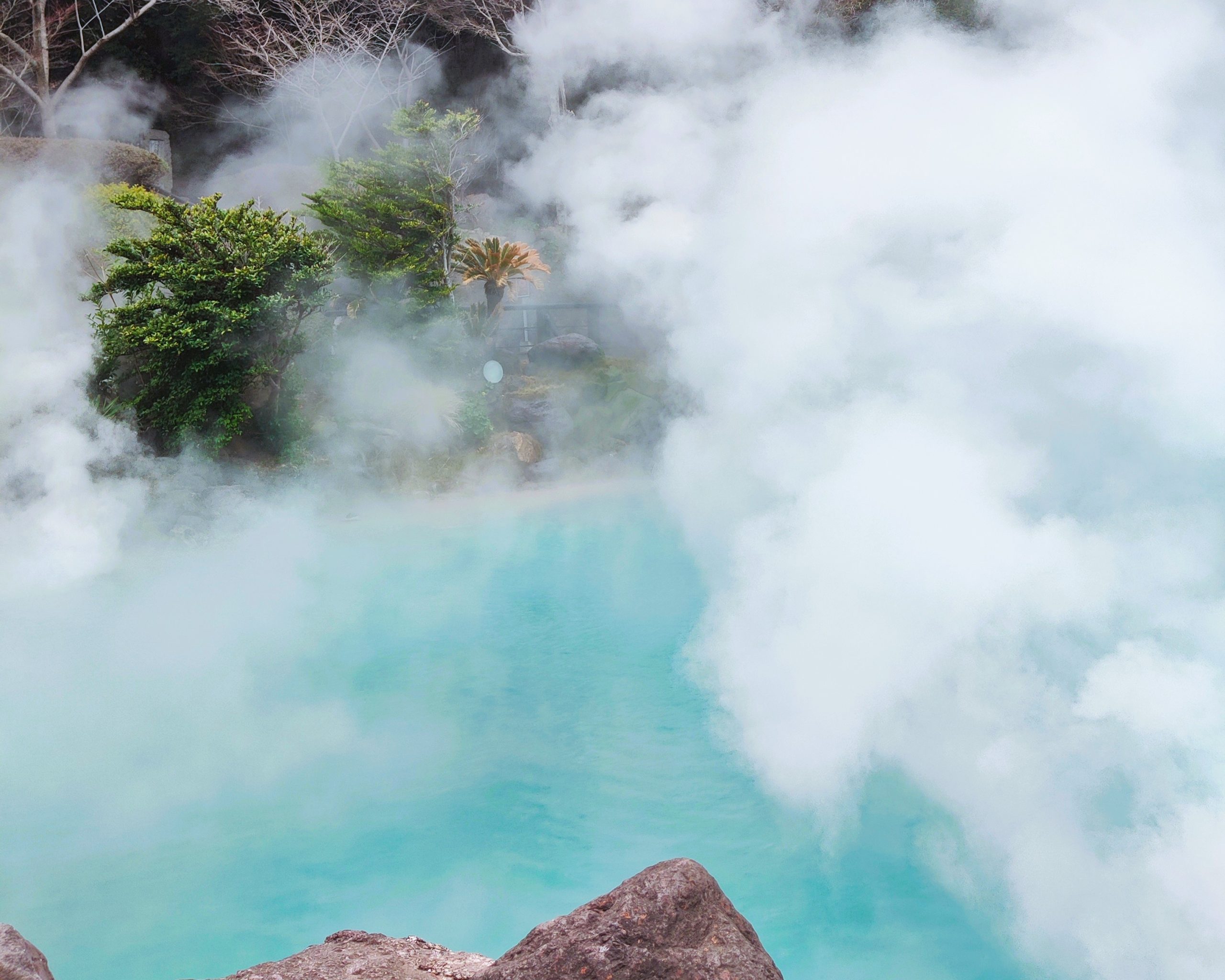
Let’s leave Miyazaki and its beautiful beaches behind for a little change of scenery in Beppu and Oita Prefecture.
First, let’s go to Kannawa where the Hells of Beppu are located. Just 30 minutes from Beppu, Kannawa is also famous for its onsen, and ryokans.
Visit one or two of the seven Beppu Hells, depending on how much time you have, especially Umi Jigoku, with its turquoise waters, then head to Kannawa Onsen Mushiyu for a relaxing herbal steam bath.
🏨 Looking for an affordable ryokan in Beppu? Check out Manrikiya Inn and Ryokan! You can also read my review of this ryokan here!
Yukemuri Observation Deck
Want to see the city from above with all its steam rising from the onsen? Walk to Yukemuri Observation Deck!
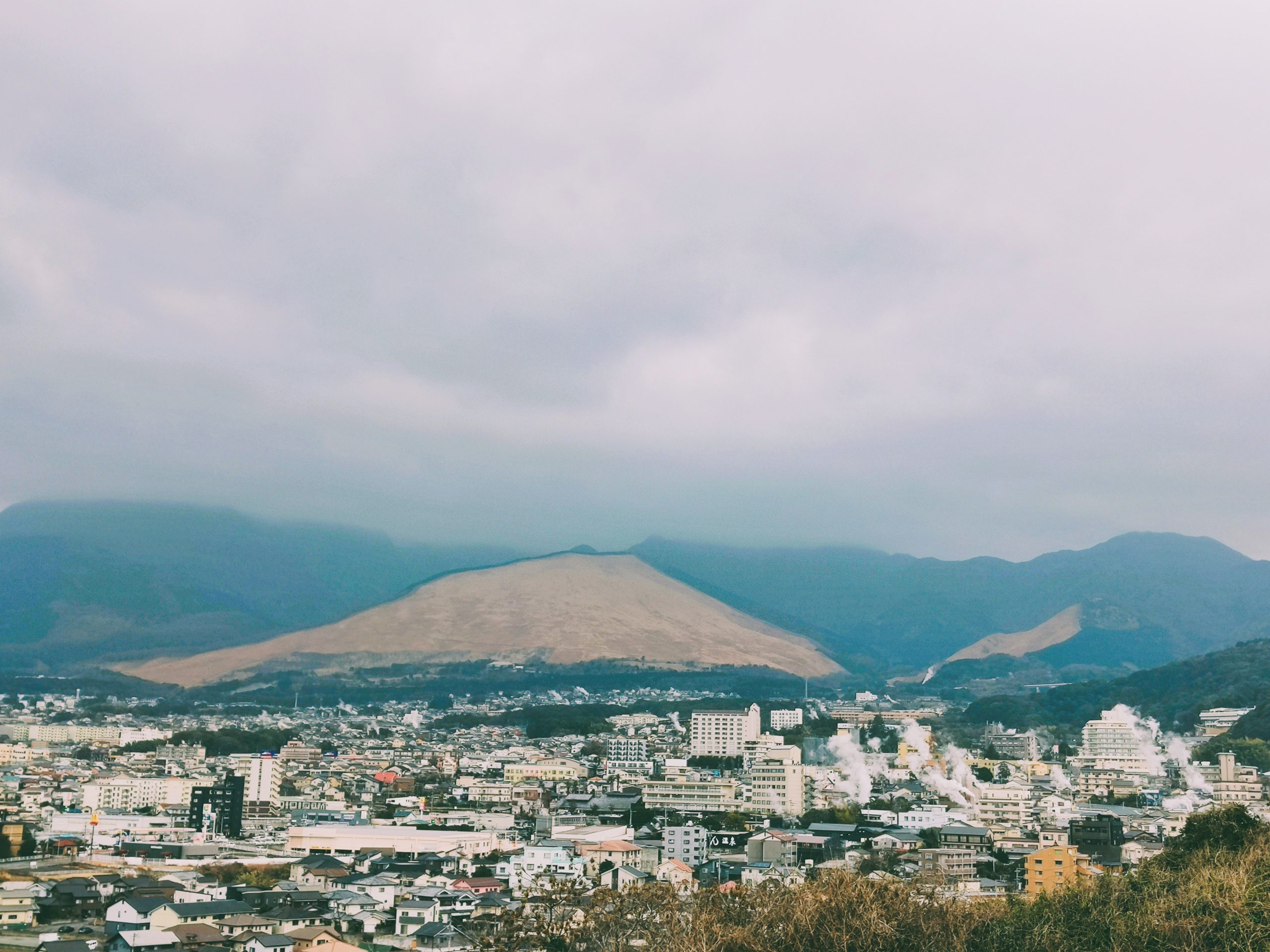
Note: the observation deck is also the ideal spot during the Ogiyama Fire Festival, where you can see the flames spread across the entire mountain.
Day 12: A day in Beppu
Yes, you might visit Beppu only for its onsen culture, but the city actually has a few things to offer, if you set aside at least a day for it.
I’m not a fan of seeing animals in cage or outside their natural habitats, so I’m not the one who’s going to recommend visiting the aquarium or the wildlife park.
Instead, go to Myoban Onsen Yunosato Open-air for a relaxing, milky-white, sulfur-rich waters bath, (and don’t forget to try the onsen-steamed eggs): all at a very affordable price.
Matogahama Park
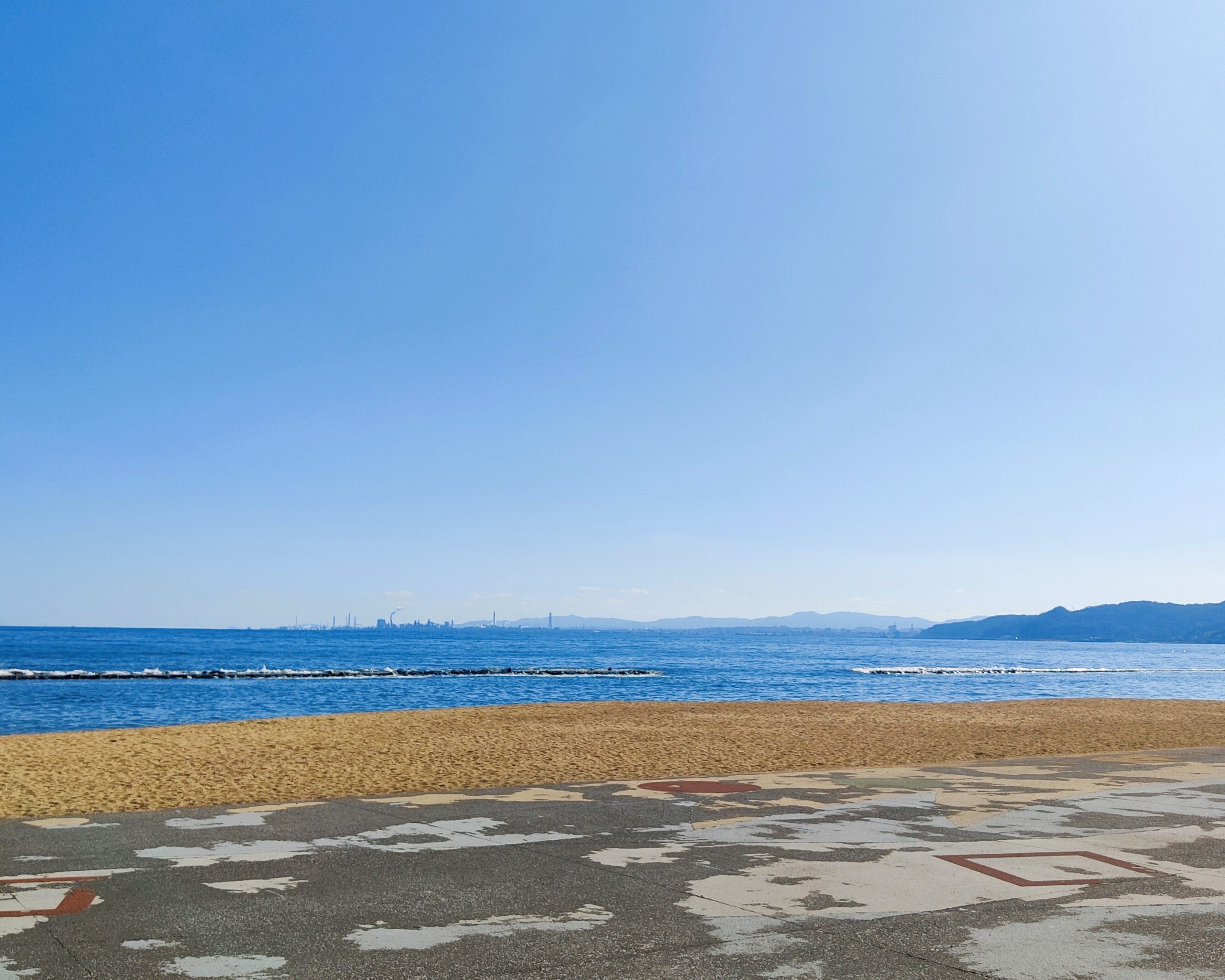
You may no longer be in Miyazaki, but you’re still on the coast. So grab an egg sandwich or any other meal of your choice at the nearest FamilyMart, settle down on the beach, and enjoy the view of Beppu Bay.
Once you’re full and enjoyed the mellow vibe of the sleepy beach (if you’re visiting off-season), visit a museum as unique as it’s beautiful: Beppu City Traditional Bamboo Crafts Museum.
See how delicately each piece is crafted and learn more about this cultural heritage and the manufacturing process. You can also buy souvenirs or eat some bamboo charcoal cookies at the adjoining café.
Mount Tsurumi
If you like physical exercise and amazing views in all seasons, a hike up Mount Tsurumi is perfect for you!
And if you’d rather spare your legs, don’t worry because you can take the ropeway, but keep in mind that there’s still a short climb to tackle before reaching the summit.
The mountain is also home to a shrine and the popular Seven Lucky Gods pilgrimage.
Day 13: A Hidden Gem in Oita Prefecture
There are some towns that you sometimes pick randomly and end up falling in love with. That’s exactly what happened to me with Taketa.
Taketa may be small, but it’s a true haven of peace, nestled in the heart of nature and tradition, so if you’re looking for beautiful scenery, quiet streets, and countryside vibes, welcome to Taketa!
Samurai Residence Street
Yes, it’s exactly what the name suggests: this street was once lined with old samurai residences, and today you can see earthen walls bathed in a quiet atmosphere, where you could easily imagine period dramas being filmed.
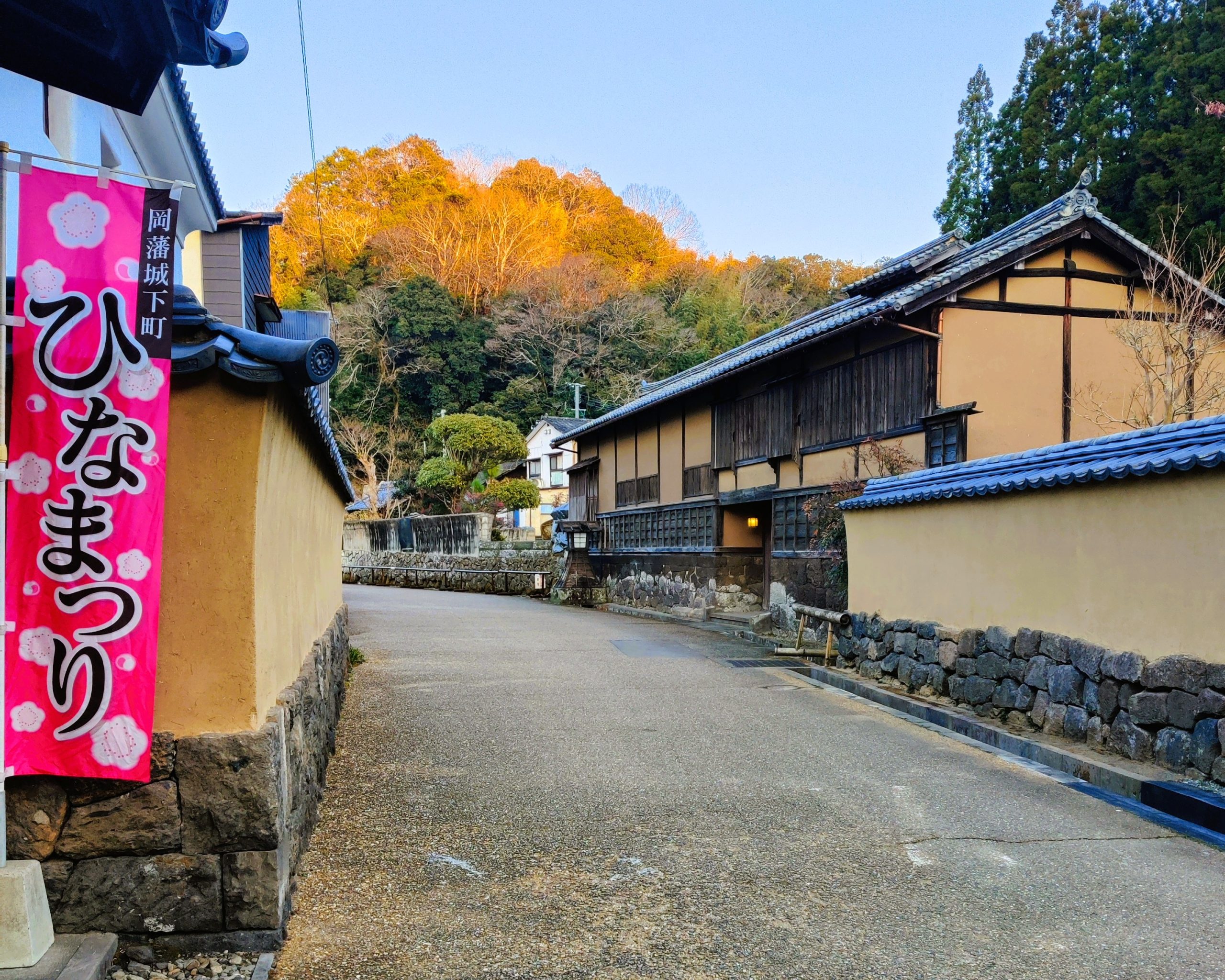
It isn’t as large as the one in Kanazawa, but this small street still has its own charm and tranquility, characteristic of little towns.
Kannonji Juroku Rakan Temple
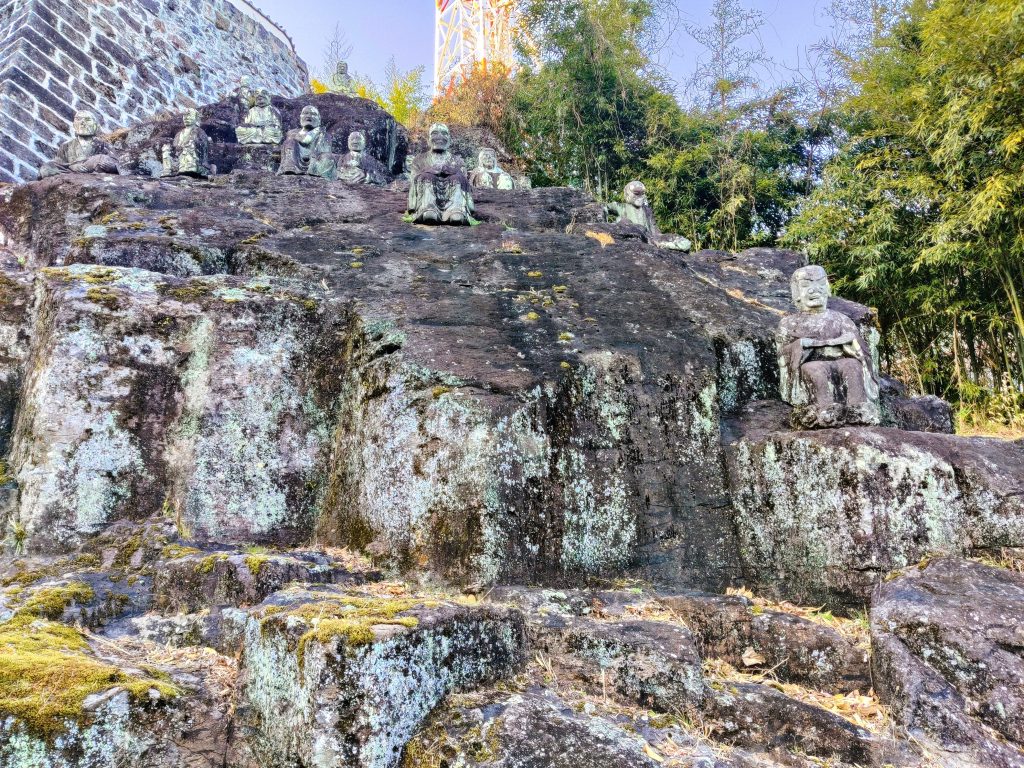
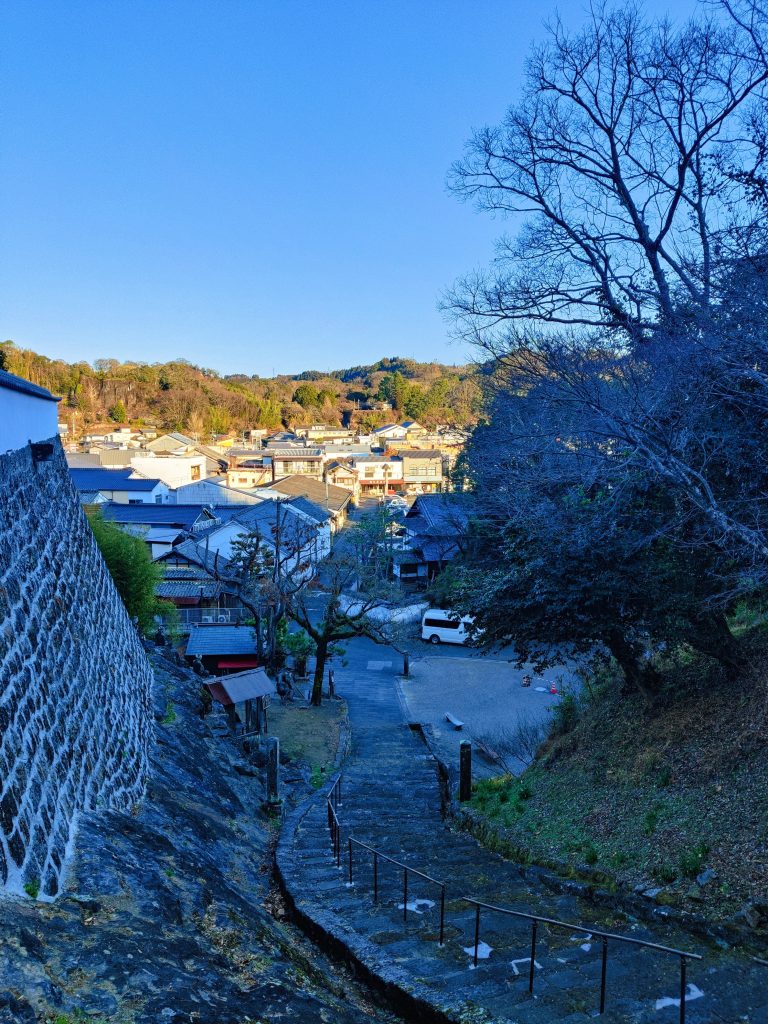
Part of the Okubungo Course, even before you reach the temple, you’ll be greeted by the Sixteen Arhats (faithful and enlightened disciples of Buddha), in the form of carved statues, each depicted with a different facial expression.
You’ll then arrive at Aizen-do, where you’ll see a magnificent wooden hall with intricate details and a beautiful interior, all bathed in a serene atmosphere.
Note: the place is famous for finding love.
Taisho Park
Accessible via the temple, Taisho Park is the ideal spot for a picnic while taking in views of the city of Taketa and the Inaba River.
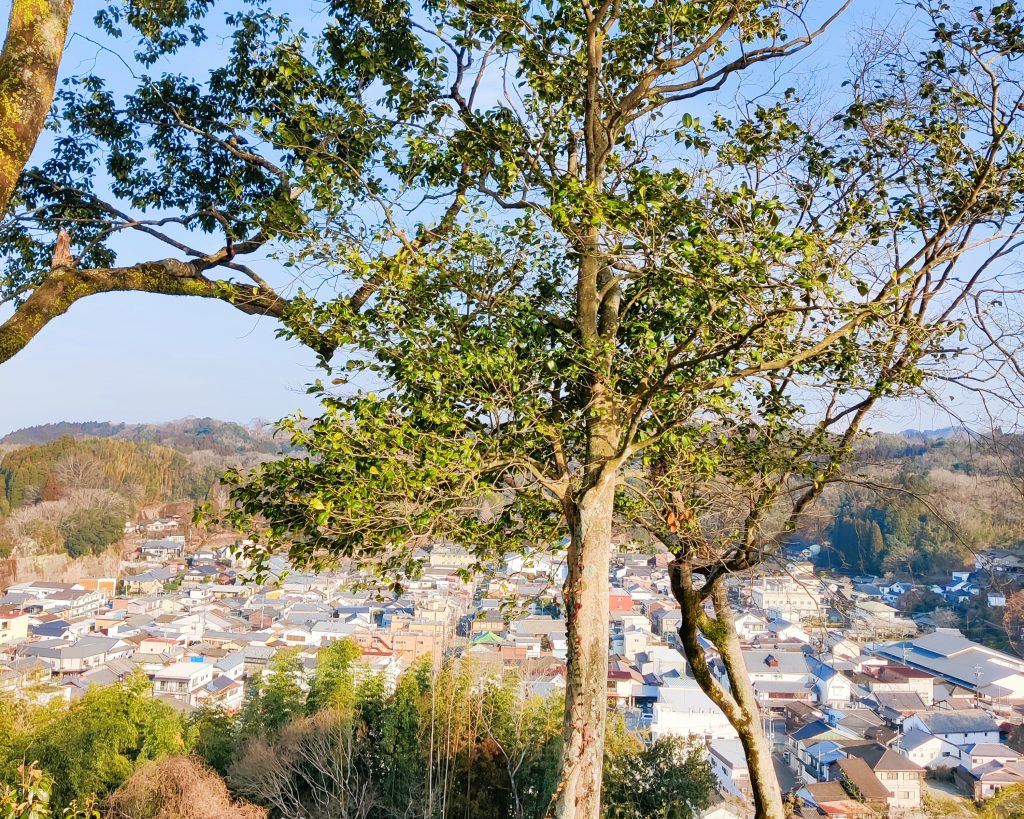
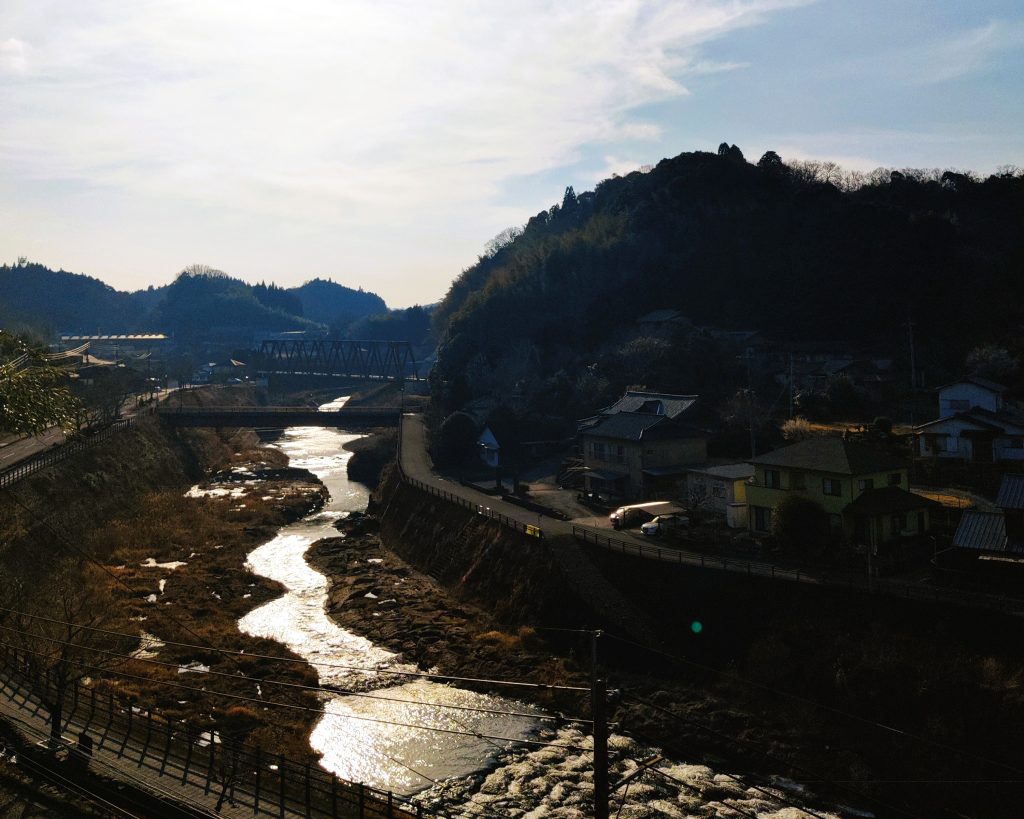
Depending on where you start your “hike”, you may walk through an eerie forest that, apparently, eventually leads to Oka Castle Ruins. The path isn’t very well maintained and looks a bit dangerous, which is why I personally stopped at the park and didn’t go further.
Note: you can easily reach Oka Castle Ruins on foot from the city center (25mn).
🏨 Looking for a beautiful, friendly accommodation right in the heart of Taketa? Check out Taketa Ekimae Hostel Cue!
Day 14: An Active Crater
If you don’t have a car and want to see Mount Aso, even if just for a day, staying in Taketa is a good option, as some trails are only an hour and a half from the town by public transportation.
And if you’re not visiting during the best season or don’t like strenuous hikes, I highly recommend hiking Kishimadake or as I like to call it, the perfect compromise for enjoying breathtaking views while taking a leisurely hike (though you might still find yourself out of breath due to the number of stairs you’ll need to climb before reaching the summit).
In any case, once you reach the top, you’ll be able to admire mesmerizing views of the crater and the nearby mountains, all without the crowds.
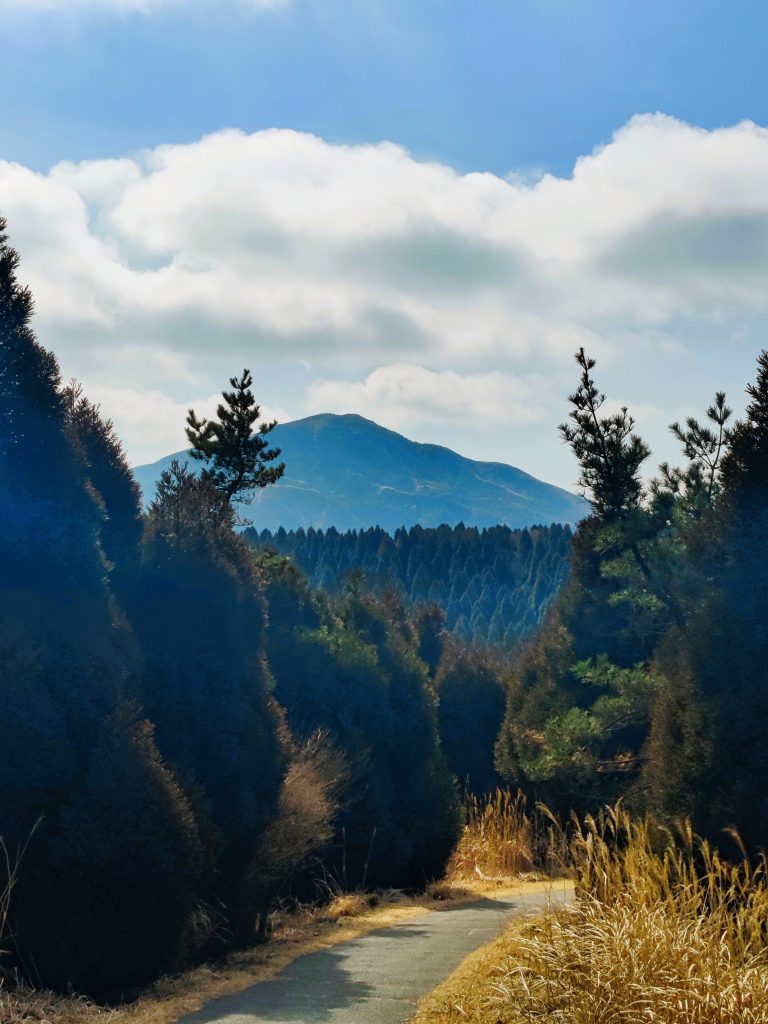
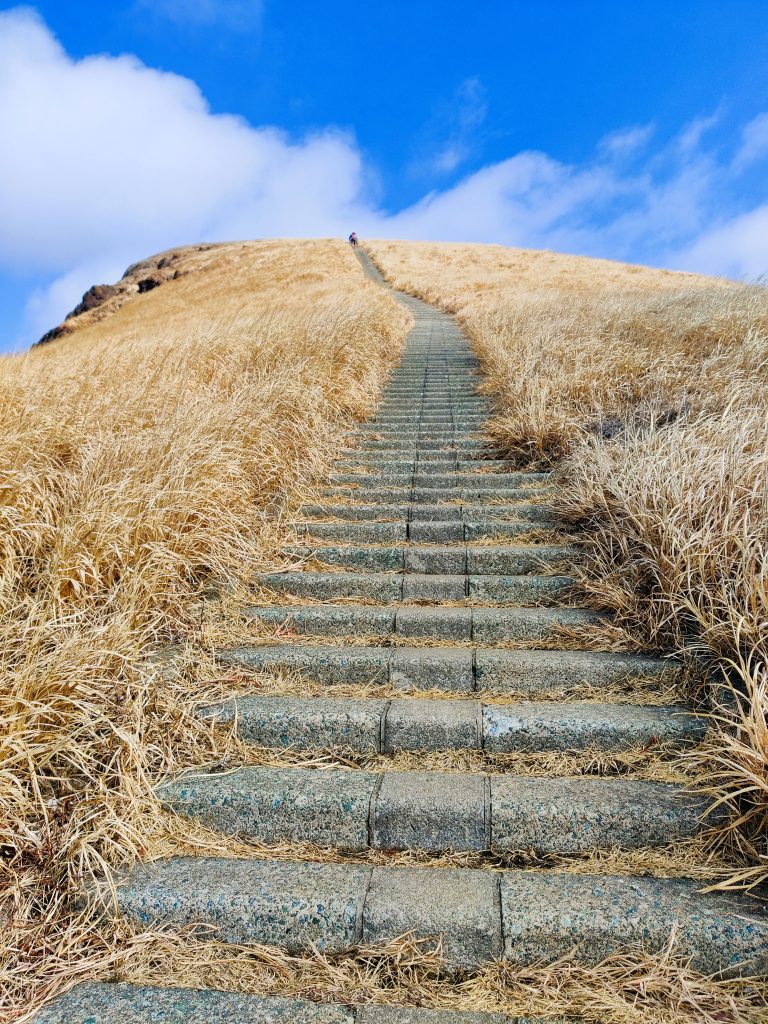
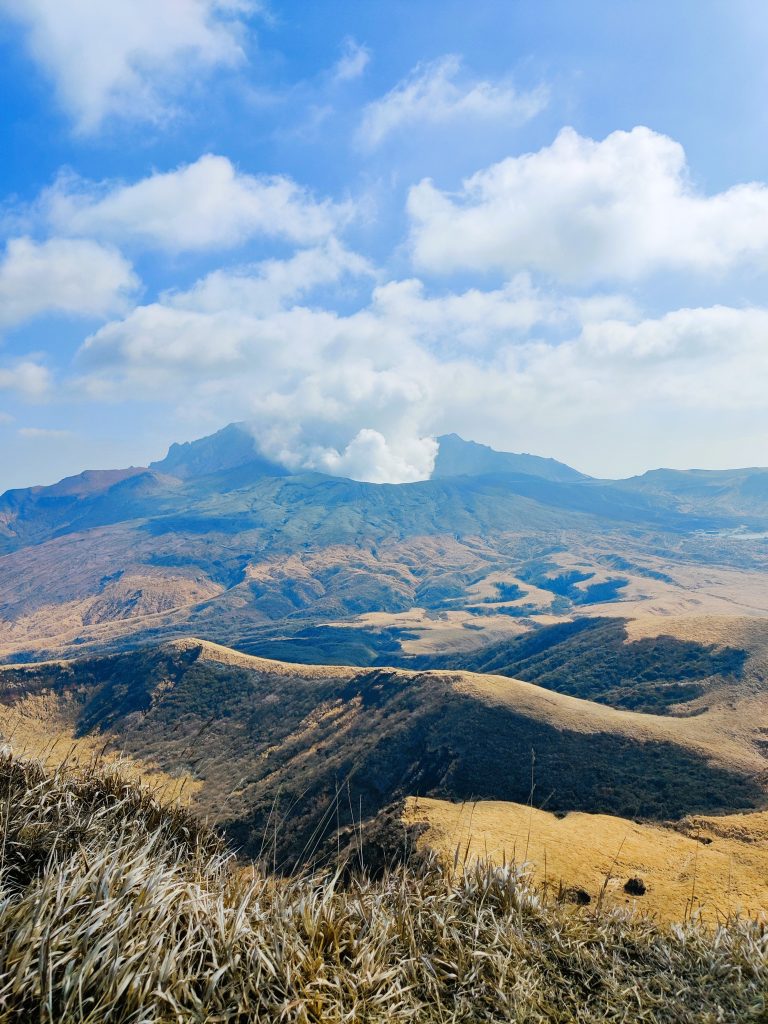
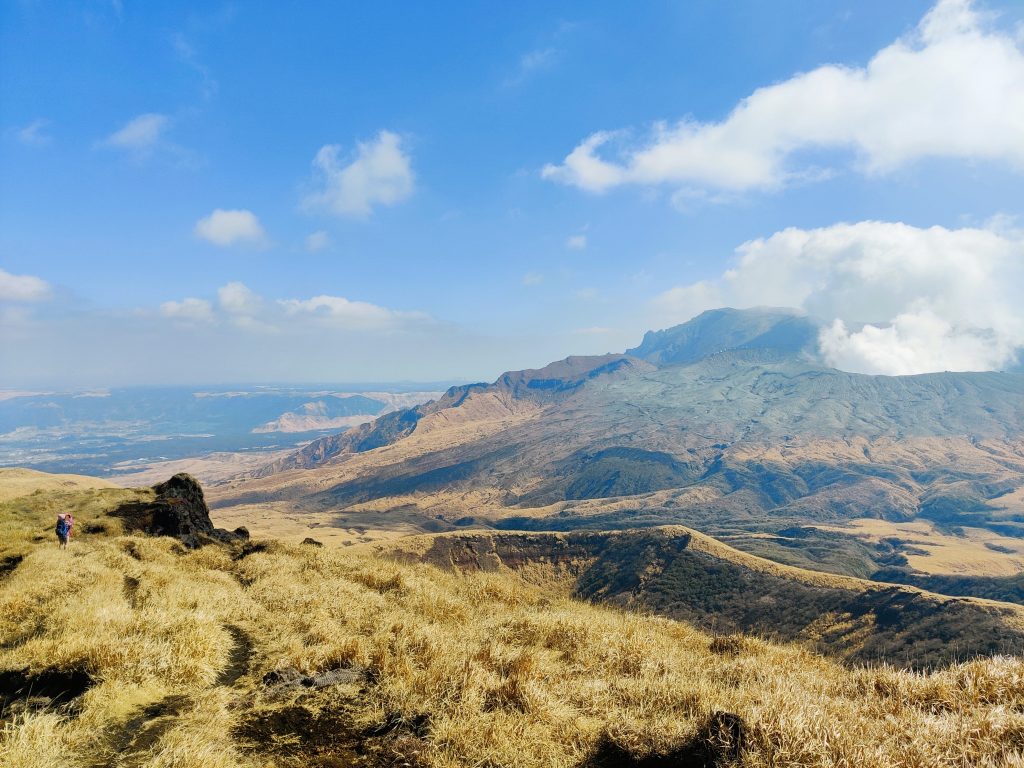
The start of the trail begins near the Aso Volcano Museum, but don’t worry as the bus literally stops right in front of it.
There are other available trails if you only have a day, such as Mount Eboshi, or Kusasenrigahama.
Note: always check the crater’s conditions if you plan to see Nakadake Crater up close, as the access is often restricted due to its toxic gas emissions.
Taketa Onsen Hanamizuki
What better way to soothe your sore legs and feet? Head back to Taketa to soak in the salty waters of Takeda Onsen Hanamizuki.
There’s even a sauna and a cold bath, ideal for relieving tired and sore muscles after a hot day or an intense workout.
Note: don’t forget your toiletries, as none are provided. There’s also no open-air bath on weekdays.
Day 15: Back to Fukuoka
Since you’ll be traveling from Taketa to Fukuoka, let’s plan a light and simple itinerary for this 15th day on the island of Kyushu.
Dazaifu Tenmangu Shrine
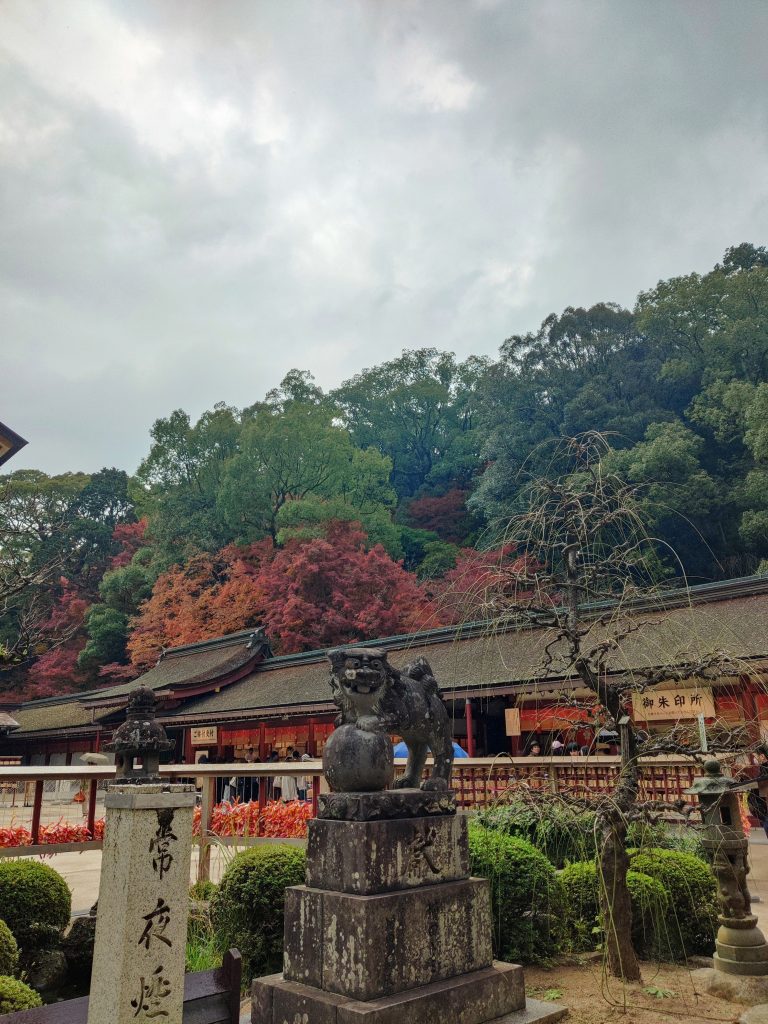
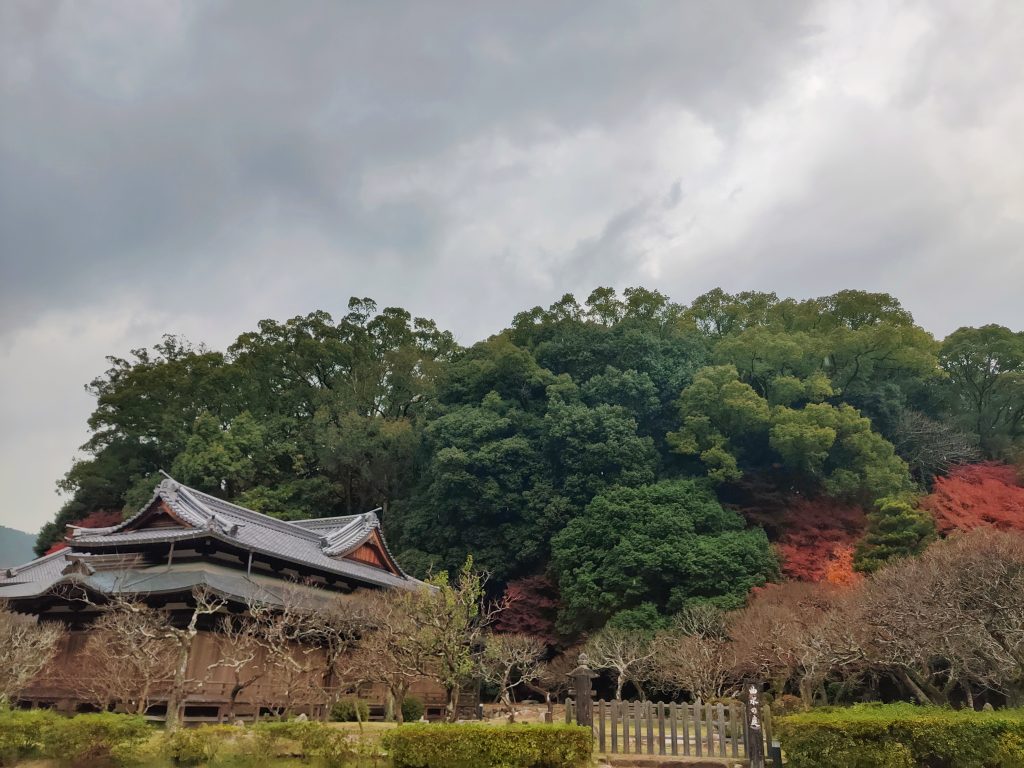
Located just outside the city without being too far away (30 minutes), Dazaifu Tenmangu Shrine is a famous place in Fukuoka, especially for those hoping to succeed in their studies.
And even if you’re not a student, the shrine, its garden and pond, and more particularly its surroundings, with their hidden shrines in the nearby forest are definitely worth a visit and a bit of exploration.
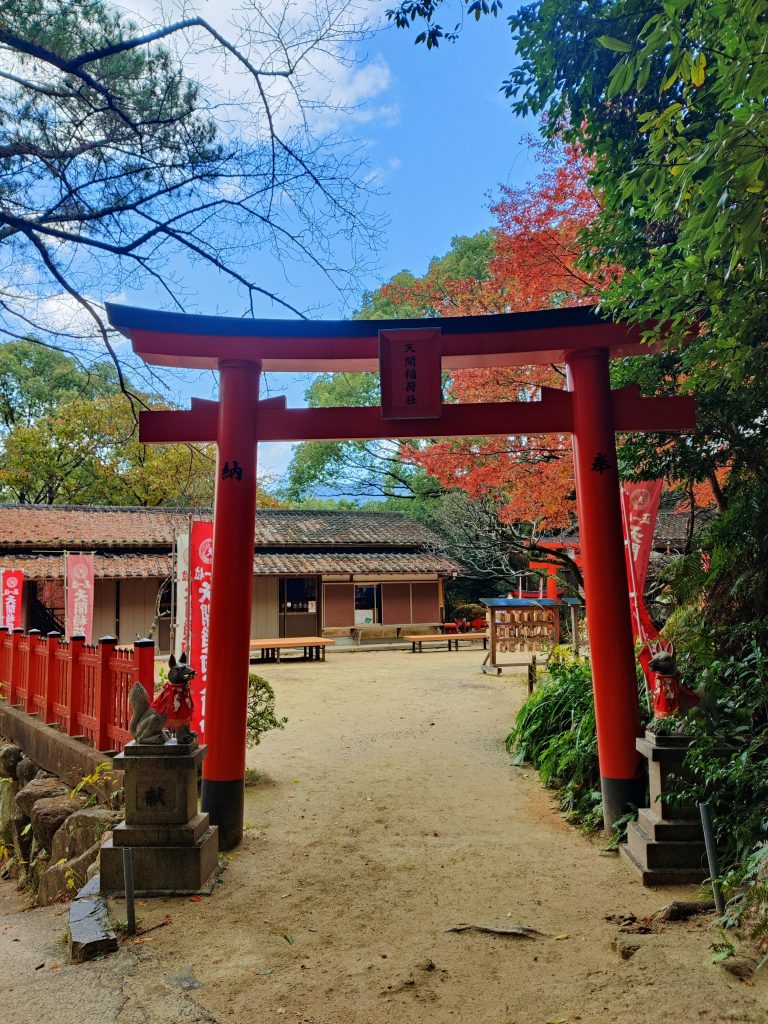
Because if you find the bustling town of Dazaifu and its shrine too crowded for your taste, the pleasant walk leading to the inner sanctuary of Tenkai Inari Shrine is, on the contrary, quiet and practically deserted.
Note: if you want to spend more time outside Fukuoka, you can also visit the nearby Kyushu National Museum.
Momochi Seaside Park
And for your last evening in Fukuoka, head to Momochi Seaside Park to enjoy the pleasant atmosphere and the sea breeze, or simply relax with the sunset as a backdrop.
There are also food stalls along the shore, as well as the Fukuoka Tower, if you’d like to see the illuminated city from above.
Day 16: En Route to Okinawa
Time to go back to the beach and visit Okinawa and its “blue zone”? Why blue zone? Because Okinawa is one of the regions in the world where the locals’ lifestyle is said to contribute to their longevity.
As morning flights aren’t always cheap, I’m going to plan this itinerary for Okinawa as if I only had five and a half days.
I actually spent some pretty laidback days in Okinawa, never trying to cram too much into a single day and taking the time to apppreciate each place for a few hours. Plus, it was pretty hot, so taking it easy made even more sense. Alright, let’s go!
Naminoue Beach & Naminoue Shrine
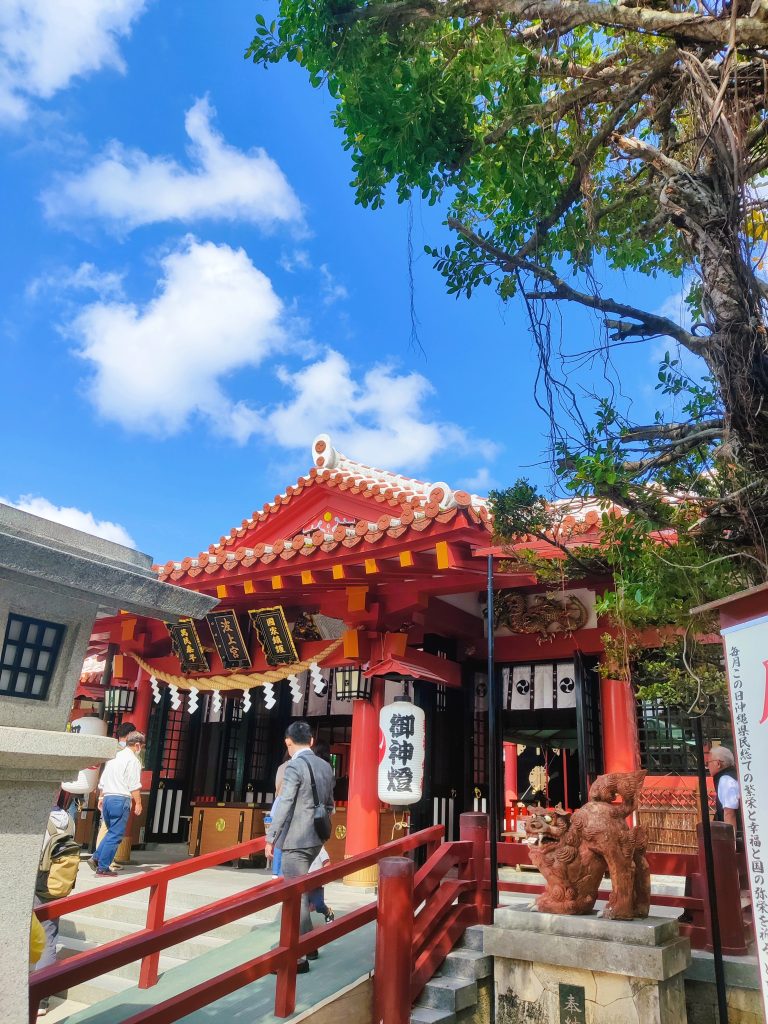
A small shrine perched on a cliff, Naminoue Shrine, is pretty uncommon, and that’s what gives it all its charm.
The red-tiled roof offers a striking contrast to the surrounding green trees and the deep blue sky. And while the site is quite small, this sacred place is considered one of the most important in Okinawa and is worth a quick visit if you’re in the area.
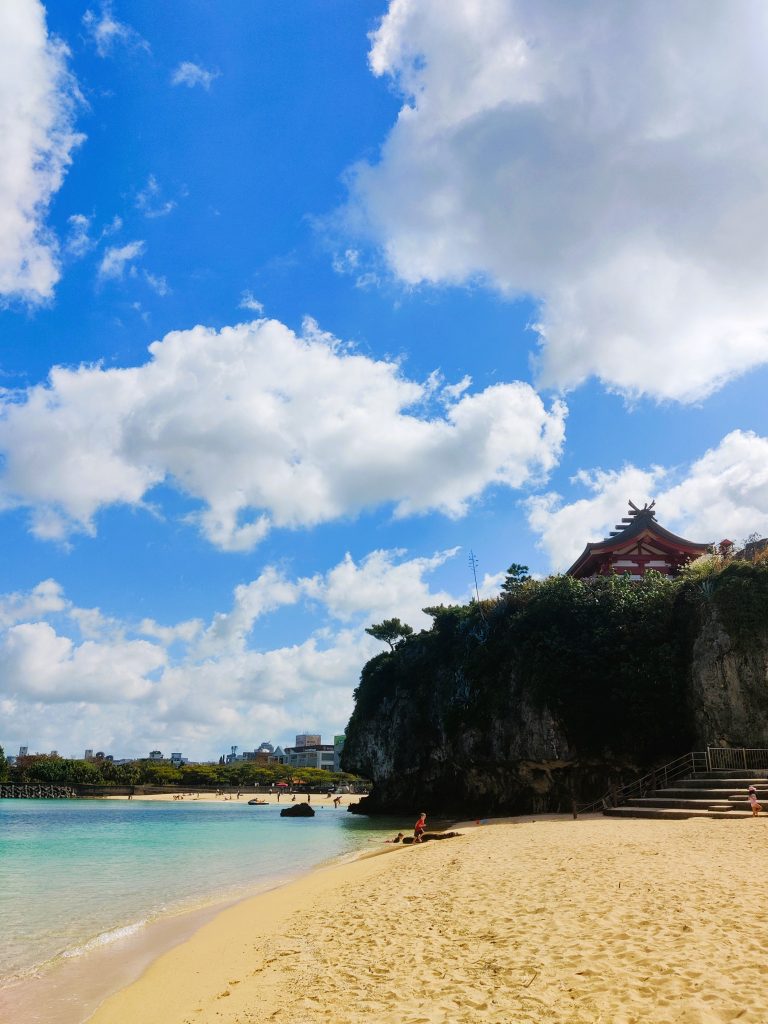
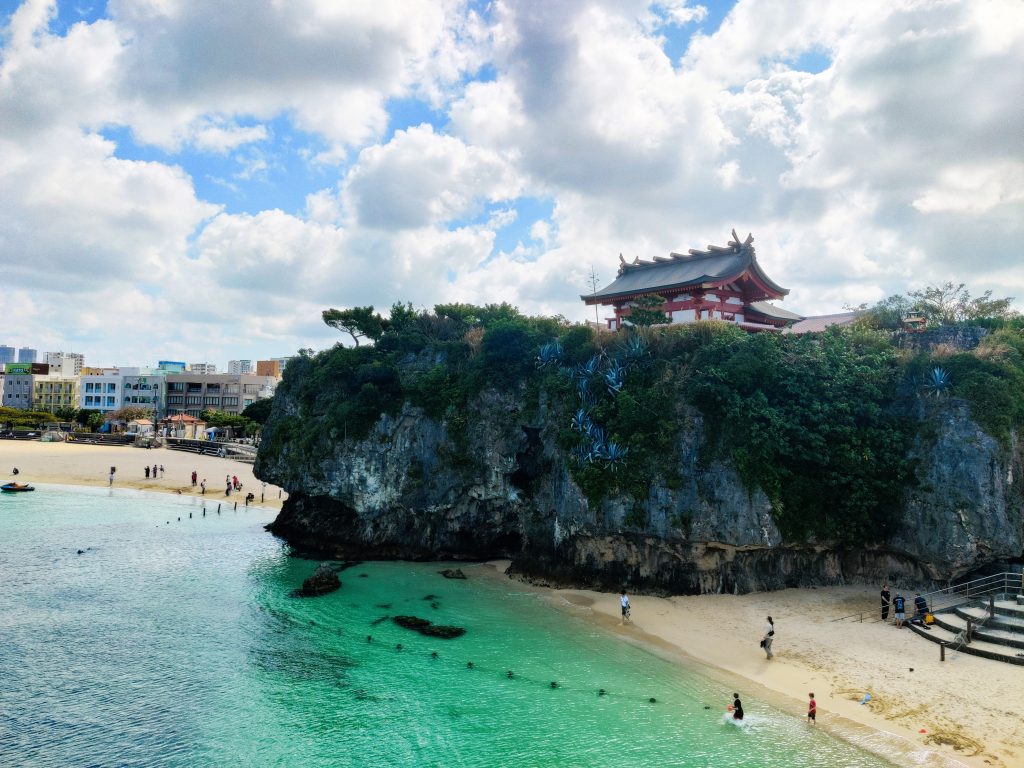
Have you ever seen a beach under a highway? Neither had I, until I saw Naminoue Beach, a truly unique beach, with beautiful crystal-clear waters.
I wouldn’t go swimming there or spend it a whole day, though, but it’s a nice enough spot to take a short break.
Note: the highway bridge overlooking the beach is the perfect place to take pictures of Naminoue Shrine as well as the sunset.
Fukushūen Garden
Only 5 minutes by foot, you’ll find a beautiful, lush Chinese garden featuring a small waterfall, a koi pond, and lovely pavilions.
Picturesque spots are everywhere in this small garden, created to symbolize the friendship between Fuzhou City in Fujian Province, China, and Naha City.
Day 17: Historic Road & Gardens
If you’re not afraid of steep roads, then exploring Shuri Kinjo Town Stone-paved road won’t faze you in the least.
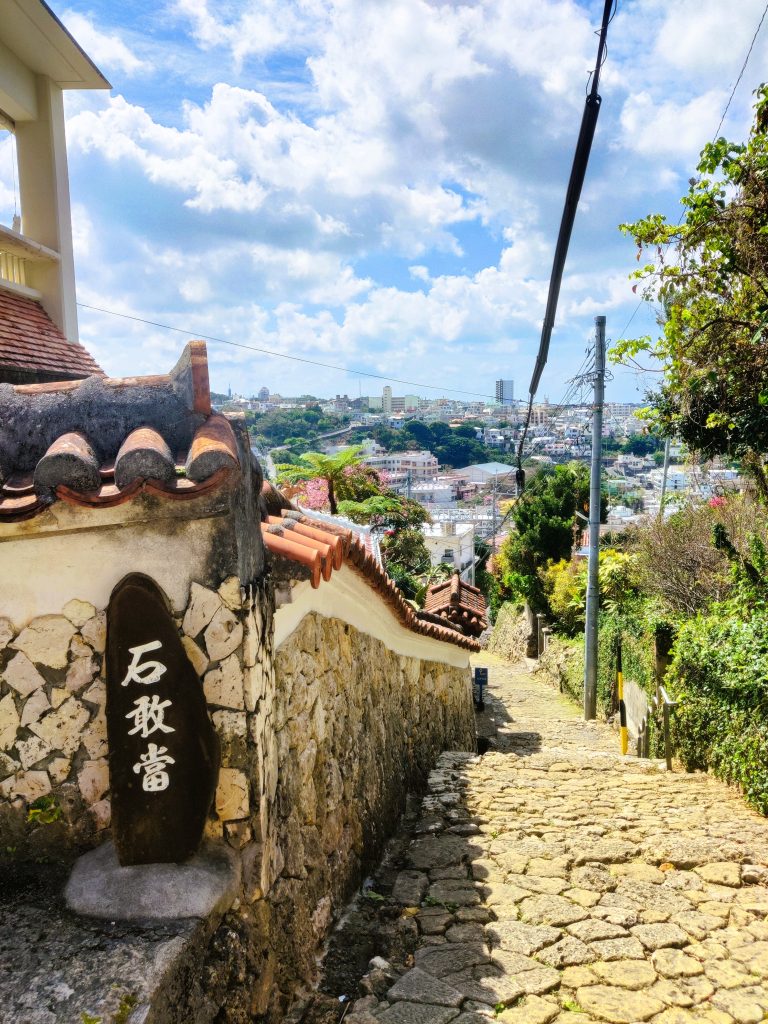
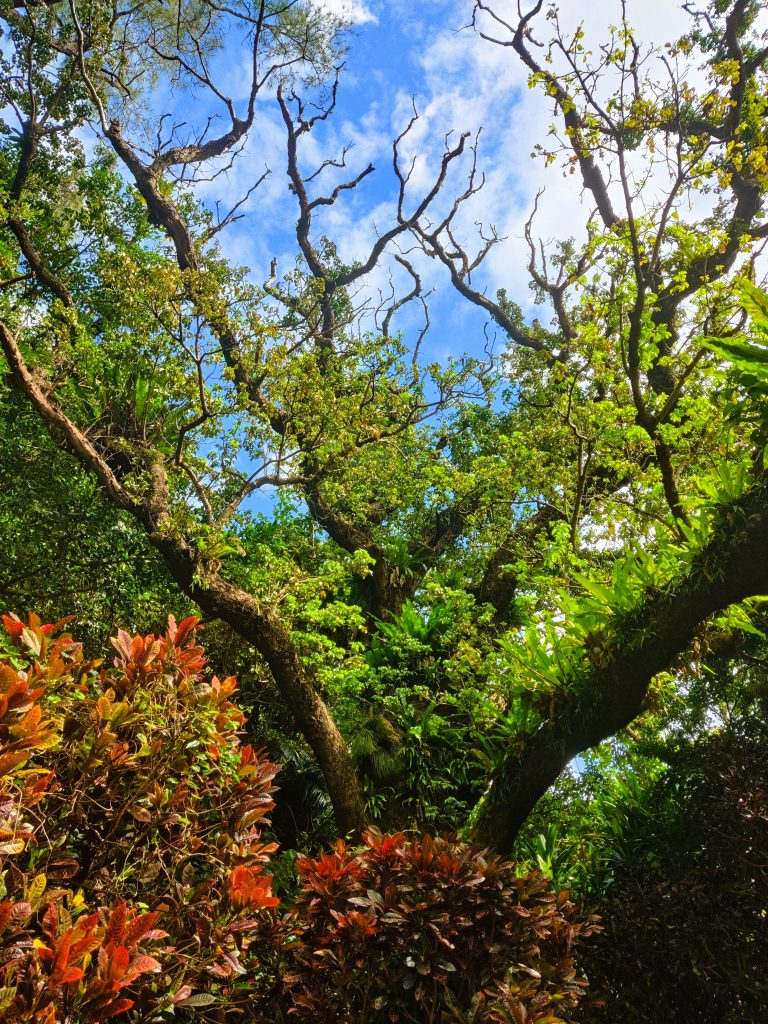
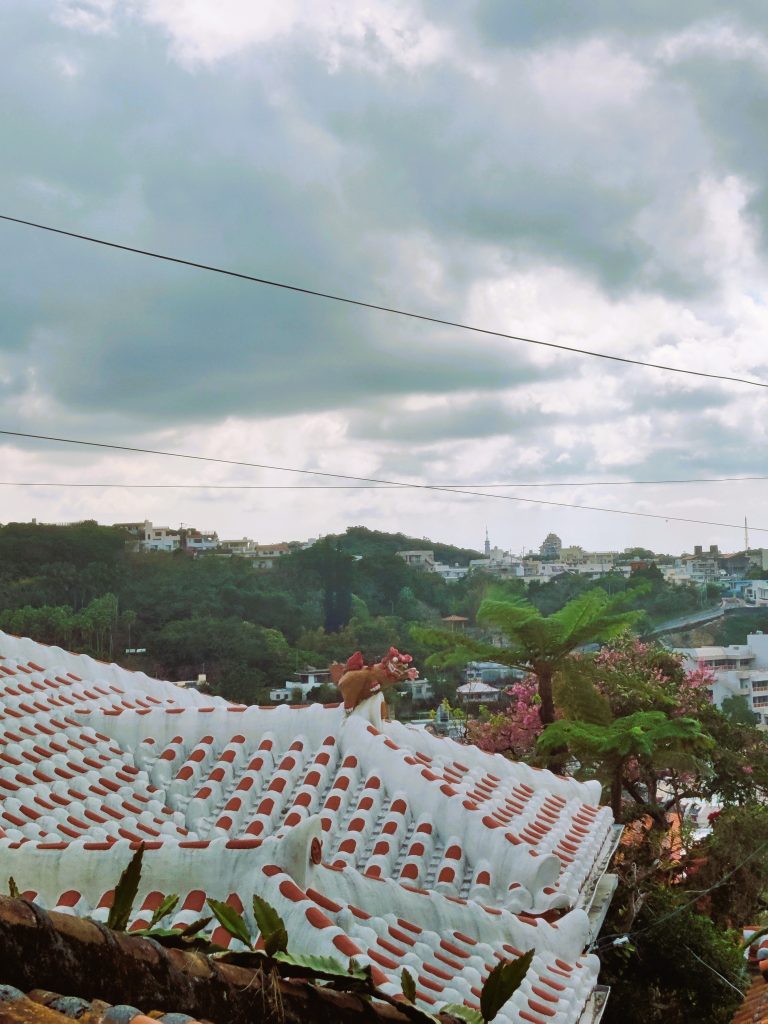
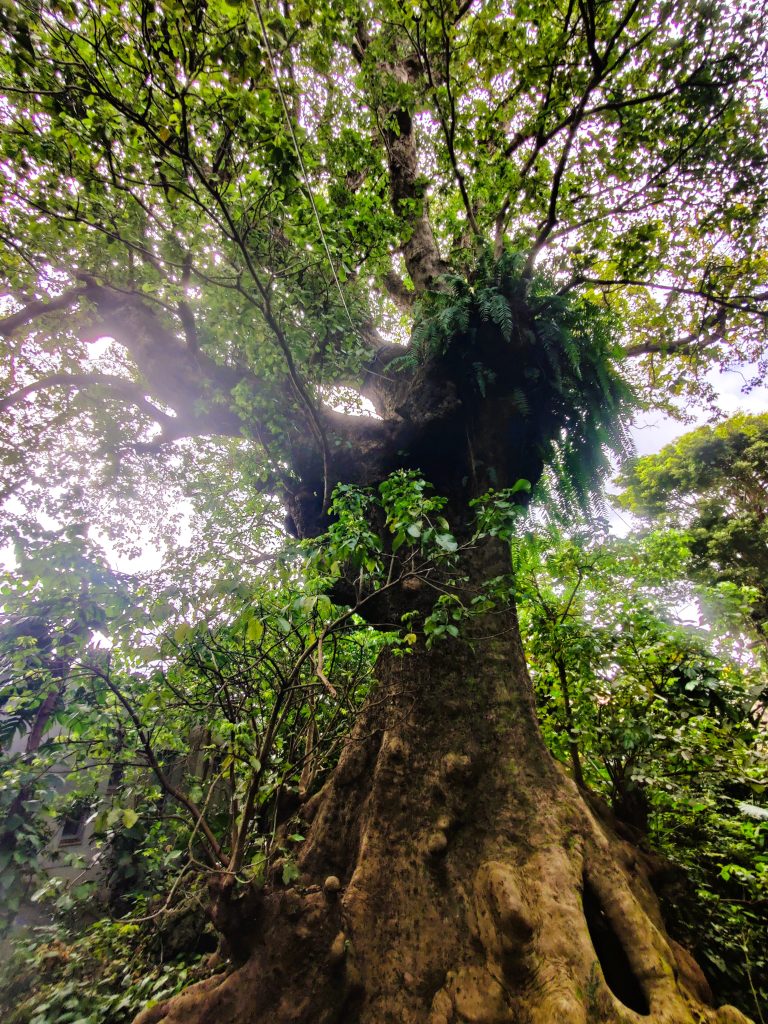
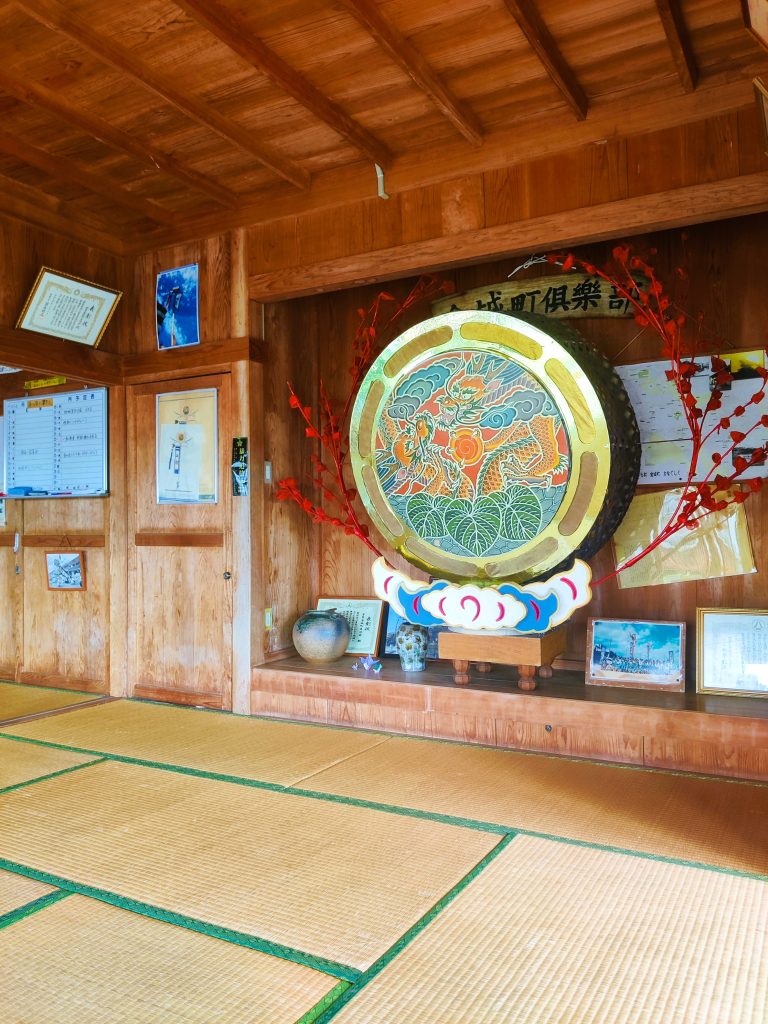
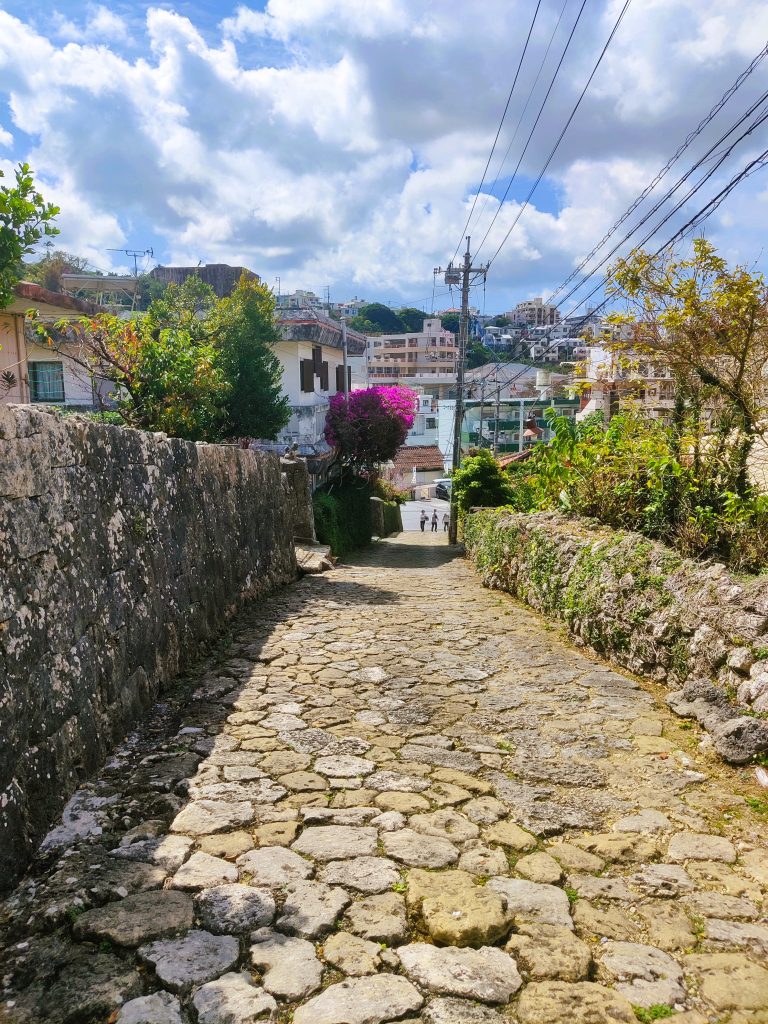
This stone-paved slope leading to the Shuri Castle ruins has a charming atmosphere and pretty views, but that’s not all: it also hides a few hidden spots, such as an alley leading to a big akagi tree, and a welcoming traditional Okinawan house surrounded by a beautiful banyan tree (perfect for taking a break in the shade).
The historic road offers much more than just a cobblestone climb if you take the time to explore every nook and cranny, and if you want to get away from the hustle and bustle of Naha city, it’s a good start.
Sairaiin (Daruma Temple)
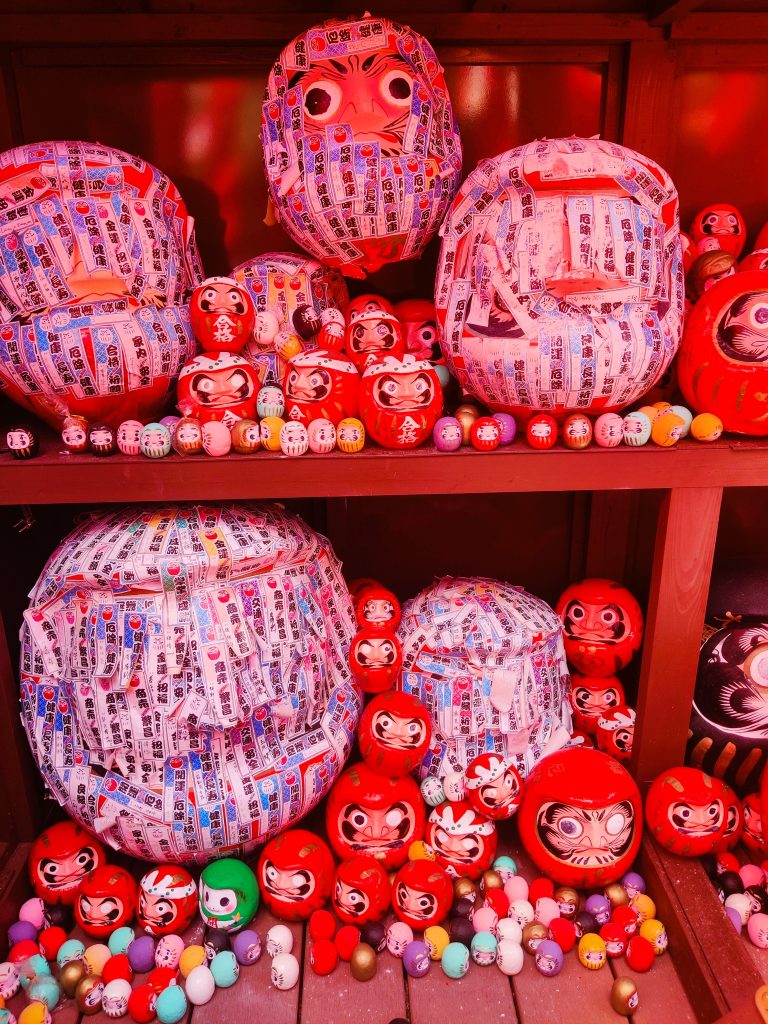
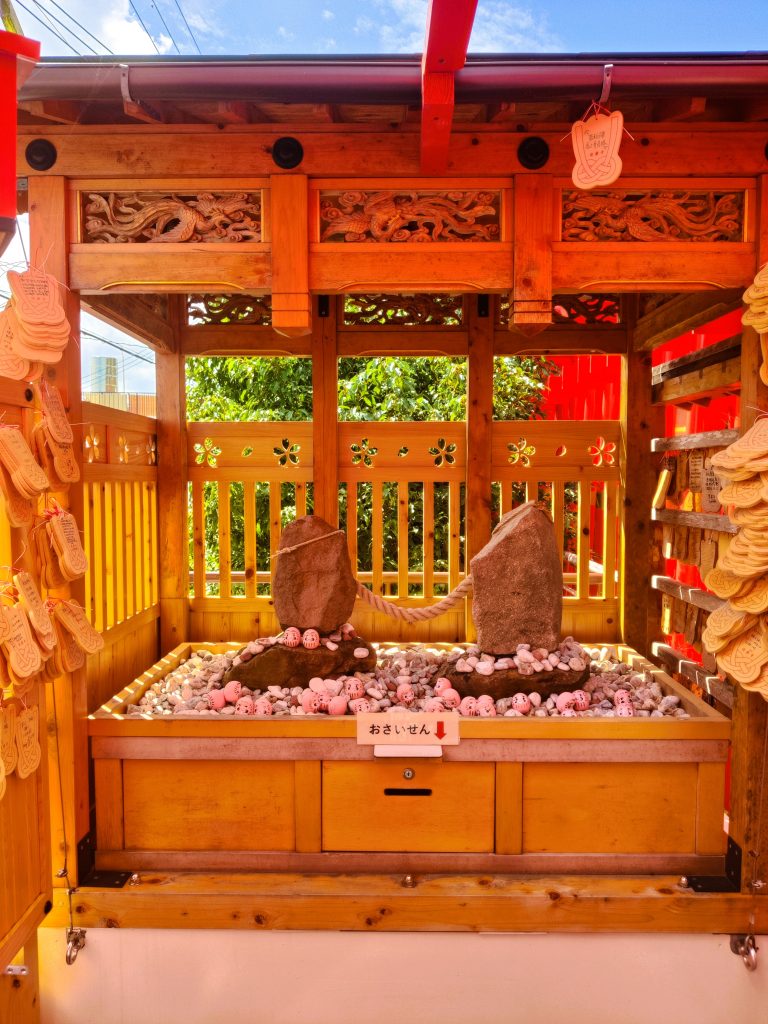
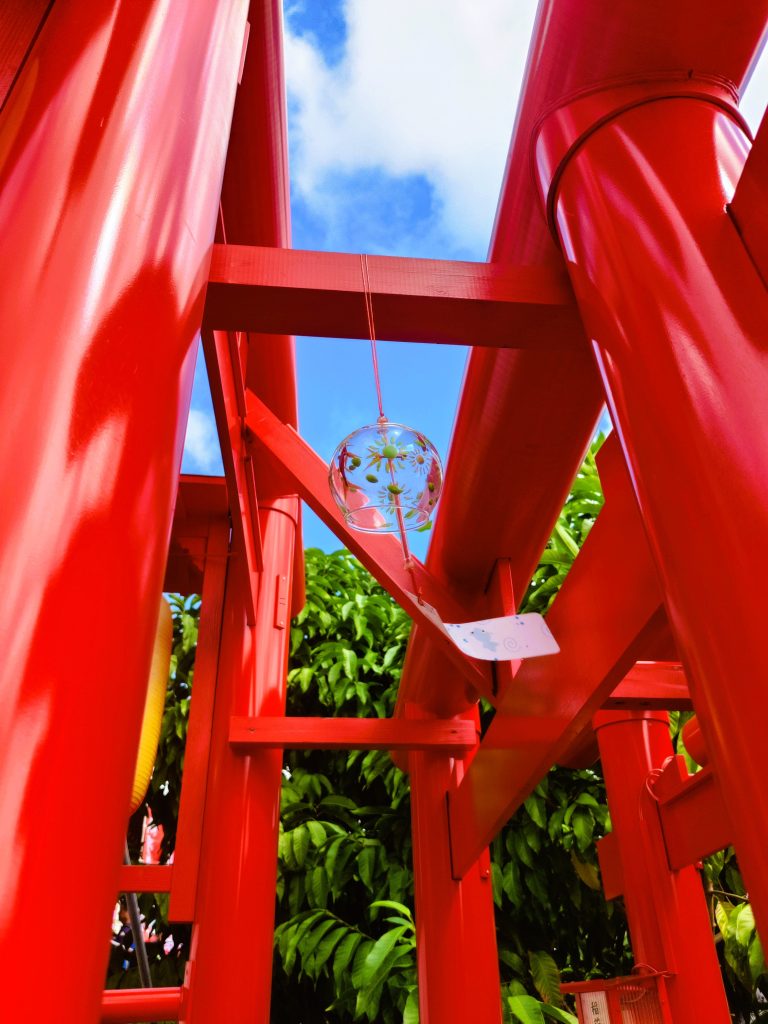
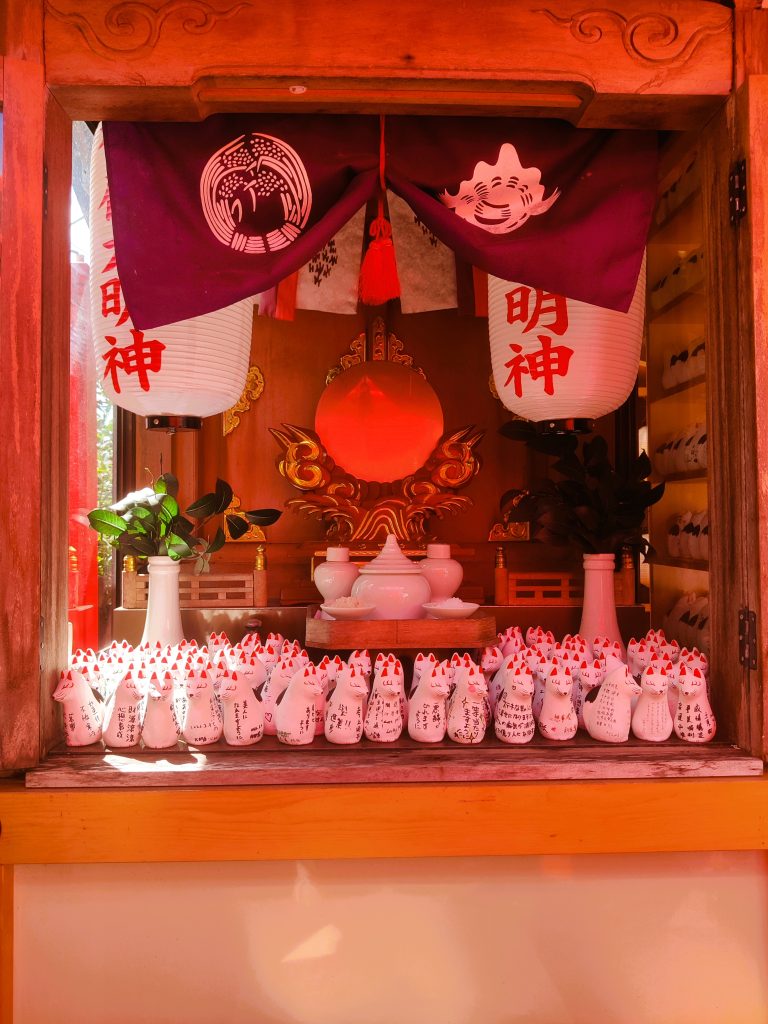
If you’re in Okinawa, don’t miss the peaceful Sairaiin (Daruma Temple)!
Tucked away in an alley, the temple is a picturesque place home to hundreds of small daruma dolls, a famous symbol in Japan. These dolls, which represent perseverance, are usually made from papier mâché and are, in fact, inspired by the legend of the Buddhist monk Bodhidharma, a legend you can learn about on the first level of the temple, just like the Nirvana Buddha statue.
About the dolls, daruma’s eyes are usually blank, you fill in one eye when making a wish or setting a goal, and the other when that wish/goal has been achieved.
Shikina-en Royal Gardens
Japan wouldn’t be Japan without its magnificent gardens.
This site, once part of the Ryukyu Kingdom and originally used as a villa and a place to entertain foreign envoys, was destroyed during the war, before being restored.
Today, this garden is designed to let you experience the change of scenery as you walk through its historical atmosphere and among its beautiful different buildings.
Day 18: Bise
A place where you could easily spend the whole day: welcome to Kokuei Okinawakinenkoen (Emerald Beach).
The beach truly lives up to its name, as this beach is the ideal place to enjoy the emerald sea, go for a swim, rest, and enjoy the sunset or fireworks.
Emerald beach is actually part of a larger park that includes a botanical garden, an aquarium, a museum, and various shops.
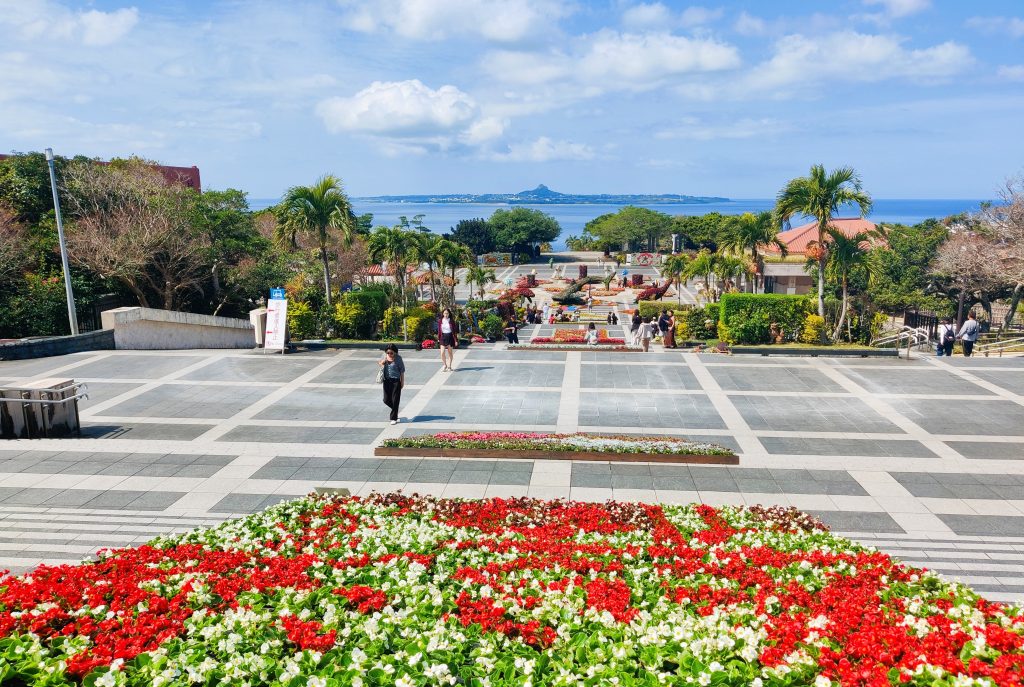
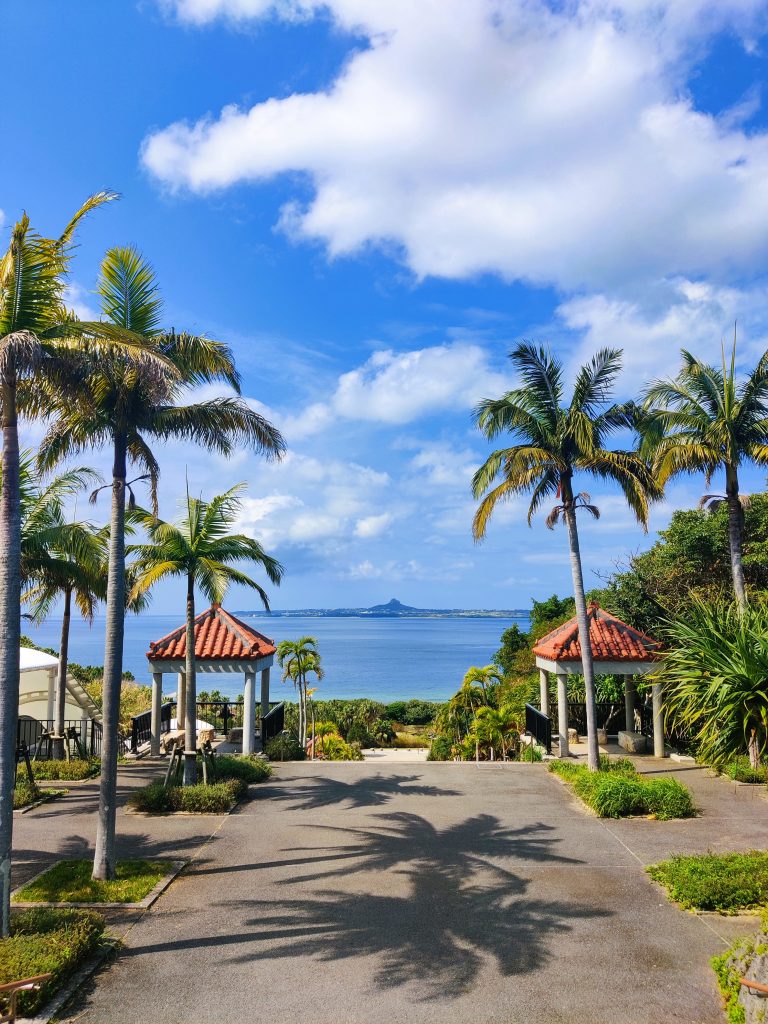
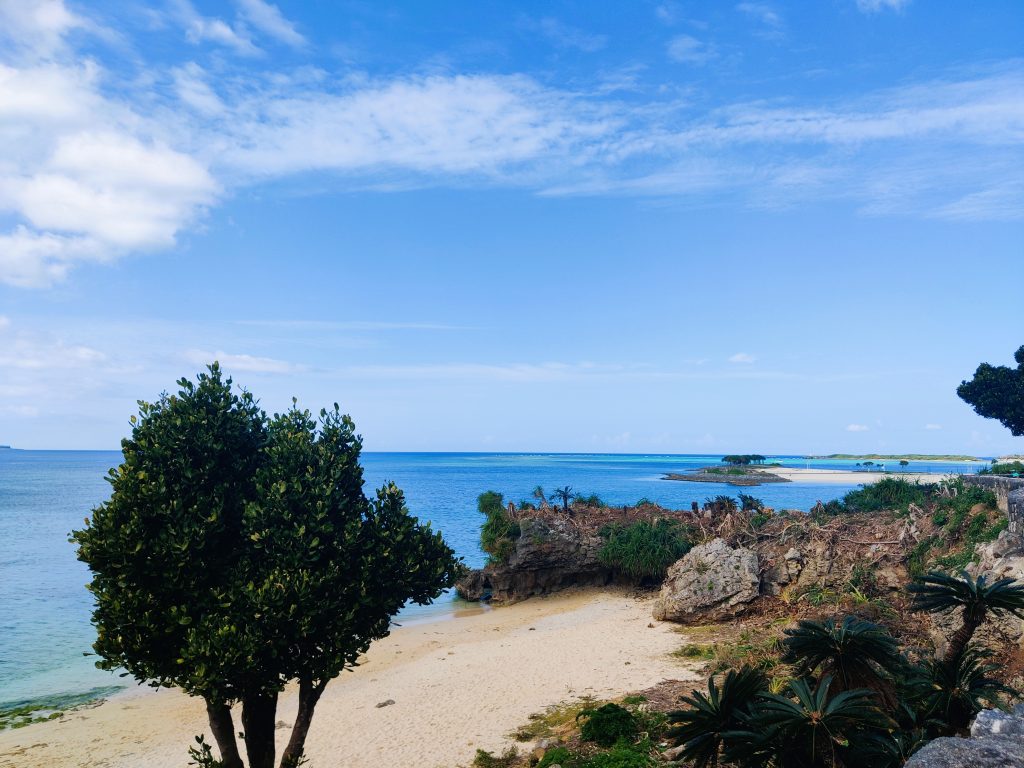
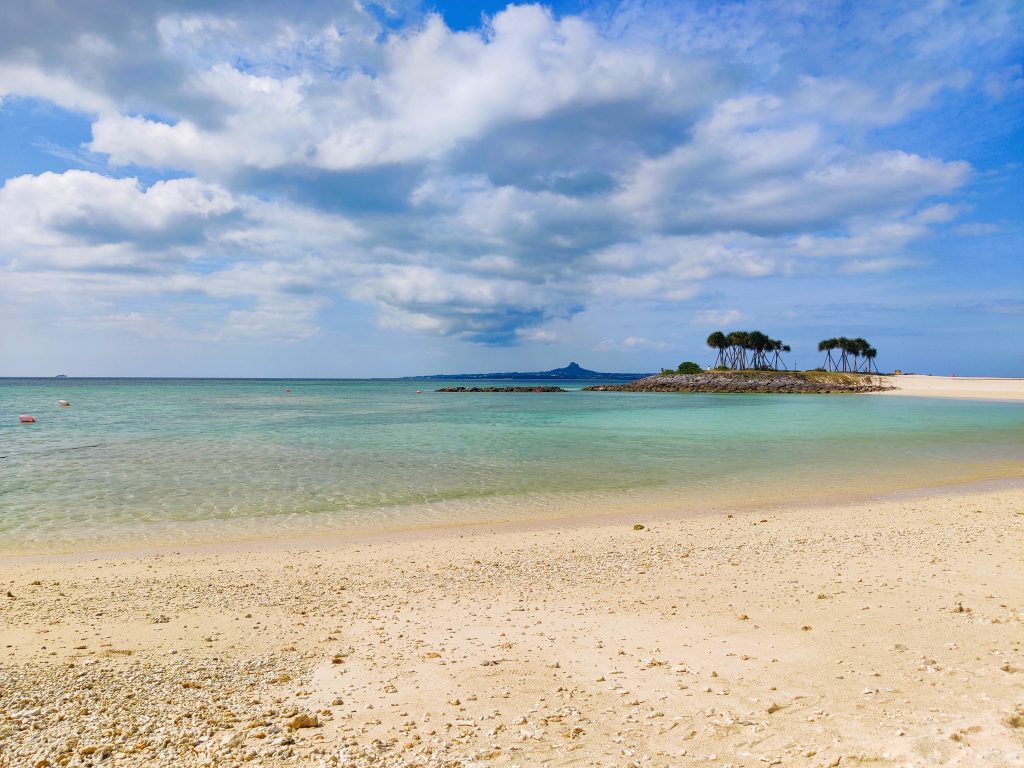
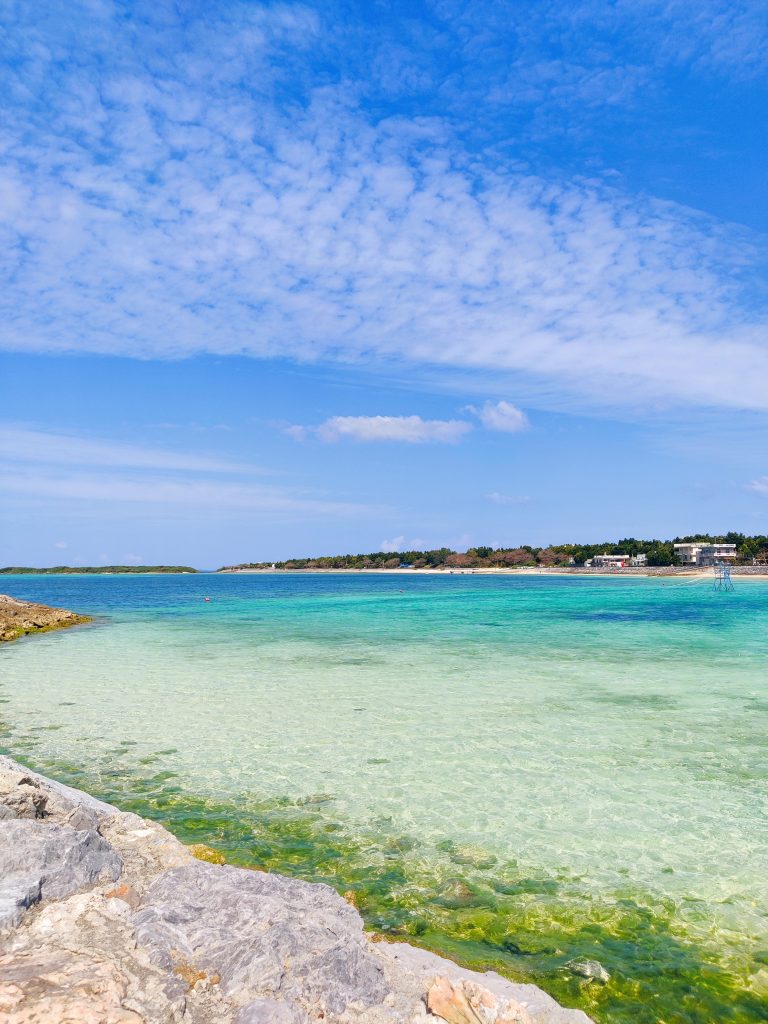
You can also walk past Emerald beach to reach Bise beach and the Bisezaki Coast, allowing you to spend a day of relaxation and tranquility.
Note: you can get there by taking bus YKB888 from Naha city. Plan you day carefully to avoid rush hour and weekends if possible.
Day 19: Beach, Beach & More Beach
White-sand beaches and turquoise waters: if you’re traveling to Okinawa, it’s probably for its beaches. So here are two other options located close to each other.
Located in Yomitan, go to Senaha beach for its quiet, intimate vibes, colorful reefs, and a few caves to explore (perfect for channeling your inner Lara Croft).
And for the snorkeling enthusiasts, rendez-vous to Nirai beach for its colorful marine life, dreamy atmosphere, and breathtakingly clear waters.
↪ For a fiery, vibrant sunset, you can also head to Toguchi beach.
Day 20: Day Trip to Tokashiki Island
One hour away by regular ferry, and 40 minutes by express ferry, the island of Tokashiki is a pleasant getaway from Okinawa’s main island.
Head to Aharen Beach to discover a stunning beach surrounded by natural beauty, and don’t forget to walk to the viewpoint for breathtaking views of the beach from above.
Or go to Tokashiku Beach if you want to see turtles and enjoy a quieter atmosphere while taking in a beautiful beach.
If you want to explore the island more thoroughly, keep in mind that, as is often the case on islands, buses are infrequent. It’s best to rent a scooter or bike directly on the island.
But remember that one day might not be enough to explore Tokashiki, so you might want to book an overnight stay.
Note: book your ferry tickets in advance during high season, as they tend to sell out very quickly!
↪ If you don’t want to deal with buses or bike rentals, you can always book a tour to Tokashiki where everything is taken care of for you, from transportation to lunch.
Day 21: More Relaxation & Shopping
You can choose to follow this itinerary by bus/foot (if you haven’t rented a car), or by bicycle.
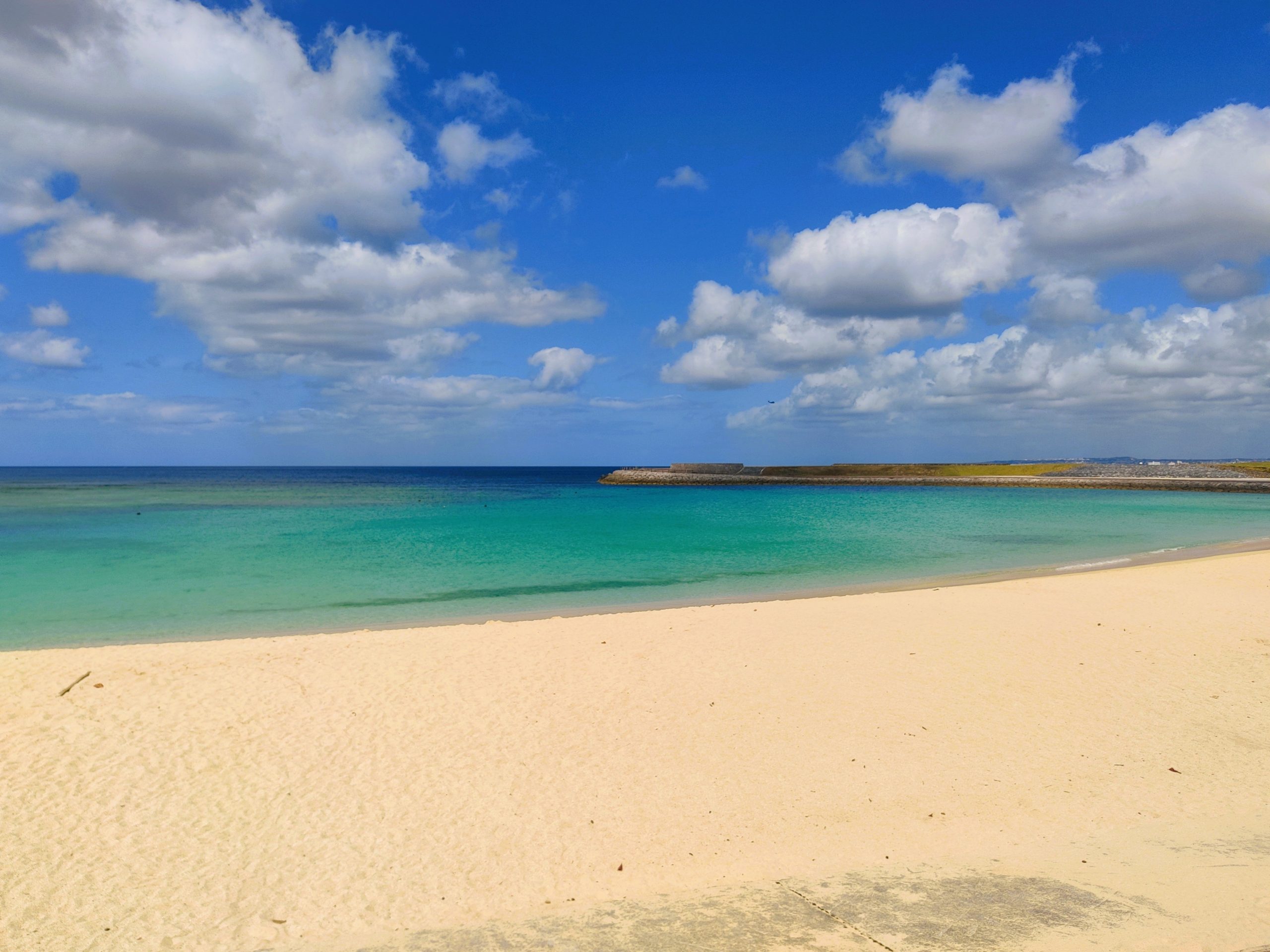
Cross Kamiji Bridge to enjoy spectacular views and the sea’s gradient colors, then head to Tropical Beach for a sweet respite with your feet buried in the fine sand. The water here is pretty shallow, making it the ideal spot if you just want to lounge on the beach and read a book while admiring the pretty scenery.
Alternatively, you can still go to Araha Beach, which is further away.
Kokusai-dori Street
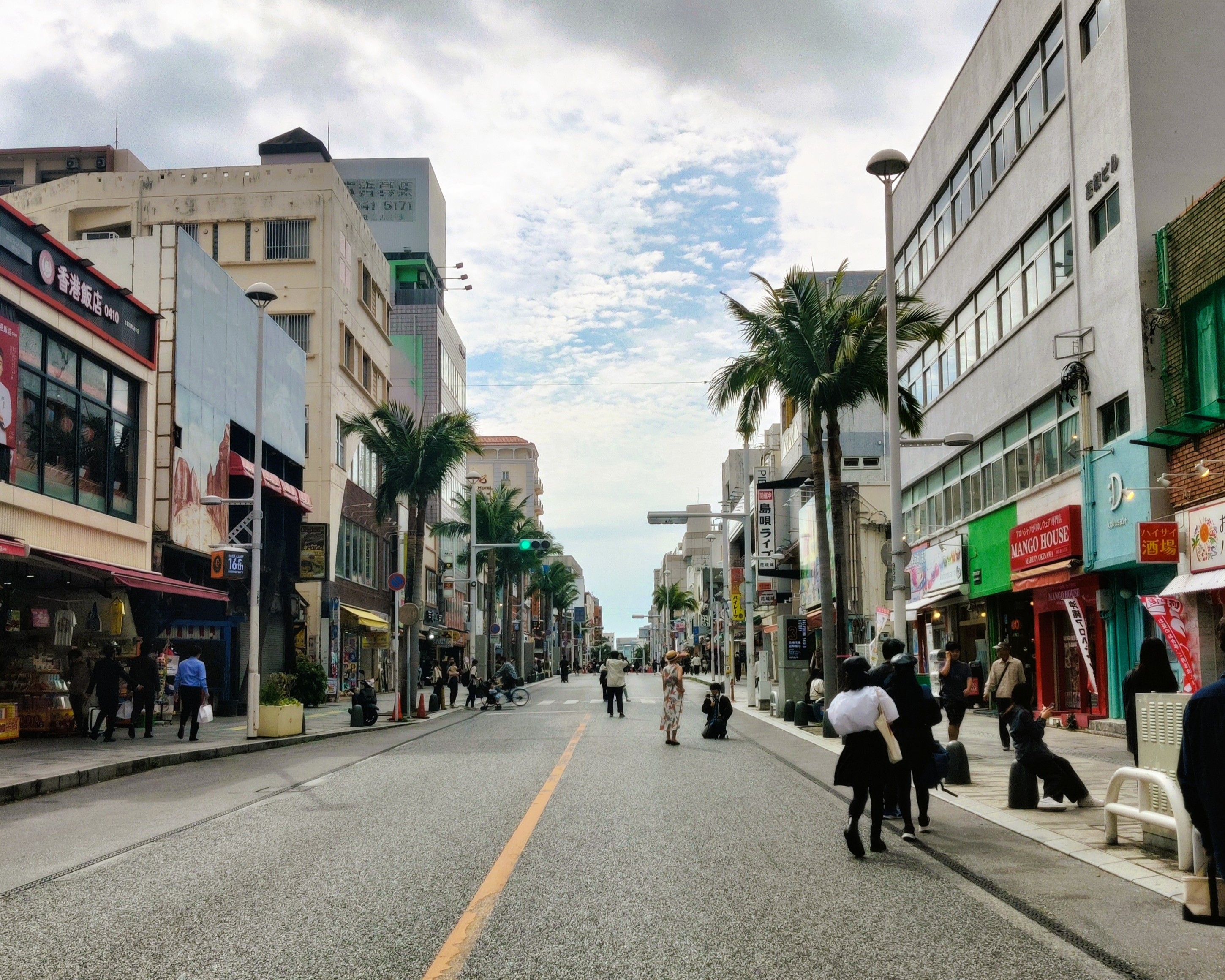
A bustling street where you’ll find everything from souvenirs to skincare products and restaurants, the street is worth a visit, if only for the lively experience.
And if you’re a seafood lover, don’t leave the area without checking out Makishi Public Market. And for Okinawan cuisine, you can also dine at Akasatana, located right next to the market.
On the other hand, if you like pottery and ceramics, a walk to Tsuboya Yachimun Street is a great idea, whether you’re looking for an original souvenir or simply want to look at some fine pieces of artwork.
Getting around Japan
Here are the different ways to travel in Japan.
By renting a car
Many people like to rent a car in Japan because it allows them to be more independent and see some remote places that are sometimes difficult to reach otherwise.
However, this Kyushu and Okinawa itinerary is entirely doable without a car, if you don’t feel comfortable renting one or if you’re traveling solo on a tight budget. I personally only used public transportation, and everything went pretty smoothly; sometimes you just need to be a little more patient or adopt a slow travel style.
💡 There are a few rental companies, but since it’s a popular option, I recommend booking in advance, I’d say at least 3 weeks before departure.
By train
Shinkansen are fast and comfortable, but they’re also a bit pricey, so don’t forget to take advantage of local trains whenever you can: cheaper and more scenic!
By bus
This is my favorite option, along with local trains. Sure, it takes longer than the Shinkansen, but it’s also cheaper and lets you enjoy the scenery more.
You can buy your tickets in advance on the WILLER website.
By flying
One last option I’d recommend is flying, particularly between major cities.
How to get from one city to another (on this itinerary)
🚉 From Fukuoka to Itoshima: take the Airport Line from Hakata station to Chikuzen-Maebaru station (no need to transfer; stay on the train even if the line changes color) = 40 minutes.
🚉 From Itoshima to Karatsu: take the Chikuhi line (toward Nishi-Karatsu) from Chikuzen-Maebaru station to Karatsu station = 50 minutes.
Two options for getting from Karatsu to Aoshima:
🚉 From Karatsu to Aoshima: take the Chikuhi and Airport line (toward Fukuoka Airport – no transfers) from Karatsu station to Hakata station. Transfer at Hakata Bus Terminal to take a bus toward Miyazaki station.
At Miyazaki station, take the bus to Sosanji or Aoshima (toward Aoshima Shirahama) = 6 hours 30 minutes.
✈️ You can also choose to fly: take the Chikuhi and Airport line (toward Fukuoka Airport – no transfers) from Karatsu station to Fukuoka Airport, take a flight to Miyazaki, then take the bus toward Nichinan Obi or Aoshima = 2 hours and 30 minutes.
🚉 From Aoshima to Hyuga: take the Nichinan line (toward Minami-Miyazaki) from Sosanji or Aoshima station to Minami-Miyazaki station, then transfer to the Nippō Main line (toward Nobeoka) to Hyūgashi station = 2 hours.
🚉 From Hyuga to Kannawa: take JR Sonic-Nichirin-Hyuga (toward Oita – Limited Express) from Hyūgashi station to Tsurusaki station, then transfer to Nippō Main Line (toward Nakatsu) to Beppu station. Transfer to bus 7, 24, or 41 to Kannawa = 4 hours.
Or take JR Sonic-Nichirin-Hyuga (toward Oita – Limited Express) from Hyūgashi station to Oita station, then transfer to JR Sonic-Nichirin-Hyuga (toward Hakata) to Beppu station. Transfer to bus 7, 24, or 41 to Kannaw = 3.5 hours.
🚉 From Beppu to Taketa: take the Nippō Main Line (toward Saiki) from Beppu station to Oita station, then transfer to JR Hohi Line (toward Bungo-Taketa) to Bungo Taketa station = 1 hour 40 minutes.
Two options for getting from Taketa to Fukuoka:
🚉 From Taketa to Fukuoka: take JR Hohi Line (toward Oita) from Bungo-Taketa station to Oita station, then transfer at Oita Shinkawa to take the highway bus to Hakata station = 4 hours.
Or take JR Hohi Line (toward Oita) from Bungo-Taketa station to Oita station, then ransfer to JR Sonic-Nichirin-Hyuga (toward Hakata – Limited Express) to Hakata station = 3 hours 40 minutes.
✈️ Flight from Fukuoka to Okinawa = 1 hour 50 minutes.
Three weeks in Japan on a budget? How much does it cost?
Traveling to Japan on a budget is definitely possible, here’s an overview of the expenses you can expect.
🏨 Hostels: $15 – $68 → Book available hostels
🚌 Transport: $150 – $185 → Shinkansen & Highway Buses
🍜 Food: $3 – $15
🎭 Activities: $5 – $62 → Check activities
📱 SIM/eSIM: $30 – $40 → Get a SIM/eSIM card
🚗 Car rental: $30 – $50
✈️ Travel insurance: $50 – $100 → Get travel insurance (5% off with my discount code)
Helpful apps
To make your trip to Japan easier, here are a few apps you should consider downloading!
- Navigation: Google Maps
- Interactive routes and detailed information on public transportation: NAVITIME
- Language app: Google Translate
- Taxi: GO taxi
- Find the best restaurants: Tabelog
- Luggage storage: ecbo cloak
- Shopping made easier: Payke
- Earthquake early warnings: Yurekuru Call
- Cashless transit: Welcome Suica Mobile (iOS)
And there you have it! You’re all set to explore the magnificent country of Japan, especially the island of Kyuhsu and Okinawa!
Only have two weeks and want to visit famous cities but not just those? Here’s my 12-day itinerary, ideal for first-time visitors to Japan!



Gosh, this post makes me want to go to Japan even more than I already do now! All of these places you mentioned sound AMAZING. I love that you included helpful apps to use while there! Thank you for sharing!
I’m so happy to hear that because I’m sure you’d love Japan! And I hope you’ll visit one day!! Thank you so much for your comment, Kimberly!
What a great guide! So helpful with all the photos so I know what it actually looks like!
I’m so happy you liked this post, Marissa, and thank you for taking the time to leave a comment!
This guide is awesome! Thank you so much for sharing!
I’m so glad you found this guide helpful, Lex, and thank you for reading!
What a thorough itinerary! I’ve always wanted to visit Japan and will have to book mark this for when I make it over!
I’m so glad to hear that and I can’t wait for you to visit Japan, Olive Grace! Thank you for your visit and comment!
I’m so going back to Japan after reading this!
Yay! There are so many regions to explore and things to do in Japan, so I definitely want to visit again and again and again as well! Thanks for your comment, Sharyn, and safe travels!
This looks like such a refreshing way to experience Japan! I love that you focused on Kyushu and Okinawa instead of trying to squeeze in all the usual highlights. Slowing down and exploring one region more deeply always makes a trip so much more rewarding. Okinawa is especially high on my bucket list—the beaches and island scenery look incredible!
Thank you for your kind comment, Agnes, and yes I totally agree: I love to slow travel and spend time in a city or region to try and fully explore it. Okinawa is breathtaking and there’s so much to see, I can’t wait to visit again! I hope you’ll visit soon!